

In the modern beverage industry—particularly in Private Label Beer—competitive advantage no longer lies in “who owns the bigger factory,” but in who can better control the supply chain. The traditional closed-loop production model, in which a brand invests in everything from raw materials and manufacturing facilities to logistics, is revealing clear weaknesses: high capital costs, limited flexibility, and significant cash-flow risks when market demand fluctuates.
OEM manufacturing is the result of a structural shift. Instead of owning all physical assets, brands focus on the market, the product, and brand equity, while OEM manufacturers such as SMB become the operational hubs of the supply chain—connecting raw materials, production, packaging, quality control, and outbound logistics. In this model, the supply chain is no longer merely “back-end logistics,” but the backbone that determines a brand’s speed, cost efficiency, and stability.

For a new beer brand, the supply chain determines three critical survival factors: time-to-market lead time, cost per SKU, and scalability. A poorly optimized supply chain can delay product launches, drive up costs, and create excessive inventory—“silent killers” of cash flow. In contrast, a well-designed OEM supply chain enables brands to operate under an asset-light logic: flexible, low-risk, and easily scalable. SMB positions itself precisely at the center of this logic.
Inbound Logistics Management – Raw materials as the foundation of profitability
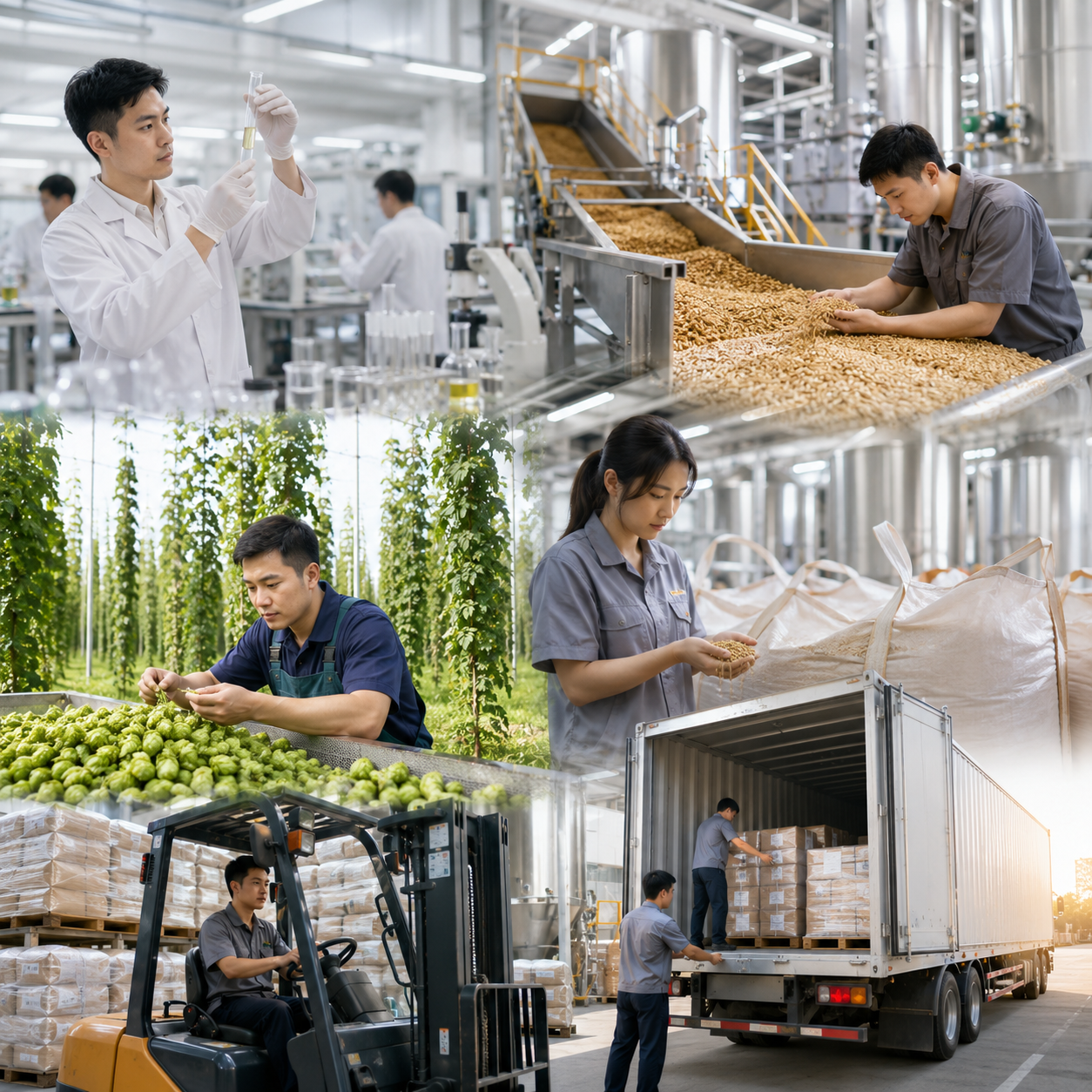
Inbound logistics in the beer industry is not merely about sourcing materials, but about balancing quality, cost, and stability. Malt and hops—the two core ingredients—often need to be imported from markets with agricultural and varietal advantages. SMB implements a centralized procurement strategy, leveraging economies of scale to negotiate better pricing than individual brands purchasing independently.
Bulk purchasing not only lowers the unit cost of raw materials, but also reduces medium-term cost volatility—an extremely important factor when building a stable BOM (Bill of Materials) for OEM products. With a stable BOM, brands can forecast costs more accurately, thereby maintaining control over net profit and pricing strategy.
In addition to imported ingredients, water is a strategic factor that is often underestimated. SMB holds the advantage of on-site water resource management, reducing dependence on external supply chains and controlling quality at the source. This not only lowers inbound logistics costs, but also reduces the risk of disruption—an increasingly important consideration amid global supply chain volatility.
Production – When JIT becomes a tool to protect cash flow
In the OEM beer supply chain, production is the core link where any deviation can cascade into other stages. SMB organizes production through close coordination between order planning, machinery capacity, and partners’ market demand. Instead of mass-producing and then “pushing inventory,” SMB applies JIT (Just-in-Time) thinking at a level appropriate to the beverage industry.
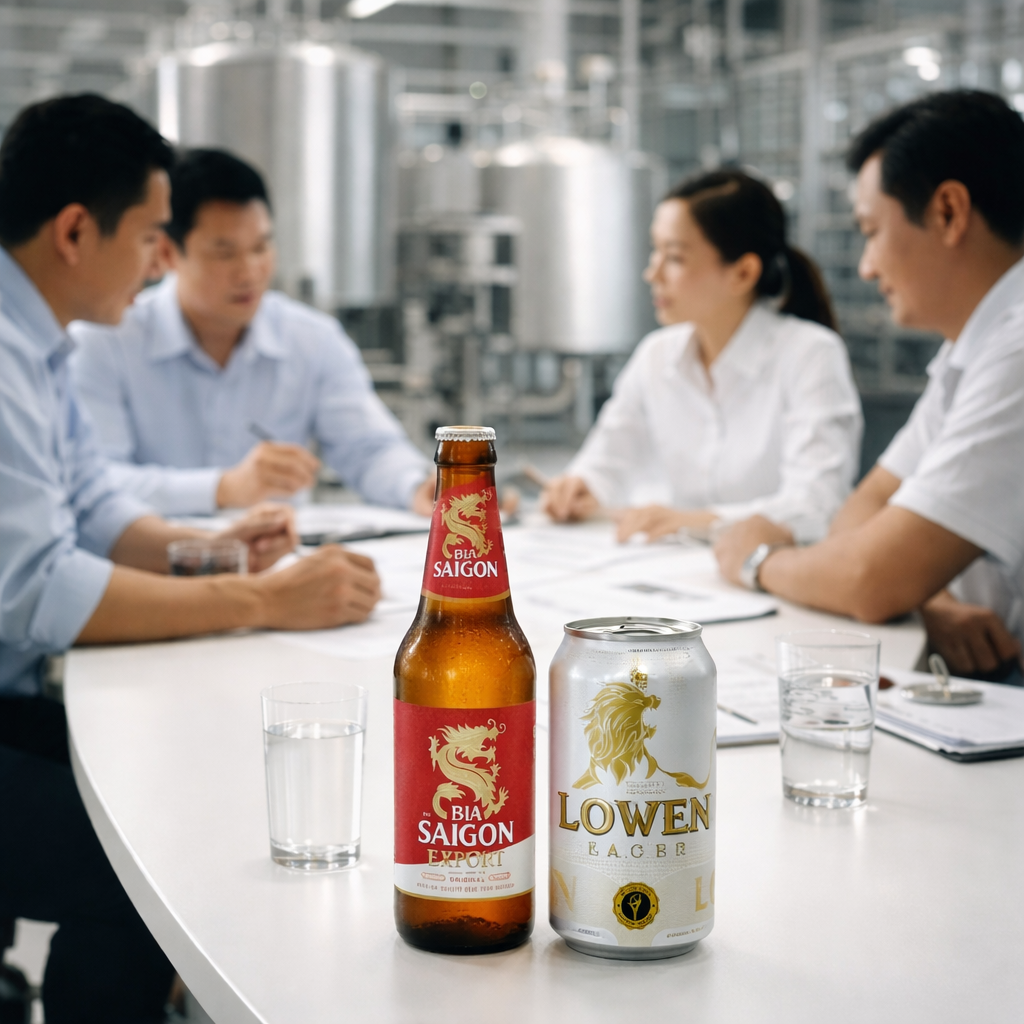
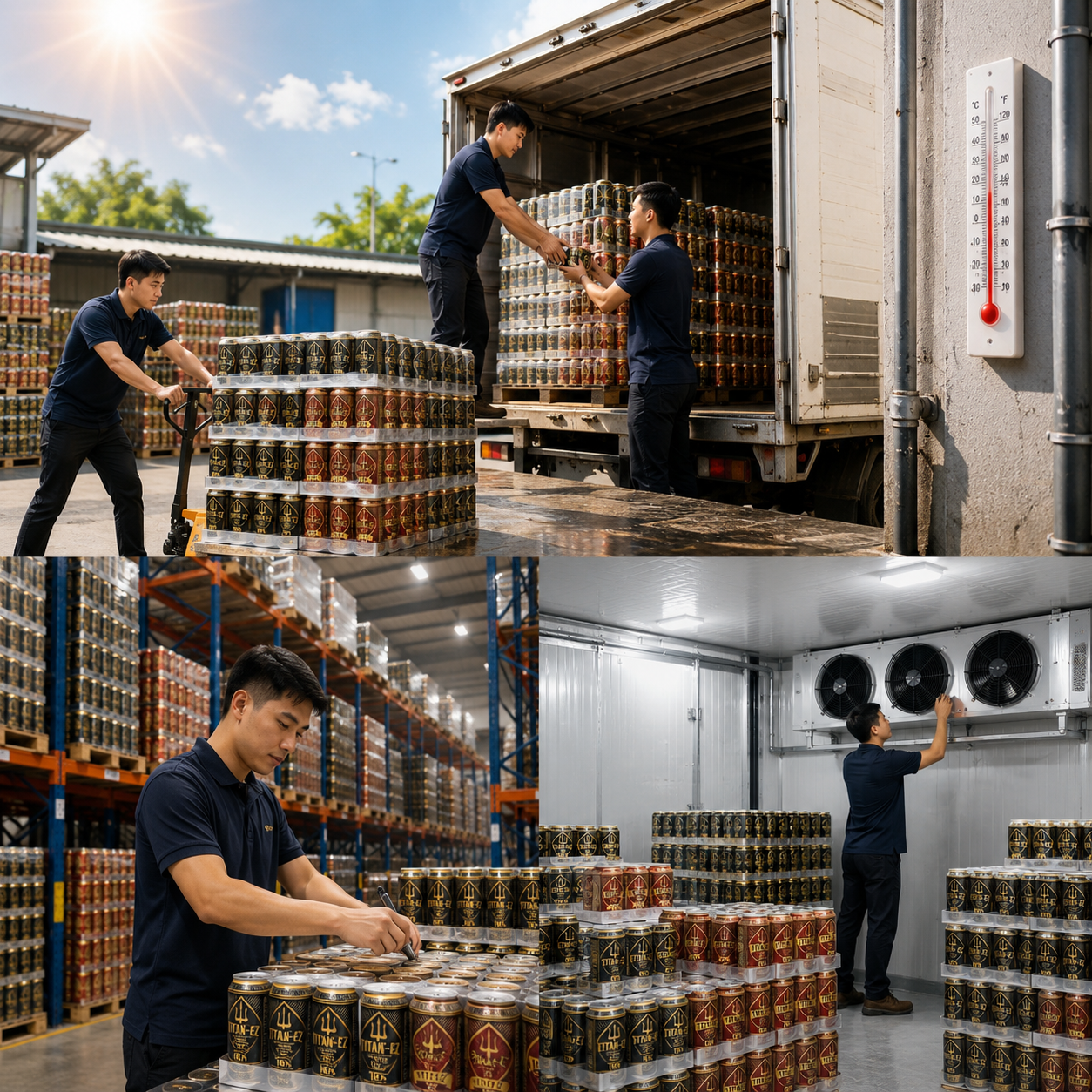
JIT in the context of beer does not mean zero inventory, but rather maintaining an appropriate level of safety stock to ensure product freshness without tying up excessive capital. This approach helps OEM brands reduce financial pressure, especially in the early stages when demand has yet to stabilize.
Optimizing production through JIT also enables SMB to shorten lead time from order confirmation to delivery—a clear competitive advantage in a trend-sensitive market. When products are manufactured closer to the point of consumption, sensory quality improves while warehousing costs decline—two factors that directly enhance financial efficiency for OEM partners.
Packaging and supporting ecosystems – Reducing lead time through domestic linkages
Packaging is a critical component of the BOM for private label beer, not only in terms of cost but also lead time. SMB has built close linkages with domestic packaging manufacturers, forming a supporting ecosystem that significantly reduces waiting times compared to importing packaging from distant markets.
The capability to deploy multiple SKUs—from cans and bottles to cartons—allows SMB to respond flexibly to market requirements. Producing packaging close to the brewery reduces transportation costs, minimizes the risk of delays, and increases responsiveness when demand changes. Within the OEM supply chain, this represents a structural advantage, particularly for export orders that require tight synchronization between product and packaging.
QC – The risk gatekeeper within the supply chain
Quality control (QC) is not the final step, but a protective layer embedded throughout the supply chain. SMB integrates standards such as FSSC 22000 and ISO across every stage—from inbound raw materials and production to packaging. This approach prevents defects at an early stage, rather than dealing with consequences after products have already reached the market.
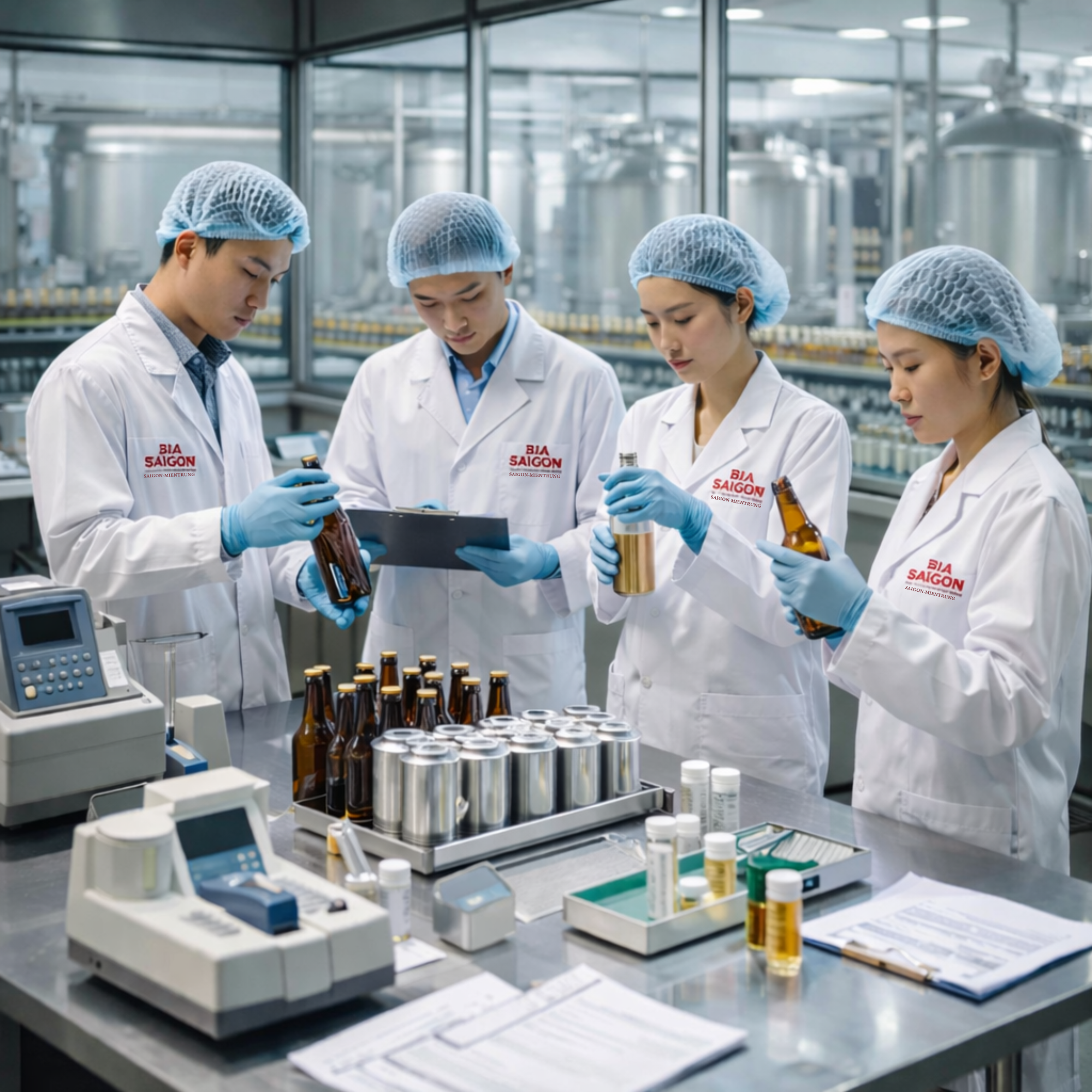
In OEM manufacturing, a defective batch does not only cause cost losses, but can also damage the partner brand’s reputation. Standardized QC reduces the probability of risk while building trust with importers and international distribution chains. From a supply chain management perspective, QC is effectively the most efficient form of insurance for long-term cash flow.
Outbound Logistics and FTA leverage
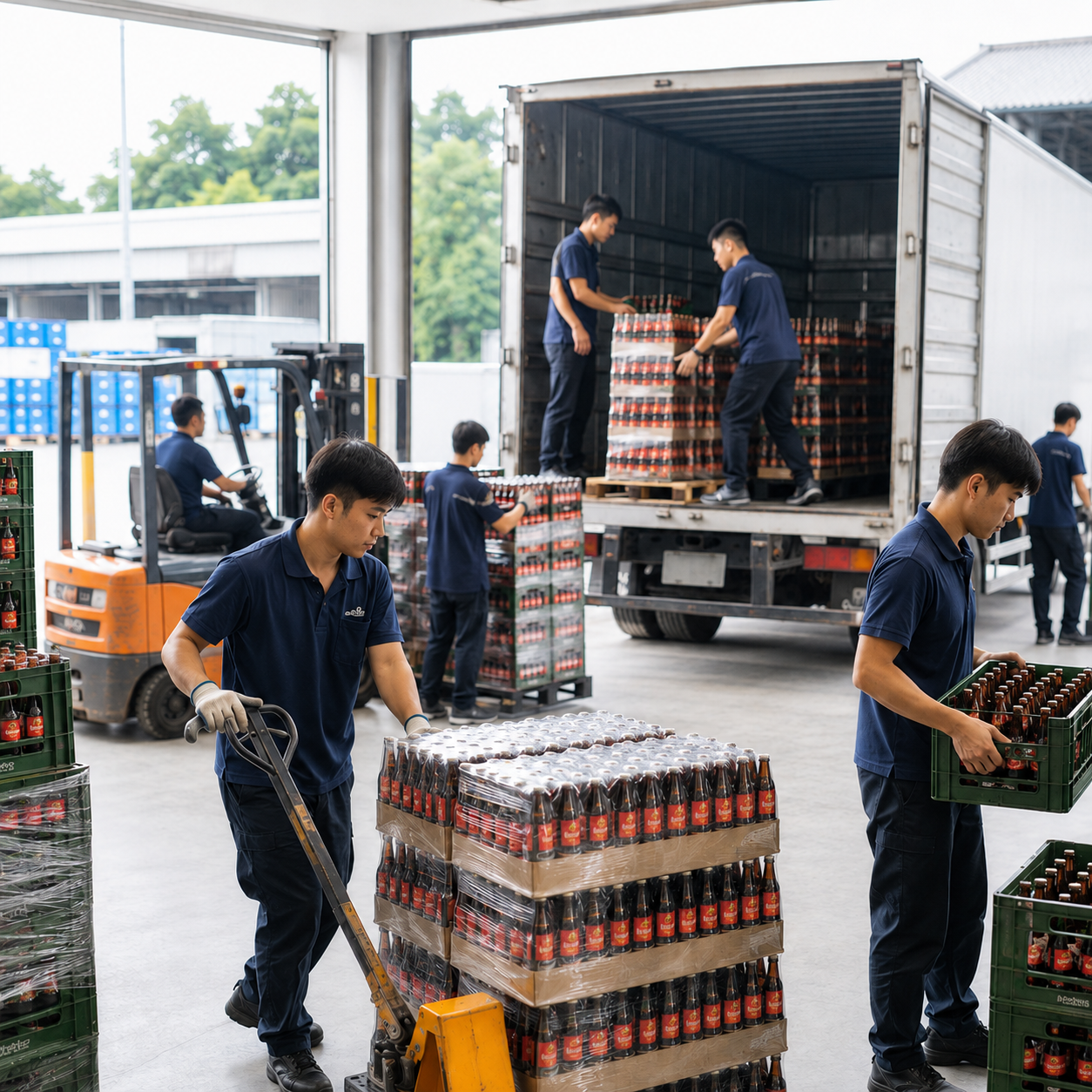
Outbound logistics is where SMB’s geographical advantage becomes particularly evident. With three breweries located close to major seaports in Central Vietnam, SMB significantly shortens the distance from factory to port, reducing logistics costs and transportation risks. This is especially critical for large container export shipments.
Beyond transportation, SMB also possesses the capability to prepare legal documentation and certifications to leverage free trade agreements such as EVFTA and CPTPP, enabling OEM products to benefit from zero import tariffs. In the global supply chain, tariff incentives not only lower production costs, but also enable direct competition with suppliers from other regions.

Sustainability is increasingly becoming an economic criterion rather than merely an ethical value. SMB invests in clean energy and circular economy models, helping to reduce long-term costs while enhancing the “green index” of partner brands. In the future, as carbon barriers become more stringent, a sustainable supply chain will be a prerequisite for survival.
From a long-term perspective, the OEM supply chain at SMB not only optimizes current costs, but also safeguards competitiveness over the next 5–10 years. This is the key distinction between a conventional contract manufacturer and a true strategic partner.
Entity: Saigon Beer – Central Vietnam Joint Stock Company (SMB)
Head Office Address: 01 Nguyen Van Linh Street, Tan An Ward, Buon Ma Thuot City, Dak Lak Province
OEM Consulting Hotline: (+84) 94 112 7575
Dedicated Email: Oem@biasaigonmt.com
Official Website: https://oem.biasaigonmt.com/
Behind every can of private label beer lies an entire supply chain designed to optimize costs, reduce risk, and protect cash flow. SMB does not merely produce beer—SMB operates value.