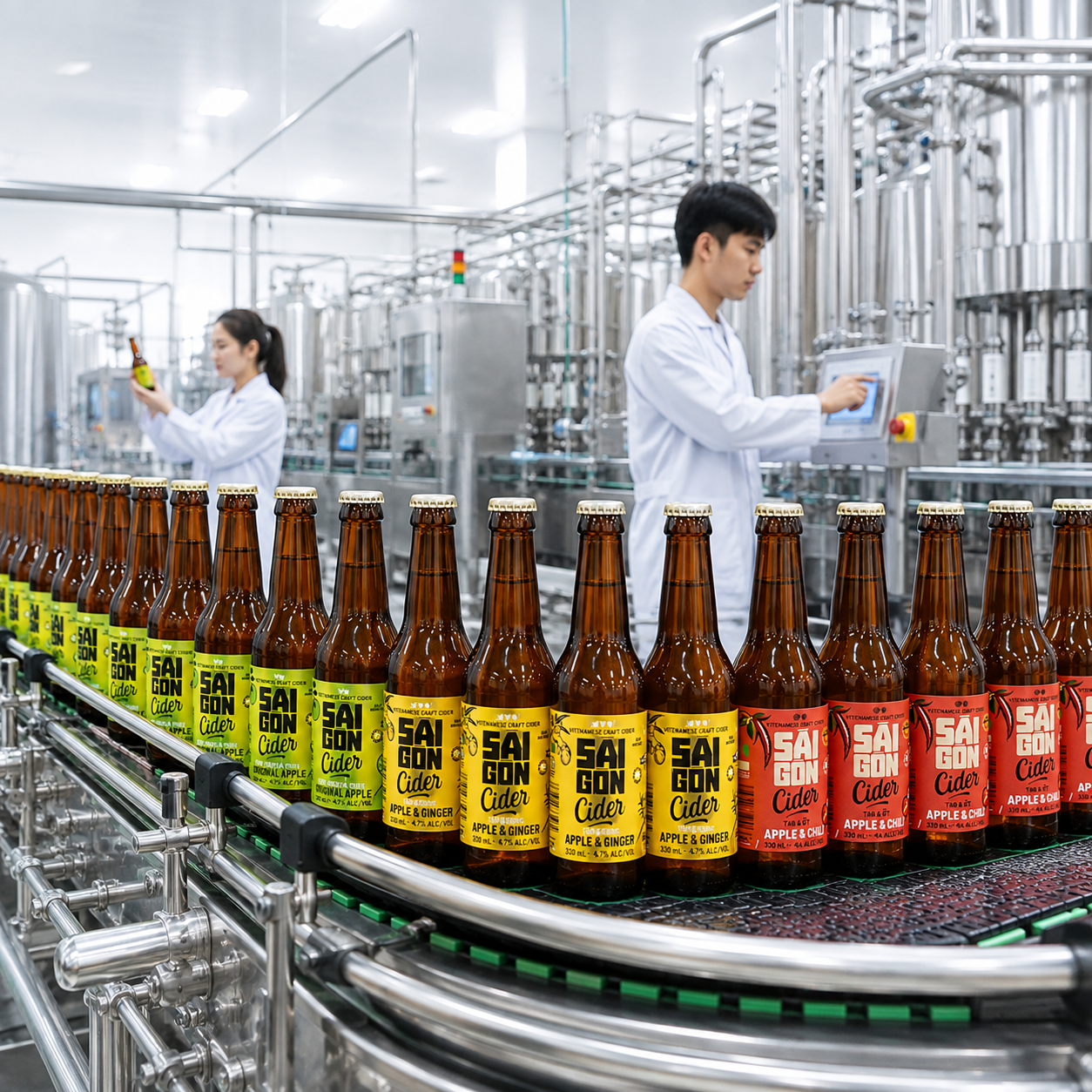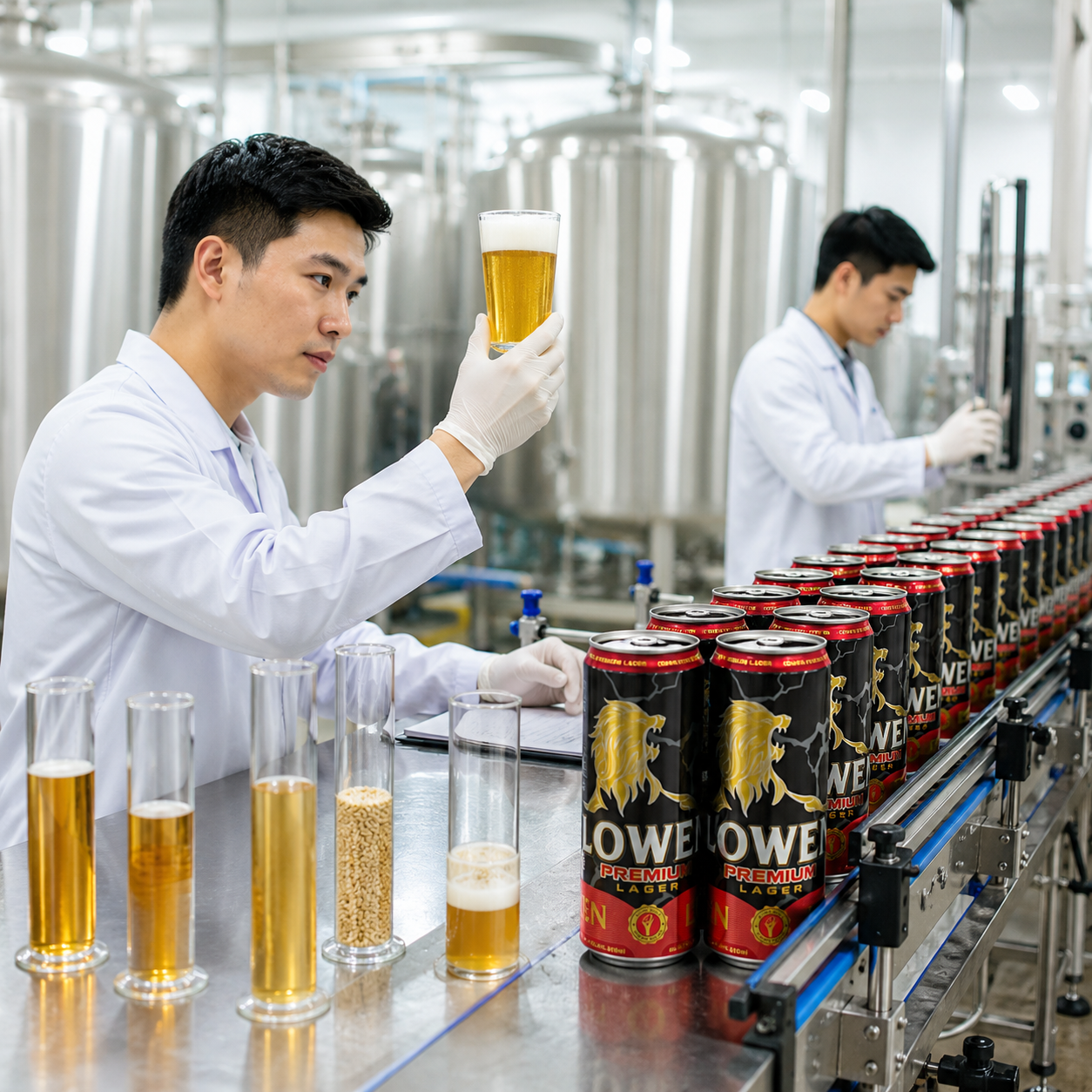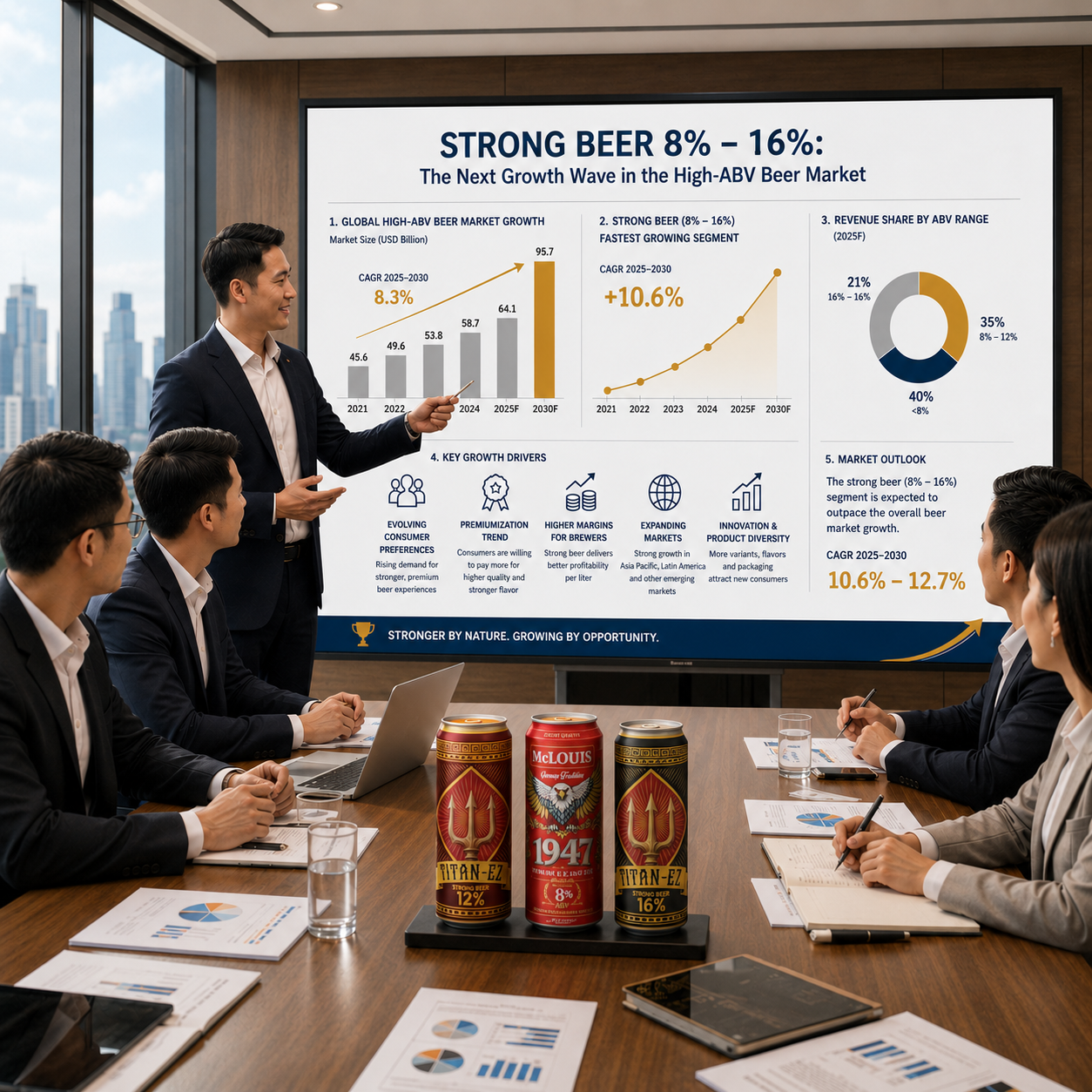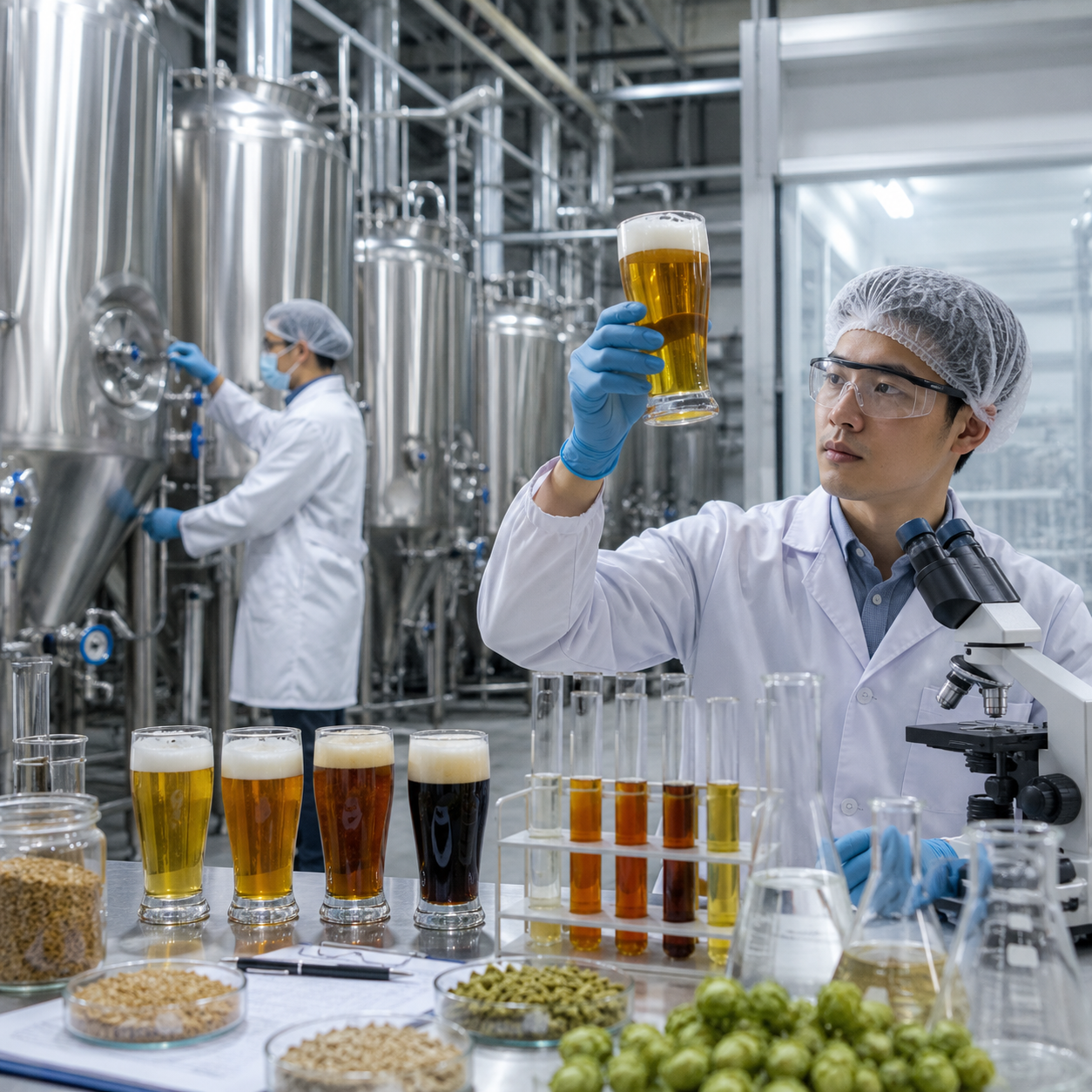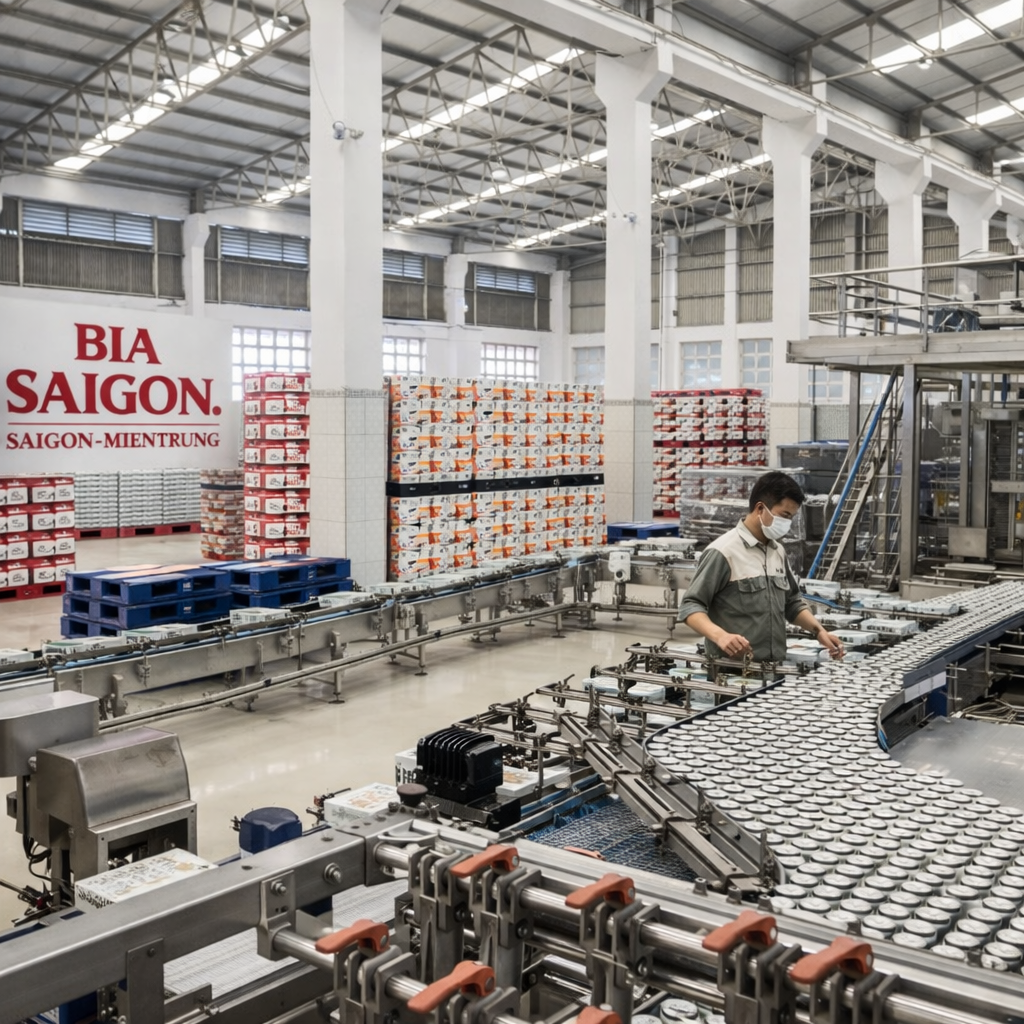


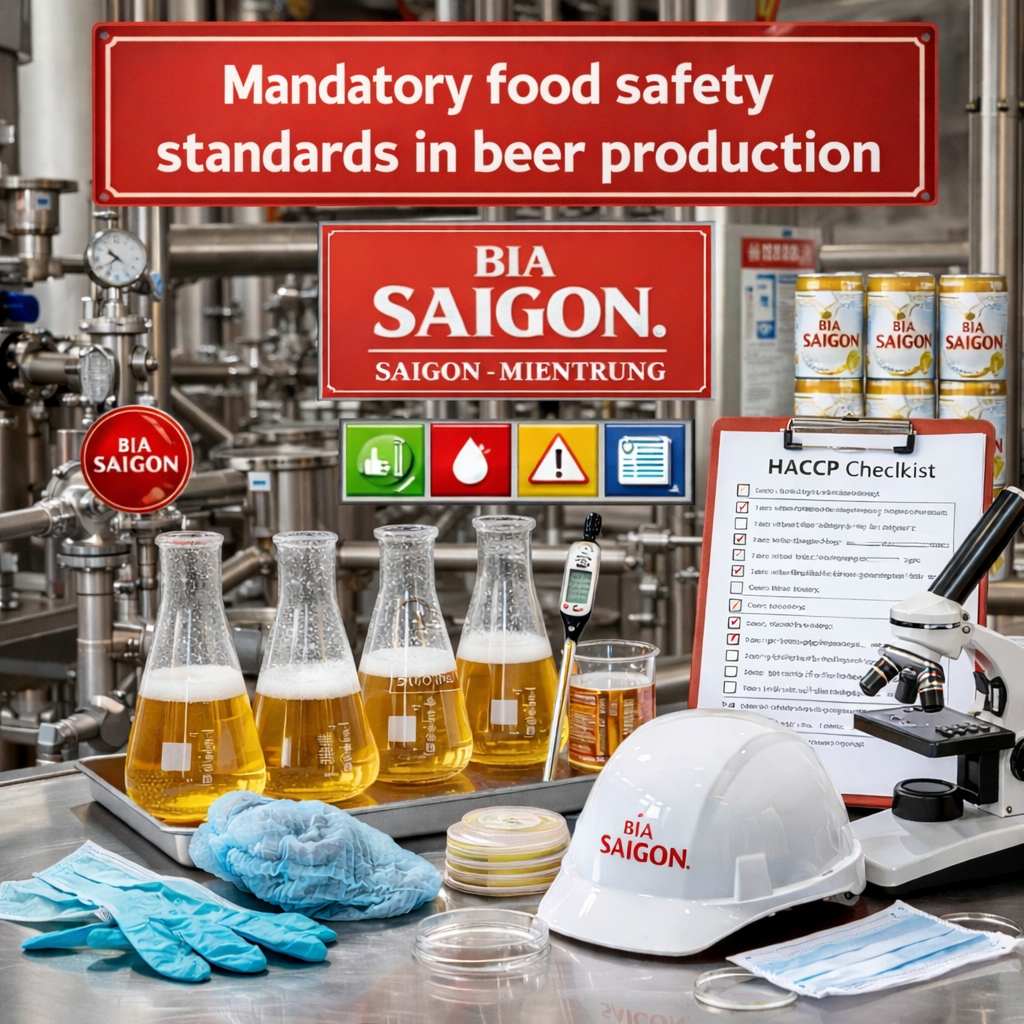
First, water — the component accounting for more than 90% of beer volume — is the most common source of hazards. If the water treatment system does not meet standards, risks related to heavy metals (lead, arsenic), nitrates, or residual microorganisms may enter the product. These hazards cannot be detected through sensory evaluation but will be immediately identified when the product is tested in an independent laboratory by importers.
Second, the fermentation process makes beer directly dependent on microbial activity. In addition to beneficial yeast, the nutrient-rich environment of wort can also become an ideal condition for harmful microorganisms such as Lactobacillus or Pediococcus if the process is not controlled under HACCP principles. These microorganisms may cause slow acidification, off-flavors, or significantly reduce the product’s actual shelf life.
Third, chemical risks in beer production commonly originate from cleaning agent residues in equipment sanitation systems (CIP) or mycotoxins remaining in malt and grains. This group of risks is particularly dangerous because it directly affects consumer health and can result in products being banned from circulation in the EU market.
Therefore, in an increasingly regulated beverage industry, food safety is no longer a minimum compliance requirement but has become a core competitive capability. Modern beer brands must rely on OEM manufacturers with internationally standardized food safety management systems such as SMB to minimize risks and protect long-term brand value.
FSSC 22000 & ISO 22000 – The “Passport” for Vietnamese Beer Exports
Within the ecosystem of food safety standards, FSSC 22000 is considered the highest benchmark for the food and beverage industry. Unlike certifications that focus primarily on end-product inspection, FSSC 22000 emphasizes comprehensive risk management, covering raw materials, processes, personnel, and the operational environment.
Fundamentally, FSSC 22000 is built upon the ISO 22000 framework, combined with prerequisite programs (PRPs) and additional requirements such as Food Fraud management, Food Defense, and product recall planning. This makes FSSC 22000 a common operational language between OEM manufacturers and international retail systems.
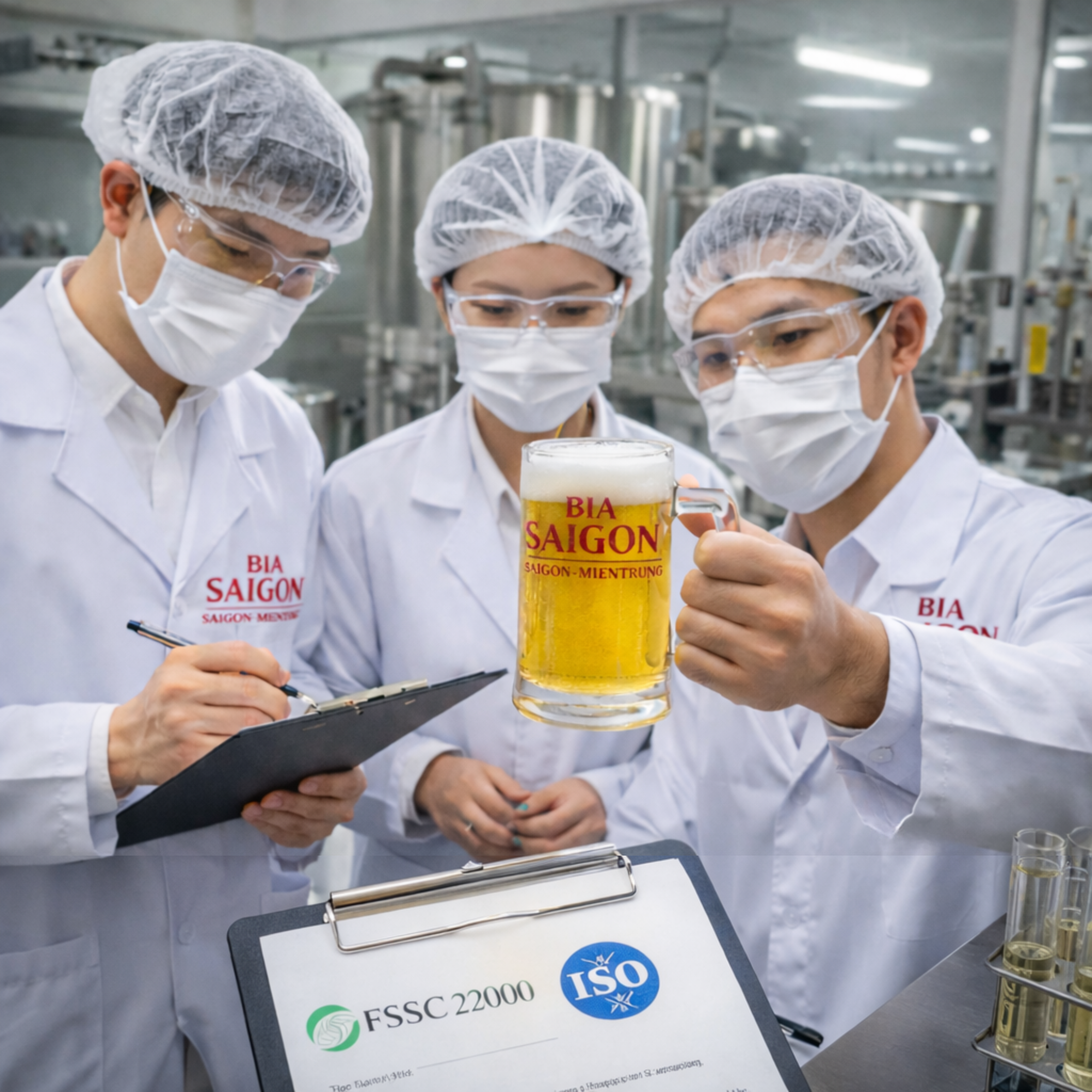
At SMB, FSSC 22000 does not exist merely as documentation but is directly implemented into operations through the identification and control of CCPs (Critical Control Points) across the entire beer production line. For example:
CCP at the RO water treatment stage, where all microbiological and chemical parameters are strictly controlled.
CCP at the rapid wort cooling stage, aimed at preventing uncontrolled microbial growth.
CCP at the isobaric filling process, where dissolved oxygen (DO) is monitored to ensure beer stability.
Each CCP is associated with critical limits, monitoring methods, corrective actions, and documented records. As a result, SMB’s OEM partners not only reduce legal risks but also shorten audit timelines, more easily pass evaluations from EU and UK importers, and benefit from 0% tariff advantages under FTA agreements.
Hazard Control from Raw Materials – The Foundation of Beer Quality
In quality management, there is one unchanging principle: a safe product cannot be created from unsafe raw materials. At SMB, raw material control is considered the first and most important defensive layer within the HACCP system.
For malt and hops, SMB applies a rigorous supplier evaluation process. Each batch of raw materials must include a COA (Certificate of Analysis), accompanied by probabilistic testing in the laboratory. In particular, SMB places strong emphasis on controlling mycotoxins — a common hazard in grains that can seriously impact consumer health if exceeding permitted limits.
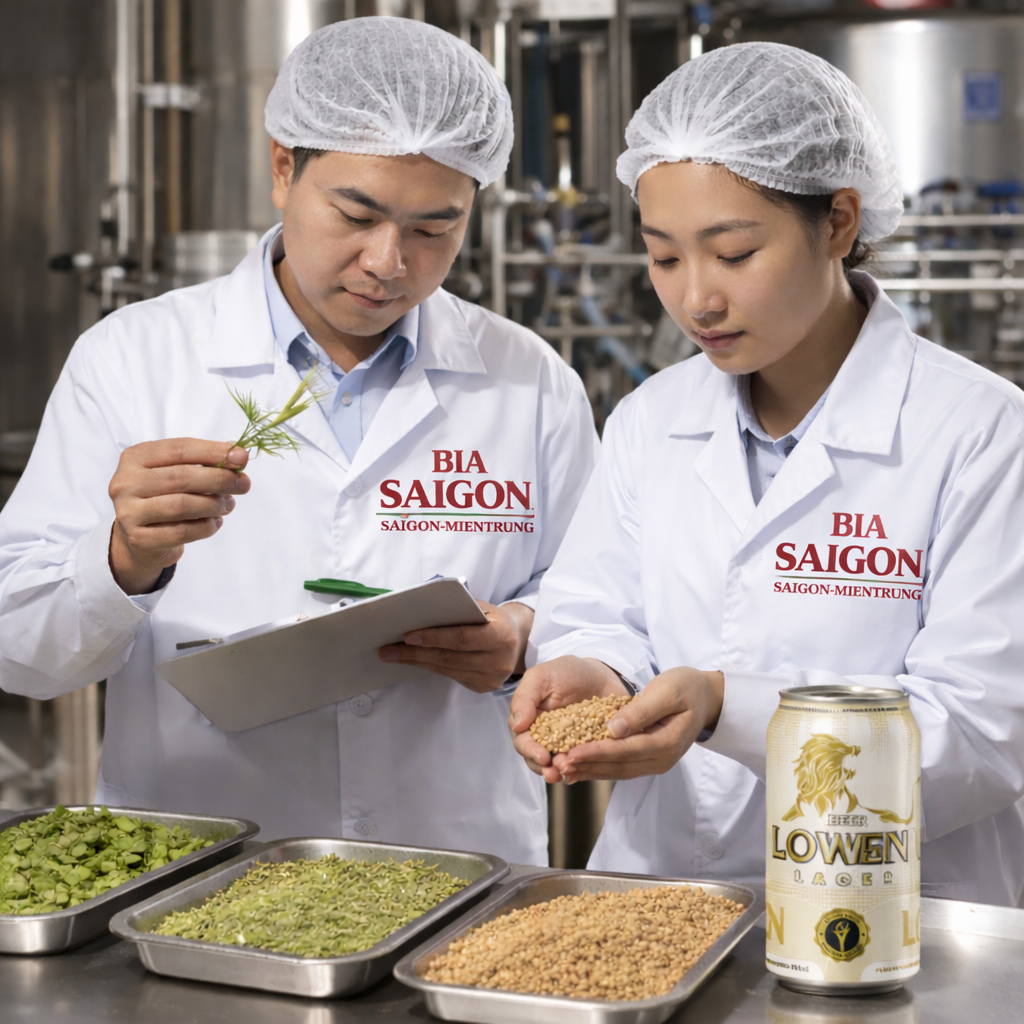
Water — the component accounting for the largest proportion — is treated through a multi-stage RO filtration system, combined with periodic monitoring of heavy metals (Pb, As, Hg) and microbiological parameters. Beyond legally required testing frequencies, SMB also retains reference water samples to support traceability whenever necessary.
A major difference between SMB and many small-scale facilities lies in batch-based raw material management, enabling rapid traceability in the event of an incident. This is particularly critical for export beer brands, where transparency of origin is becoming increasingly stringent.
HACCP, GMP, and the CIP System – Hygiene Control and Cross-Contamination Prevention
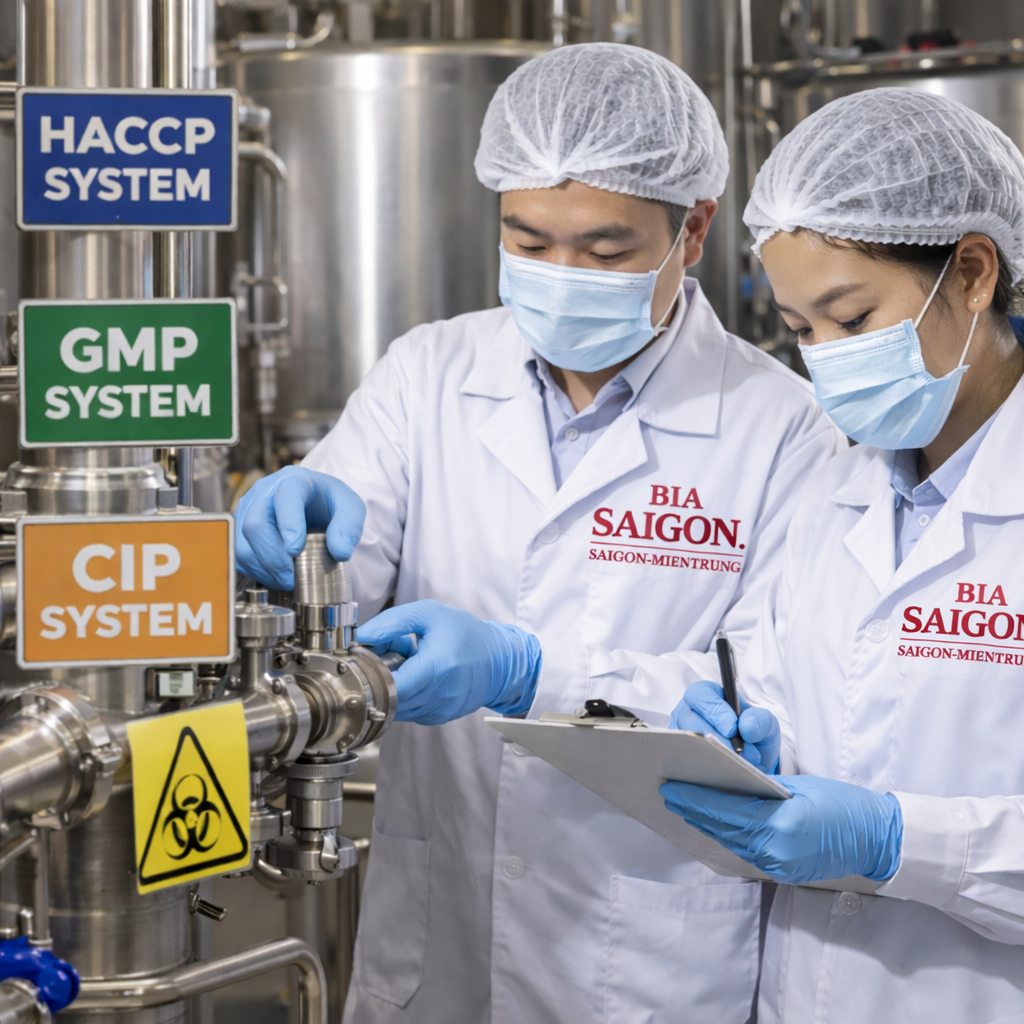
In the beer OEM model, cross-contamination represents the greatest risk, as multiple brands may be produced on the same production line. To control this risk, SMB simultaneously implements HACCP and GMP, with the automated CIP (Cleaning in Place) system playing a central role.
The CIP system at SMB enables:
- Cleaning of brew kettles, fermentation tanks, and closed pipelines without disassembly.
- Precise control of chemical concentration, temperature, and cleaning duration.
- Reduction of risks related to chemical residues or microbial contamination after sanitation.
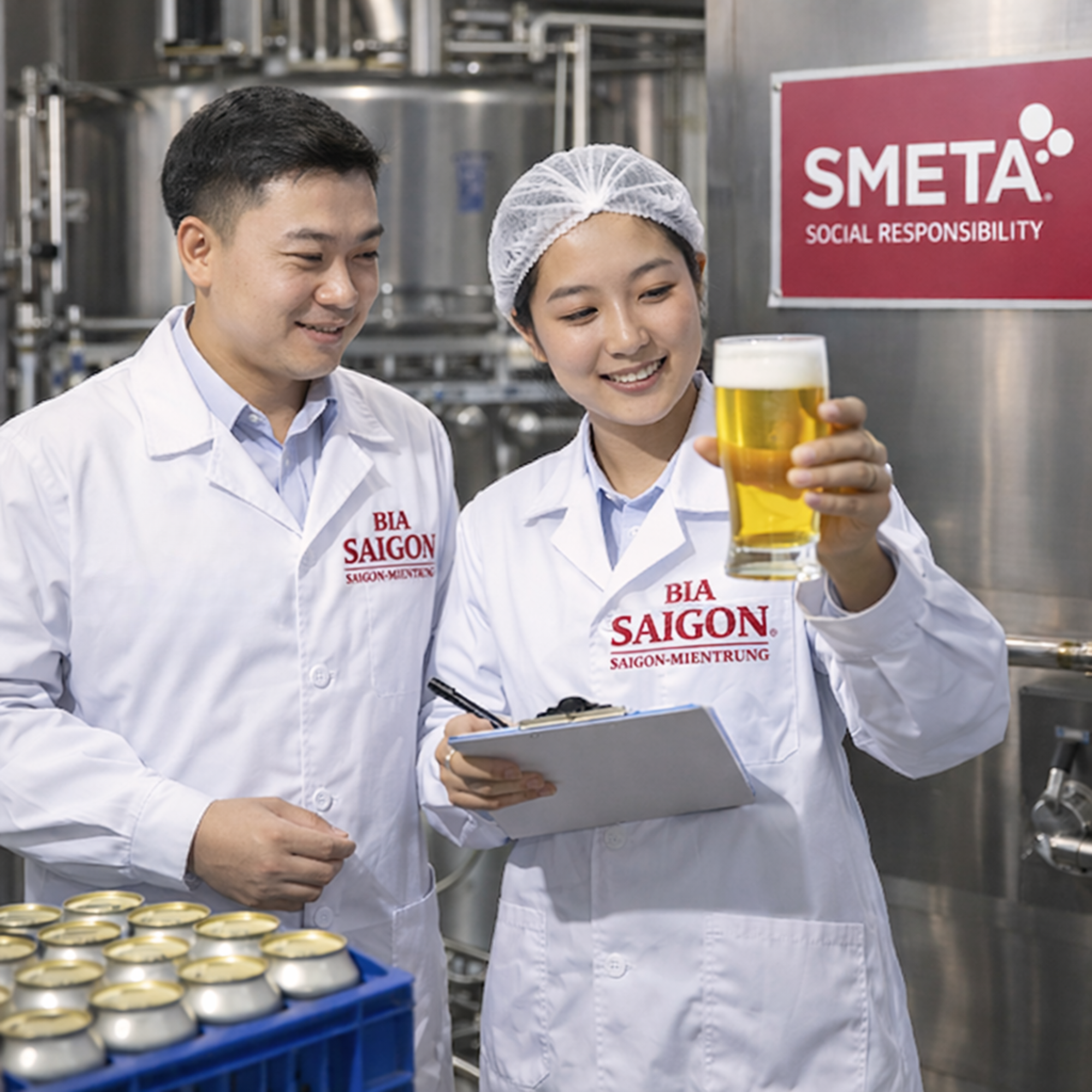
For this reason, many EU and UK importers consider SMETA certification a mandatory requirement when selecting an OEM manufacturer. Achieving this certification not only helps SMB’s partners pass ethical audits but also indirectly enhances the stability of final product quality.
Traceability – A Critical Capability of Modern OEM Manufacturing
In the worst-case scenario — when complaints or quality concerns arise — traceability capability determines the scale of potential damage. SMB implements a batch coding system that enables traceability:
From the beer can on the shelf
Back to the filling shift
Further back to the brewing date and raw material batch
This entire process takes only a few minutes, allowing precise risk containment, avoiding large-scale recalls, and protecting OEM brand reputation. In an environment of increasing transparency requirements, traceability is not only a risk management tool but also a strategic competitive advantage.
In the modern beer industry, food safety is an intangible asset with the greatest long-term value. With structured implementation of FSSC 22000, HACCP, GMP, SMETA, and traceability systems, Bia Saigon Mien Trung is not merely a manufacturing facility but a platform that ensures safety and quality for both domestic and international beer brands.
CONTACT SMB FOR CONSULTATION TODAY
Company: Sai Gon – Mien Trung Beer Joint Stock Company (SMB)
Head Office Address: 01 Nguyen Van Linh Street, Tan An Ward, Buon Ma Thuot City, Dak Lak Province
OEM Consultation Hotline: (+84) 94 1127575
Dedicated Email: Oem@biasaigonmt.com
Official Website: https://oem.biasaigonmt.com/