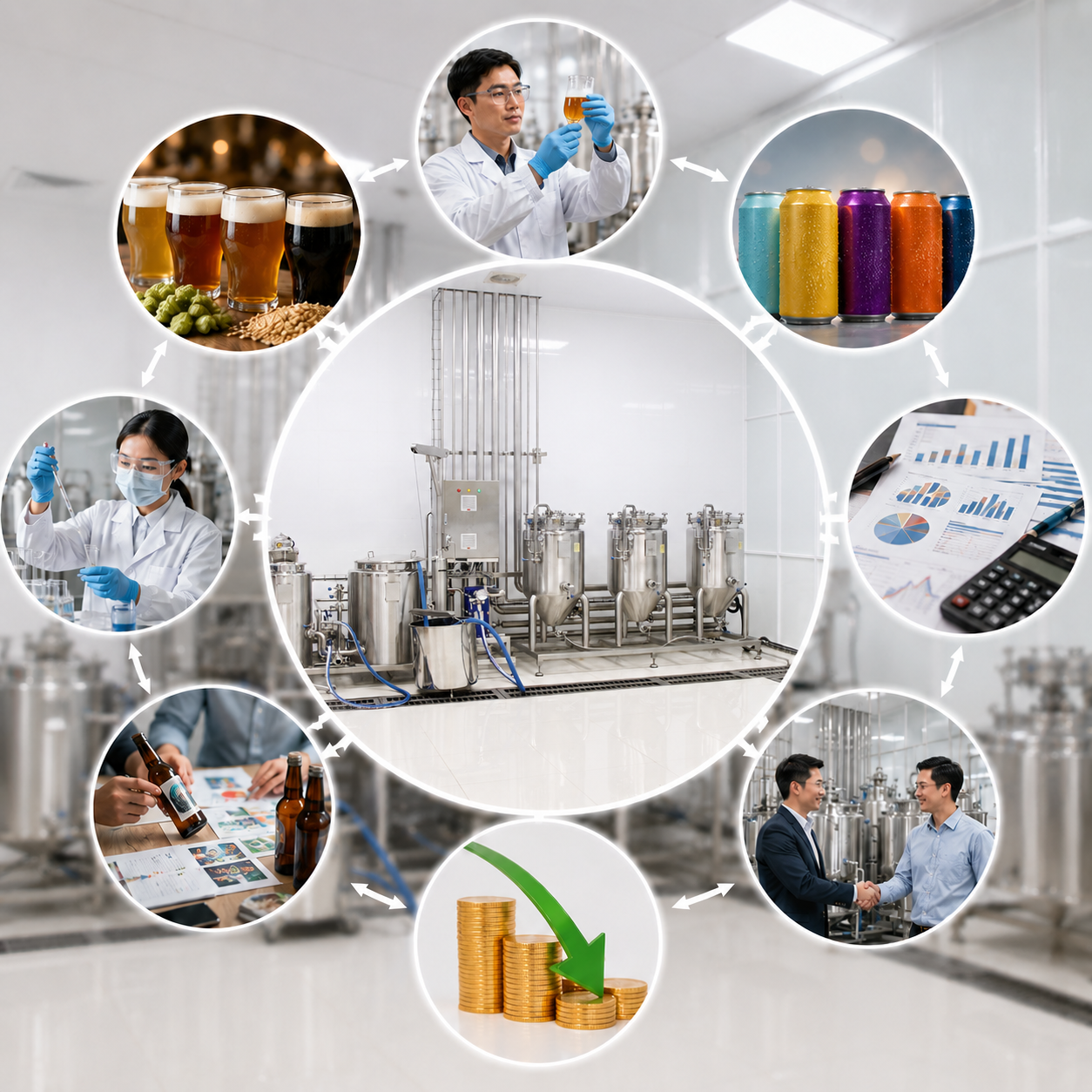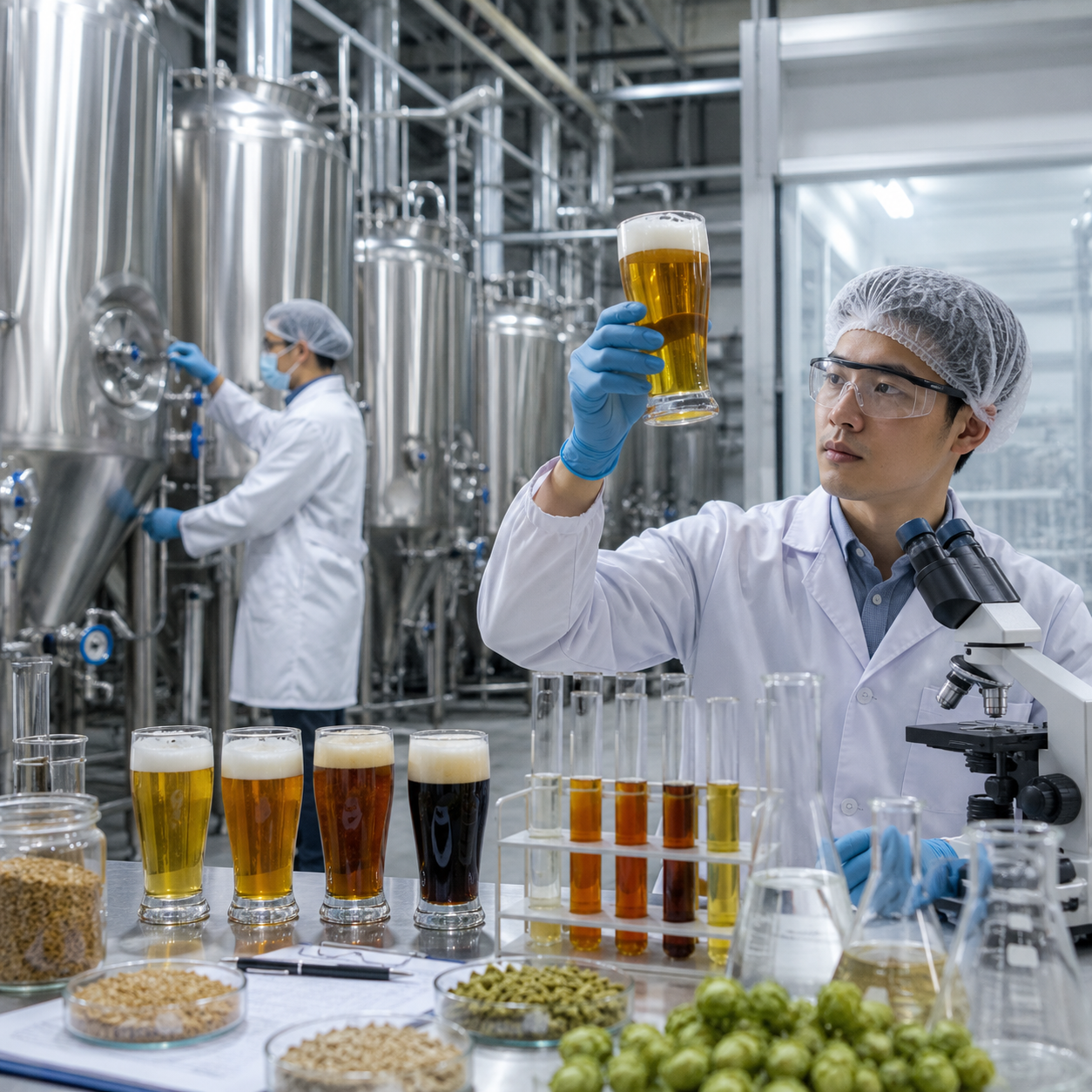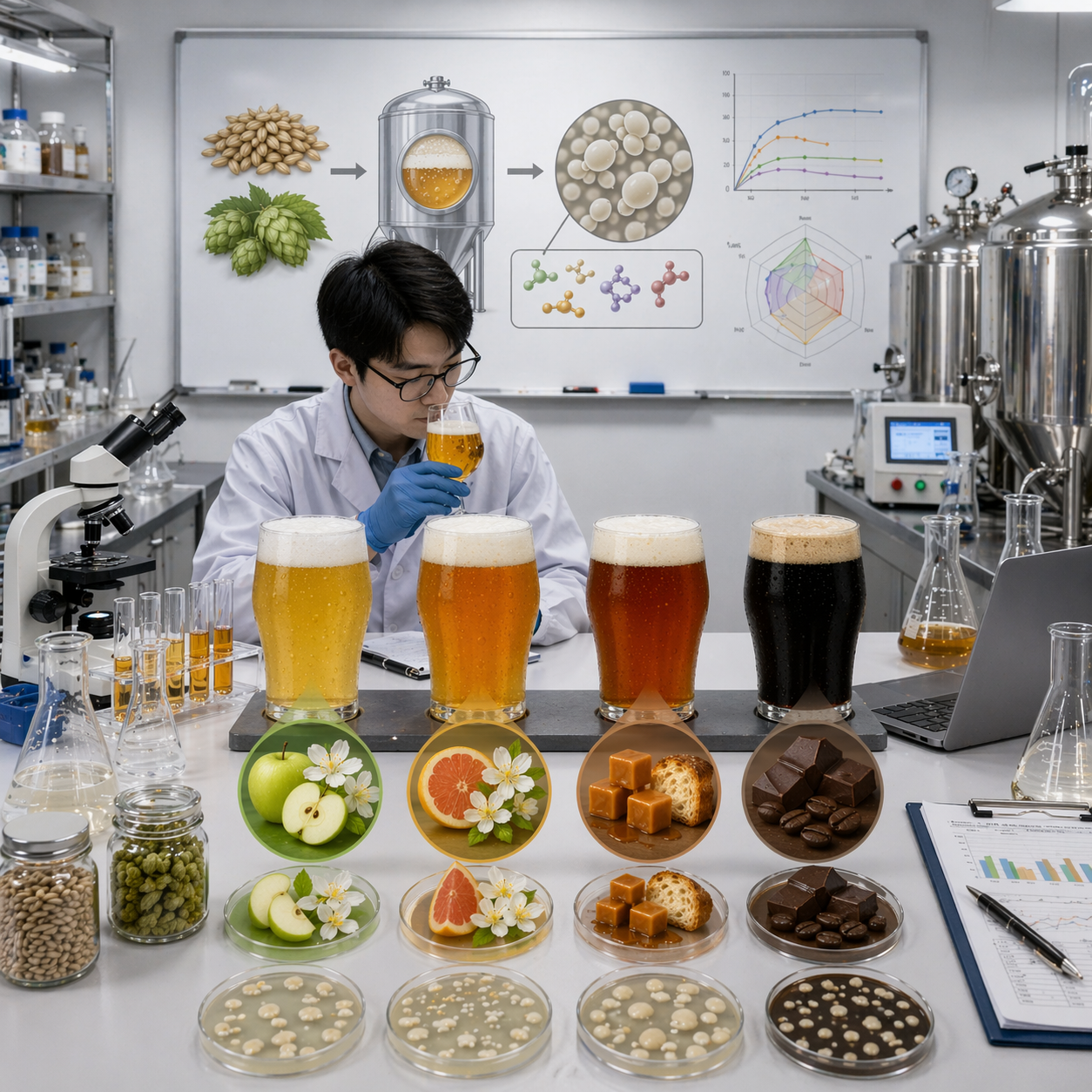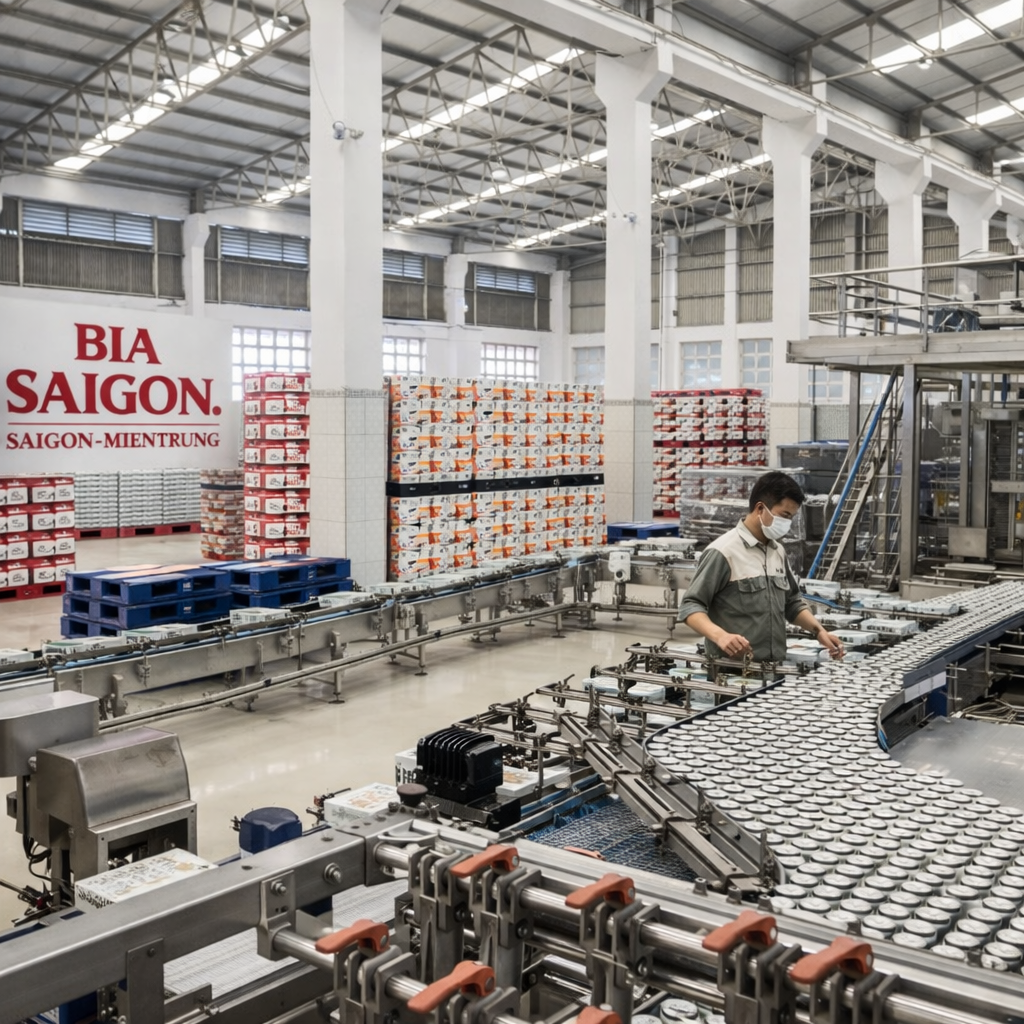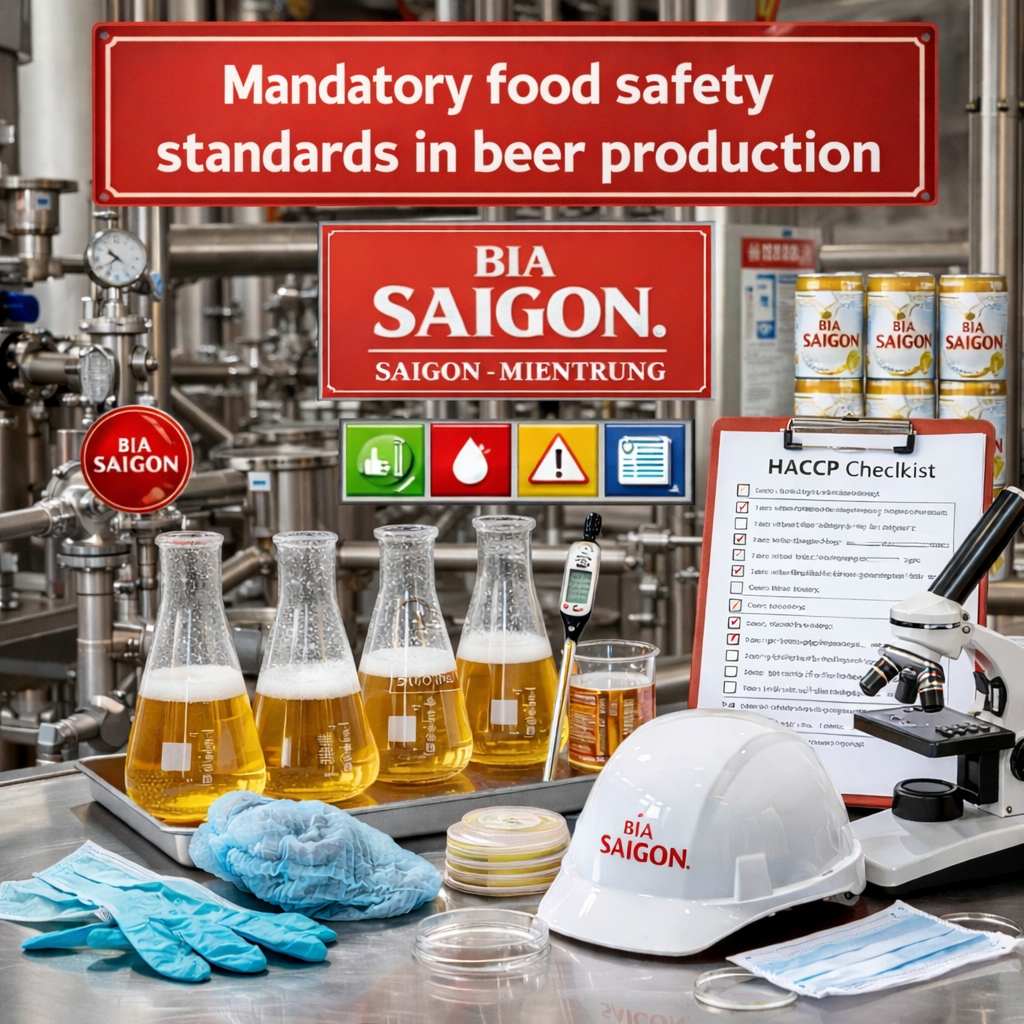


Especially in an international-standard beer OEM model, partnering with a reputable beer OEM manufacturer that already holds certified systems—such as Saigon Beer Central Region Joint Stock Company (SMB)—helps brands significantly shorten the time and cost required to build such systems.
Decoding ISO 22000 and HACCP – What are they and why are they present in breweries?
What is the difference between ISO 22000 and HACCP?
Many people confuse these two concepts.
HACCP (Hazard Analysis and Critical Control Points) is a system for analyzing hazards and establishing Critical Control Points (CCPs) to control risks.
ISO 22000 is a food safety management system standard at the organizational level, integrating HACCP into the overall management structure.
If HACCP is the “risk identification map,” then ISO 22000 is the “operating system” that ensures this map is implemented throughout the entire brewery.
Why is the beer industry microbiologically sensitive?
Beer is a fermented product, which means:
- The production environment always contains yeast
- The risk of microbiological cross-contamination is very high
- Even a minor contamination can spoil an entire fermentation tank of tens of thousands of liters
Therefore, the food safety system in beverage manufacturing, especially in beer production, must be far more stringent than in non-fermented products.
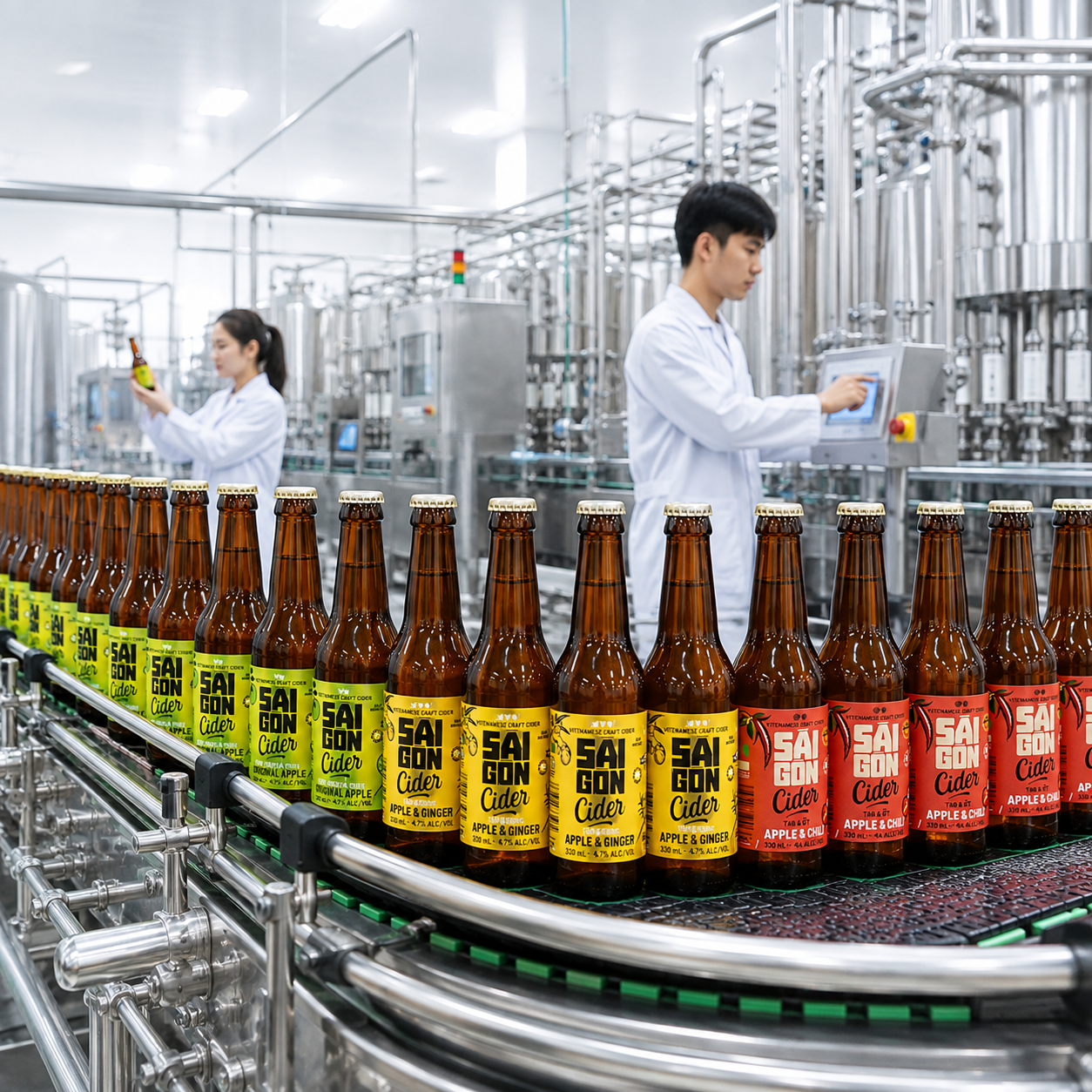
In ISO 22000-certified breweries, every contact point—from water sources, pipelines, and fermentation tanks to packaging areas—is controlled according to defined CCPs.
A “passport” for export markets and modern retail chains
A straightforward reality: without HACCP certification in beer production or an equivalent ISO system, your product will have almost no chance of entering:
- Modern supermarket chains
- 4–5 star hotels
- International distribution systems (EU, USA, Japan)
Retail corporations do not just purchase products—they purchase assurance in risk management systems.
For exports, traceability requirements are mandatory. In the event of an issue, importers must be able to identify precisely:
- Which raw material batch was used
- Which fermentation tank produced it
- Which production shift was responsible
The ISO 22000 system enables traceability through a logical chain, helping businesses protect themselves against international claims.
For brands implementing the beer OEM model, partnering with a manufacturer that already holds certifications—such as Saigon Beer Central Region Joint Stock Company (SMB)—significantly shortens the evaluation time required by distribution partners. This is a competitive advantage not every brewery can offer.
The hidden economic benefits behind certifications
Many believe that implementing ISO and HACCP is costly. However, the long-term financial benefits often far outweigh the initial investment.
Reducing product defect rates
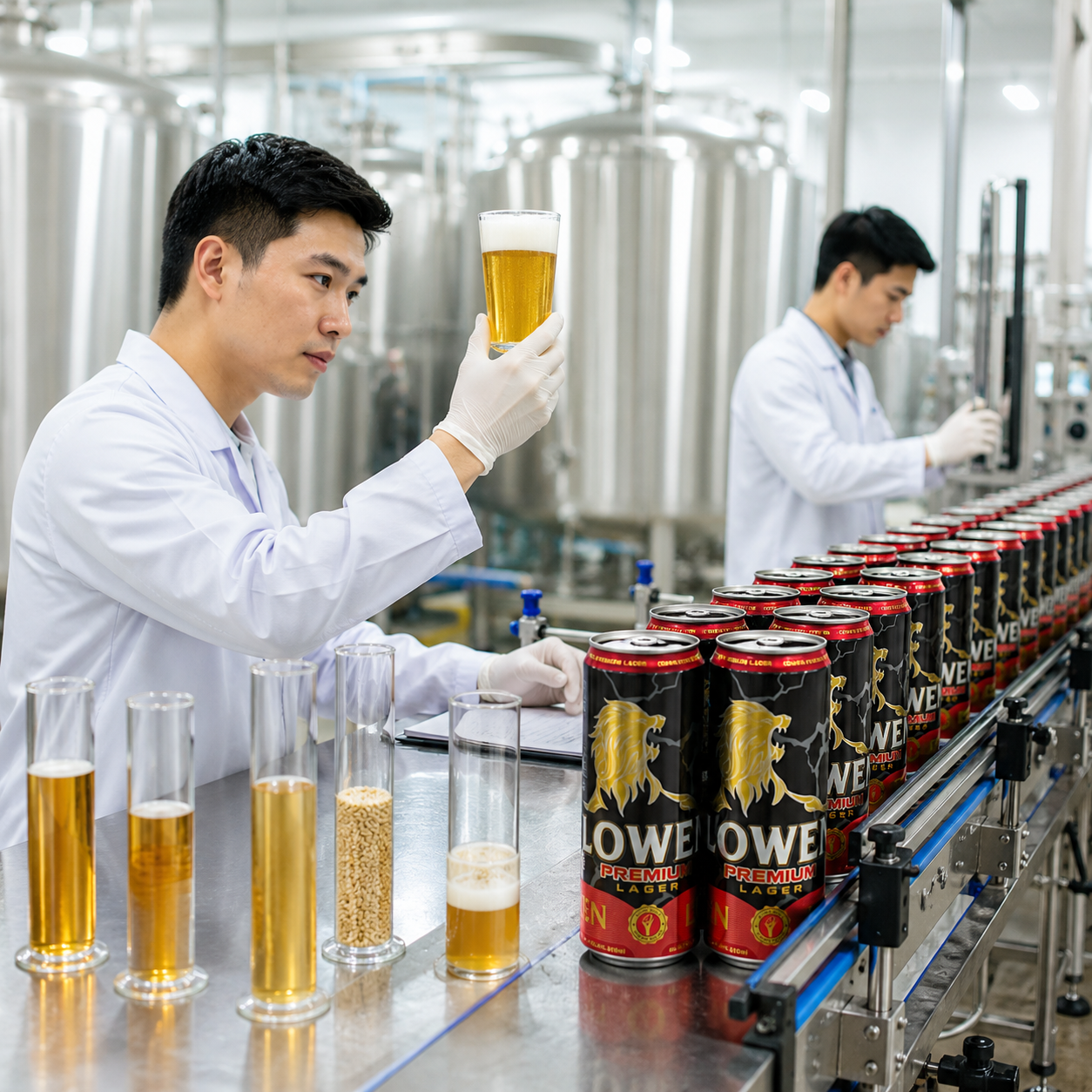
HACCP requires identifying Critical Control Points (CCPs) such as:
- Pasteurization temperature
- Seal integrity of bottles/cans
- Dissolved oxygen (DO) levels
Early control significantly reduces defect rates and prevents large production batch losses.
Optimizing raw material costs
When the brewing process is stable, malt extraction efficiency increases and loss rates decrease. This directly improves profit margins.
Protecting businesses from legal risks
In the food and beverage industry, legal costs can exceed production costs. ISO and HACCP systems provide documented evidence that the company has complied with food safety standards.
This is not just a technical matter—it is a risk management strategy.
If you are considering launching a private label beer brand and need an international-standard beer OEM partner with full certifications:
📞 OEM Consultation Hotline: (+84) 94 1127575
📧 Email: pmhxnksmb@biasaigonmt.com
Practical implementation of ISO/HACCP in an OEM brewery
Implementing ISO and HACCP is not just about documentation.
Water control
Water must be regularly analyzed for physicochemical and microbiological parameters. Filtration and disinfection systems must have verified inspection records.
CIP system (Cleaning In Place)
Pipelines, fermentation tanks, and filling equipment are cleaned using automated CIP systems. Each cycle records data on temperature, time, and chemical concentration.
Personnel control
Staff must be trained in food safety standards, wear protective uniforms, and comply with controlled access to production areas.
Traceability
Each beer batch has a unique code linked to raw materials and production records.
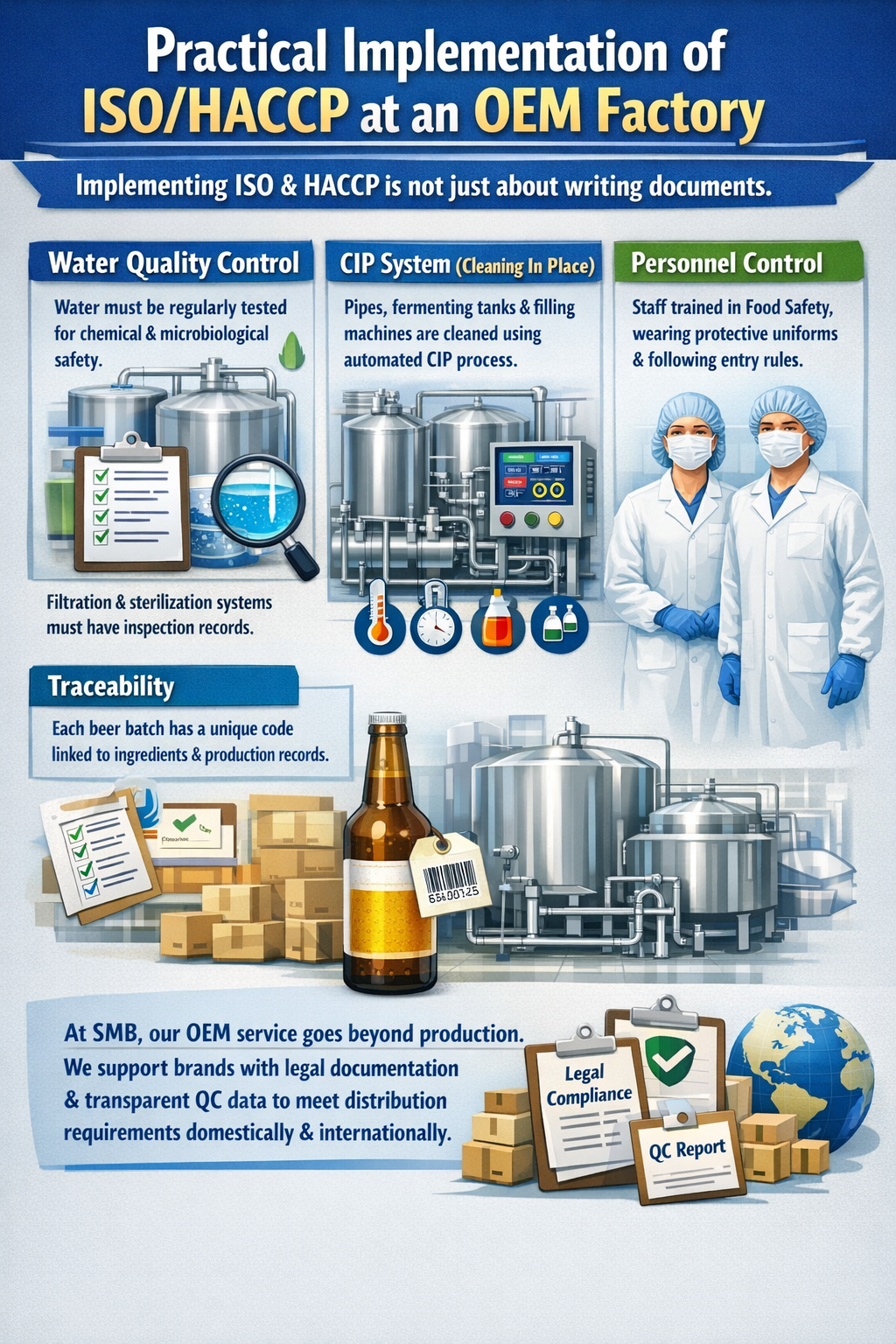
At SMB, beer OEM services go beyond production, including support for brands in building legal documentation and ensuring transparent QC data, helping partners meet distribution requirements both domestically and internationally.
Investing in standards is investing in long-term sustainability
For private label beer brand owners, there are two options:
- Build a brewery and implement ISO/HACCP systems independently
- Partner with a reputable beer OEM manufacturer that already holds certifications
From a strategic perspective, the second option helps save initial investment costs and reduce operational risks.
How to leverage certifications for marketing
ISO and HACCP are not just internal documents. They can be communicated as:
- A commitment to food safety standards
- Proof of international quality certification
- A foundation for beer export readiness
As consumers increasingly value quality and transparency, having products manufactured in an ISO 22000-certified brewery becomes a strong marketing advantage.
ISO and HACCP – Not a cost, but a strategy for defense and growth
In a highly competitive environment with increasing legal risks, ISO and HACCP are no longer optional—they are essential requirements.