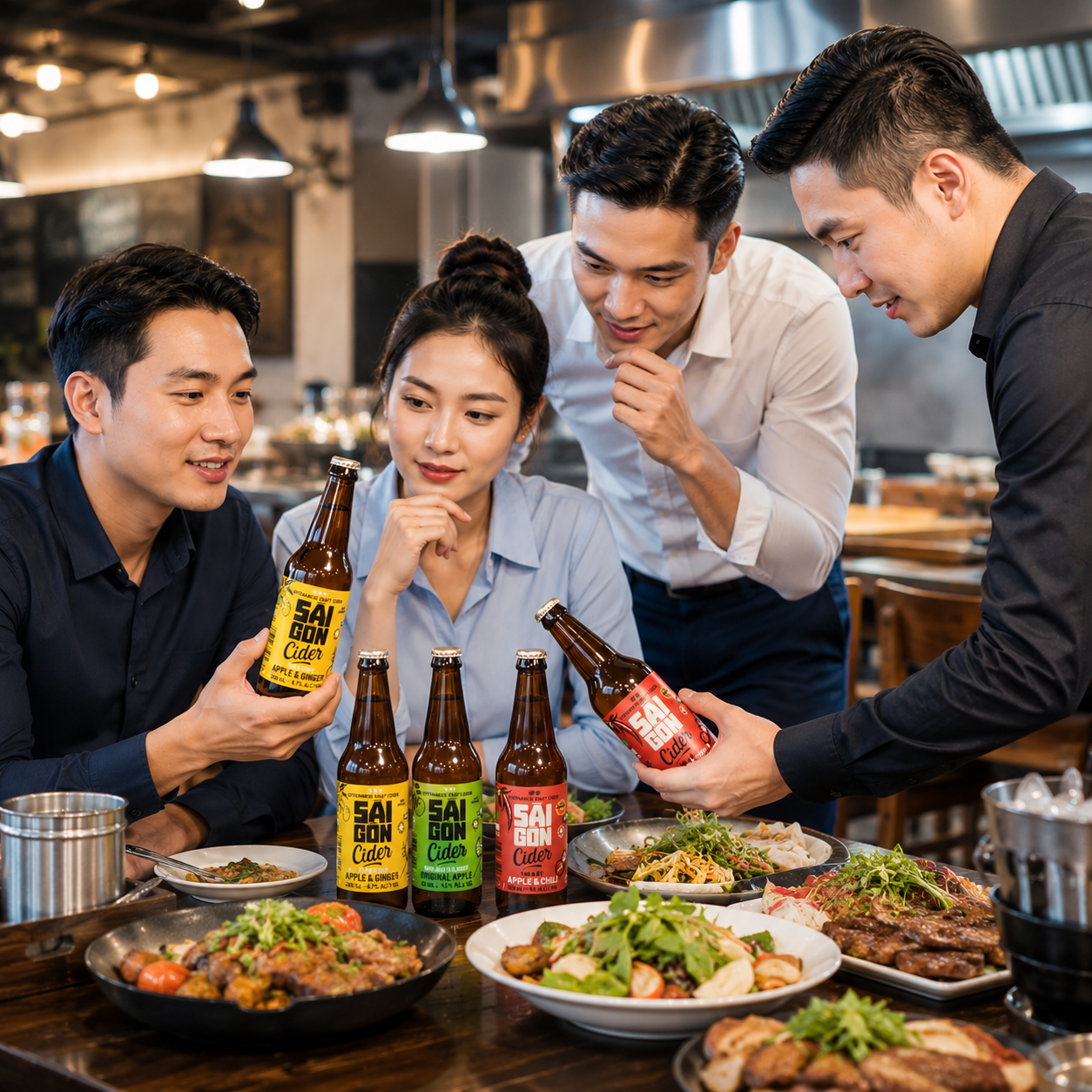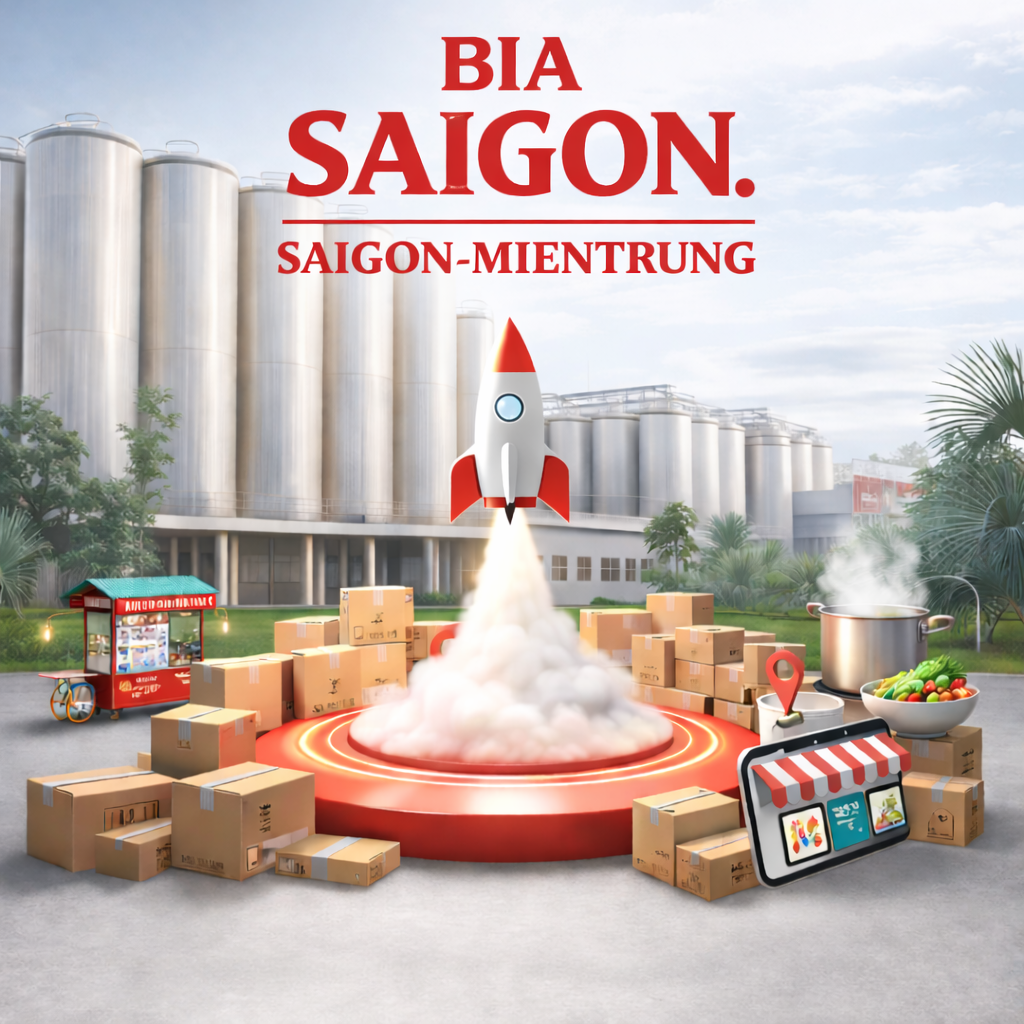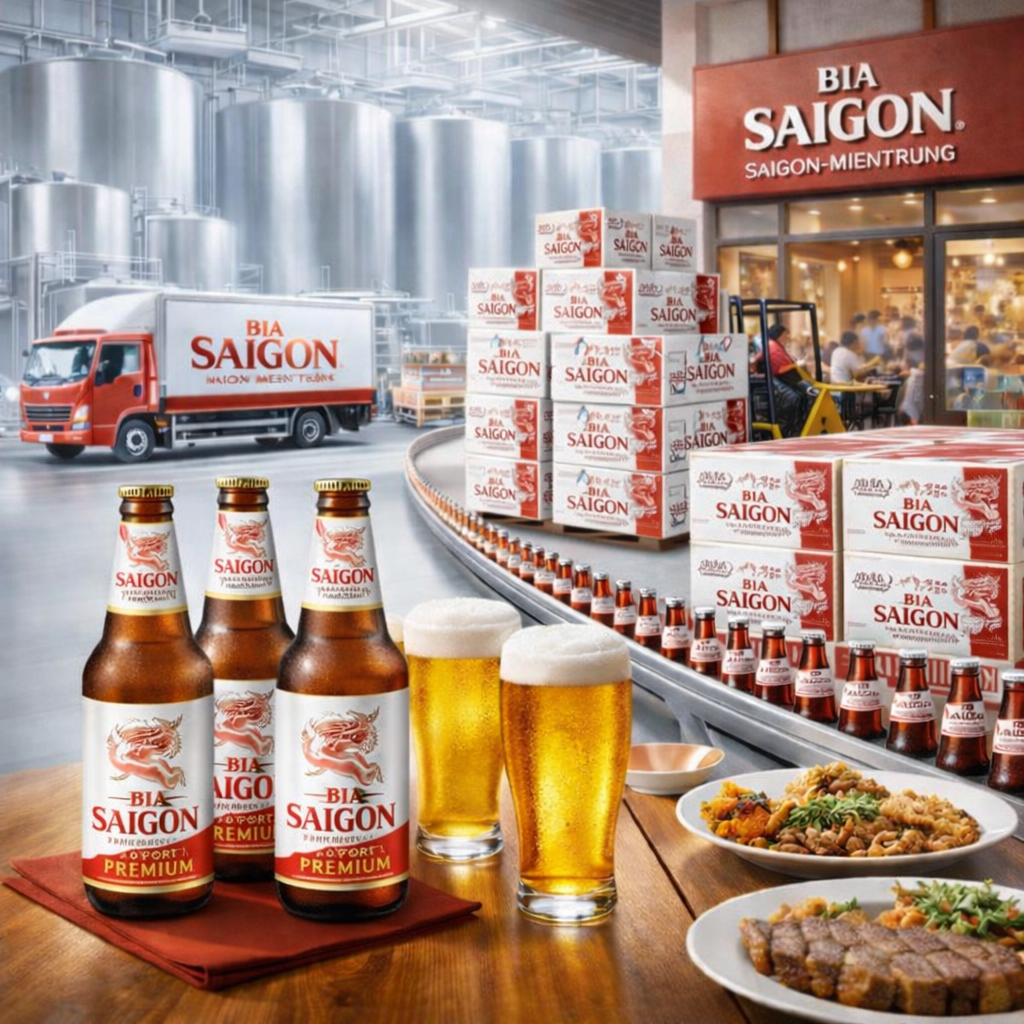



This trend is not only occurring in Europe or North America but is also spreading across Asia, including Vietnam. Many local businesses, restaurant chains, hotels, and distribution companies are beginning to consider developing their own private label beer.
This shift raises an important question: Should local businesses create their own beer? To answer this, it is necessary to look at the broader picture of the global beer industry, as well as how businesses today are leveraging the OEM production model to enter the market.
Global private label beer trend
Worldwide, beer is not only a popular beverage but also a culturally significant industry. In many countries such as Germany, Belgium, the United States, and Japan, beer is closely tied to local identity and regional stories.
In recent years, the craft beer and local beer movements have grown rapidly. In the United States, the number of breweries has increased to thousands of facilities, many of which are small brands serving regional markets. Consumers are increasingly interested in products with unique stories that reflect lifestyle or local culture.
At the same time, another model has also developed quickly: private label beer (Private Label Beer). Many restaurant chains, retail systems, and distribution companies now own beer product lines under their own brands. These products are typically manufactured by professional breweries under a contract production model.
Thanks to this model, businesses can enter the beer industry without building their own factories. They can focus on branding, product design, and distribution systems, while production is handled by breweries with established industrial capacity.
This trend has become an important part of the global beer industry and is increasingly common in many developing countries.
Traditional barriers in the beer industry
Although the beer industry has a large market, it also has very high entry barriers. To build a complete brewery, a business must invest in modern brewing equipment, including brewhouses, fermentation tanks, filtration systems, filling lines, and packaging systems.
In addition to equipment costs, a brewery also requires water treatment systems, microbiological laboratories, raw material storage facilities, and temperature control systems. These factors ensure consistent beer quality and compliance with food safety standards.

In addition, operating a brewery requires a team of technical experts and strict quality management processes. International standards such as ISO 9001, ISO 22000, and HACCP are commonly applied to ensure product quality and safety.
For this reason, building a brewery independently often requires significant investment and a long payback period. This is why many businesses, especially local enterprises, seek a more flexible path to develop their own beer brand.
Beer OEM model – a growing trend in the modern beverage industry
OEM (Original Equipment Manufacturer) is a model in which one company manufactures products for another company’s brand. In the beer industry, this model allows businesses to develop private label beer without owning a brewery.
The brewery handles the entire technical process, including recipe development, brewing, quality control, and packaging. Meanwhile, the brand-owning business focuses on branding, marketing, and distribution network development.
Thanks to the OEM model, many companies worldwide have successfully developed their own beer product lines without investing in production infrastructure.
In Vietnam, this trend has also been growing rapidly in recent years, especially as large breweries have started offering beer contract manufacturing services to businesses.
The role of OEM breweries in the beer industry
One of the typical companies in this field is Saigon Beer – Central Region Joint Stock Company (SMB). This company is a member of the Sabeco system, with many years of experience in beer production and a modern brewery system in the central region.
SMB operates large-scale breweries with fully integrated production lines, from brewing, fermentation, and filtration to filling and packaging. The company’s production system follows international quality management standards such as ISO 9001, ISO 22000, and ISO 14001, ensuring that beer products meet safety and consistency requirements.
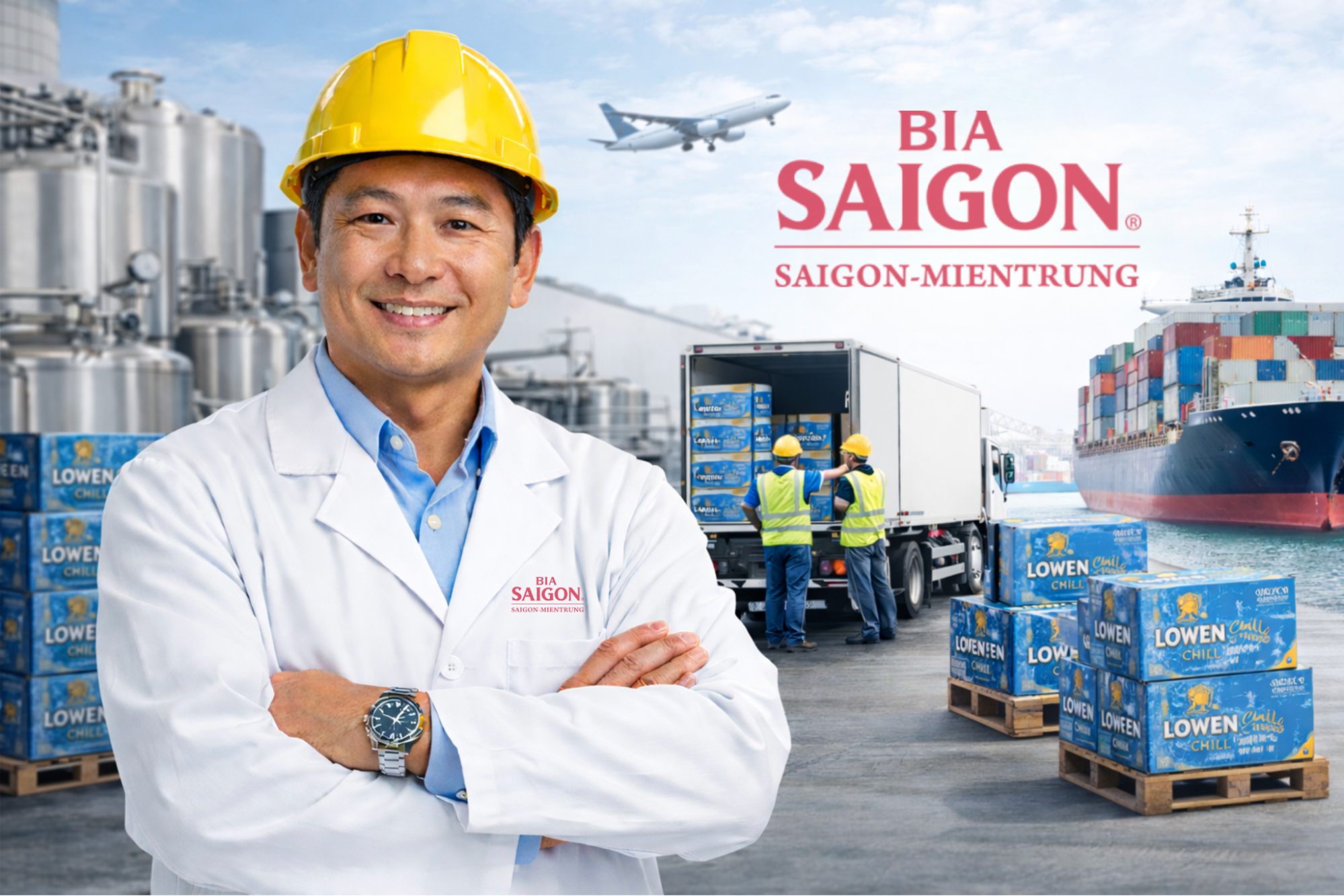
In addition to producing traditional beer brands, SMB also provides beer OEM services, supporting businesses in developing private label beer. This service covers multiple stages, from recipe research, product testing, and packaging design to mass production.
With its large-scale production capacity and extensive experience in the beer industry, SMB can become a manufacturing partner for many private label beer projects both domestically and internationally.
When should local businesses develop their own beer?
Developing private label beer is not always suitable for every business. The success of a beer project depends on many factors, the most important being the market and distribution system.
Businesses that already have an established customer base or distribution network often have a significant advantage when launching their own beer brand. Examples include restaurant chains, hotels, and beverage distribution companies. In such cases, private label beer can become a strategic product that increases profit margins and creates differentiation.
Additionally, regions with strong tourism potential can develop beer as part of the local cultural experience. When a product is associated with regional storytelling, beer becomes not just a beverage but also a distinctive local specialty.
During implementation, partnering with a brewery that has strong production capabilities and industry experience, such as Saigon Beer – Central Region, helps businesses significantly reduce risks related to technical processes, quality, and operations.
Private label beer – a strategic opportunity in the modern beverage industry
The trend of developing private label beer is taking place worldwide, from long-established beer markets in Europe to emerging economies in Asia. The growth of the OEM model has significantly lowered barriers to entry in the beer industry, creating opportunities for many businesses to participate in the market.
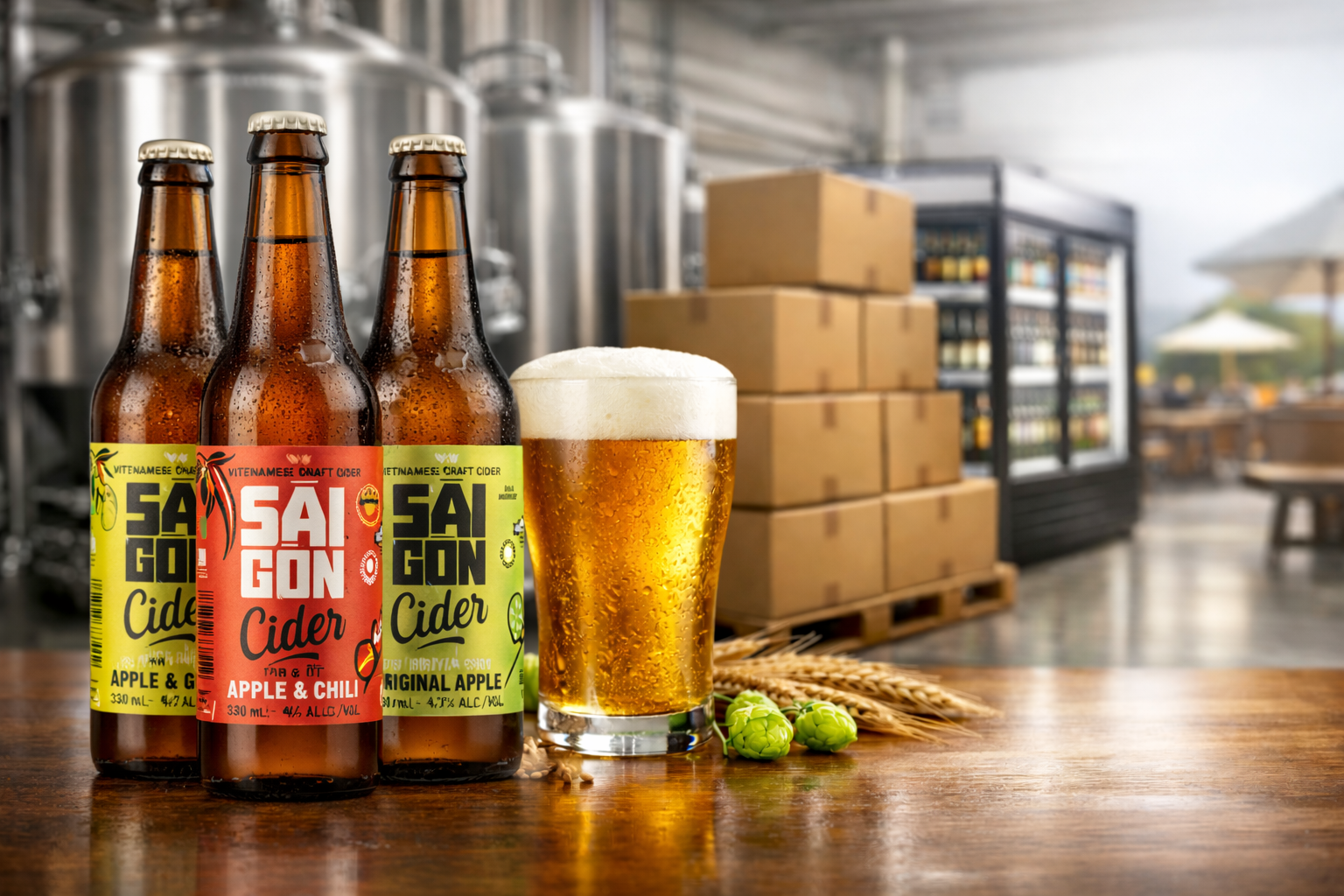
In Vietnam, with the support of large-scale breweries such as Saigon Beer – Central Region, local businesses can develop their own private label beer without investing in a brewery.
However, like many other consumer goods industries, the success of a beer brand does not rely solely on the product but also depends on branding strategy, market development capability, and the distribution system.
If implemented effectively, private label beer is not just a new product but can become a valuable brand asset, helping elevate a company’s position in the competitive beverage industry.
Contact for private label beer development consultation
If your business is considering developing private label beer (Private Label Beer) or wants to learn more about the beer OEM model, partnering with an experienced brewery with strong production capacity is a critical factor.
Saigon Beer – Central Region Joint Stock Company (SMB) currently provides full-service beer OEM, covering recipe development, product testing, packaging design, as well as production and packaging under your own brand.
With a modern brewery system, international quality standards, and many years of experience in the beer industry, SMB can accompany businesses in building and developing a sustainable private label beer brand.
Learn more about beer OEM services by contacting:
Company: Saigon Beer – Central Region Joint Stock Company (SMB)
Address: 01 Nguyen Van Linh Street, Tan An Ward, Buon Ma Thuot City, Dak Lak Province
OEM Consultation Hotline: (+84) 94 1127575
Email: oem@biasaigonmt.com
Website: https://oem.biasaigonmt.com/