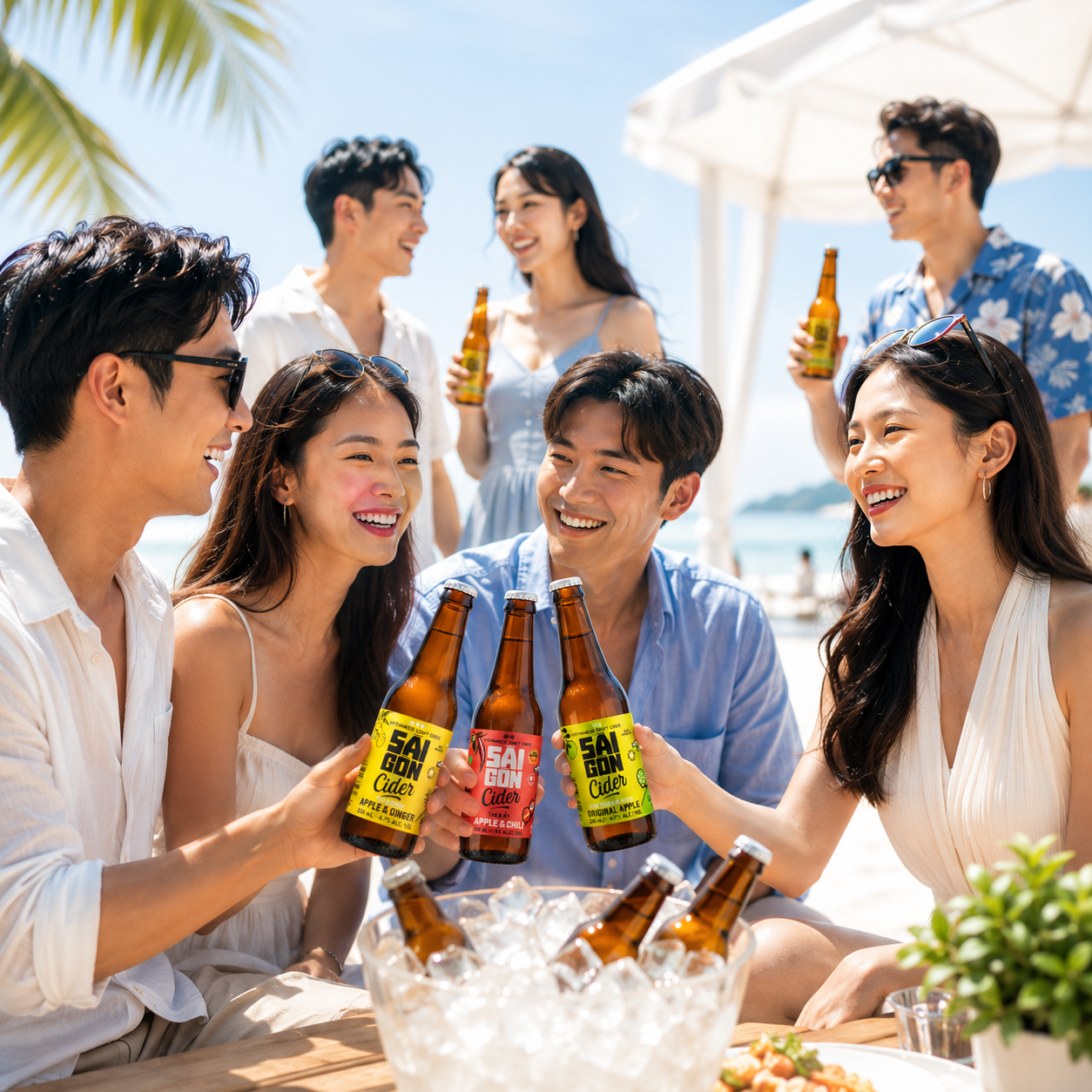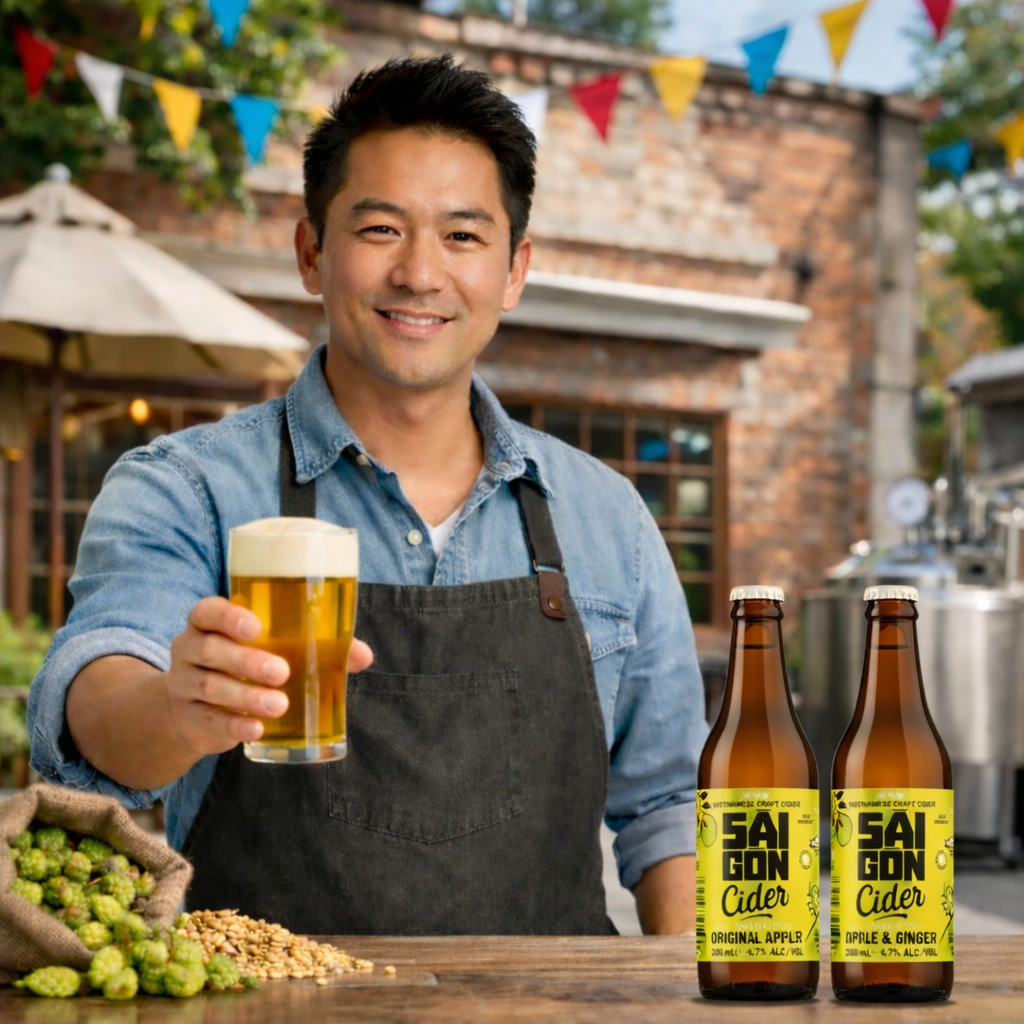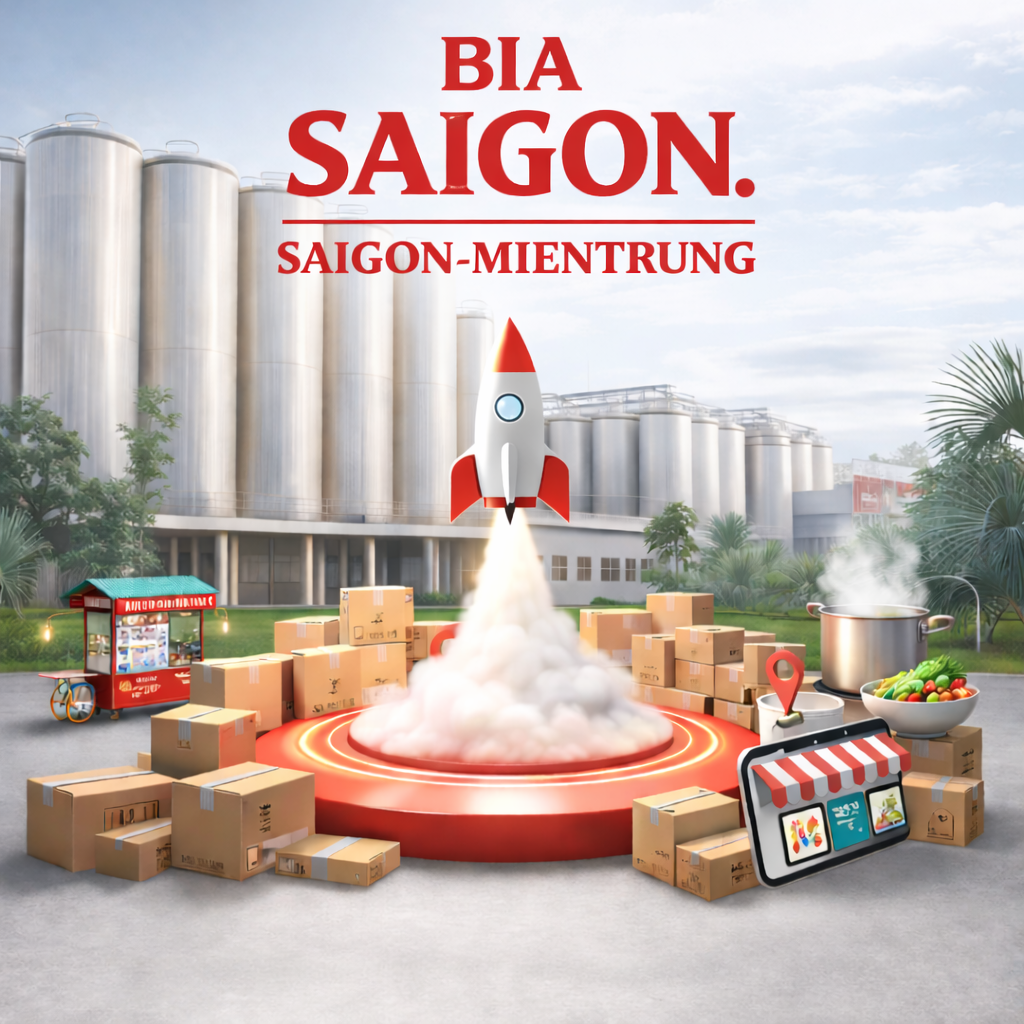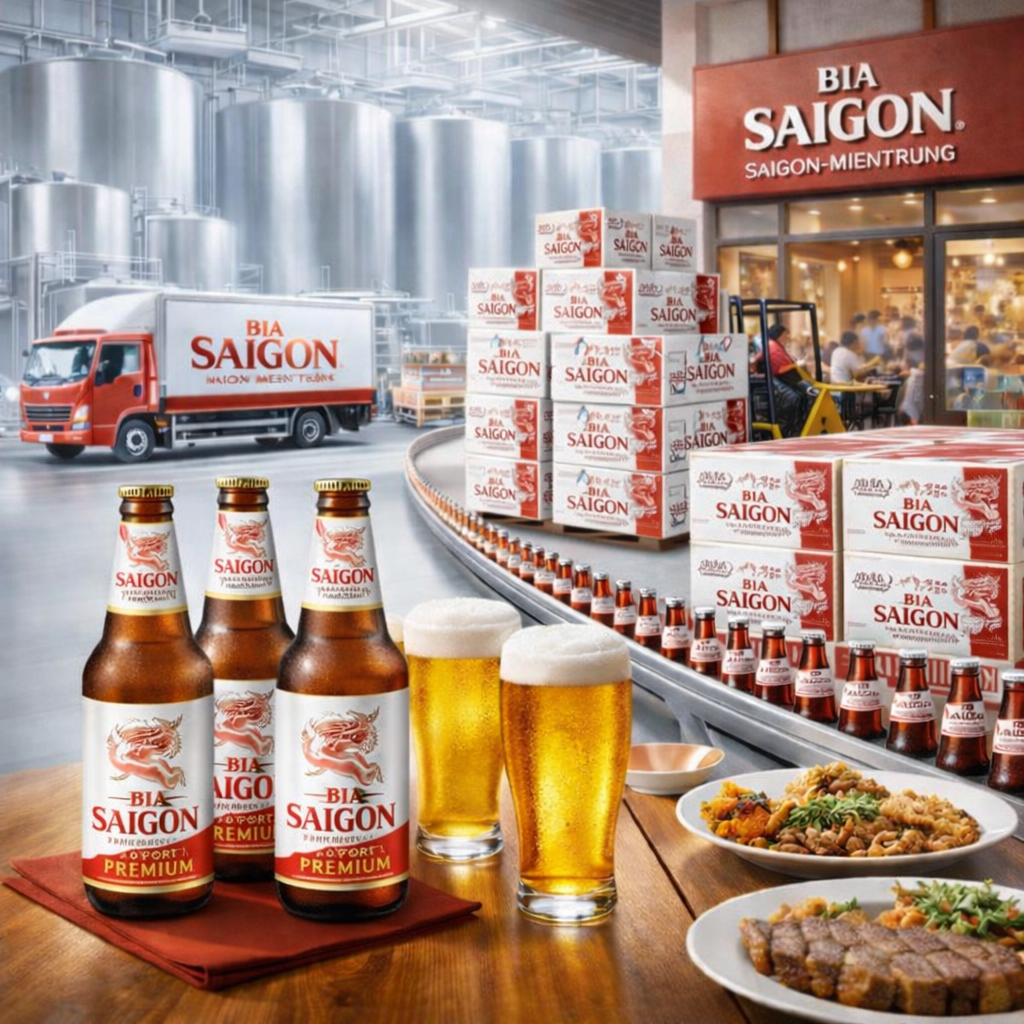


Many F&B chains in Europe, the United States, and Japan have successfully launched their own private label beer to serve their customers. This raises an interesting question for the Vietnamese market: Is OEM beer for F&B chains a strategic opportunity or a challenging endeavor?
To answer this question, it is necessary to examine the transformation of the global beer industry, the role of beer in the F&B experience, and how businesses today are leveraging the OEM model to develop products.
When beverages become part of brand strategy
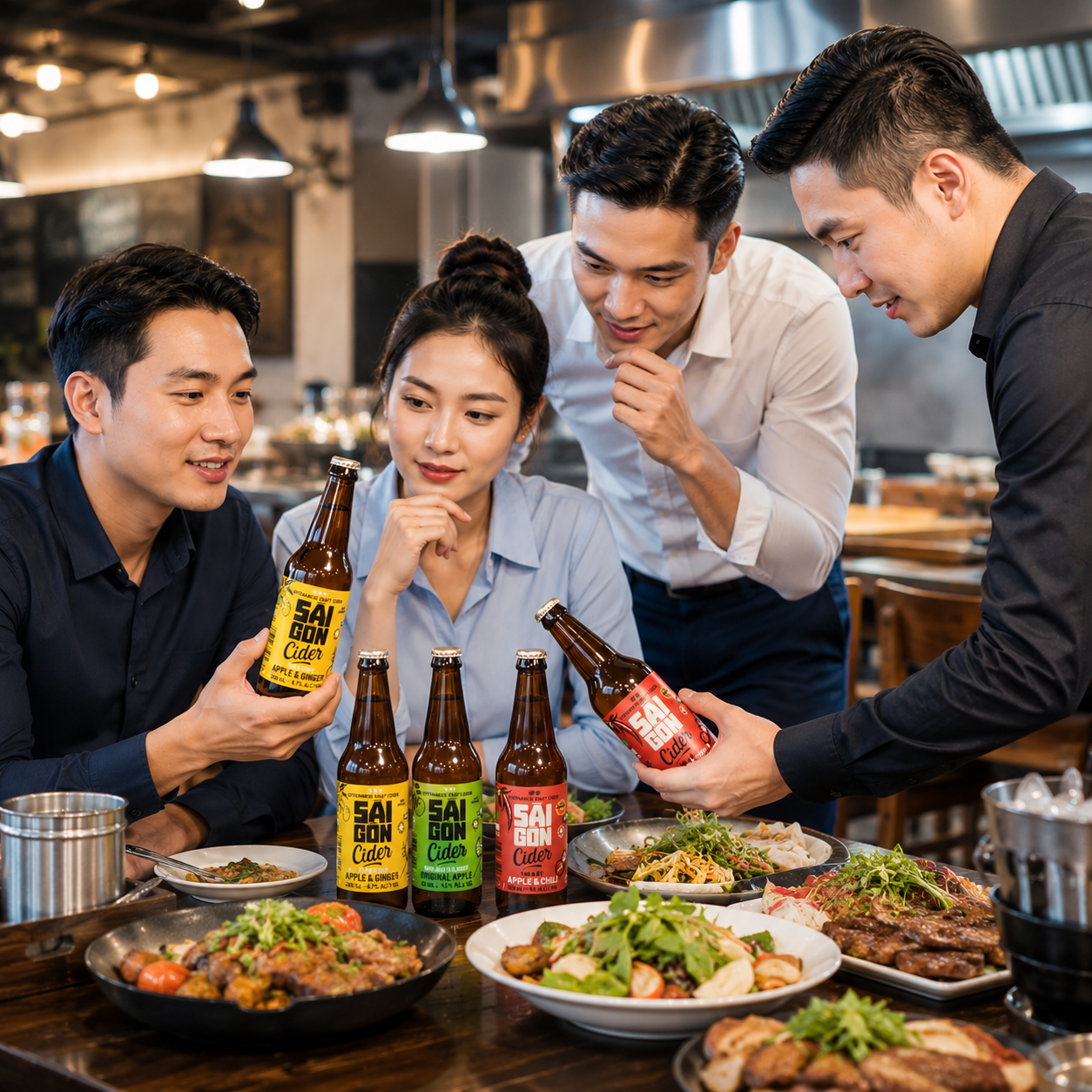
In the restaurant and food service sector, beverages have always played an important role in the customer experience. A well-paired beer can complete a meal, create a social atmosphere, and increase customer dwell time.
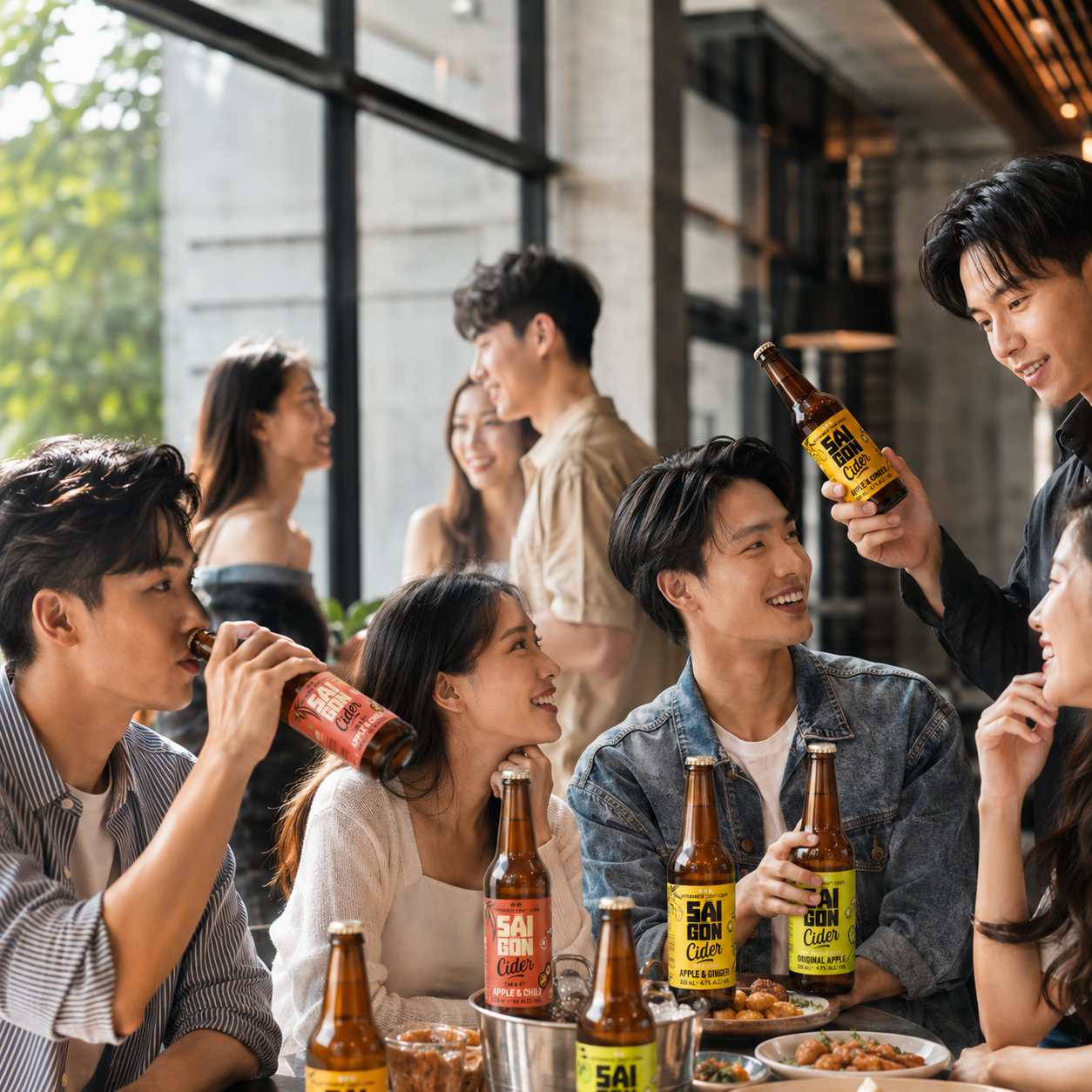
In many developed markets, beer is no longer just an add-on product but has become part of the brand story. Many restaurant chains have developed their own beer lines to serve their customers. When customers enter a restaurant, they not only enjoy the food but also experience a type of beer that reflects the brand’s identity.
This shift reflects a broader trend in the F&B industry: businesses are not just selling products but are building an ecosystem of brand experience. Within this ecosystem, beer can become a key element that enhances differentiation.
For F&B chains, owning a private label beer also brings commercial advantages. Exclusive products help businesses better control profit margins while avoiding direct competition with mainstream beer brands in the market.
However, to develop a beer line, F&B chains must overcome a major barrier: production capability.
Production barriers – why many F&B chains hesitate to create their own beer
Beer production is a complex industrial process. To build a complete brewery, a business must invest in brewing systems, fermentation tanks, filtration systems, and filling and packaging lines. In addition, there are quality control systems, microbiological laboratories, and highly skilled technical teams.
For an F&B chain, investing in a brewery is often not a practical choice. The capital investment is substantial, while production capacity may far exceed the actual demand of the restaurant system.
Moreover, operating a brewery requires in-depth knowledge of food technology and production management, which is entirely different from running restaurants or food service chains.
Therefore, despite the appeal of developing private label beer, many F&B chains remain hesitant due to the complexity of entering an industrial production sector.
In this context, the beer OEM model has become a flexible solution for businesses.
Beer OEM – a pathway for F&B chains to own private label beer
OEM (Original Equipment Manufacturer) is a model in which one company manufactures products for another company’s brand. In the beer industry, this model allows F&B chains to develop private label beer without building a brewery.
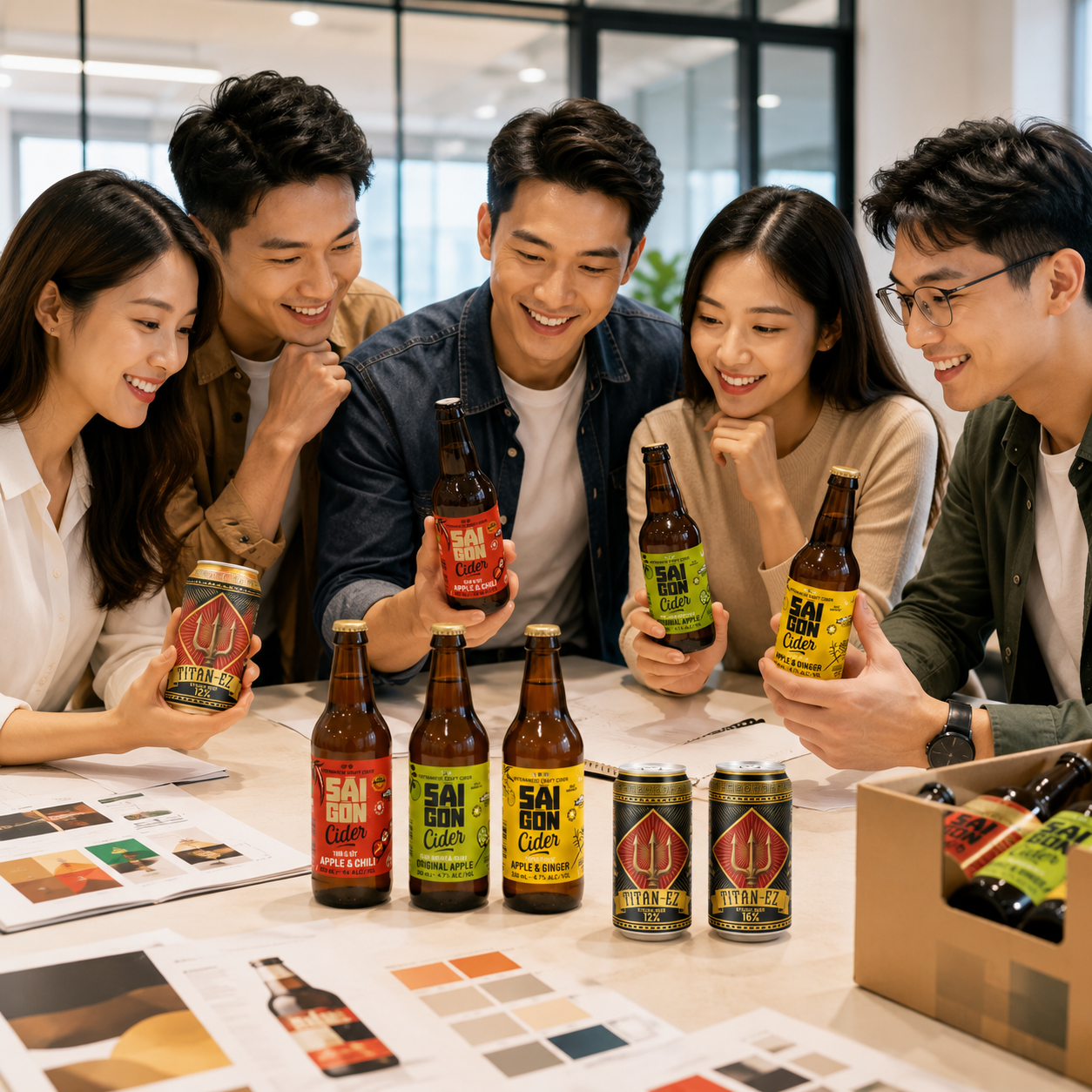
The brewery takes full responsibility for the production process, including recipe development, brewing, quality control, as well as filling and packaging. Meanwhile, F&B chains can focus on their core strengths, including branding, packaging design, and enhancing the overall customer experience.
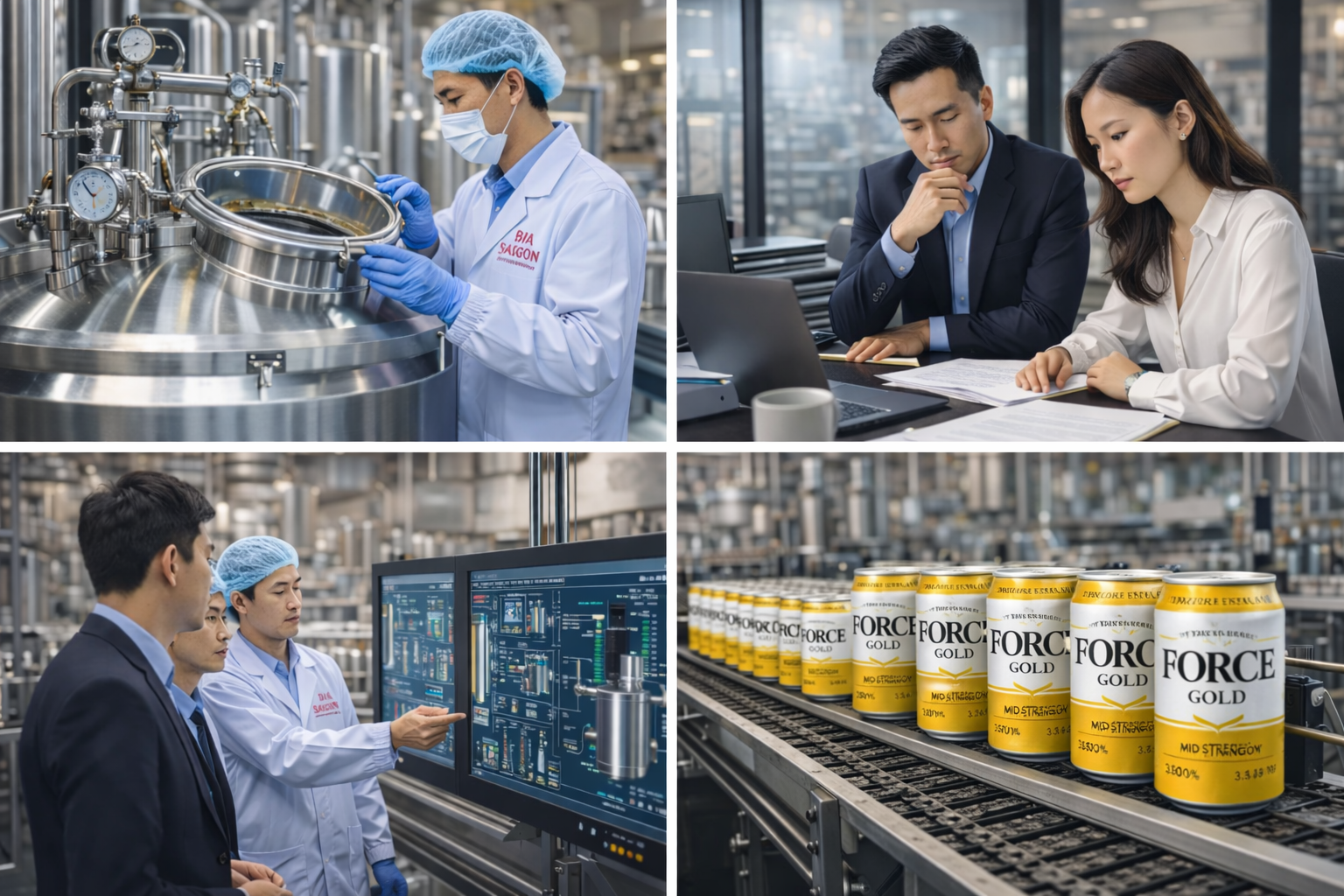
Globally, many restaurant chains and bars have adopted this model to develop exclusive beer lines. This allows them to create differentiated products without bearing the cost of building a brewery.
In Vietnam, one of the providers of beer OEM services is Saigon Beer – Central Region Joint Stock Company (SMB). This company operates a modern brewery system in the central region and has many years of experience in the beer industry.
SMB runs fully integrated production lines, from brewing, fermentation, and filtration to filling and packaging. Its quality management system is built according to international standards such as ISO 9001, ISO 22000, and ISO 14001, ensuring consistent beer quality and compliance with food safety requirements.
Through its OEM services, SMB can support F&B chains in developing their own private label beer, from recipe development to mass production.
Strategic benefits of private label beer for F&B chains
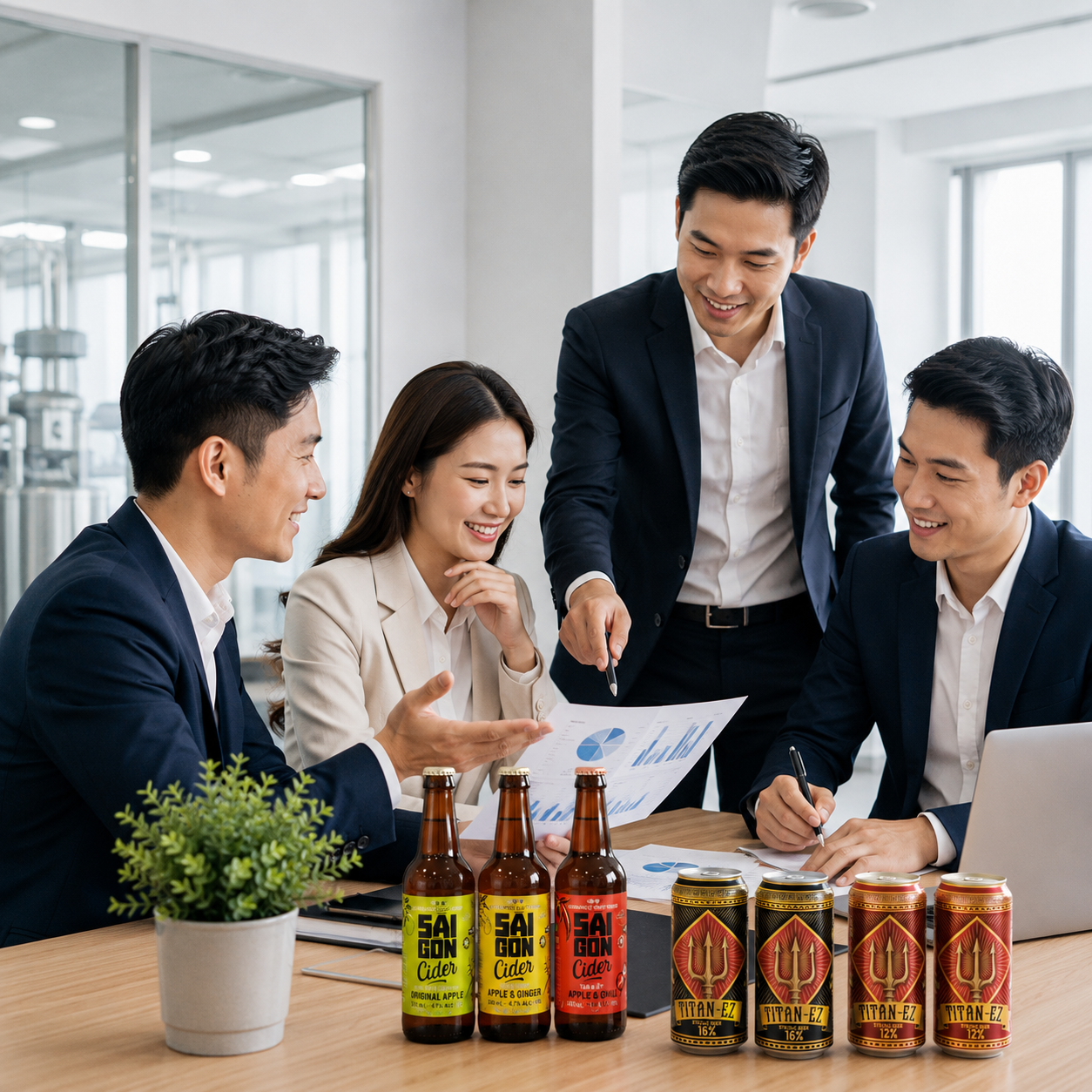
For F&B chains, private label beer is not just a new product but also a strategic business tool.
First, it enhances brand recognition. When customers enjoy a beer that is only available within a specific restaurant system, their experience becomes more unique compared to drinking a mainstream beer brand.
Second, exclusive products allow businesses to better control their pricing strategy and profit margins. Instead of relying entirely on major beer brands, F&B chains can proactively build their own beverage portfolio.
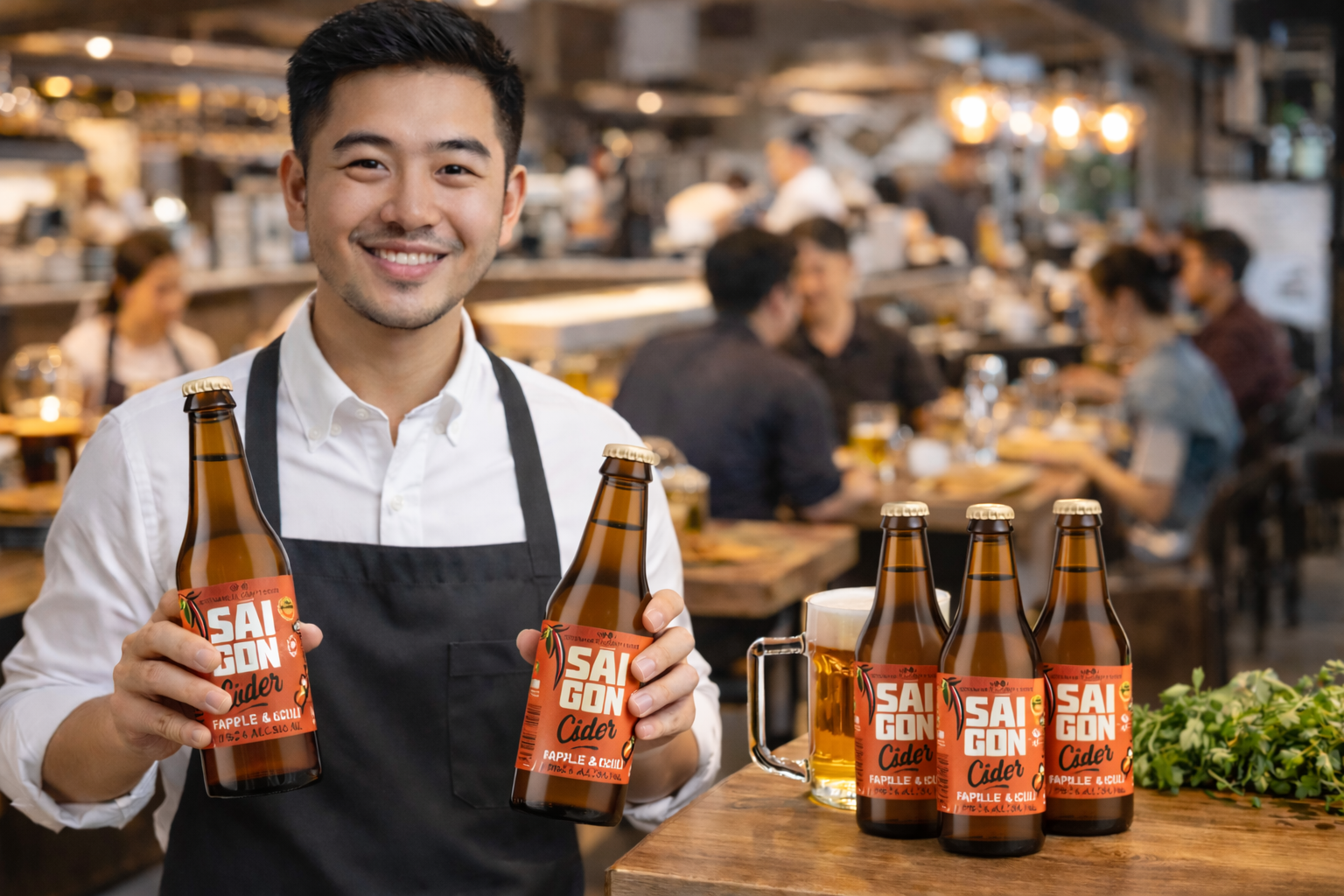
In addition, private label beer can become a powerful marketing tool. A well-designed beer line, tied to the brand story or local culture, can generate significant media impact.
In many cases, private label beer can even be sold retail outside the restaurant system, opening a new revenue stream for the business.
Challenges to consider when developing OEM beer
Although beer OEM offers many opportunities, it is not a simple project. A successful private label beer must be built on a clear strategic foundation.
F&B chains need to clearly define which customer segments the product serves and what role it plays in the brand experience. If the beer is developed solely as a short-term marketing idea, it may quickly lose its appeal.
Moreover, choosing the right manufacturing partner is critical. Beer quality must be consistent, production processes must meet food safety standards, and production capacity must be sufficient to support future expansion.
Therefore, partnering with experienced breweries like Saigon Beer – Central Region significantly reduces risks related to technical processes and product quality, allowing F&B chains to focus on brand strategy and customer experience.
OEM beer – a major opportunity if implemented strategically
Globally, many F&B chains have demonstrated that private label beer can become a powerful tool in brand building and business growth.
In Vietnam, with the development of the OEM model and the production capabilities of large breweries such as Saigon Beer – Central Region, developing private label beer for F&B chains has become more feasible than ever.
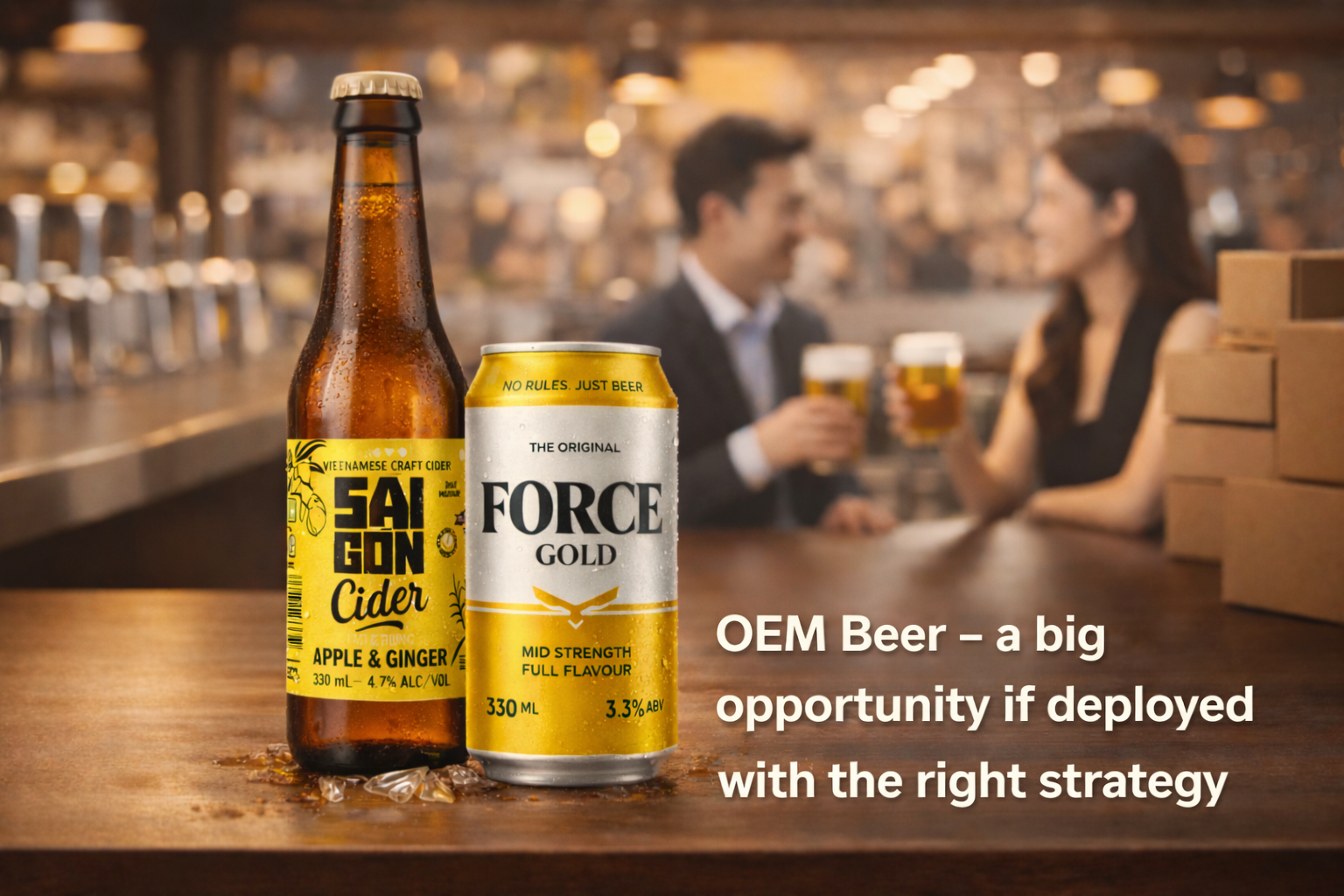
However, OEM beer is not just a production story. Its success depends on how a business integrates this product into the brand experience and market strategy.
When implemented correctly, private label beer not only helps F&B chains stand out but can also become a long-term brand asset in the competitive food and beverage sector.
Explore OEM beer solutions for F&B chains
If your business is considering developing private label beer for your restaurant, bar, or hotel chain, partnering with a brewery that has strong production capabilities and industry experience is crucial.
Contact for OEM beer consultation:
Company: Saigon Beer – Central Region Joint Stock Company (SMB)
Address: 01 Nguyen Van Linh Street, Tan An Ward, Buon Ma Thuot City, Dak Lak Province
OEM Consultation Hotline: (+84) 94 1127575
Email: oem@biasaigonmt.com
Website: https://oem.biasaigonmt.com/
Saigon Beer – Central Region Joint Stock Company (SMB) currently offers full-service beer OEM, from recipe development, product testing, and packaging design to production and packaging under the business’s own brand.