


In an increasingly competitive beer market, where product quality is gradually becoming standardized thanks to technology and OEM breweries, the factor that creates differentiation no longer lies entirely in the product itself. Instead, brand storytelling becomes what makes customers remember you, choose you, and return to you.
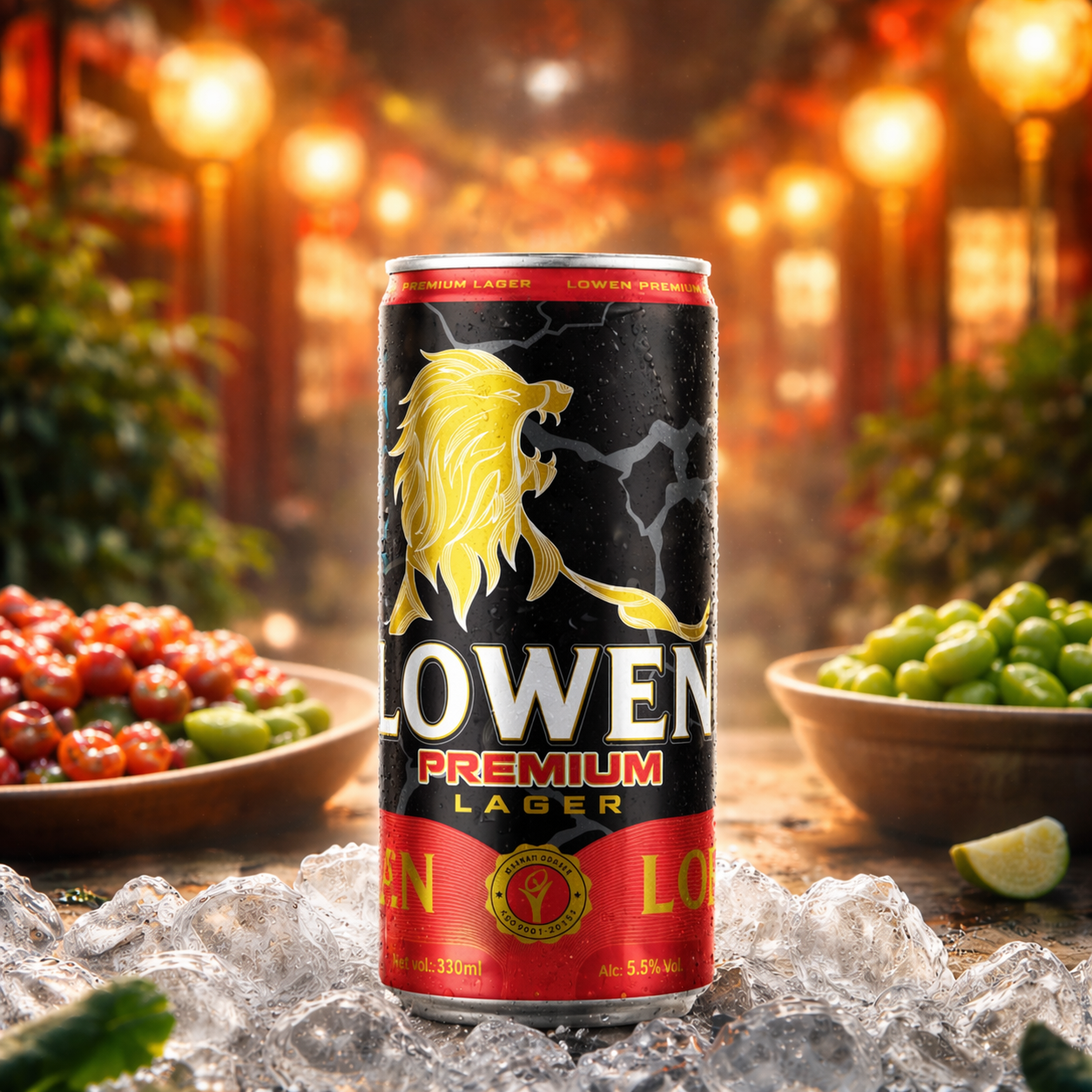
For businesses developing beer through the OEM model, storytelling is not just a “decorative layer” for marketing. It is the strategic core that transforms a mass-produced product into a brand with its own identity.
This article will help you understand how to build effective storytelling for a private beer brand, especially for businesses partnering in beer OEM with Saigon Beer – Central Region (SMB).
Why Storytelling Matters for OEM Beer
One common misconception is that OEM beer products are fundamentally the same, making differentiation difficult. In reality, because the manufacturing process has already been standardized, the brand and its story become even more important.
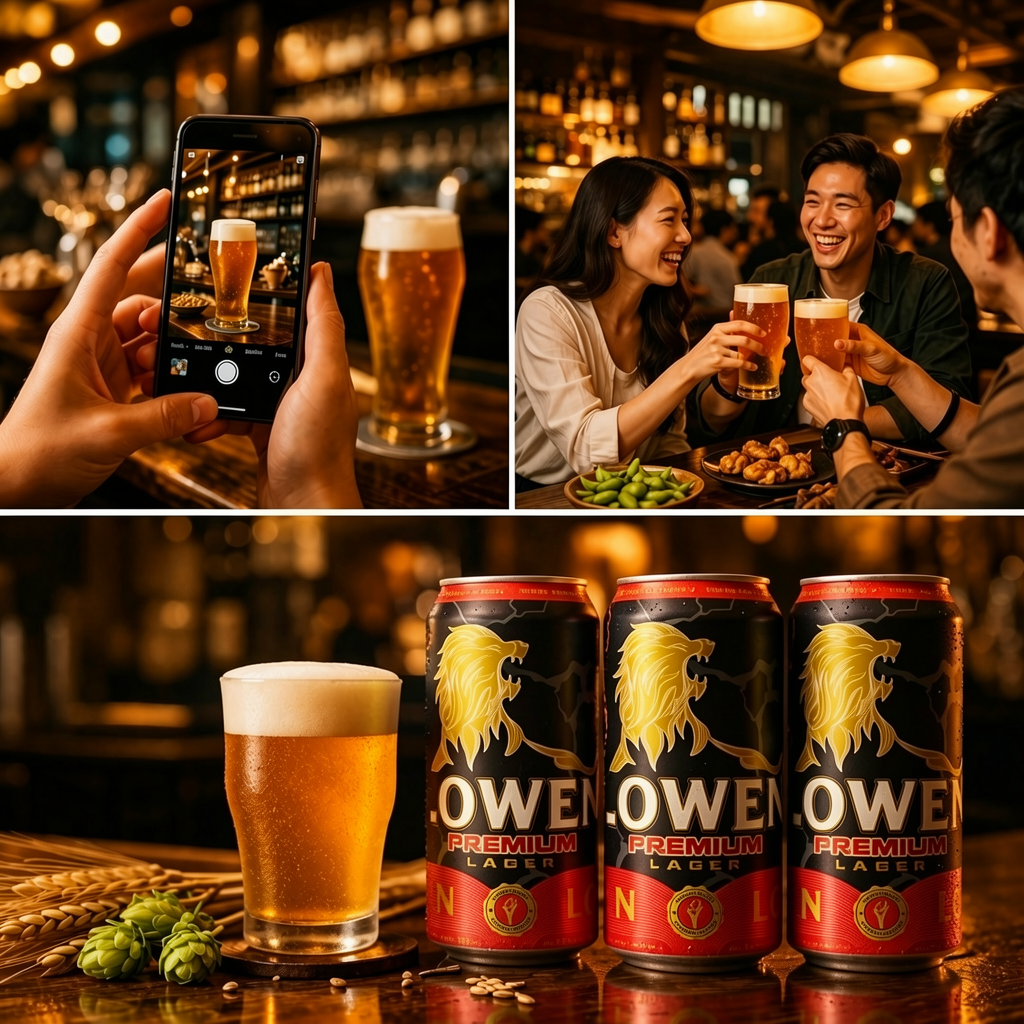
Consumers do not choose beer based only on taste. They choose it because of the feeling the brand creates. A type of beer can evoke:
- A feeling of relaxation after work
- The atmosphere of gathering with friends
- A youthful lifestyle
- Or a unique dining experience
Without storytelling, products easily fall into price competition. But when a brand has a clear story, the product becomes an experience — and customers are willing to pay more for that experience.
The 3 Core Layers of Storytelling for a Beer Brand
Effective storytelling is not simply a catchy slogan, but a consistent storytelling system. With OEM beer, storytelling can be built through three layers.
The first layer is origin. This does not necessarily mean a long history, but rather the reason the brand was created. For example, a restaurant chain may create its own private beer label to complete its dining experience.
The second layer is experience. This is the most important part. What context is your beer associated with? Is it a chill evening? An outdoor party? Or a venue with a unique concept?
The third layer is brand personality. This is how the brand communicates with customers. Youthful, bold, sophisticated, or approachable — everything needs to remain consistent from visuals to content.
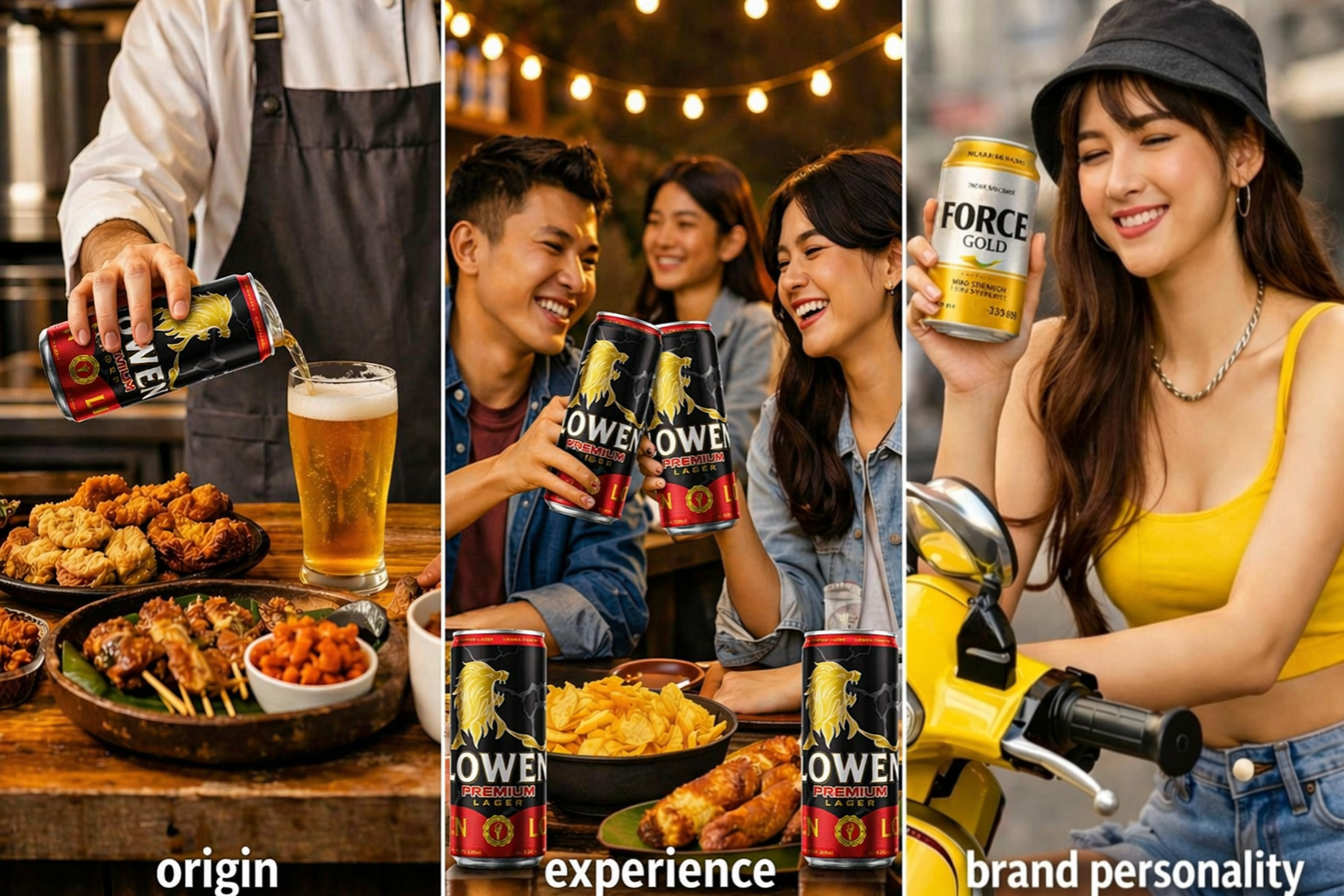
When these three layers are connected, the brand will have a story clear enough to support long-term growth.
Turning an OEM Product Into a Unique Story
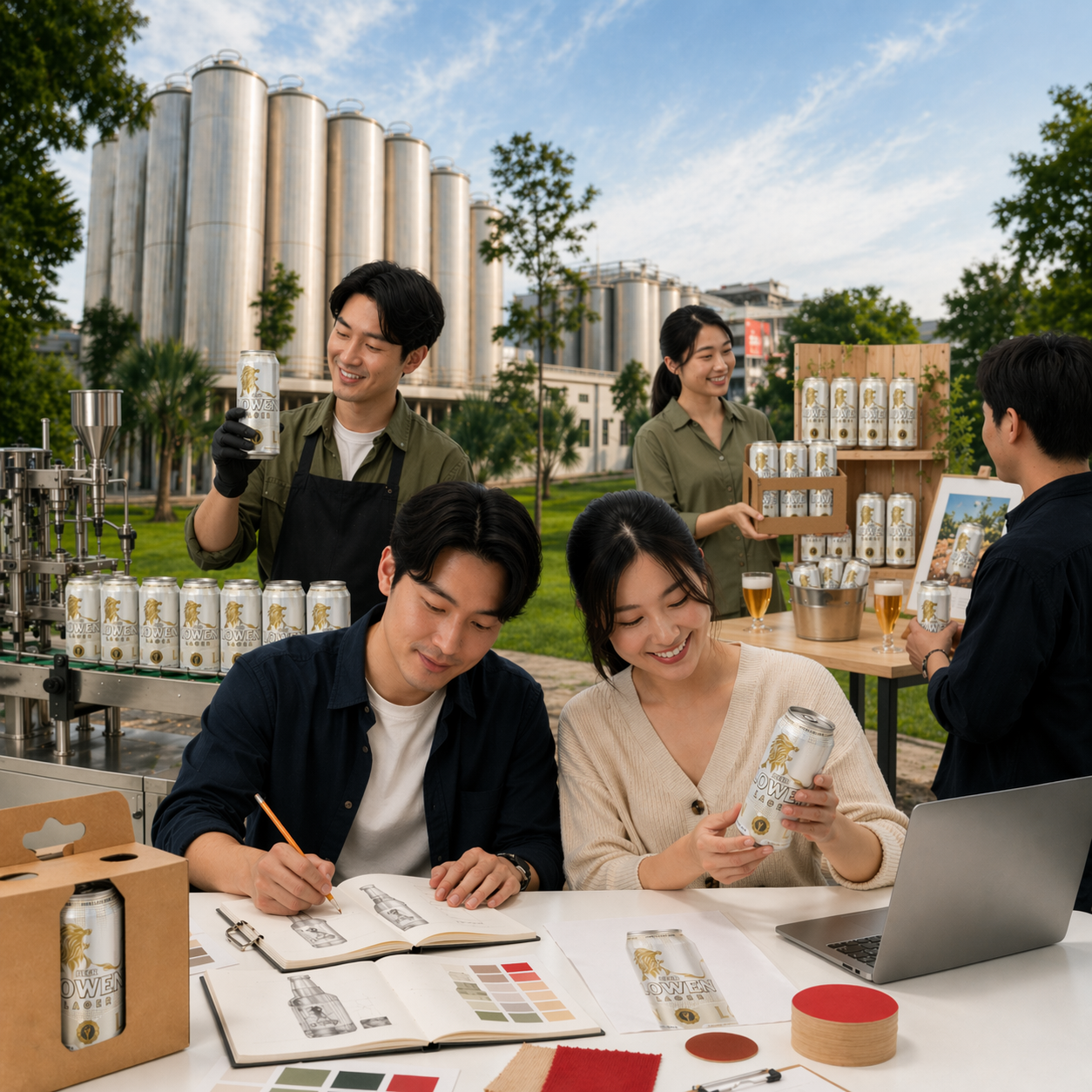
One major advantage of OEM is the ability to customize products. However, if the process stops at simply changing the packaging or product name, the product will still struggle to leave a strong impression.
The important thing is turning the product itself into part of the story.
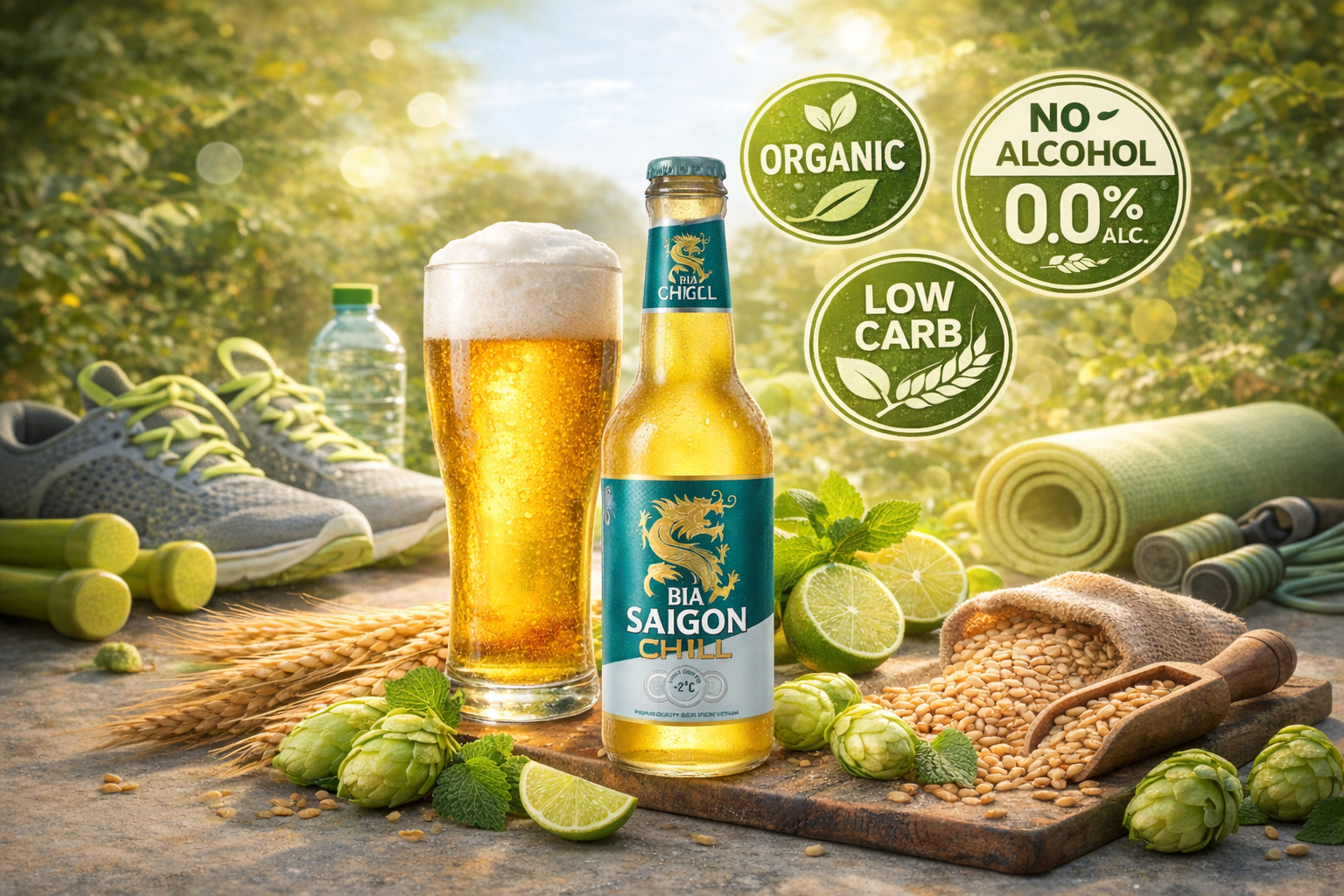
For example, if you develop a light beer line for hot weather, the story should not simply be “a light and easy-drinking beer.” Instead, it could become “the kind of beer made for beach afternoons, where people want to extend the fun without feeling tired.”
The difference lies in how you place the product within a context. At that point, every can of beer is no longer just a beverage, but part of a moment.
OEM helps you create the product, but storytelling helps transform that product into an experience.
Using the Production Process as Part of the Story
One of the most underutilized storytelling assets is the product creation process itself.
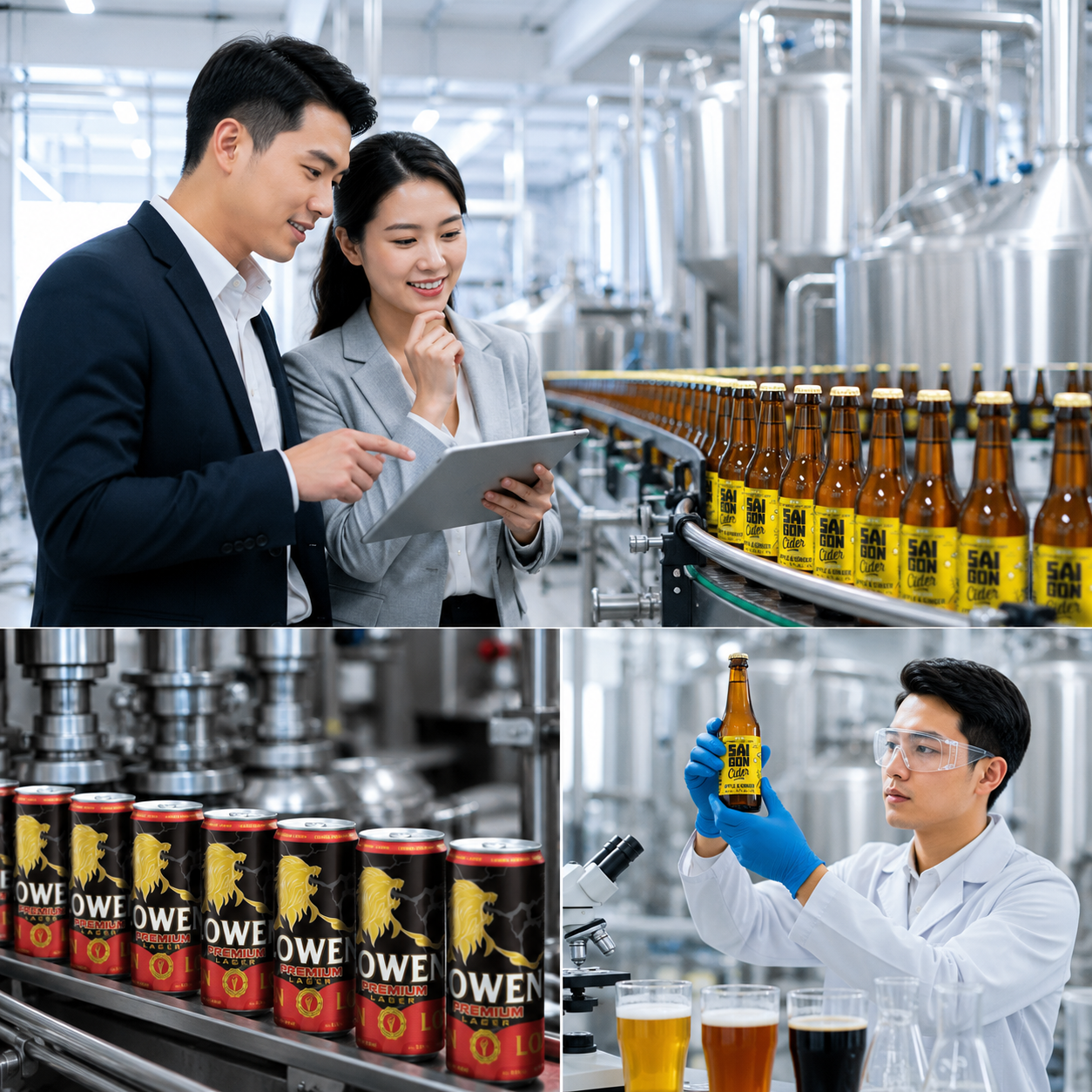
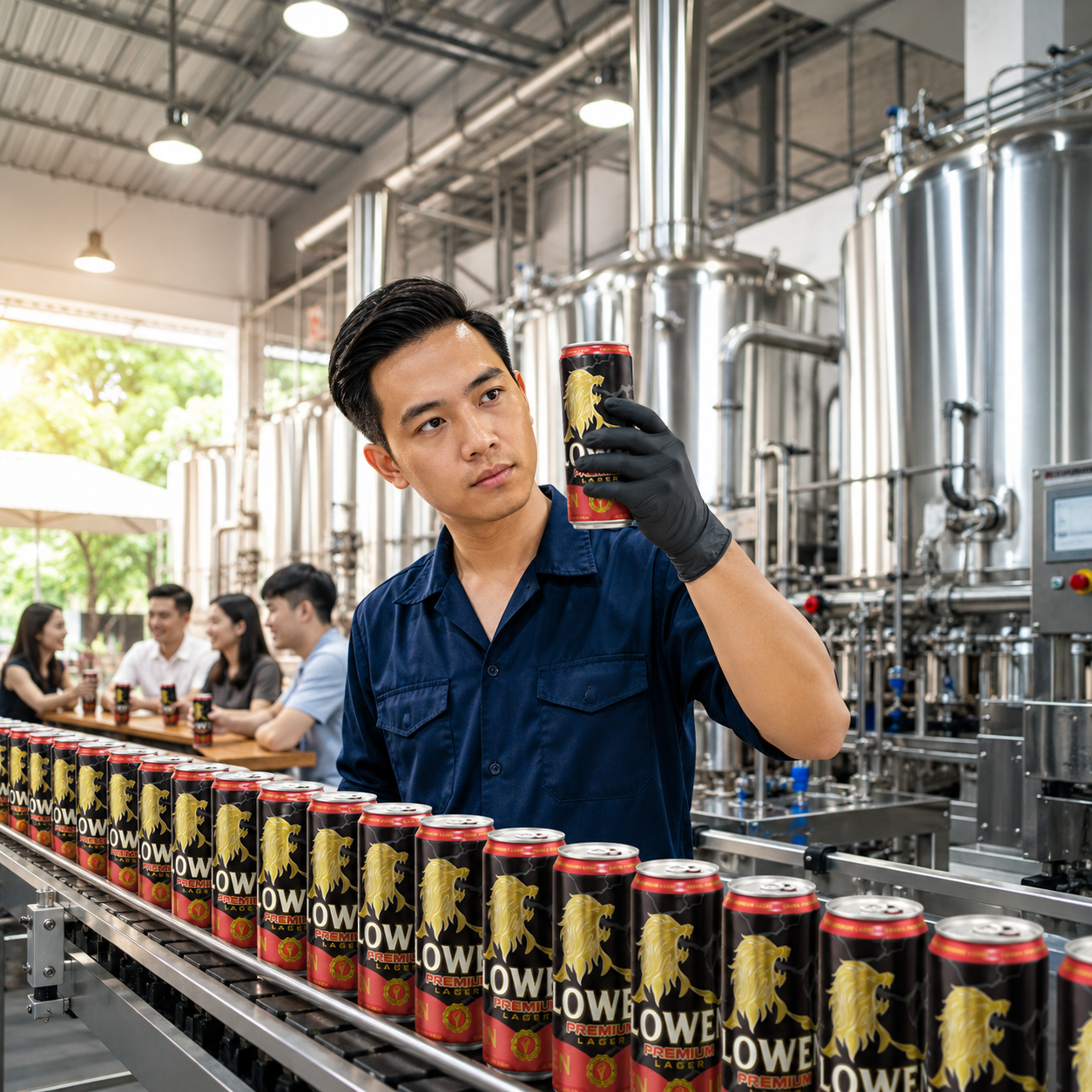
When partnering with a factory such as Saigon Beer – Central Region (SMB), businesses can tell many valuable stories:
- The journey of beer formula development
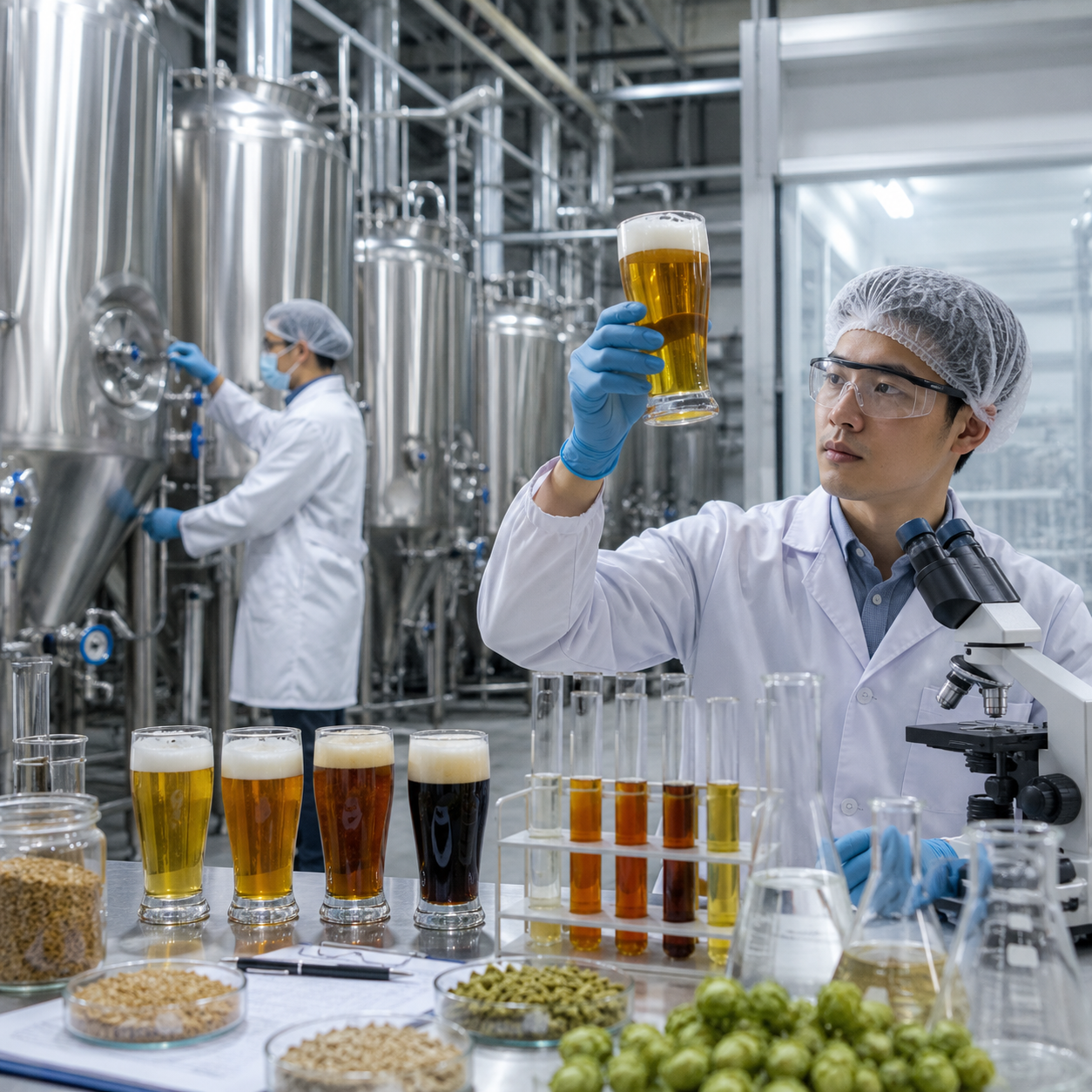
- The process of flavor testing
- Production standards and quality control processes
- The factory’s scale and technology
- …
These elements help increase the credibility of the brand. Consumers do not just see the product — they also understand that behind it is a professional production system.
Especially in the food and beverage industry, transparency and trust play a major role in purchasing decisions.
Bringing Storytelling Into the Entire Brand Ecosystem
Storytelling should not exist only within an introductory article. It needs to appear consistently across every customer touchpoint.
On social media, storytelling is expressed through content and visuals. Inside the venue space, it appears through product presentation and customer experience. On the packaging, it is reflected through design and messaging.