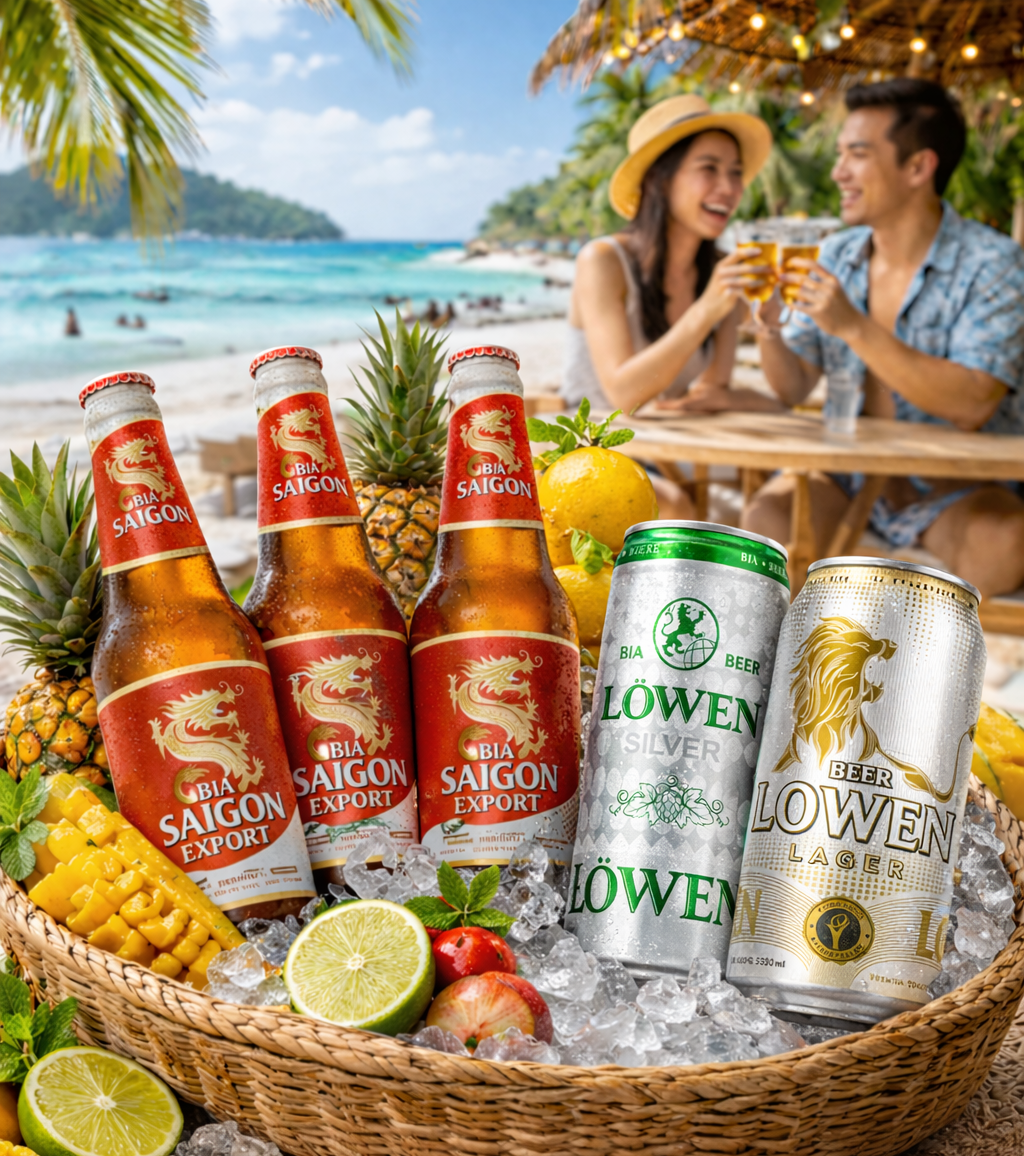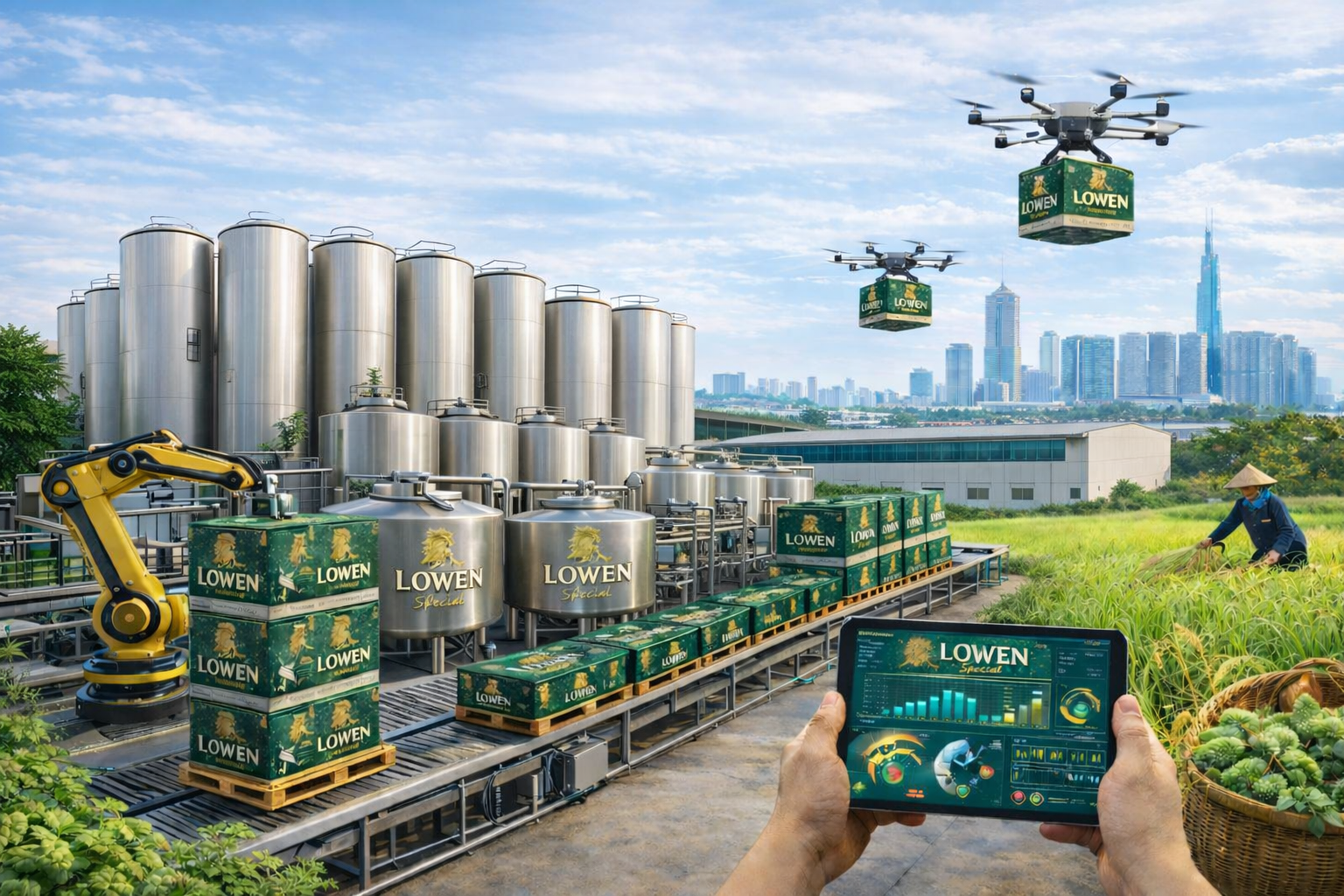


Entering 2026, the global beer market continues to experience many notable changes. After a period of global economic fluctuations and shifts in consumer behavior, the beer industry is moving toward a new structure in which brand experience, personalization, and flexible production models are playing increasingly important roles.
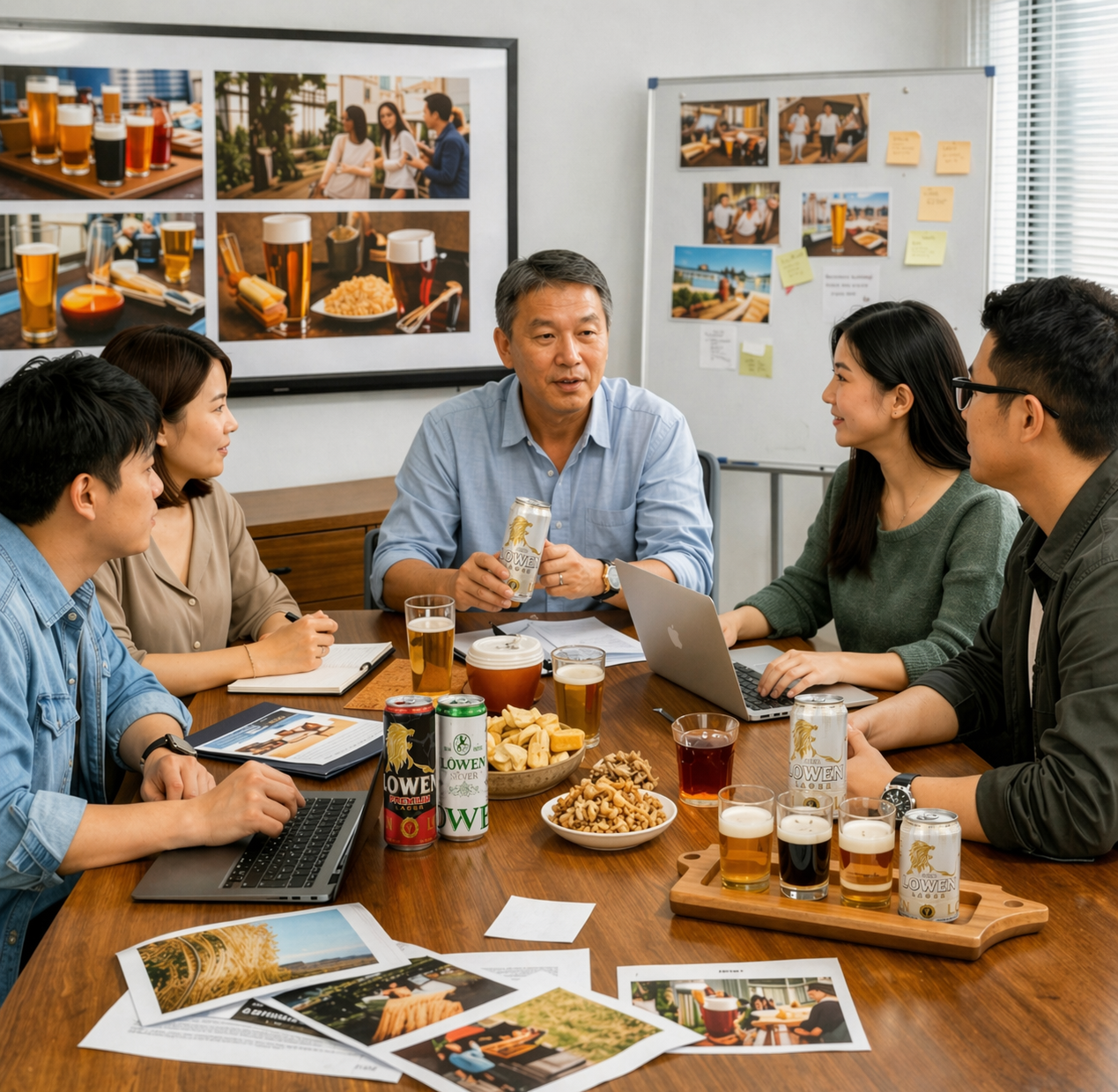
Today’s consumers are no longer simply looking for a beer to quench their thirst. They are increasingly interested in the brand story, product origin, drinking style, and accompanying experience. This is creating a new competitive environment in which traditional beer brands must adapt to emerging consumer trends.
In this context, many businesses in the beverage industry are beginning to seek more flexible product development models, with beer OEM (private label beer manufacturing) becoming a noteworthy solution.
Consumers Are Seeking Experiences Rather Than Just Products
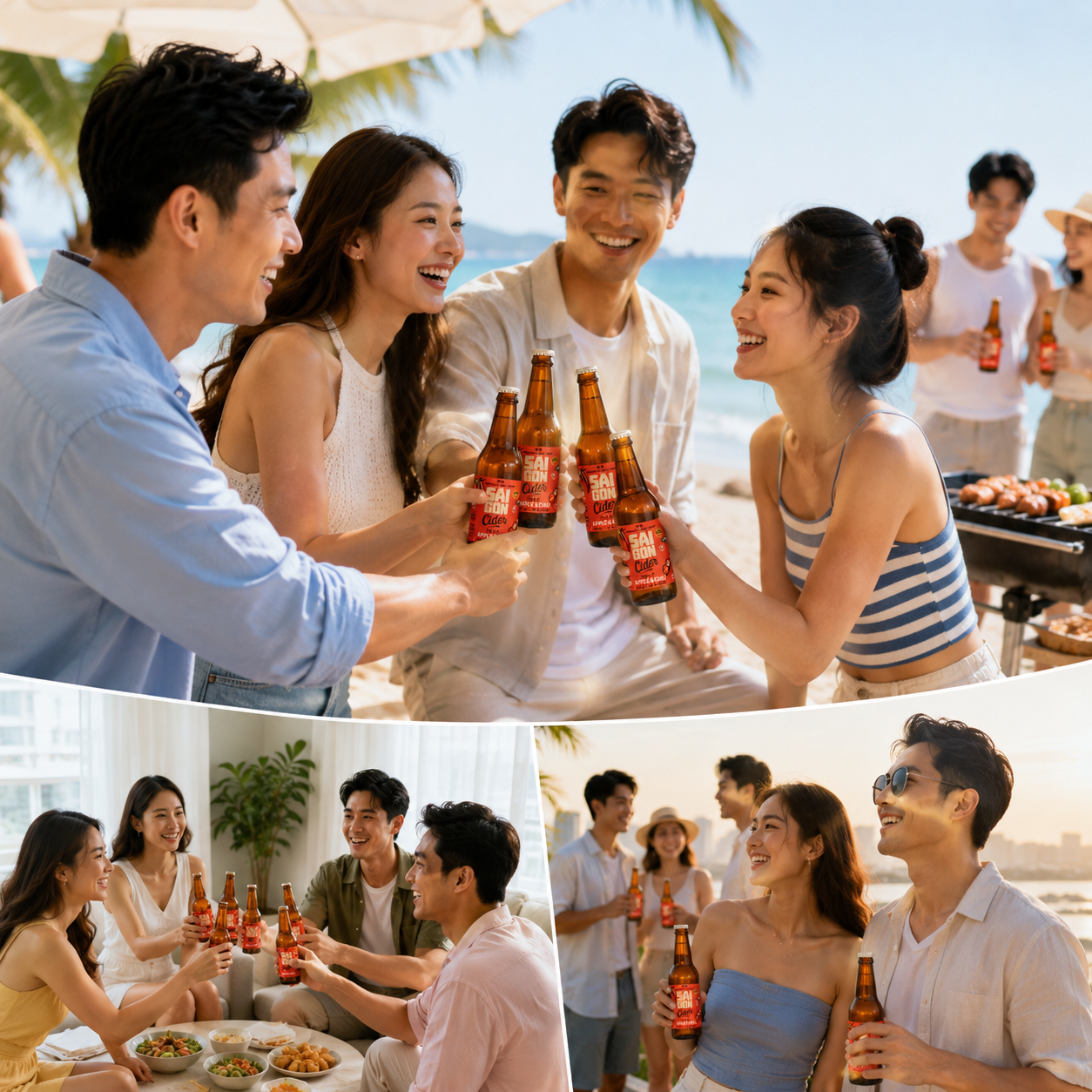
One of the clearest changes in the beer market in recent years is the shift from mass consumption to experience-driven consumption. Consumers no longer choose beer solely based on price or brand popularity, but are increasingly paying attention to the product’s style, story, and personality.
In many major markets such as Europe, the United States, and Japan, craft beer, local beer, and personalized beer products have grown rapidly. Consumers increasingly enjoy discovering unique products with distinct identities rather than remaining loyal only to traditional industrial beer brands.
This trend is also becoming increasingly visible in many Asian markets. In Vietnam, especially in large cities and tourism centers, younger consumers are seeking beer products that offer richer experiences, from packaging design to drinking culture and lifestyle.
This creates opportunities for new beer brands, especially beer lines with unique identities tied to businesses or local communities.
The Rise of Private Label Beer and the Private Label Model
One notable trend in the first half of 2026 is the growth of private label beer. Instead of only distributing existing beer brands already available in the market, many businesses are beginning to develop beer products under their own brand names.
This trend is especially popular among F&B chains, retail systems, and beverage distributors. A dedicated beer line not only helps businesses gain better control over profit margins, but also creates differentiation in the customer experience.
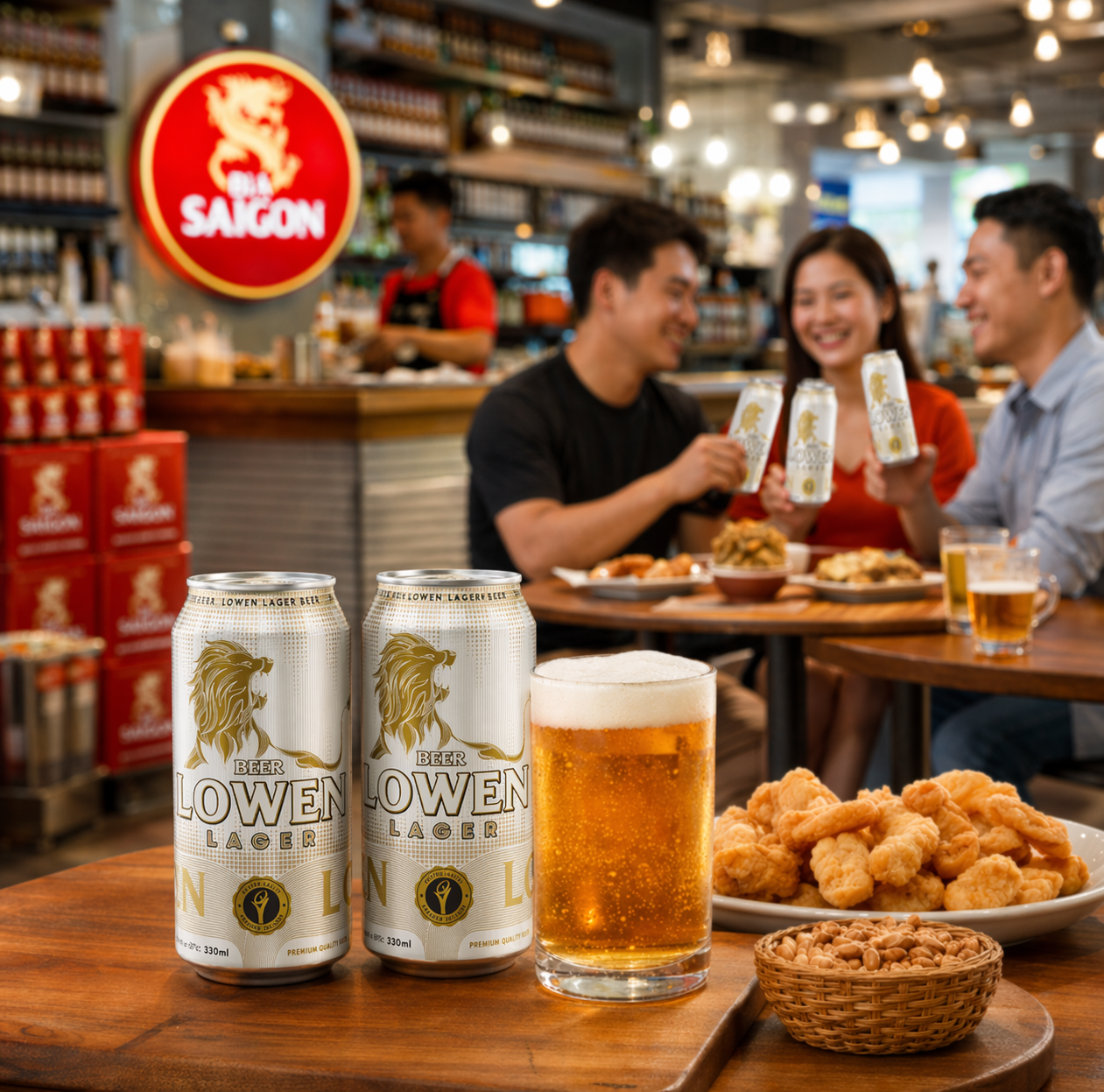
Globally, many restaurant chains and bars have developed their own private beer lines to serve their customers. These products are often designed to match the culinary style or brand identity of each establishment.
In Vietnam, this model is also gaining greater attention. As the beer market becomes more competitive, owning an exclusive product can help businesses build a long-term brand advantage.
The Beer OEM Model – A Foundation for Flexibility in the Beer Industry
The growth of private label beer is closely linked to the expansion of the beer OEM model. Under this model, businesses can develop beer under their own brand name without needing to invest in a manufacturing facility.
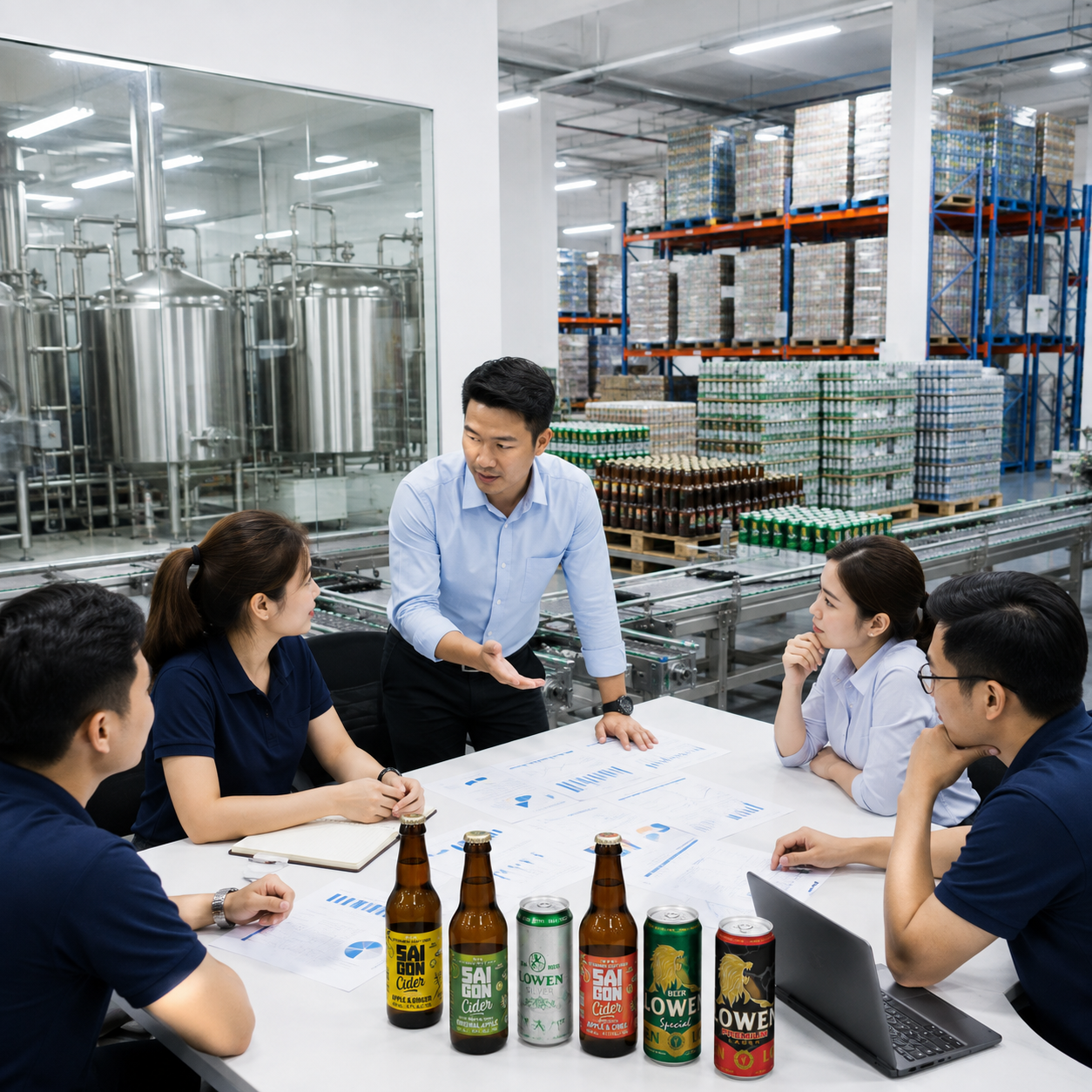
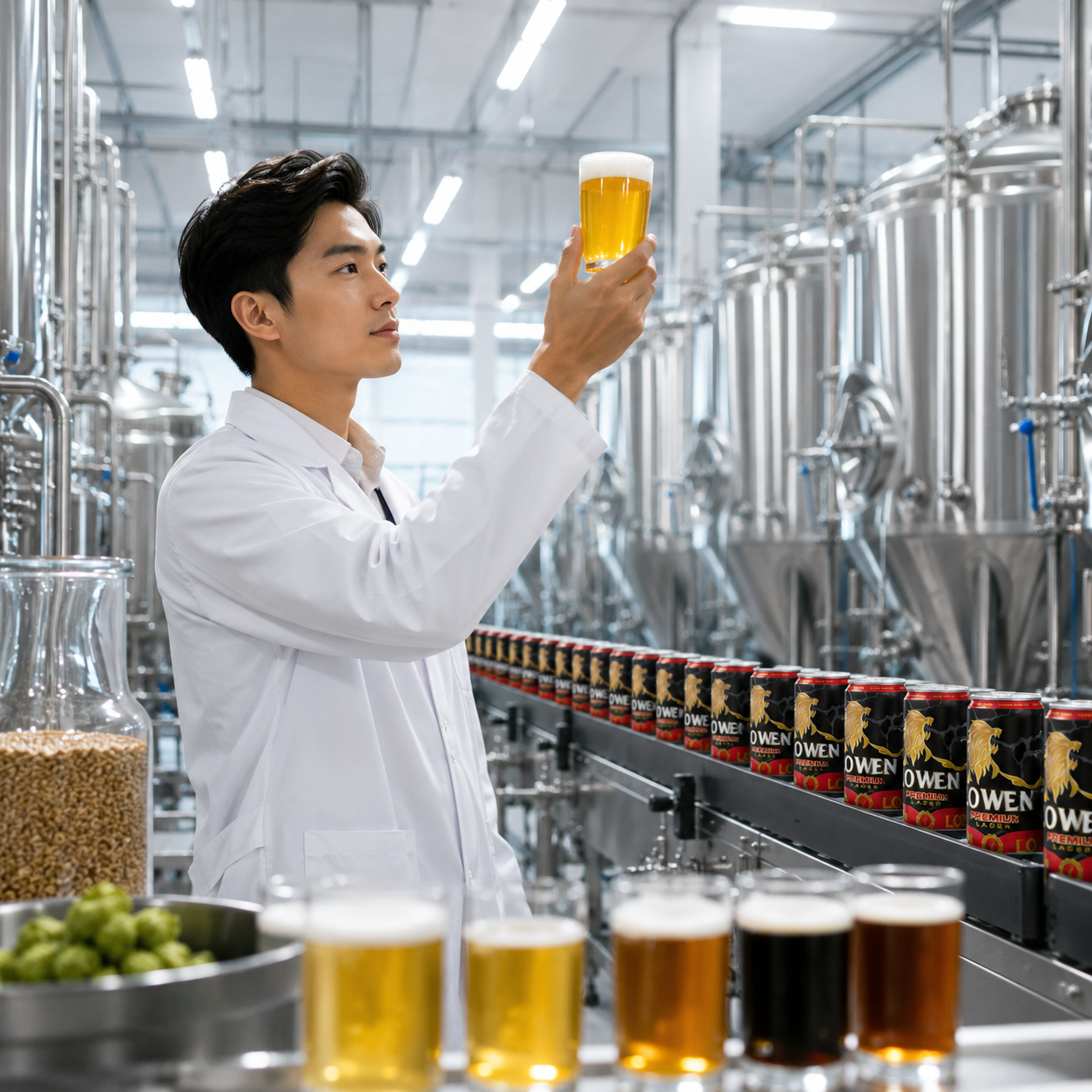
The brewery handles the entire technical process, including formula research, brewing, quality control, and product packaging. Meanwhile, the brand owner focuses on marketing, storytelling, and market development.
Globally, this model has become an important part of the beverage industry. Many well-known beer brands are actually produced by large breweries under the OEM model.
In Vietnam, the growth of breweries with large-scale production capabilities is creating favorable conditions for this trend. One notable example is Saigon Beer – Central Region Joint Stock Company (SMB).
The Role of Breweries in the OEM Ecosystem
In the modern beer ecosystem, manufacturing facilities no longer serve only as product suppliers, but also as strategic partners in brand development.
Saigon Beer – Central Region (SMB) is one of the companies capable of implementing beer OEM projects in Vietnam. With its modern factory system and many years of experience in the beer industry, SMB can support businesses from the stage of formula development all the way to mass production.
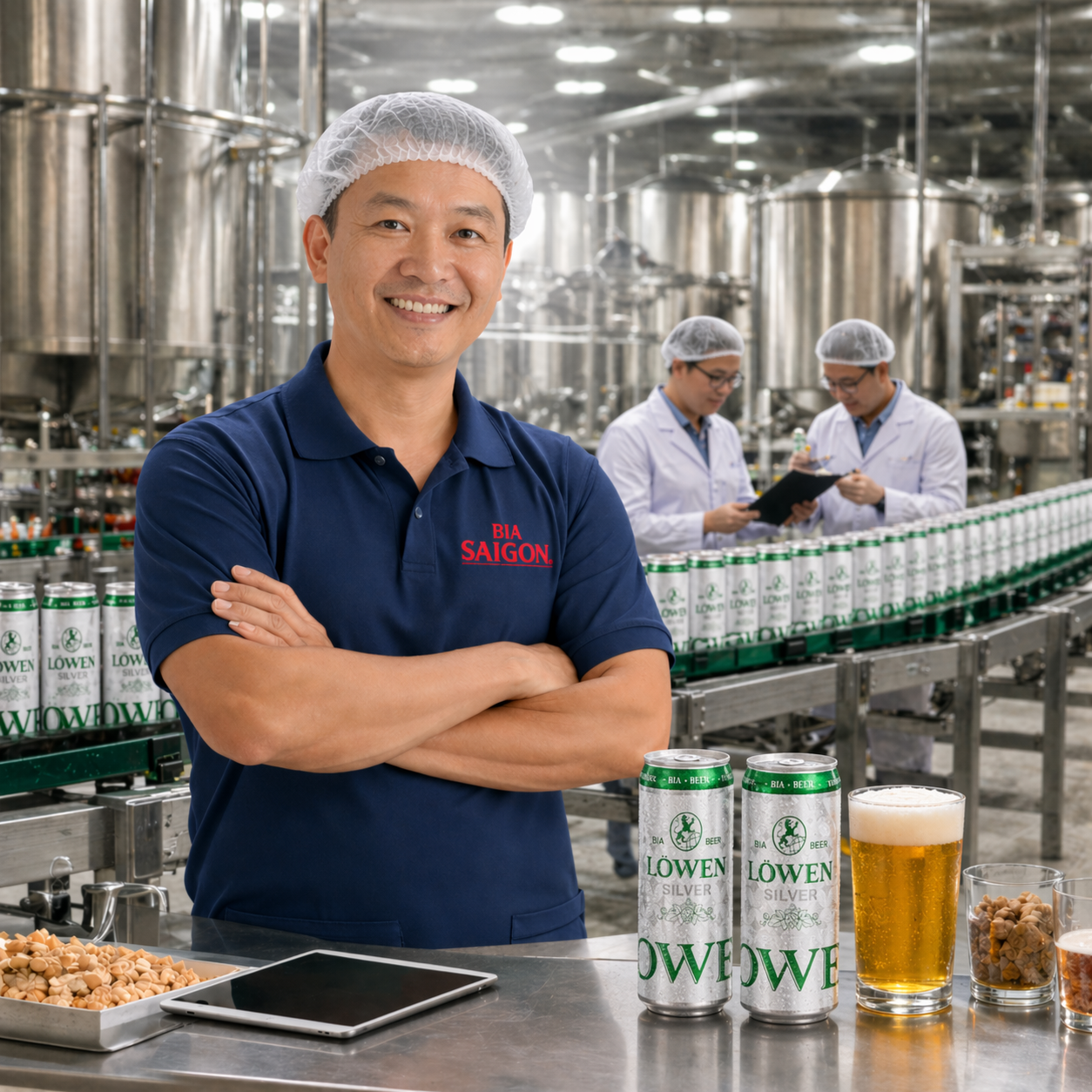
SMB’s production system operates according to international quality management standards such as ISO 9001, ISO 22000, and ISO 14001, ensuring that beer products achieve consistent quality and food safety standards.
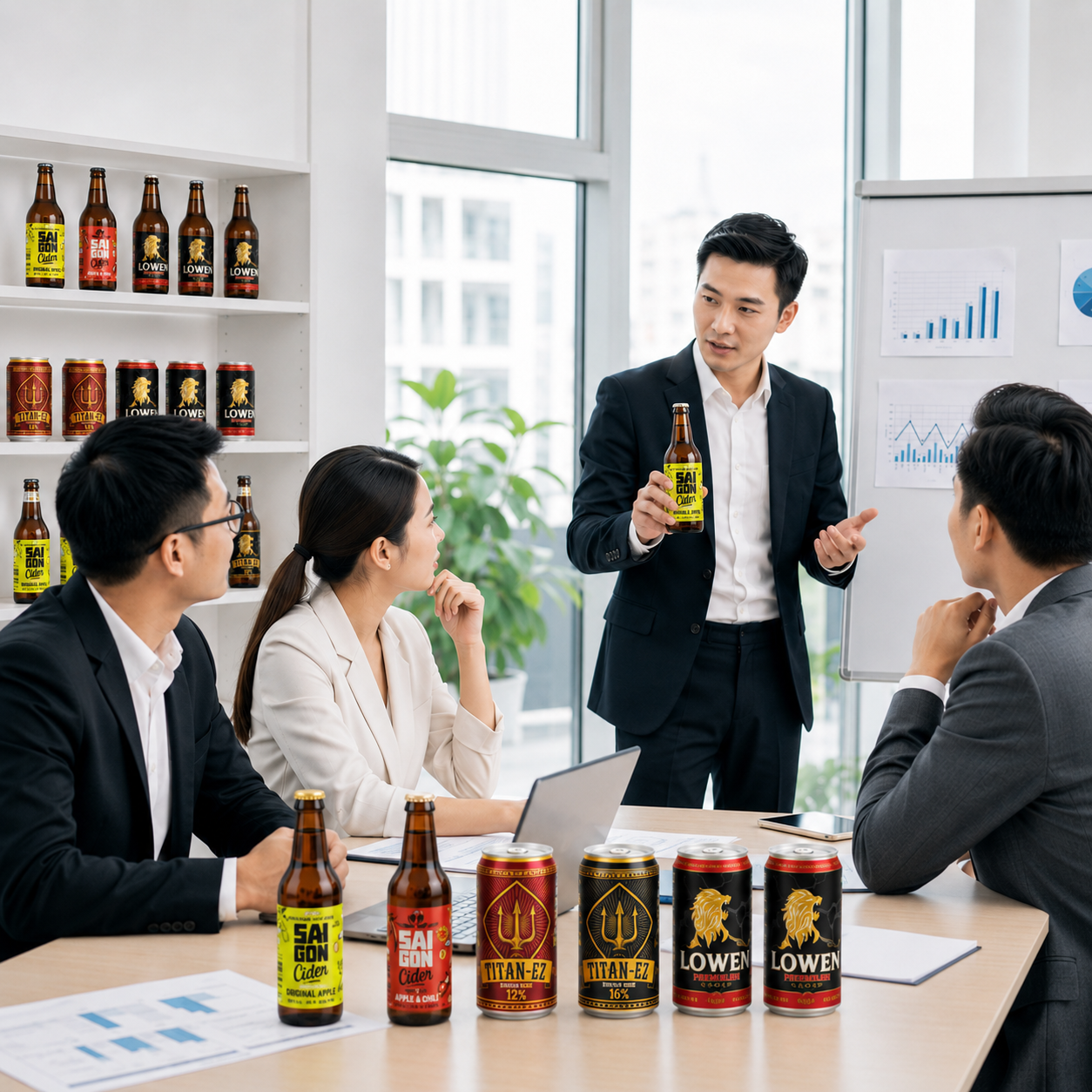
Thanks to its large-scale production capacity and modern technological production lines, the factory can implement multiple private label beer projects with different product styles. This gives businesses greater flexibility in developing product portfolios that align with emerging consumer trends.
The Beer Market Is Entering an Era of Brand-Driven Competition
Looking at the overall picture of the first half of 2026, it is clear that the beer industry is entering a new phase of competition. While beer brands previously competed mainly through production scale and distribution systems, today brand identity and customer experience are becoming increasingly important.
Consumers are increasingly searching for products that carry personal identity or reflect their lifestyle. This creates opportunities for new beer brands and locally inspired beer products.
In this context, businesses capable of combining strong brand strategies with flexible production models will have greater advantages in the future beer market.
New Opportunities for Creative Beer Brands
The first half of 2026 shows that the beer market is shifting toward greater diversity and personalization. Consumers are no longer simply looking for familiar products, but are increasingly interested in experiences, brand stories, and product differentiation.
The growth of the beer OEM model is creating opportunities for many businesses to enter the beer industry without investing in manufacturing facilities. By combining this model with the production capabilities of large breweries such as Saigon Beer – Central Region, businesses can develop private label beer lines that align with new consumer trends.
In an increasingly competitive market, the ability to innovate and build compelling brand storytelling will become a key factor determining the success of beer brands in the coming years.
If your business is interested in the Private Label Beer trend or wants to learn more about the beer OEM model, partnering with a factory that has strong production capabilities and industry experience is essential.
Saigon Beer – Central Region Joint Stock Company (SMB) currently provides full-service beer OEM solutions, supporting businesses from formula research and packaging design to production and packaging under a private brand name.
Contact SMB’s consulting team for support in building a private beer brand strategy aligned with market trends.
Company: Saigon Beer – Central Region Joint Stock Company (SMB)
Address: 01 Nguyen Van Linh Street, Tan An Ward, Buon Ma Thuot City, Dak Lak Province
OEM consultation hotline: (+84) 94 1127575
Email: oem@biasaigonmt.com
Website: https://oem.biasaigonmt.com/