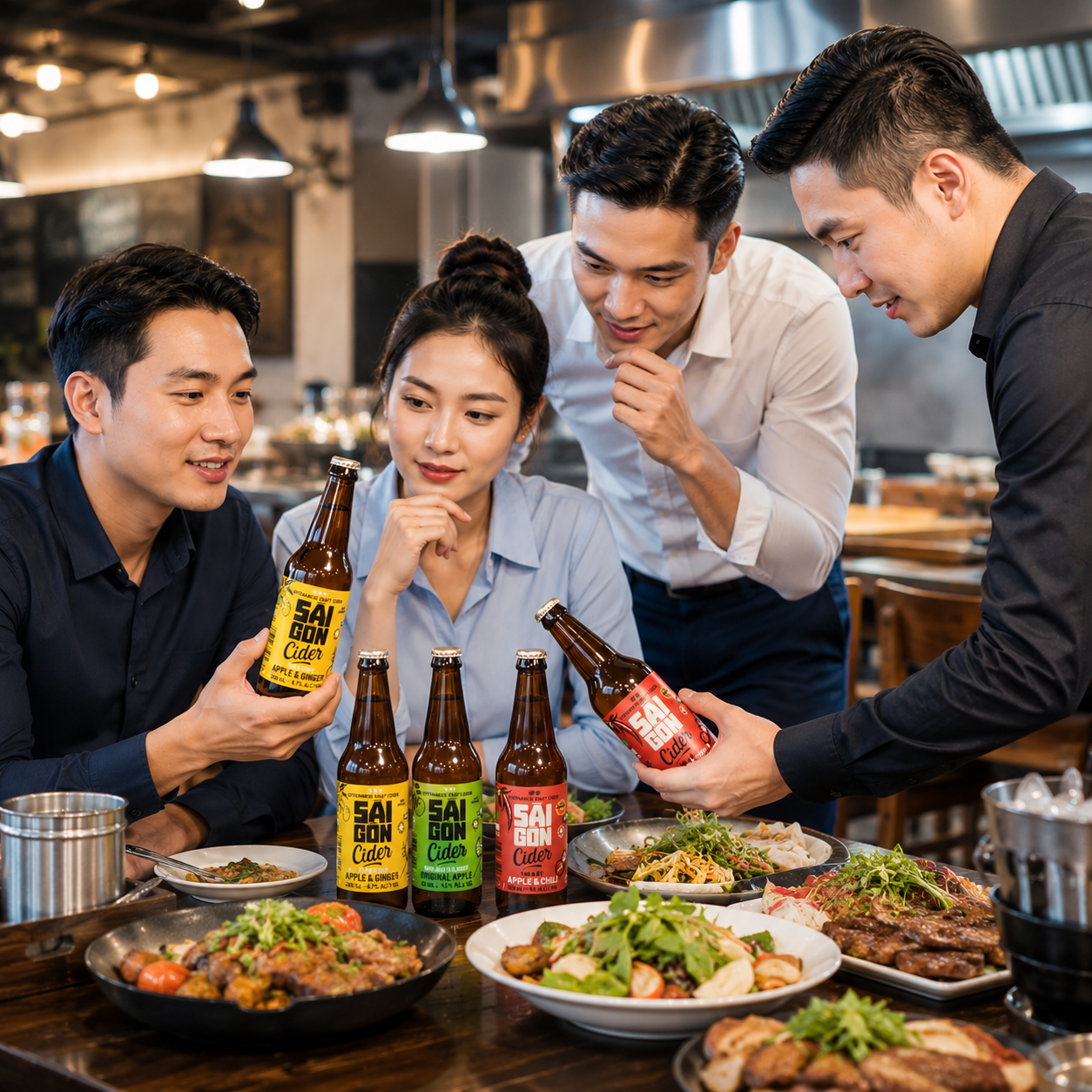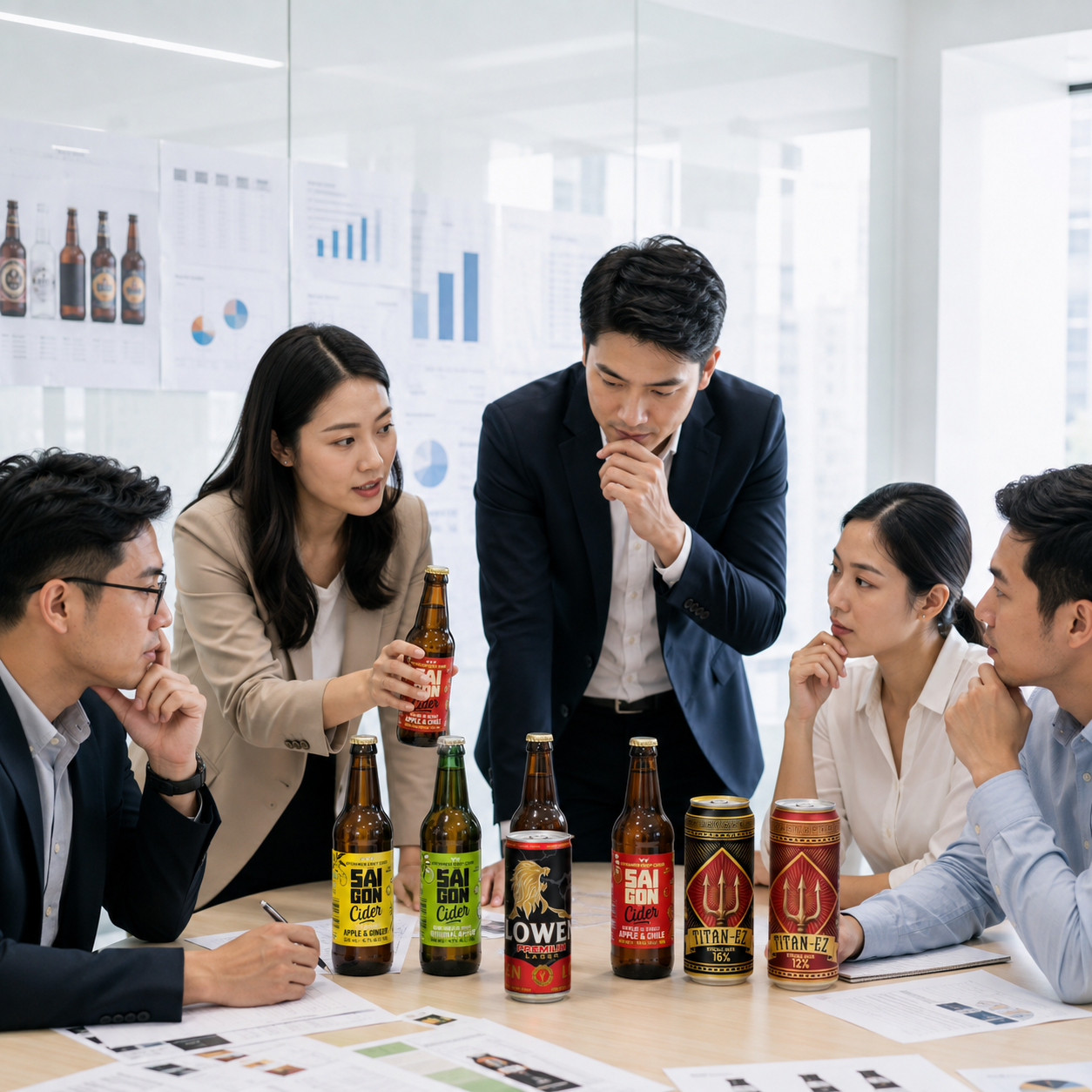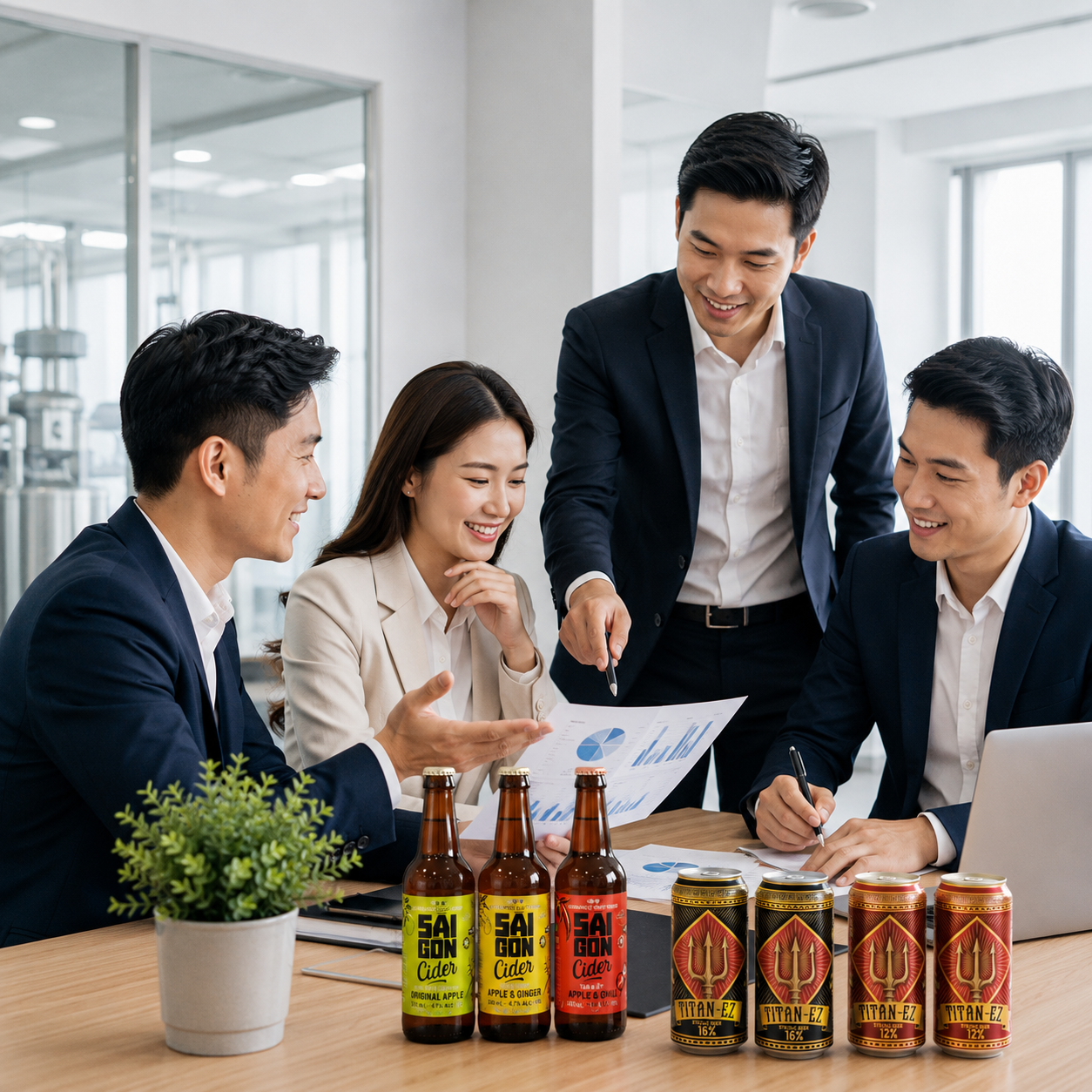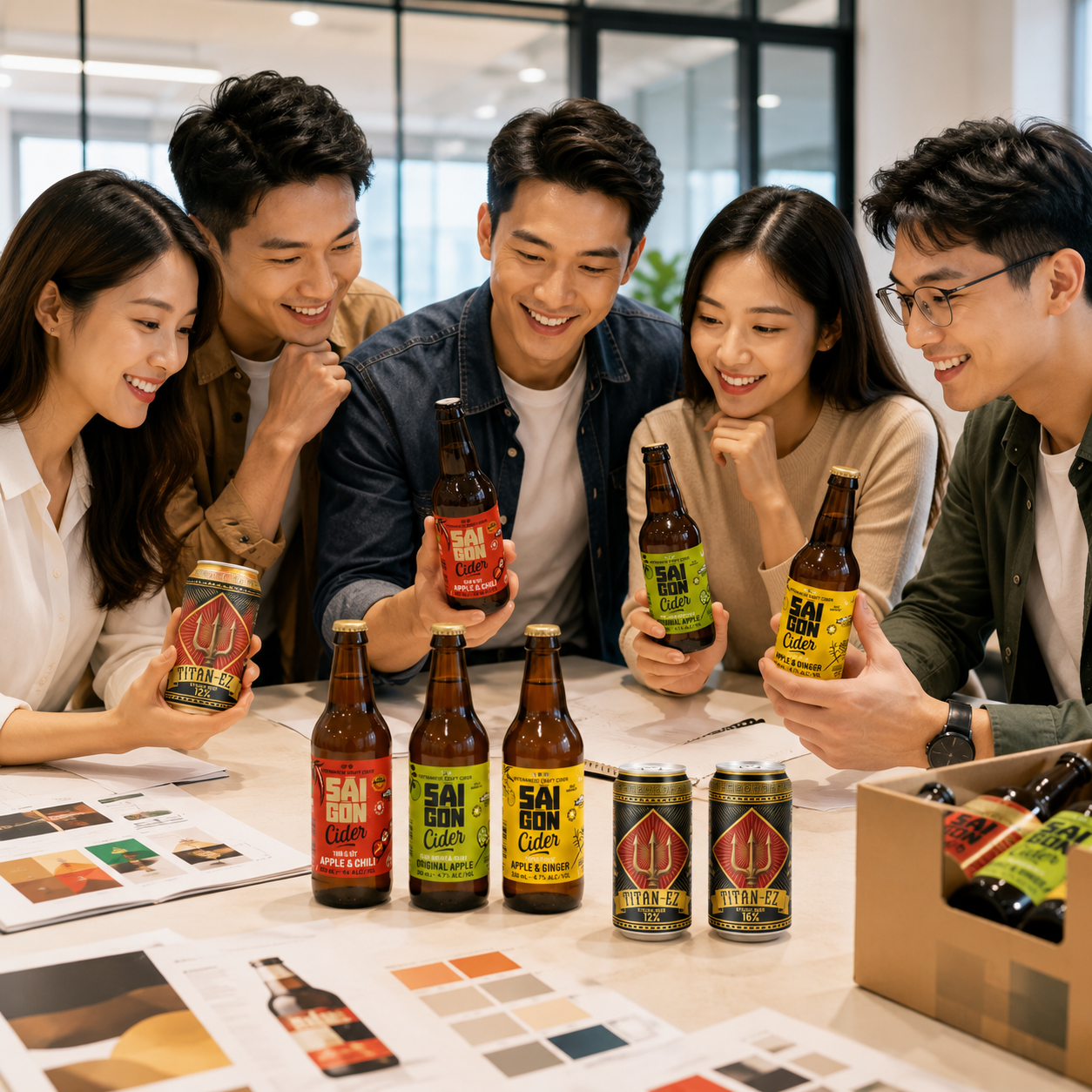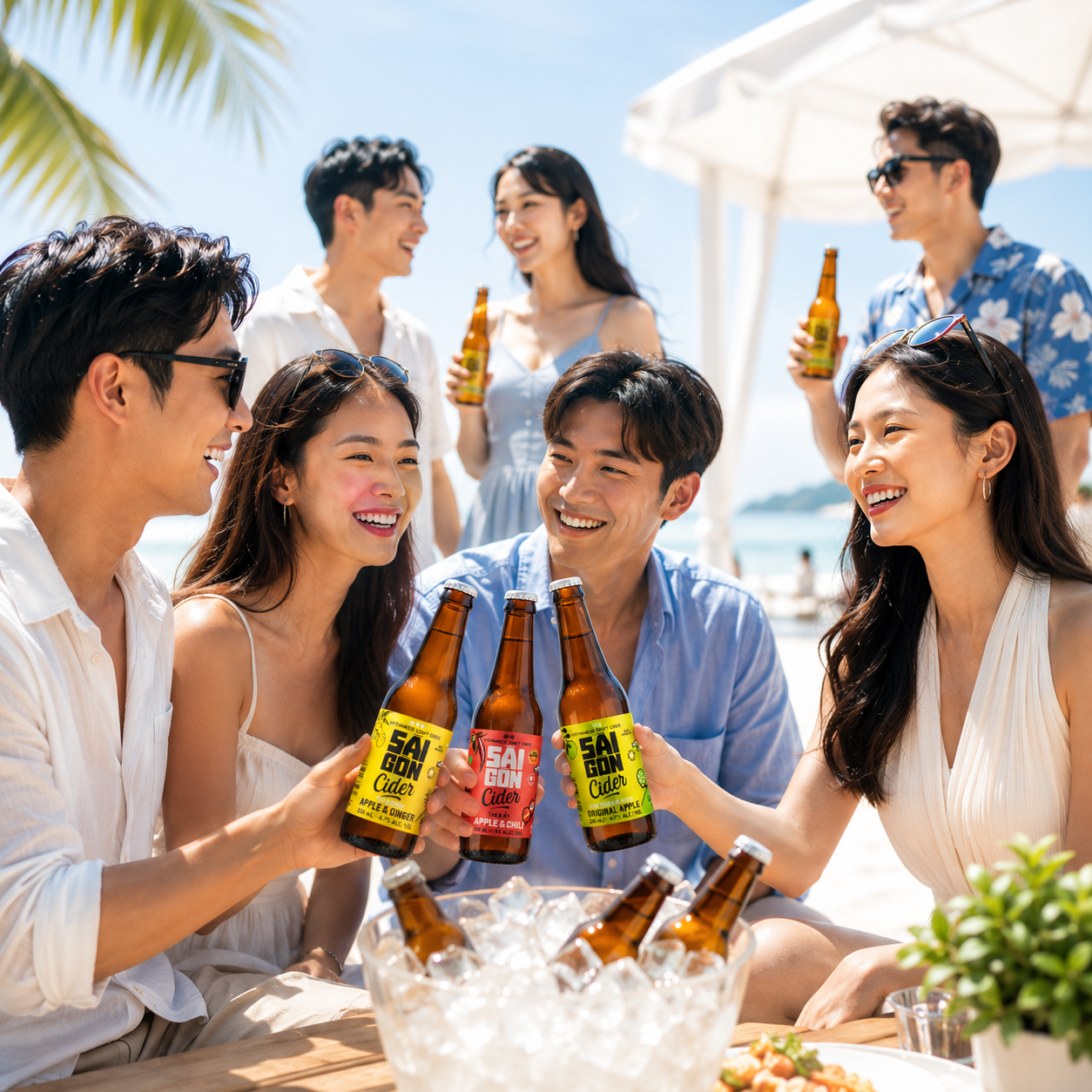


The beer market is changing alongside shifts in the behavior of young consumers. While purchasing decisions in the past were largely influenced by brand popularity, selling price, or consumption habits, young customers today tend to consider more factors before choosing a beer product.
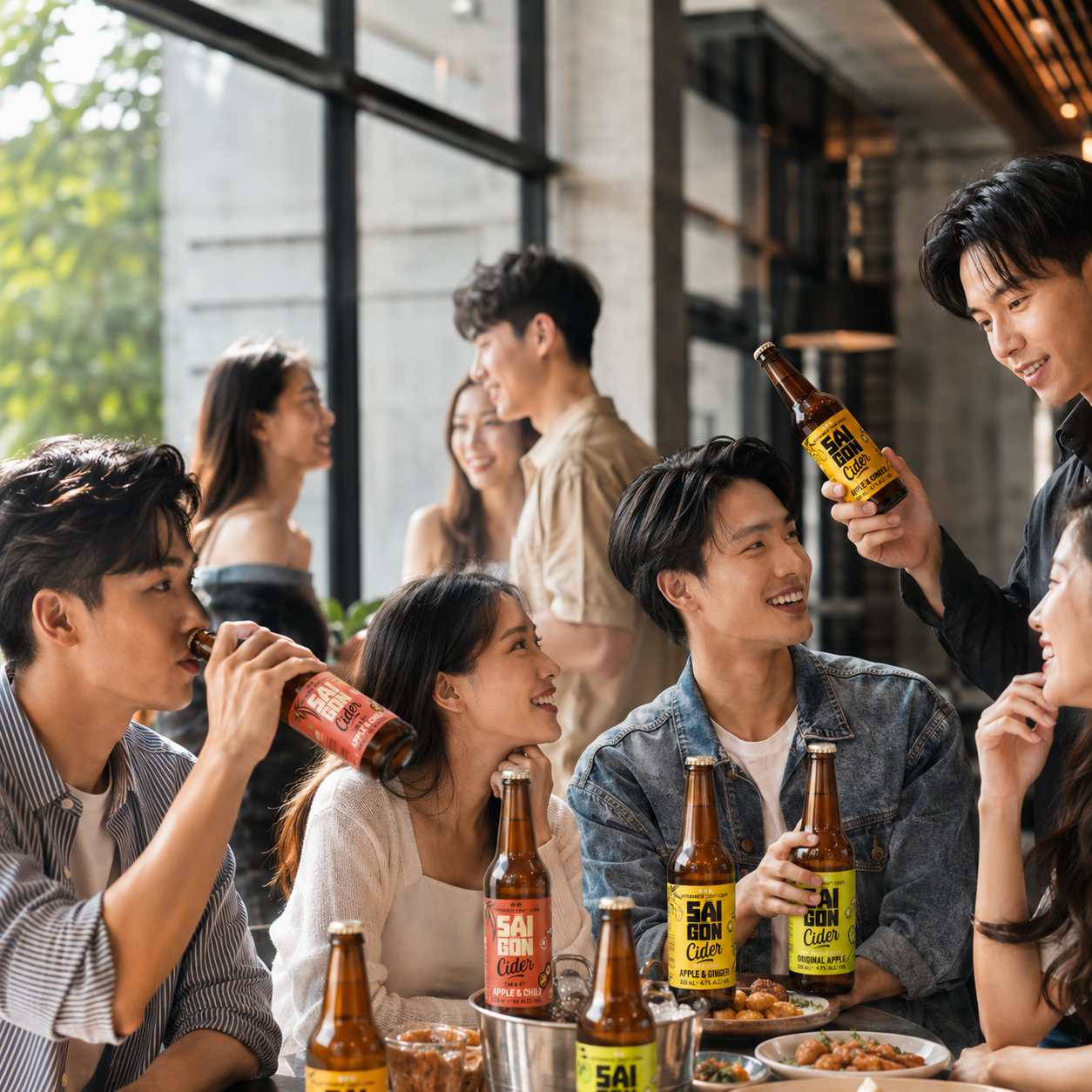

They may choose an easy-to-drink product for gatherings with friends, a beer with a more distinctive personality when attending events, or a product with a strong local identity when traveling.
This creates more opportunities for new brands but at the same time makes the challenge of formula development more difficult. A product that is too different may be difficult for the majority to approach, while a product that is too similar to existing choices may struggle to give customers a reason to try it.
Therefore, formula development should not begin with the question, “Which type of beer is selling well?”, but rather with the question, “What does the brand’s customer want to drink, in what circumstances, and for what reason?”
Once the positioning is clearly defined, R&D activities can truly deliver their value. The beer formula, intensity, drinking sensation, and the way the product is positioned in the market need to be developed in alignment.
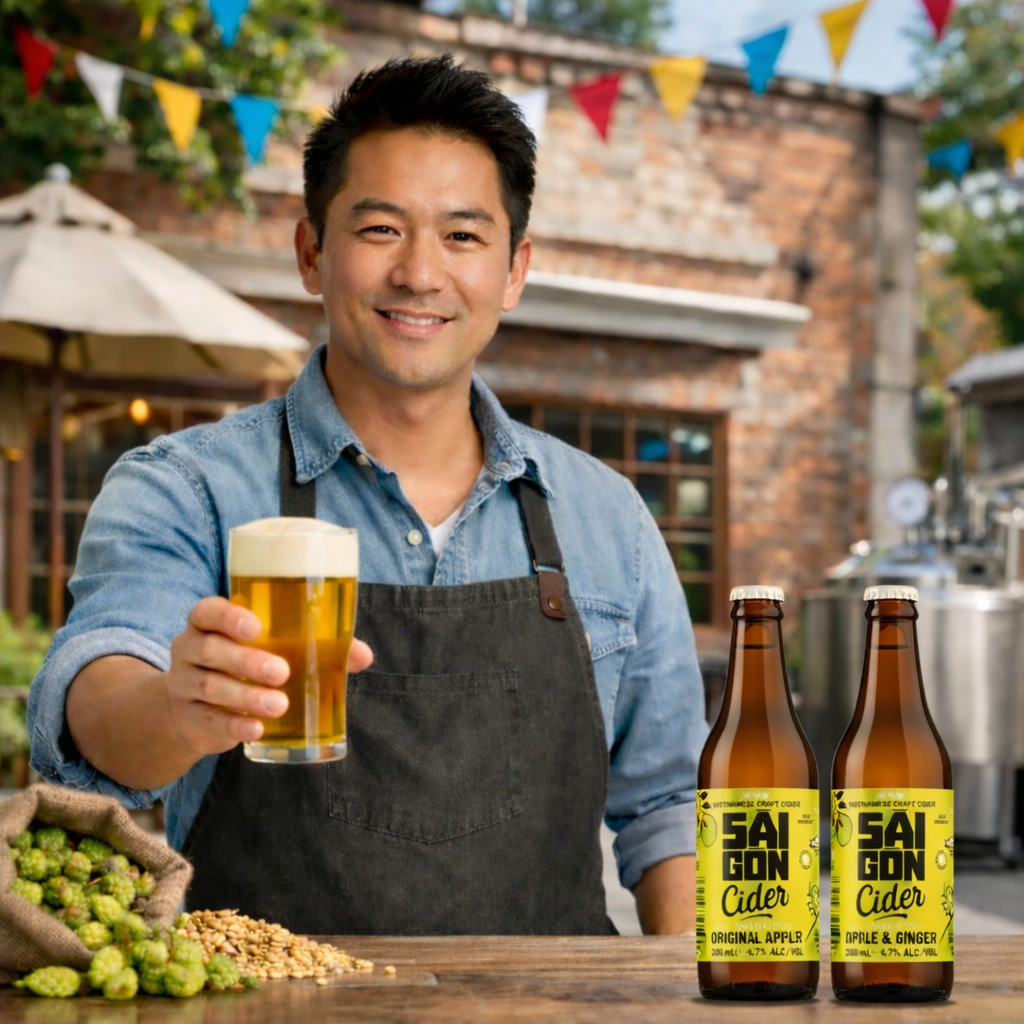
This is one of the advantages of the OEM beer manufacturing model. Businesses do not necessarily have to invest in the entire research and production system themselves, but can leverage the R&D capabilities of their partner to turn ideas into products with commercial potential.
At SMB, businesses can discuss product ideas, target customer groups, and flavor direction directly before moving to the production stage. Dedicated information can be sent via email Oem@biasaigonmt.com so that the OEM team can receive the request and provide consultation appropriate to each project.
Packaging and Brand Image Are Becoming Important Touchpoints
In today’s competitive environment, consumers often have only a few seconds to notice a new product. Packaging therefore becomes one of the first touchpoints between the brand and the customer.
For young customers, this role is even more evident because the product does not only appear in stores but also continuously appears in the digital environment. A well-designed beer can may appear in check-in photos, experience videos, restaurant posts, or content shared by customers themselves.
This makes packaging more than just a protective layer for the product. It has become part of the brand strategy.
An effective design needs to help customers quickly recognize the personality of the product. A beer targeting young customers may require a different presentation from corporate gift beer, beer intended for upscale restaurants, or products targeting the tourism market.
However, an attractive design on paper is not necessarily effective when put into production. Businesses also need to consider printing technology, materials, packaging specifications, costs, storage capacity, and transportation.
Therefore, connecting the brand team with the production unit from the beginning will help reduce many unnecessary adjustments during implementation. This is also why businesses should discuss packaging development with an OEM partner from the early stage rather than only looking for a factory after the design has been completed.
Businesses can also learn more about OEM solutions and product implementation directions on the official website https://oem.biasaigonmt.com/ before developing a production plan.
Social Media Is Changing How Beer Brands Are Discovered
The development of digital content platforms has significantly changed how young consumers discover a brand.
In the past, a beer product needed a long period of time to build brand awareness through distribution systems and traditional advertising. Today, a new brand can be discovered by customers through a piece of social media content, an event, a restaurant, or an experience shared by the community.

This creates opportunities for smaller brands but also increases the requirements for consistency.
Packaging, the brand story, the experience at the point of sale, and communication content need to convey the same positioning. If the product aims for a youthful image but the design is too traditional, or if the brand wants to build a premium segment but the point-of-sale experience is not consistent with it, customers will find it difficult to form a clear perception.
Marketing therefore should not begin after the product has already been manufactured. Marketing needs to be involved from the idea-building stage.
When brand positioning is defined in advance, the R&D team can develop a more suitable product, packaging has a basis for building the image, and communication activities can more easily create a consistent story.
For restaurants, F&B chains, tourism businesses, or retailers, this is also an opportunity to turn private label beer into part of the customer experience. Instead of simply selling a beverage product, businesses can create a distinctive point of identification associated with their space, services, and story.
If a business is researching this model, SMB can accompany it from the idea stage through commercial production. The OEM consulting team currently receives inquiries via hotline (+84) 94 1127575 and email Oem@biasaigonmt.com.
Brand Value Is Becoming More Important Than the Race for Low Prices
Price remains a factor in purchasing decisions, but it is becoming increasingly difficult for a brand to create a sustainable advantage if it competes solely through low prices.
Young consumers tend to evaluate the value of a product based on multiple factors at the same time. A higher price may be acceptable if customers perceive differences in flavor, design, experience, or brand story.
This is particularly meaningful for businesses developing private label beer.
Instead of aiming to create the cheapest product, businesses should determine a price level that is appropriate for the positioning. A beer line intended for restaurants, hotels, or corporate gifts will have a different value-building logic from a mass-market product sold through distribution systems.
The pricing issue is also directly related to production volume, packaging, and product configuration. If a business establishes too many requirements from the beginning without clearly defining the market, costs can increase rapidly and reduce competitiveness.
Conversely, if the product is developed based on a specific customer group, the business can more easily balance quality, brand image, and production costs.
This is why the role of an OEM provider should not stop at production. A capable partner needs to help the business assess product feasibility, production scalability, and factors affecting financial efficiency before entering large-scale production.
Opportunities for Businesses Developing Private Label Beer
The changing behavior of young customers shows that the beer market is becoming increasingly fragmented according to needs, experiences, and usage contexts.
This creates many opportunities for new brands.
A restaurant can develop a beer line that matches its food and space. A tourist destination can build a product with a strong local identity. A distributor can develop a private label for a specific region or customer group.
Instead of competing directly with major brands across the entire market, businesses can start with a smaller segment that has clear demand.
The OEM model makes this approach more feasible. Businesses do not need to immediately invest in a complete factory system but can use the existing production capabilities of a partner to focus resources on market research, brand building, marketing, and expanding distribution channels.
However, the advantages of OEM can only truly be realized when businesses choose a partner with sufficient R&D capabilities, quality control, stable production, and scalability.
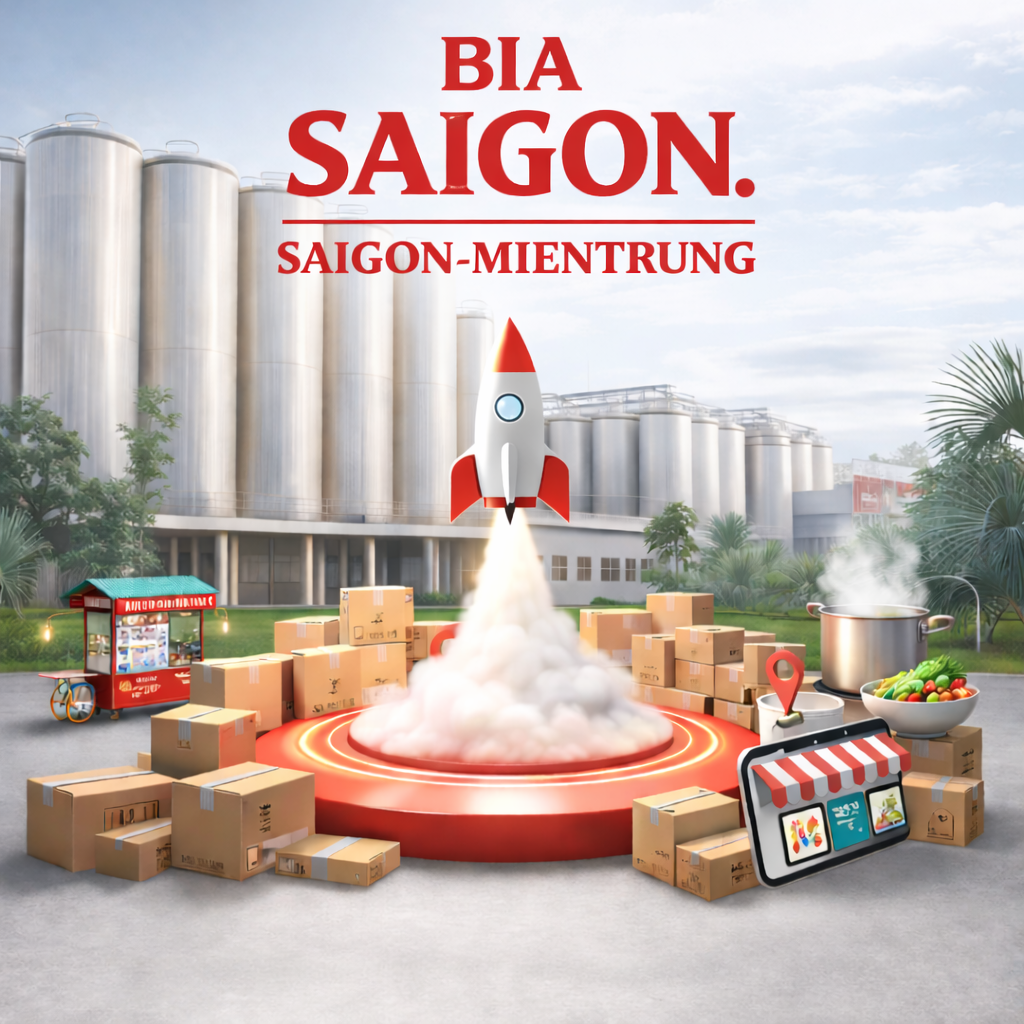
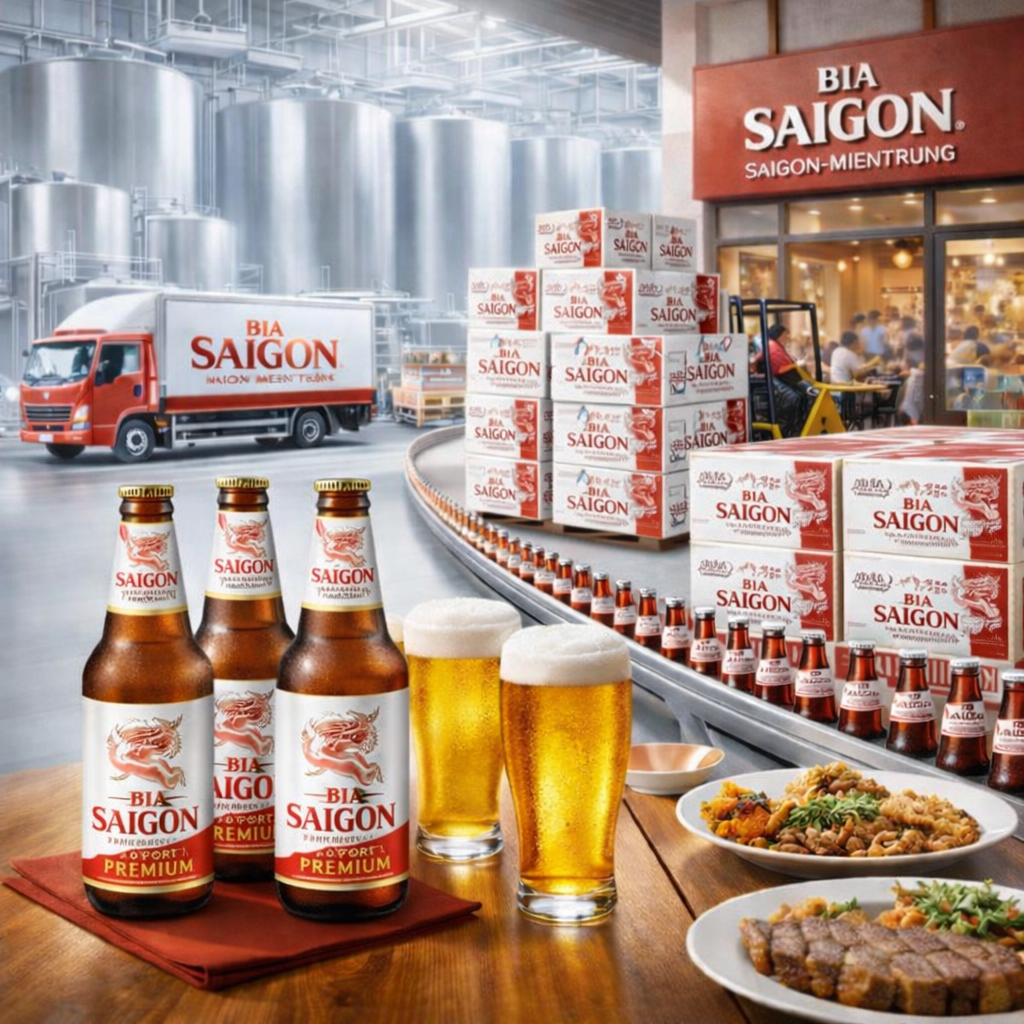
At Sai Gon – Mien Trung Beer Joint Stock Company (SMB), OEM activities are implemented on the foundation of industrial-scale beer production, together with research, quality control, and supply chain systems. Businesses can start from an idea, establish a product direction, develop the formula, finalize packaging, and gradually bring the product into commercial production.
In the context of young customers increasingly valuing experience and differentiation, the ability to quickly bring a suitable idea to market can become a significant competitive advantage.
A new brand does not necessarily need to own a factory to create a product with its own identity. More importantly, it needs to understand customers, choose the right segment, and build a consistent product from flavor to packaging and experience.
If a business is planning to develop private label beer for a restaurant, F&B chain, distribution system, tourism, events, or a specific customer segment, discussing the project with the OEM team from the early stage will help provide a clearer assessment of feasibility, costs, and an appropriate product development direction.
Contact Information for OEM Beer Consulting
Company: Sai Gon – Mien Trung Beer Joint Stock Company (SMB)
Head Office Address: 01 Nguyễn Văn Linh, Phường Tân An, TP. Buôn Ma Thuột, Tỉnh Đắk Lắk
OEM Consulting Hotline: (+84) 94 1127575
Dedicated Email: Oem@biasaigonmt.com
Official Website: https://oem.biasaigonmt.com/