

For more than two decades, the Vietnam beer market has been shaped by large corporations with multi-million USD marketing budgets, covering television, sports sponsorships, and outdoor advertising. However, entering the 2026 period, the competitive structure has undergone profound changes. As income per capita increases, the middle class expands, and younger consumer generations become the dominant force, the effectiveness of the “mass coverage” strategy has begun to decline. Consumers no longer choose beer solely based on brand recognition, but instead shift toward seeking personal experiences, storytelling, and cultural value.
The saturation of industrial beer products has made differentiation the core factor. This reflects a broader macroeconomic trend: when basic needs are met, consumption shifts toward emotion and identity. Mass advertising campaigns no longer create sustainable competitive advantages, as consumers can easily access information and make comparisons. The rise of social media, e-commerce, and the F&B community has opened up opportunities for smaller but distinctive beer brands.
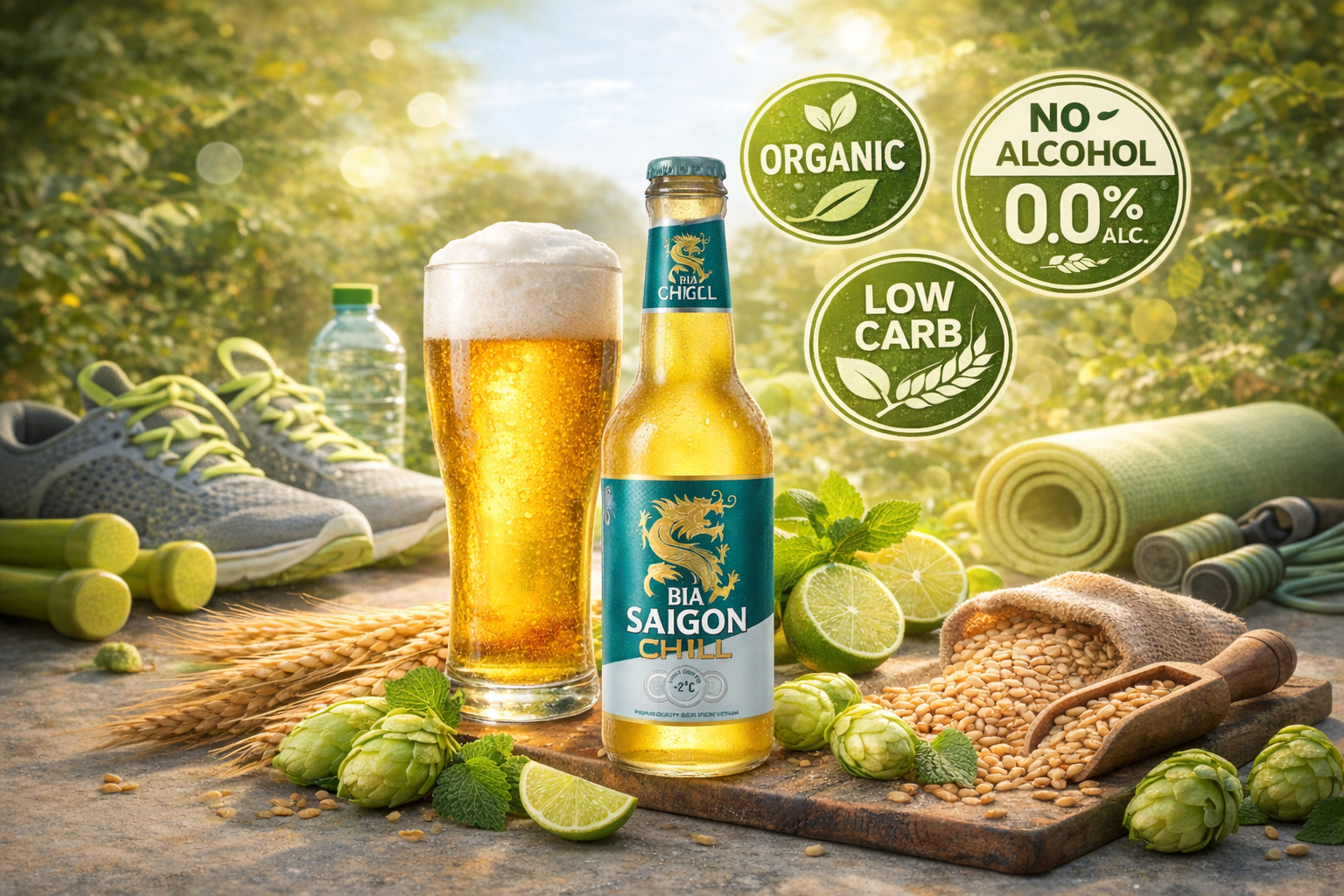
In this context, the Vietnam beer market in 2026 is witnessing the growth of craft beer, local beer, and especially private label beer. This is not merely a change in products, but a structural transformation of the industry. Large brands are forced to adapt, while smaller businesses leverage supply chain flexibility through the beverage OEM model. Within this ecosystem, the role of manufacturers such as Saigon Beer Central Region (SMB) beer OEM is becoming increasingly important, as they provide large-scale yet flexible production capacity, enabling new brands to launch faster and reduce investment risks.
Responsible Consumption trends and health-focused beer
By 2026, beer is no longer just a refreshing beverage or a product for social occasions. It has become part of a responsible and healthy lifestyle. This shift is driven by multiple factors: post-pandemic health awareness, increasing work pressure, and the widespread adoption of sports and wellness trends. Consumers are beginning to question sugar, carbohydrate, and alcohol content in beverages, creating opportunities for non-alcoholic beer, low-carb beer, and organic beer.
This is a global trend, but in Vietnam, it carries unique characteristics. A young, dynamic, and innovation-friendly market accelerates the adoption of new products. However, producing these types of beer requires advanced technology, strict quality control, and international certification systems. This creates significant barriers for startups or new F&B brands.
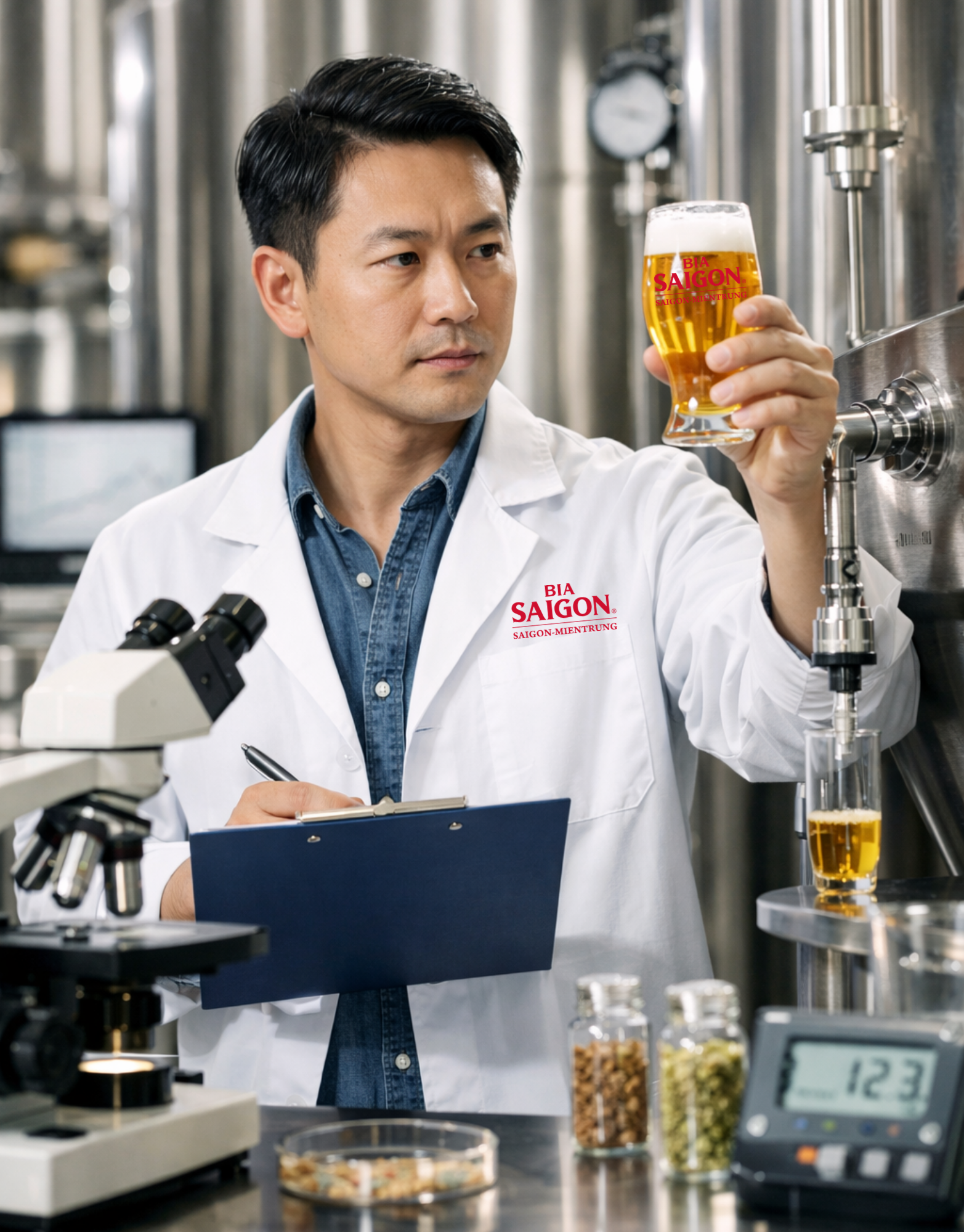
In this context, SMB emerges as a strategic partner. With internationally standardized quality control systems and flexible R&D capabilities, SMB can support brands in developing health-focused beer products without the need to invest in their own brewery. The integration of organic ingredient control processes, dealcoholization technology, and carbohydrate structure optimization enables products to meet export standards.
More importantly, responsible consumption is closely linked to environmental factors. Green production, energy efficiency, and supply chain transparency are becoming key competitive advantages. OEM manufacturers with sustainable strategies will gain long-term benefits. This is why SMB has invested heavily in environmentally friendly beer production systems, meeting the expectations of modern consumers.
Personalization – The golden key for F&B businesses
One of the most transformative changes in the Vietnam beer market in 2026 is the shift from mass consumption to personalization. In the past, the common mindset was “any beer will do,” but today, many young consumers seek products with a unique identity. This reflects the trend of “identity consumption,” where beer products become a medium for self-expression.
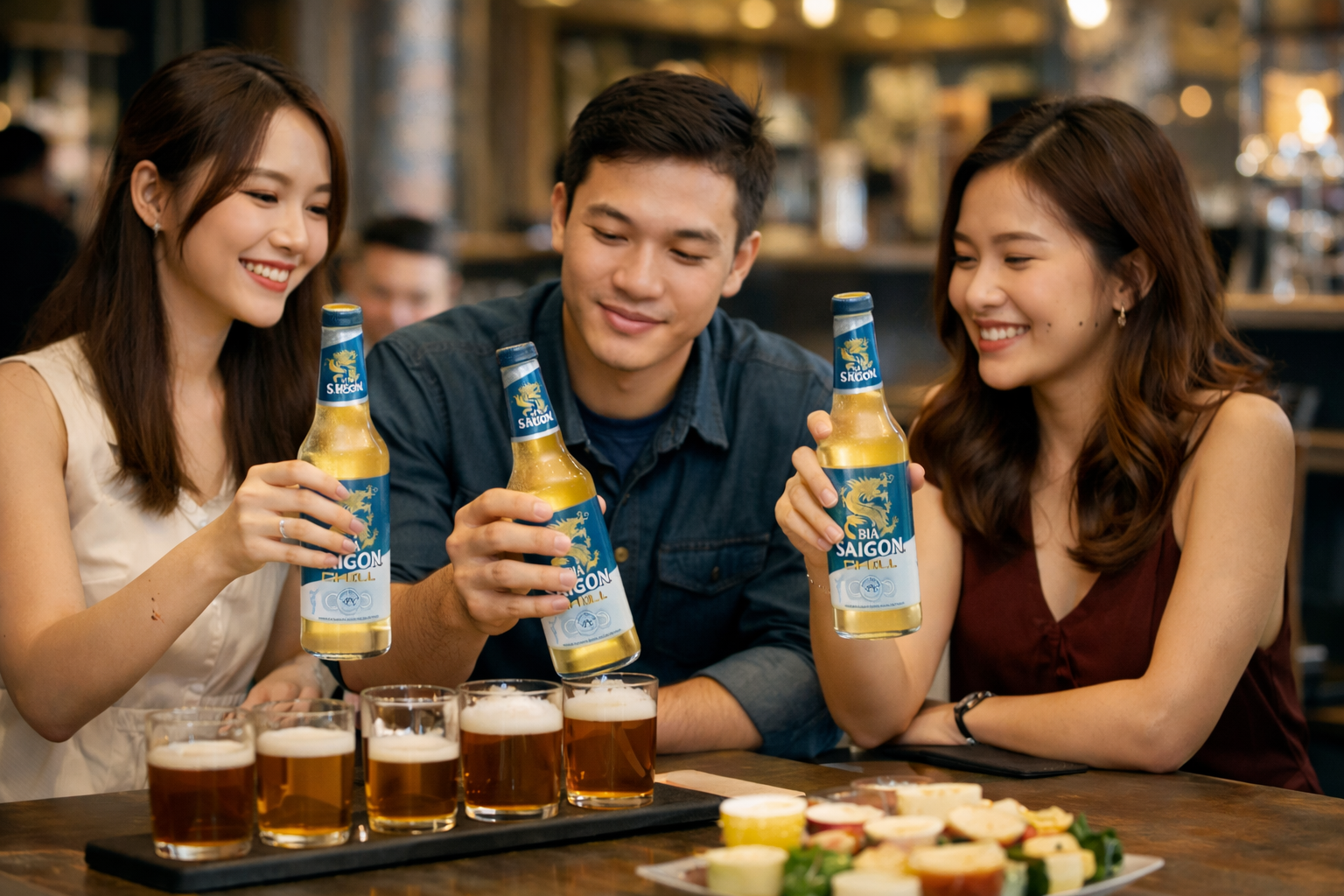
Restaurant chains, hotels, and premium dining venues quickly recognize the opportunity. Instead of selling popular beer brands, they develop their own private label beer lines to enhance both customer experience and profitability. The private label beer trend allows them to control quality, pricing, and differentiation. At the same time, beer becomes a powerful marketing tool, strengthening customer engagement.
The OEM model plays a central role in this strategy. F&B businesses do not need to invest in a brewery; instead, they can collaborate with SMB to develop beer formulas, design packaging, and handle beer production. This flexibility significantly shortens time-to-market, a critical factor in the F&B industry.
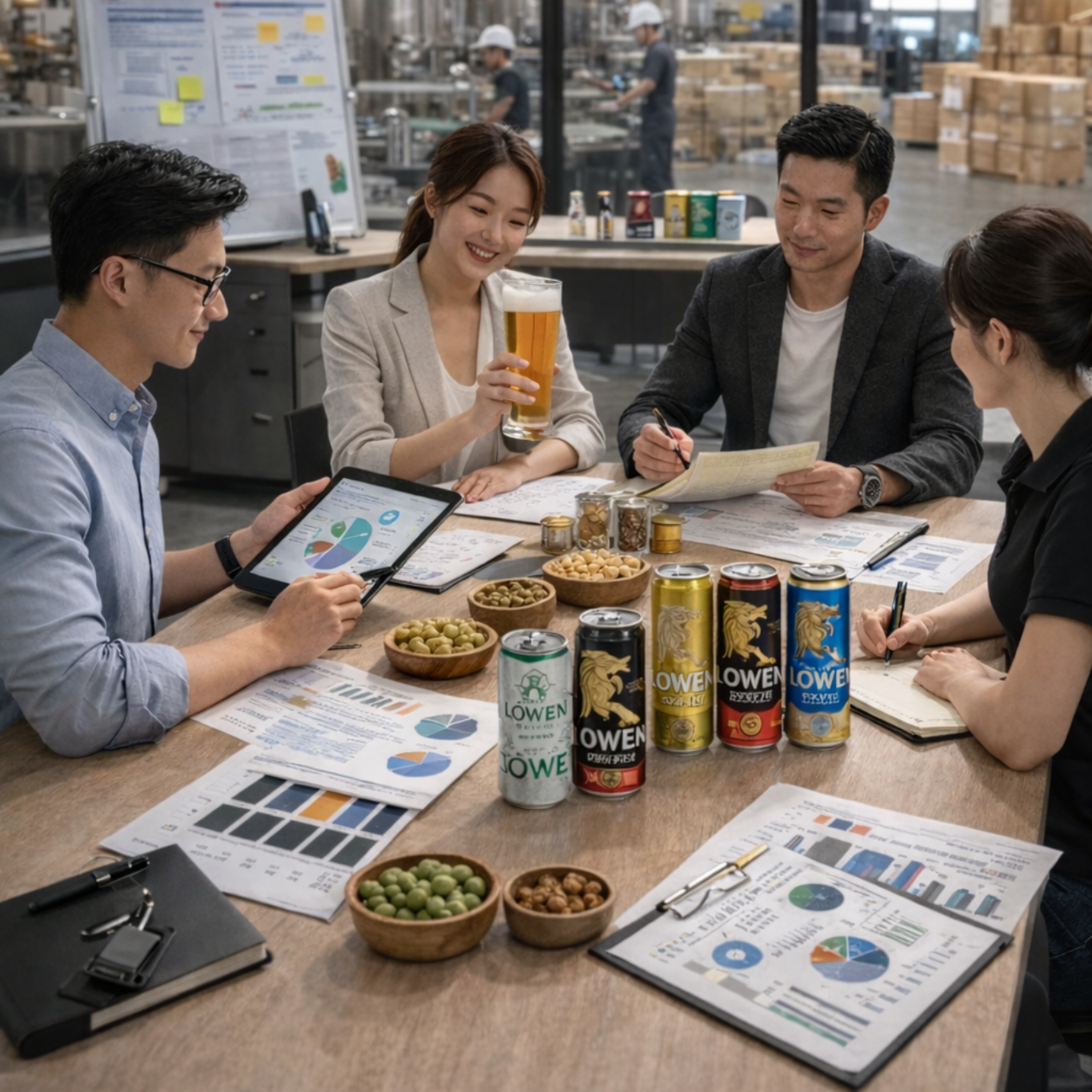
SMB not only provides beer manufacturing but also supports local taste research, specialty ingredient testing, and cost optimization. This enables brands to quickly adjust products based on customer feedback. As a result, personalization is no longer just a trend, but a new growth driver for the beer industry.
Cost challenges in an inflationary context and the advantage of a “manufacturing low-cost zone”
The period from 2024 to 2026 has seen strong global inflationary pressure, driving up costs of raw materials, energy, and labor. In the beer industry, investing in a brewery has become a high-risk decision. Long payback periods, fluctuating demand, and intense competition are pushing many businesses toward outsourcing models.
Central Vietnam has emerged as a “manufacturing low-cost zone” with competitive advantages. Labor costs are 35–60% lower than major industrial hubs, while electricity costs are 20–25% cheaper, creating a clear advantage. This is particularly important in beer production, which is energy-intensive.
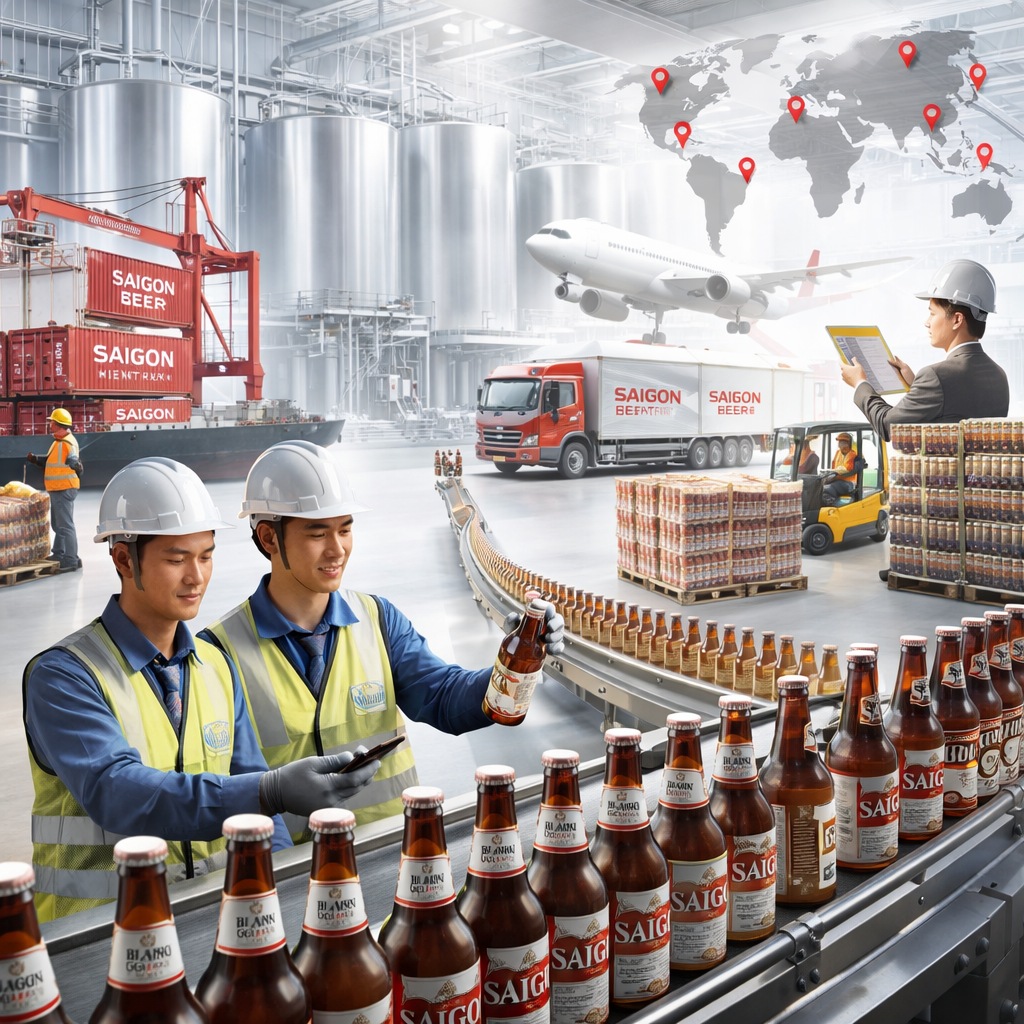
Saigon Beer Central Region (SMB) beer OEM leverages these advantages to offer competitive pricing while maintaining high quality standards. In addition, its proximity to seaports helps reduce logistics costs, especially for export.
Partnering through the OEM model allows businesses to convert fixed costs into variable costs. This increases financial flexibility, particularly in uncertain market conditions. This is also why more beverage startups are choosing beer OEM instead of building their own production facilities.
Packaging revolution and the new design language
Packaging is no longer a supporting element but has become a key brand communication tool. Young consumers care about aesthetics, experience, and sustainability. Premium sleek cans, artistic design, and eco-friendly materials are gradually replacing traditional beer cans.
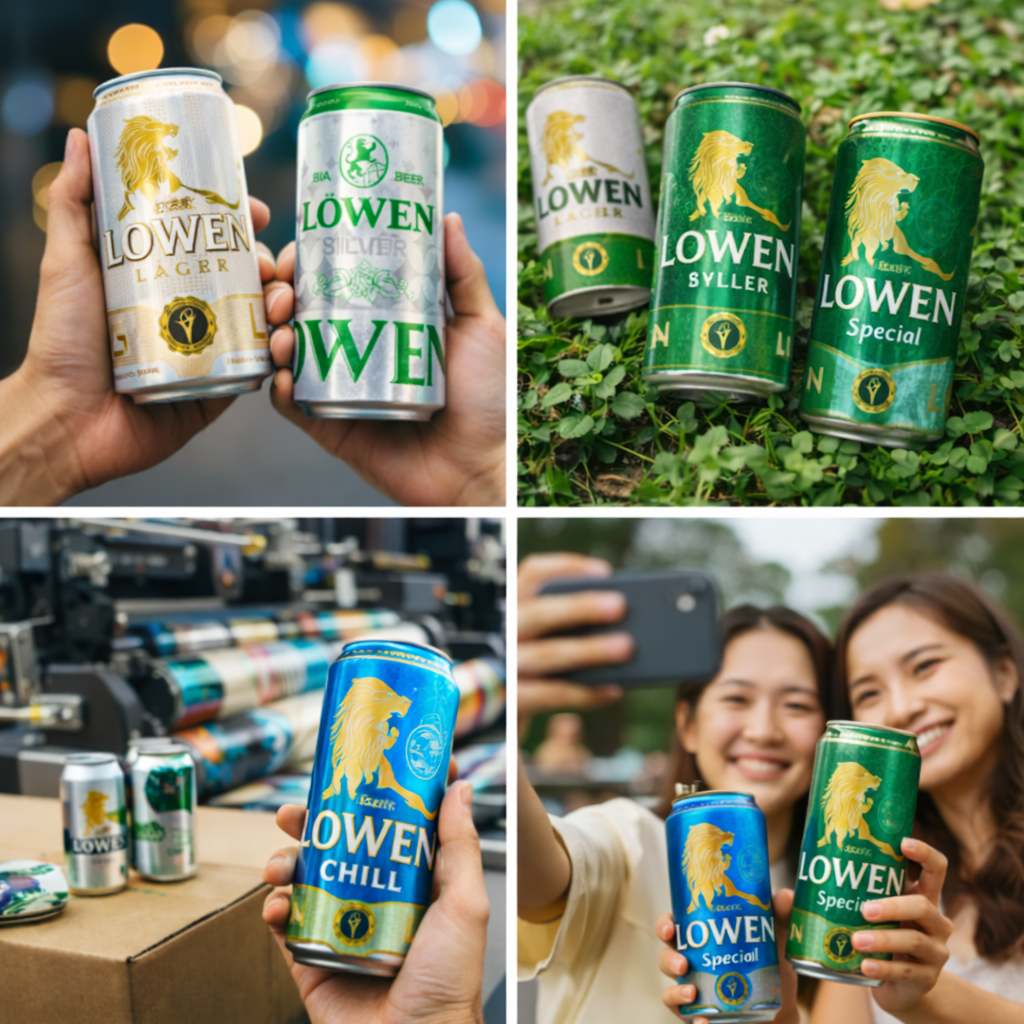
This trend is closely linked to the growth of e-commerce and social media. Attractive beer packaging enables products to spread organically, reducing marketing costs. At the same time, sustainable packaging solutions reflect the brand’s social responsibility.
SMB has invested in modern printing systems, allowing the deployment of multiple SKUs with flexible volumes. This enables brands to quickly test new ideas. The ability to produce diverse beer packaging formats also helps businesses easily access premium segments.
Vietnam beer exports – Leveraging FTA “gateways”
In the context of slowing domestic consumption, export has become a new growth driver. Trade agreements such as EVFTA and CPTPP open up significant opportunities for Vietnamese beer exports to access international markets with preferential tariffs.
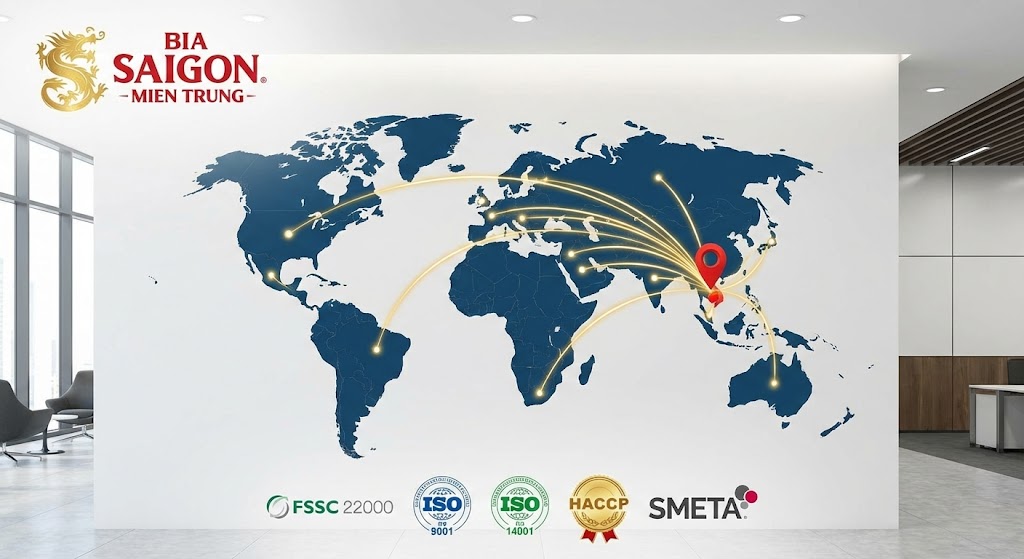
However, the biggest barrier lies in quality standards and certifications. Developed markets require strict control systems such as FSSC 22000. This is an area where SMB has a strong advantage, with capabilities in handling documentation and international audits.
As a result, trading companies can build export-oriented beer brands without investing in their own breweries. This helps increase the overall value of the Vietnam beer industry.
Vision 2030 – Building a sustainable beverage ecosystem
By 2030, the Vietnam beer industry will no longer be a game of volume, but of value. The collaboration between OEM manufacturers and brand owners will create a diverse, flexible, and innovative ecosystem.
SMB can become a central hub connecting beer production technology, international markets, and local brands. This transformation would position Vietnam from a beer-consuming country to a high-value beverage production hub.
Sustainability, personalization, and technology will shape the future. In this ecosystem, OEM is not just a manufacturer, but a strategic partner that enables brands to grow faster and more sustainably.
CONTACT SMB FOR FREE OEM CONSULTATION
Company: Saigon Beer Central Region Joint Stock Company (SMB)
Address: 01 Nguyen Van Linh, Tan An Ward, Buon Ma Thuot City, Dak Lak Province
OEM Consultation Hotline: (+84) 94 1127575
Email: oem@biasaigonmt.com
Website: https://oem.biasaigonmt.com/