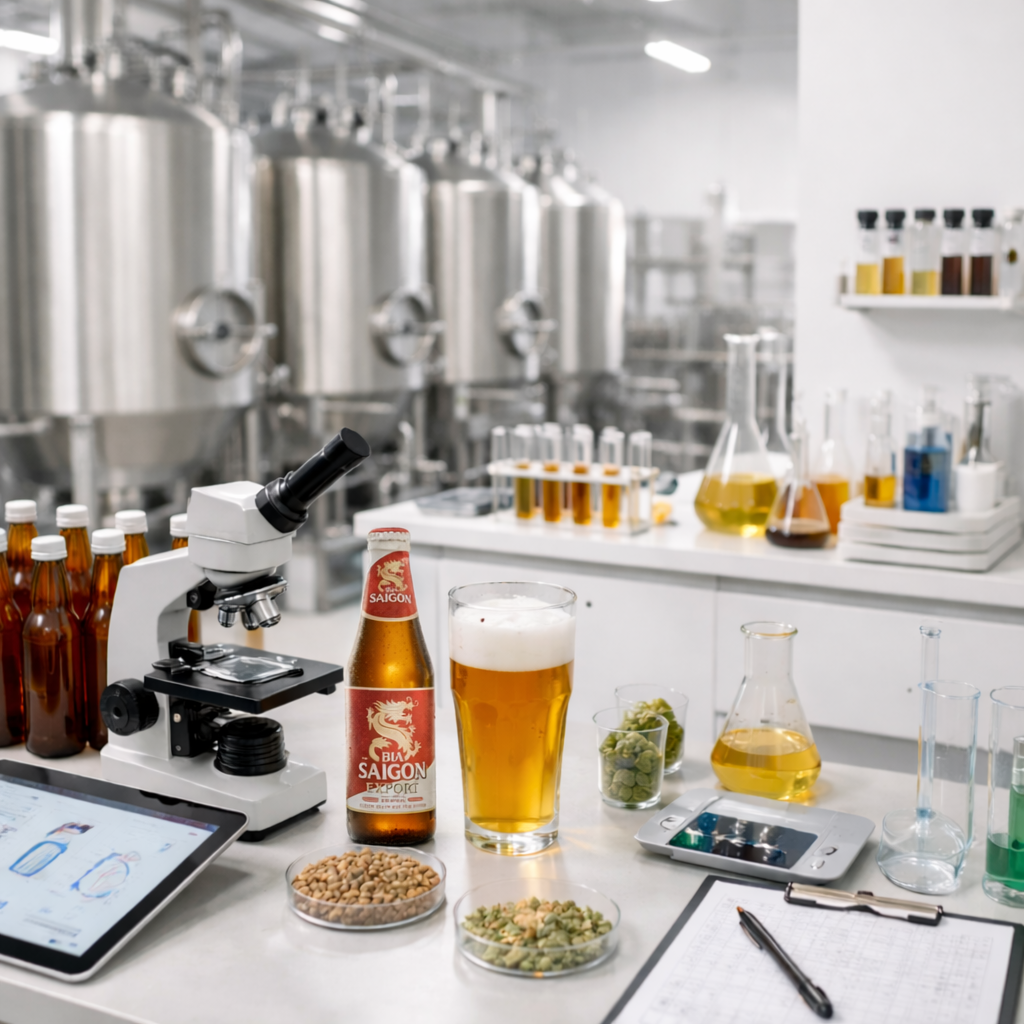


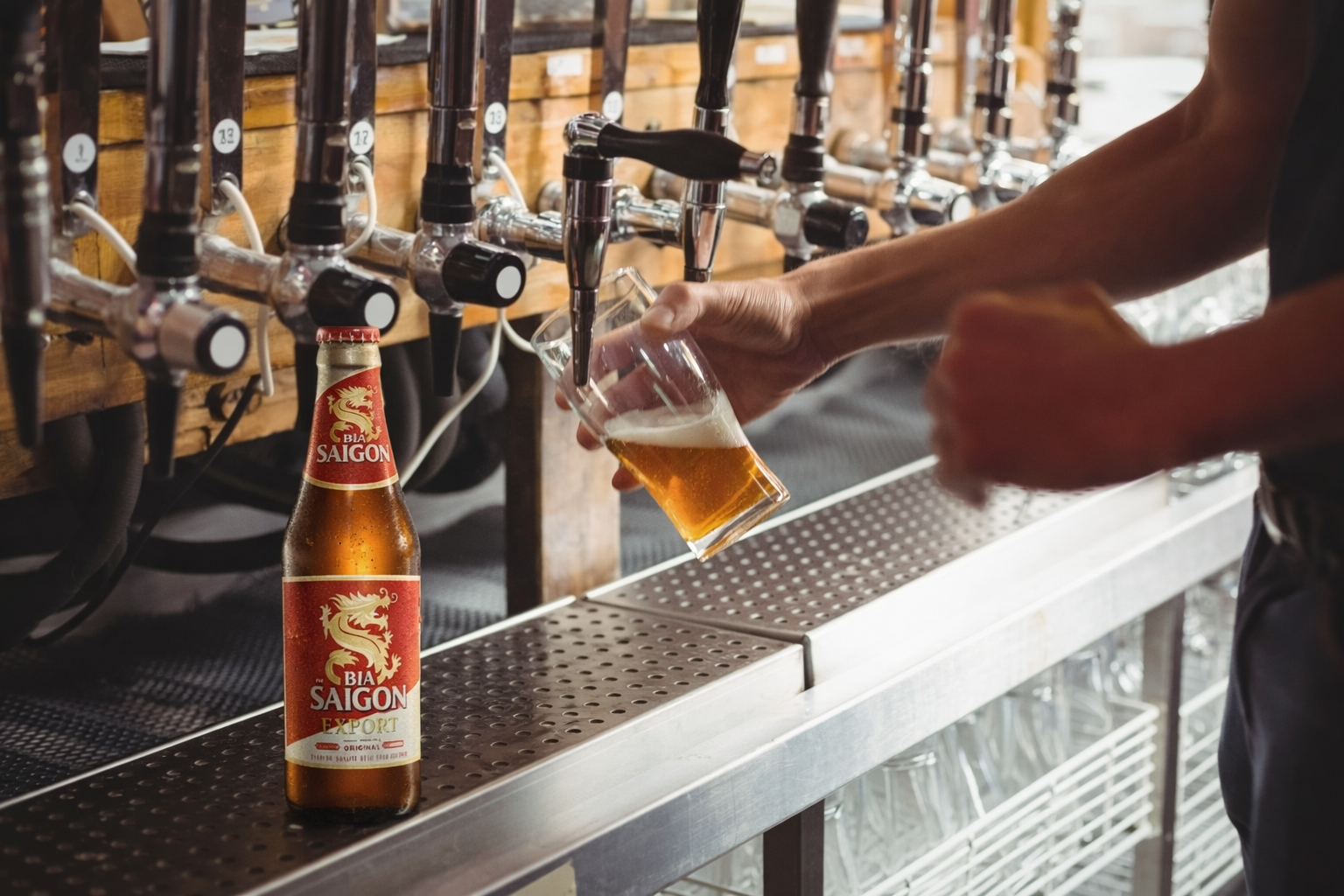
Starting a business in the beer industry is an exciting journey.
Why Create a Private Label Beer? The Benefits of Owning Your Own Beer Brand
Before diving into the process, let’s explore why owning a private beer brand is a worthwhile idea—especially in the context of a rapidly growing beverage market.
Creating a Unique and Distinct Identity
In a competitive market, creating a product with its own identity is key. A private label beer allows you to tell your own story, express your personality, and convey core values that large brands find difficult to replicate. This could be a unique beer recipe, an eye-catching packaging design, or a compelling story behind the inspiration for the product.
Tapping into Niche Market Demand
The beer market is not limited to mainstream beer styles. Demand for craft beer, low-calorie beer, non-alcoholic beer, or beers with distinctive flavors is steadily increasing. Creating your own beer brand enables you to focus on a specific customer segment, meet precise needs, and build customer loyalty. A successful “beer startup” often begins with a deep understanding of its niche market.

Quality Control and Production Process
When producing on your own or partnering with an OEM manufacturer (such as Bia Sài Gòn Miền Trung), you gain strict control from raw materials to the brewing and packaging processes. This ensures consistent product quality, alignment with your original vision, and the establishment of strong brand credibility.
High Profit Potential
With an effective marketing and distribution strategy, a private label beer can deliver attractive profit margins. Minimizing intermediary costs and building direct relationships with customers helps optimize revenue.
Are you ready to own a beer brand that carries your personal signature? Don’t let technical concerns hold back your passion. Let Bia Sài Gòn Miền Trung help you bring your idea to life with a professional OEM process.
👉 Get consultation on building your own beer brand now!
Email: Oem@biasaigonmt.com
Phone: (+84) 262 3877519 – Hotline: (+84) 94 1127575
Step 1: Market Research and Defining Your Beer Style
This is the most important step, laying the foundation for the entire project.
Understand Your Target Market
-
Who are your customers? What is their age range, preferences, and income level?
-
In what occasions do they drink beer? Parties, relaxing at home, special events?
-
Who are your competitors? What types of beer are they offering, and what are their strengths and weaknesses?
-
What are current market trends? Craft beer, low-calorie beer, fruit-flavored beer, etc.
A deep understanding of the market will help you shape the right product and business strategy.

Choosing a Beer Style
The world of beer is incredibly diverse, with hundreds of different styles: Lager, Ale, IPA, Stout, Wheat Beer, Porter, Sour Beer, etc. Each style has its own characteristics in terms of color, flavor, alcohol content, and ingredients.
-
Lager: Popular, easy to drink, crisp and refreshing. Suitable for the mass market.
-
Ale: More diverse in flavor, often richer and more complex.
-
IPA (India Pale Ale): Distinguished by pronounced hop bitterness and aromas of fruit and herbs.
-
Stout/Porter: Dark in color, with flavors of coffee, chocolate, and roasted malt.
-
Wheat Beer: Refreshing, with characteristic banana and clove aromas.
Choose a style that matches the preferences of your target customers and your production capabilities. Don’t hesitate to experiment with variations or combine styles to create a unique flavor profile.
Brand Positioning and Product Story
What does your brand stand for? What kind of feeling will it bring to the drinker? A meaningful and unique story will make your product more memorable. This is when you start thinking about the brand name, logo, and the message you want to convey.
Market Research and Defining the Beer Style
Step 2: Developing the Formula and Production Process
Once you have a clear direction for the beer style, the next step is turning the idea into a real product.
Developing the Beer Recipe
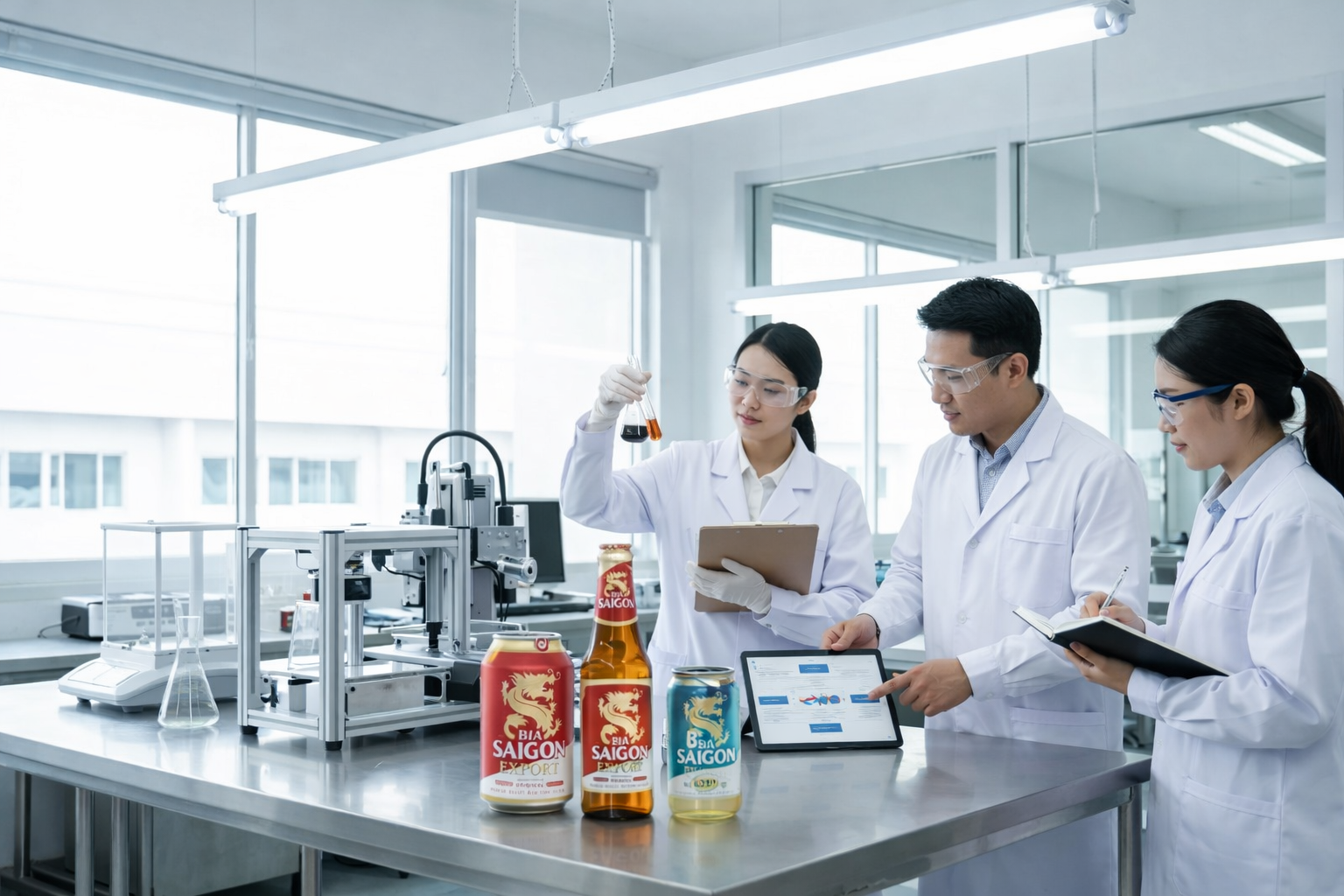
This is the heart of the product. If you are a home brewer, you may experiment with recipes on your own. However, for commercial-scale production, partnering with brewing experts or an OEM manufacturer is a smart choice.
-
Ingredients: Malt, hops, yeast, and water. The quality of ingredients plays a major role in determining the final flavor.
-
Ratios and Timing: The proportions of ingredients and the timing of brewing, fermentation, and maturation all affect the beer’s characteristics.
-
Testing and Adjustment: Recipe development usually requires multiple rounds of testing and fine-tuning to achieve the desired flavor.
Choosing a Production Method: In-House Production or OEM Partnership?
This is a critical strategic decision for beer startups.
In-House Production
Pros: Full control over the entire process; deep hands-on learning and experience.
Cons: Requires major investment in facilities, equipment, manpower, and licensing. High risk for beer startups with limited resources.
OEM (Original Equipment Manufacturer) Production Partnership
Pros: Significantly lowers the barriers to entry. You don’t need to invest in factories or machinery. Partners such as Bia Sài Gòn Miền Trung already have the infrastructure, expert teams, and standardized production experience.
Cons: Direct hands-on control may be lower (though close supervision is still possible).
Solution for startups:
OEM collaboration is the ideal choice for beer startups that want to focus on brand development, marketing, and distribution while reducing the burden of production. OEM breweries can produce beer based on your existing recipe or consult and develop new formulas with you. Bia Sài Gòn Miền Trung is a typical example of a factory providing such services.
Ensuring Quality and Food Safety
Whether producing in-house or working with an OEM partner, compliance with food safety and hygiene standards is mandatory. This includes:
-
Inspection of raw materials: Ensuring clean, high-quality inputs.
-
Closed, sterile production processes: Preventing contamination.
-
Temperature and pH control: Ensuring proper fermentation.
-
Final product testing: Verifying quality and safety before market release.
Beer startups don’t need to own a multi-million-dollar factory! With OEM services at Bia Sài Gòn Miền Trung, you gain access to modern production systems, leading brewing experts, and internationally standardized processes—without worrying about initial capital investment. We exist to help you optimize costs and minimize risks.
📞 OEM consultation hotline: 0262 3877519
🌐 Learn more about our production capabilities: Company profile
Step 3: Packaging Design and Brand Building
Packaging not only protects the product but also serves as the face of the brand, attracting customer attention.
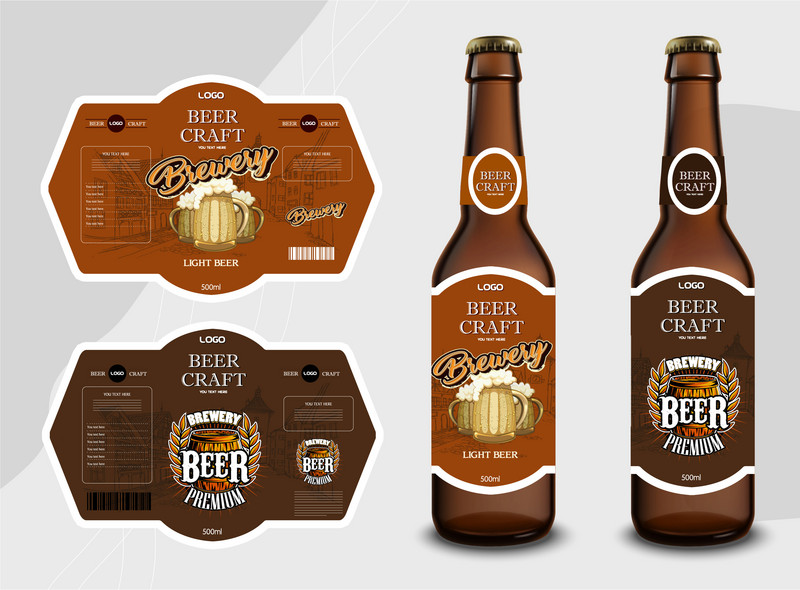
Label and Packaging Design
-
Brand name and logo: Memorable, distinctive, and reflective of the beer style and brand story.
-
Colors and imagery: Create a strong visual impression, aligned with the beer style (e.g., bright yellow for Lager, dark tones for Stout).
-
Product information: Beer name, beer type, alcohol content, volume, ingredients, production date/expiry date, manufacturer information, health warnings. Ensure compliance with legal regulations.
-
Material and format: Glass bottles, aluminum cans, kegs. Choose options that suit your distribution goals and budget.
Building a Brand Story
Each bottle of beer is not just a beverage, but a story. A brand story helps customers emotionally connect with your product.
-
Source of inspiration: What motivated you to “create your own beer”?
-
Core values: What does your brand stand for? Quality, innovation, local identity?
-
Unique message: What makes your beer different?
-
Geographical and cultural highlights: If possible, integrate local elements to create a sense of familiarity and connection.
Brand Protection
Registering your brand name and logo is a crucial step to protect your intellectual property and avoid future legal disputes. This also helps you build a solid foundation for your beer startup.
Step 4: Completing Legal Procedures and Licenses
The production and trading of alcoholic beverages are strictly regulated by law. This is a major barrier, but one that cannot be ignored.
Business Registration
-
Type of business entity: Sole proprietorship, limited liability company (LLC), or joint-stock company. Choose the structure that fits your scale and objectives.
-
Business codes: Ensure you register the correct business codes related to beer production and alcoholic beverage trading.

Licenses for Beer Production and Trading
This is the most complex group of licenses and involves many strict requirements:
-
Beer production license: Requires compliance in terms of factory facilities, equipment, production processes, personnel, quality control, and food safety and hygiene. If you cooperate under an OEM model, the OEM partner will take primary responsibility for this license.
-
Alcohol and beer trading license: Applies to distribution and retail activities.
-
Certificate of eligibility for food safety conditions: Mandatory for all food production and business establishments.
-
Product conformity/standard declaration: Ensures your product complies with regulations on quality and safety.
Other Licenses (If Applicable)
-
Environmental permits: For wastewater treatment and solid waste management.
-
Fire prevention and fighting license.
-
Advertising license (if required).
Completing these procedures may take time and effort, but they form a solid legal foundation for your beer startup. Cooperating with a reputable OEM partner such as Bia Sài Gòn Miền Trung can significantly simplify this process, as we already possess most of the required licenses and extensive experience in handling production-related procedures.
Step 5: Developing a Marketing and Distribution Plan
Having a great product is not enough—you need to get it into consumers’ hands.
Building a Pricing Strategy
-
Production cost: Including raw materials, labor costs, utilities, machinery depreciation, and OEM fees.
-
Marketing and distribution costs.
-
Competitors’ pricing.
-
Perceived customer value: Which segment is your beer positioned in—mass market, premium, or specialty?
Distribution Channels
-
Traditional channels: Restaurants, bars, supermarkets, convenience stores.
-
Modern channels: Online sales (website, social media), e-commerce platforms.
-
Direct distribution: At the brewery, brand-owned stores, events.
-
Partnerships with distributors: To expand market reach.
Marketing and Promotion Strategy
Online Marketing
-
Professional website: Introduce the product and the brand story.
-
Social media: Instagram, Facebook, TikTok – platforms to reach younger audiences and build a community.
-
SEO (Search Engine Optimization): Optimize search engines so customers can easily find you.
-
Paid advertising (PPC): Google Ads, Facebook Ads.
-
Influencer Marketing: Collaborate with influencers in the beer or food & beverage industry.
Traditional Marketing
-
Organize product launch events.
-
Participate in beer festivals and food events.
-
Partner with F&B venues to host beer tasting sessions.
-
PR (Public Relations): Write press articles, conduct interviews.
Customer Care and Community Building
Respond promptly to customer inquiries and feedback. Build a community of beer lovers through interactive activities and special offers. This helps create “brand ambassadors” and maintain customer loyalty.
Step 6: Continuous Evaluation and Improvement
The market is constantly changing, and a successful beer startup is one that is always ready to adapt and improve.
Collecting Feedback
-
From customers: Surveys, interviews, online reviews.
-
From partners: Distributors, venue owners.
-
From the internal team.

Business Data Analysis
-
Sales performance: Which beer styles sell best? Which distribution channels are the most effective?
-
Costs: Which cost items can be optimized?
-
Profitability: Evaluate overall business performance.
Product and Strategy Innovation
Based on feedback and data, consider:
-
Adjusting beer recipes: Improve flavor profiles and experiment with new variants.
-
Launching new products: Expand the product portfolio to serve broader customer segments.
-
Adjusting marketing and distribution strategies: Optimize to achieve higher effectiveness.
The journey of “creating your own beer brand” is not a destination, but a continuous process of learning and growth.
Don’t Stop at the Idea – Start Your “Private Label Beer” Journey Today!
The market is ready for new and distinctive flavors, and Bia Sài Gòn Miền Trung is the most solid “launching pad” for your beer startup. We are committed to:
-
Protecting proprietary recipes with strict confidentiality.
-
Delivering consistent beer quality that meets export standards.
-
Providing flexible support from small to large production scales.
🚀 Contact the expert team at Bia Sài Gòn Miền Trung to receive a detailed quotation and startup roadmap:
-
Website: https://oem.biasaigonmt.com/
-
Email: Oem@biasaigonmt.com
-
Phone: (+84) 262 3877519 – Hotline: (+84) 94 1127575
-
Address: 01 Nguyen Van Linh Street, Tan An Ward, Dak Lak Province
Beer Sai Gon Mien Trung – A trusted partner, elevating your beer brand to the next level!