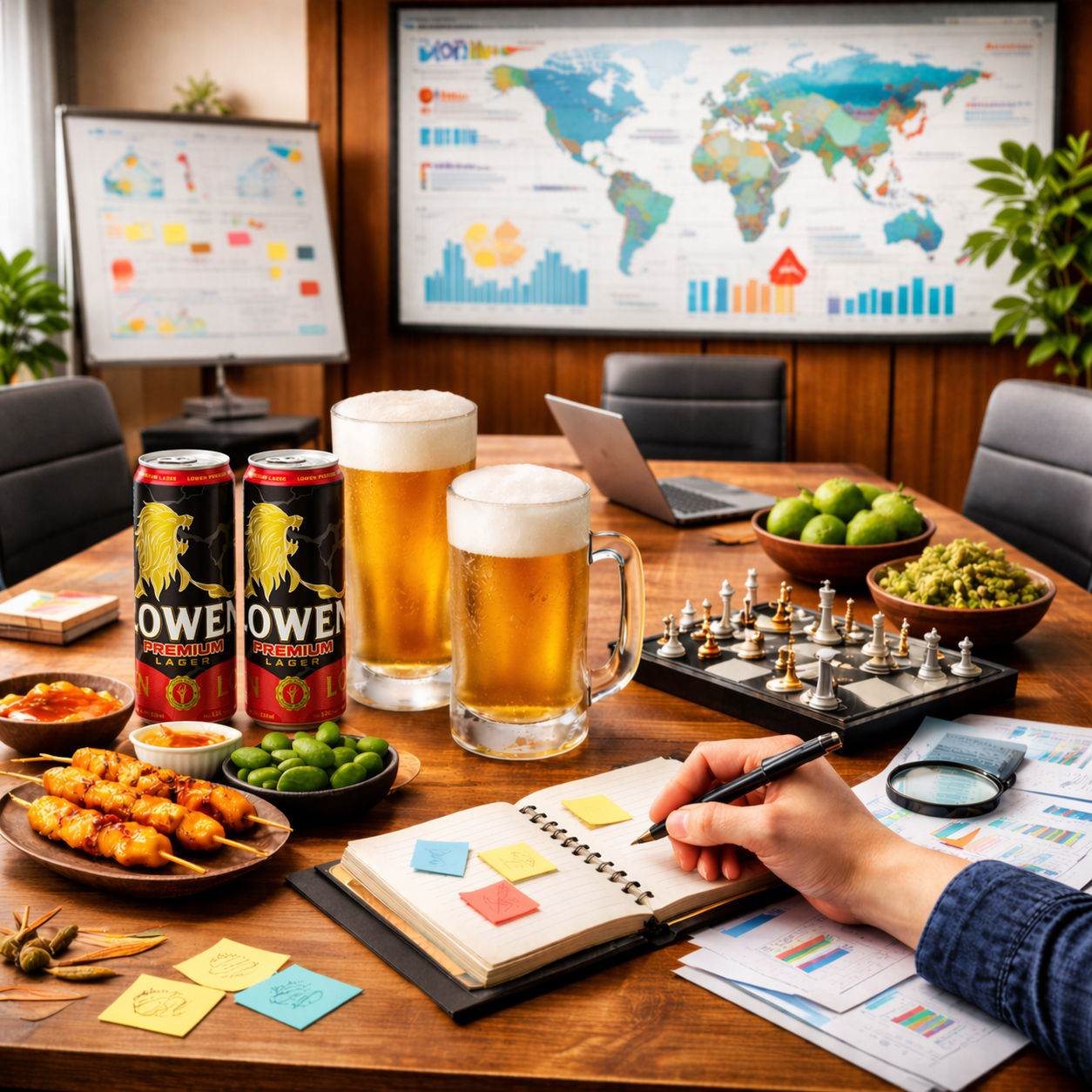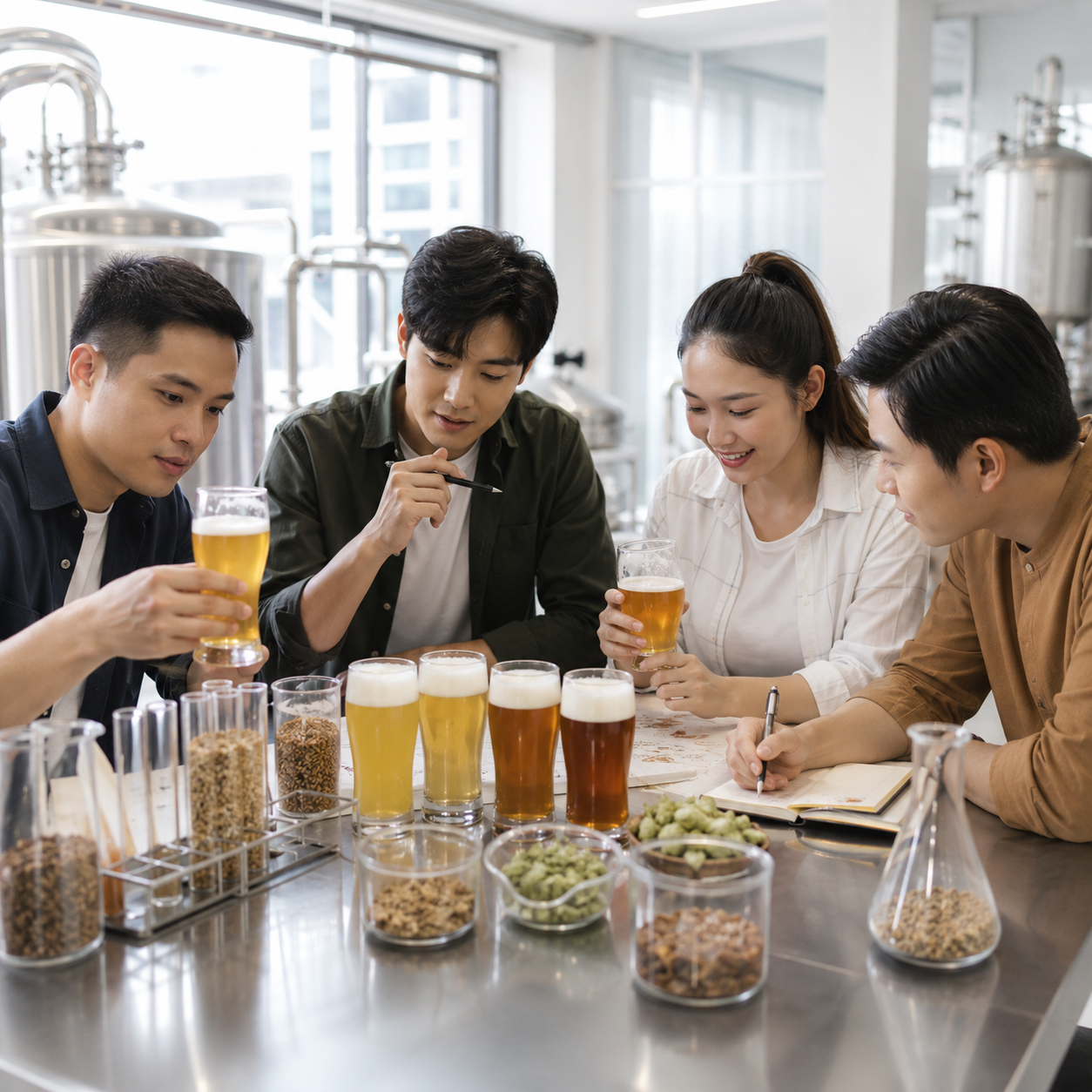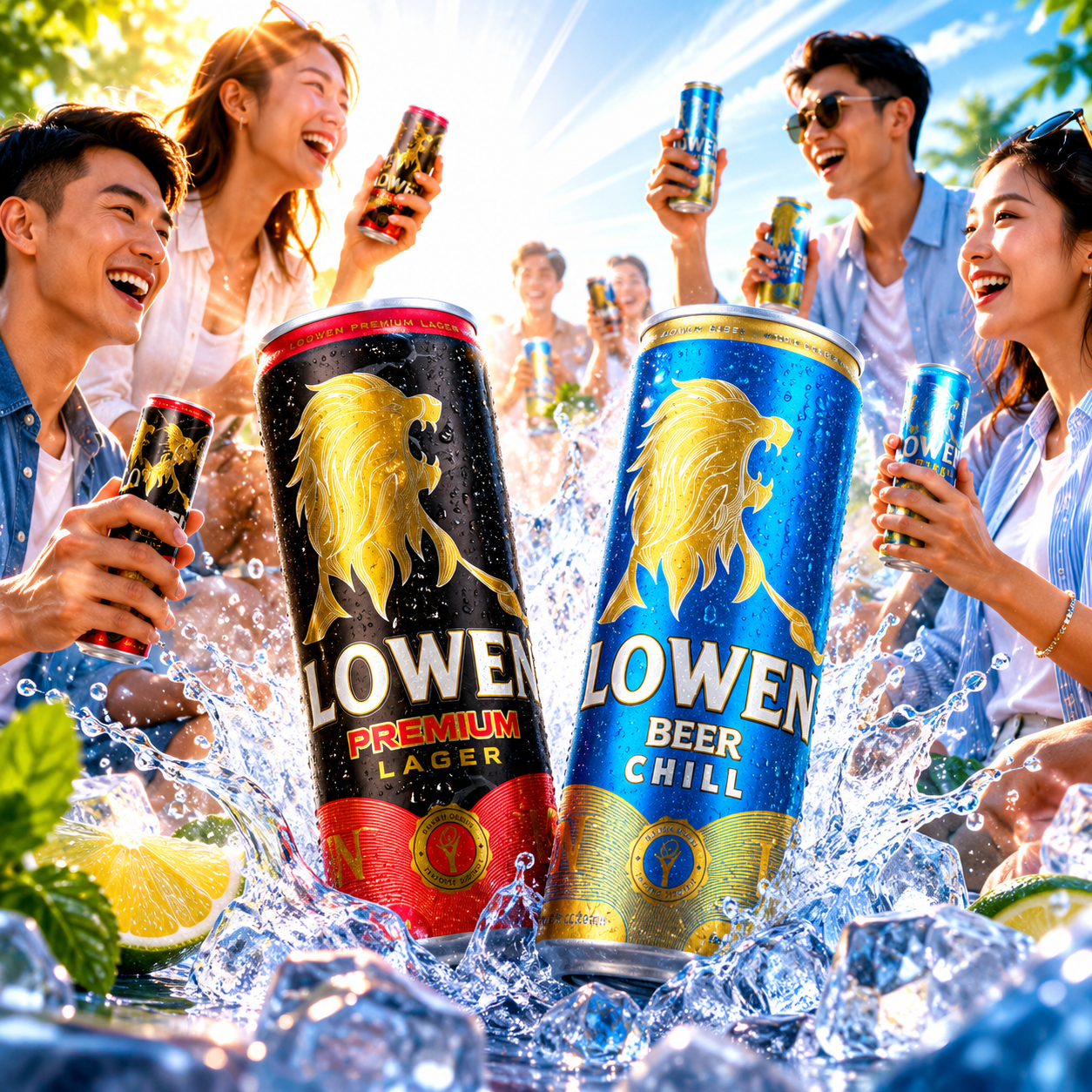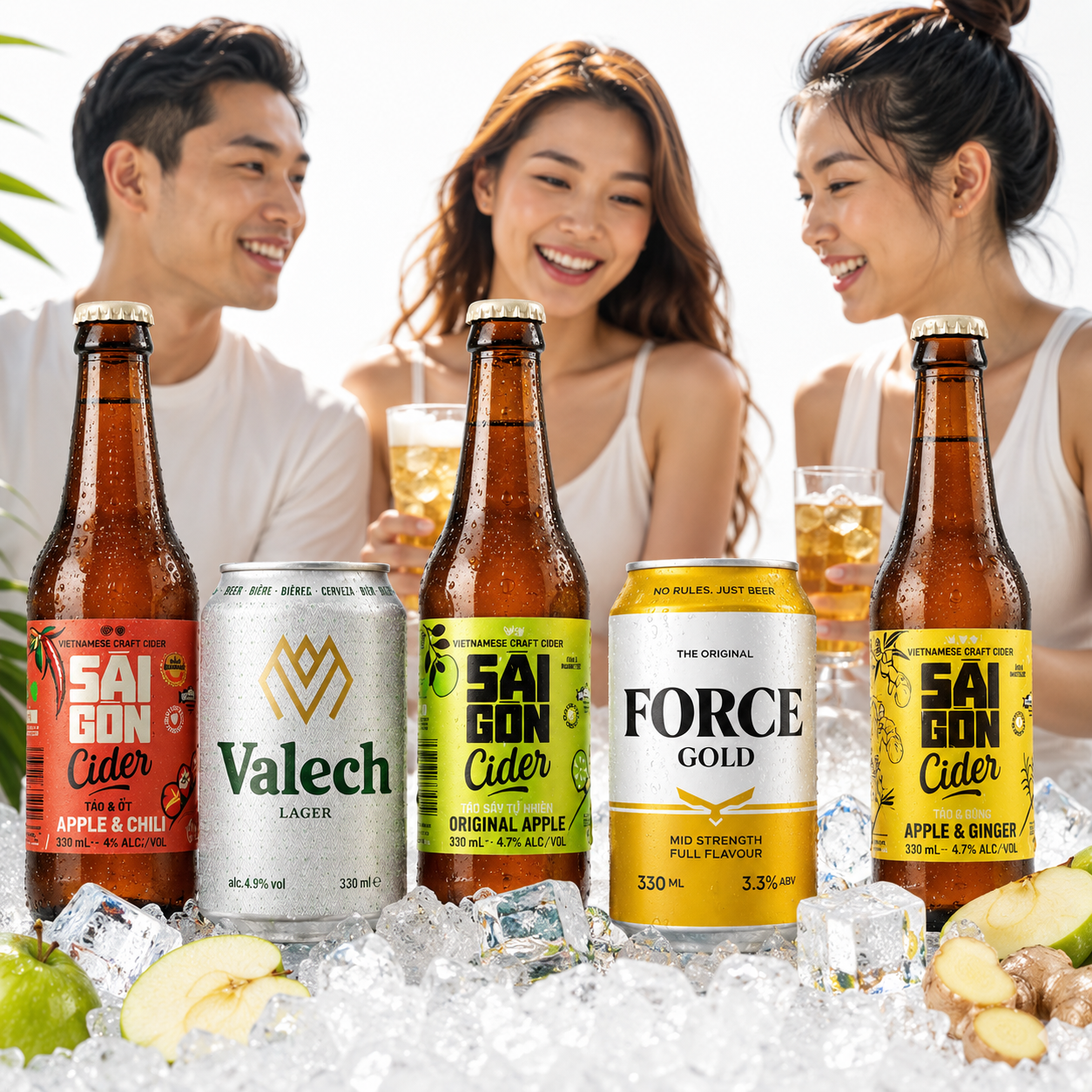


Consumers are increasingly prioritizing products that are easy to drink, less filling, and suitable for long social gatherings. This creates major opportunities for brands, especially F&B chains and new businesses, to develop beer lines tailored for hot weather.
However, to build a successful light beer product, businesses need more than just an idea. They need a clear product strategy, fast execution capability, and a stable production system. This is exactly where the beer OEM model at Saigon Beer – Central Region (SMB) becomes a strategic solution.
Why Light Beer Is Becoming a Trend During Hot Weather
In recent years, beer consumption behavior has been changing significantly. Consumers are no longer primarily seeking heavy, intense beer varieties as before, but are instead shifting toward products that feel more “refreshing.”
Hot weather is the strongest driver behind this trend. As temperatures rise, the need for refreshment and drinking comfort becomes increasingly important. A beer that is too strong or too heavy can interrupt the drinking experience, especially during long gatherings.
As a result, light beer has become a more suitable choice. Not only does it provide a more comfortable drinking experience, but this type of product also appeals to a wider range of customers, from regular beer drinkers to first-time consumers.
This shift also reflects a broader trend: consumers are becoming more focused on the overall experience rather than only on the alcohol content or “strength” of the product.
Redefining “Light Beer” in the Modern Context
Previously, light beer was often understood simply as beer with lower alcohol content. However, in today’s context, this concept has expanded.
A successful light beer line is not defined only by technical specifications, but also by the drinking experience itself. It is about balancing flavor, freshness, and the ability to drink continuously over long periods without creating a heavy sensation.

This requires the product development process to be carefully researched. The beer formula must be adjusted to both maintain its unique characteristics and meet consumer demand during hot weather.
For businesses that do not already have an R&D team or testing system, developing such a product is not simple. This is why many brands choose to partner with OEM breweries, which already have experience in developing multiple beer lines.
The Advantages of Beer OEM in Developing Beer Lines for Hot Weather
Developing a new beer line often comes with many risks, especially when a business must invest in an entire production system. The OEM model significantly reduces these risks.
By partnering with an OEM brewery, businesses can leverage existing production systems to develop products without needing to invest in their own factory. This allows them to shift their focus from manufacturing to product strategy and brand development.
One important advantage of OEM is the ability to experiment. Businesses can develop multiple product versions, test them in the market, and make adjustments before scaling up production. This is especially important for hot-weather beer lines, where consumer trends can change quickly.
In addition, OEM helps ensure product quality. Large breweries usually operate according to international standards, with strict quality control systems. This helps products maintain consistency across production batches, which is a key factor in building customer trust.
OEM Beer Production Capabilities at Saigon Beer – Central Region (SMB)
Among the providers of beer OEM services in Vietnam, Saigon Beer – Central Region Joint Stock Company (SMB) is one of the partners with notable production capabilities and industry experience.
With a modern factory system and synchronized production lines, SMB can handle the entire process from formula development to production and packaging. This helps businesses shorten the product development timeline, especially for hot-season campaigns that require speed.
SMB operates its production system according to international quality management standards, ensuring that products achieve consistency and safety. This is an important factor for businesses aiming to build a light beer line that can maintain stable quality in the market.
In addition to production capabilities, SMB also supports businesses in refining products from a commercial perspective, including positioning products appropriately for their target market. This helps ensure that the product is not only “technically correct” but also “market-ready.”
Strategies for Building a Successful Light Beer Line
Developing a light beer line for hot weather is not only a production challenge, but also a strategic challenge. Businesses need to clearly define who their product serves and in what context it will be consumed.
A successful product is often tied to a specific experience. For example, beer for restaurants may focus on drinkability and food pairing, while beer for beach clubs may emphasize refreshment and lifestyle appeal.