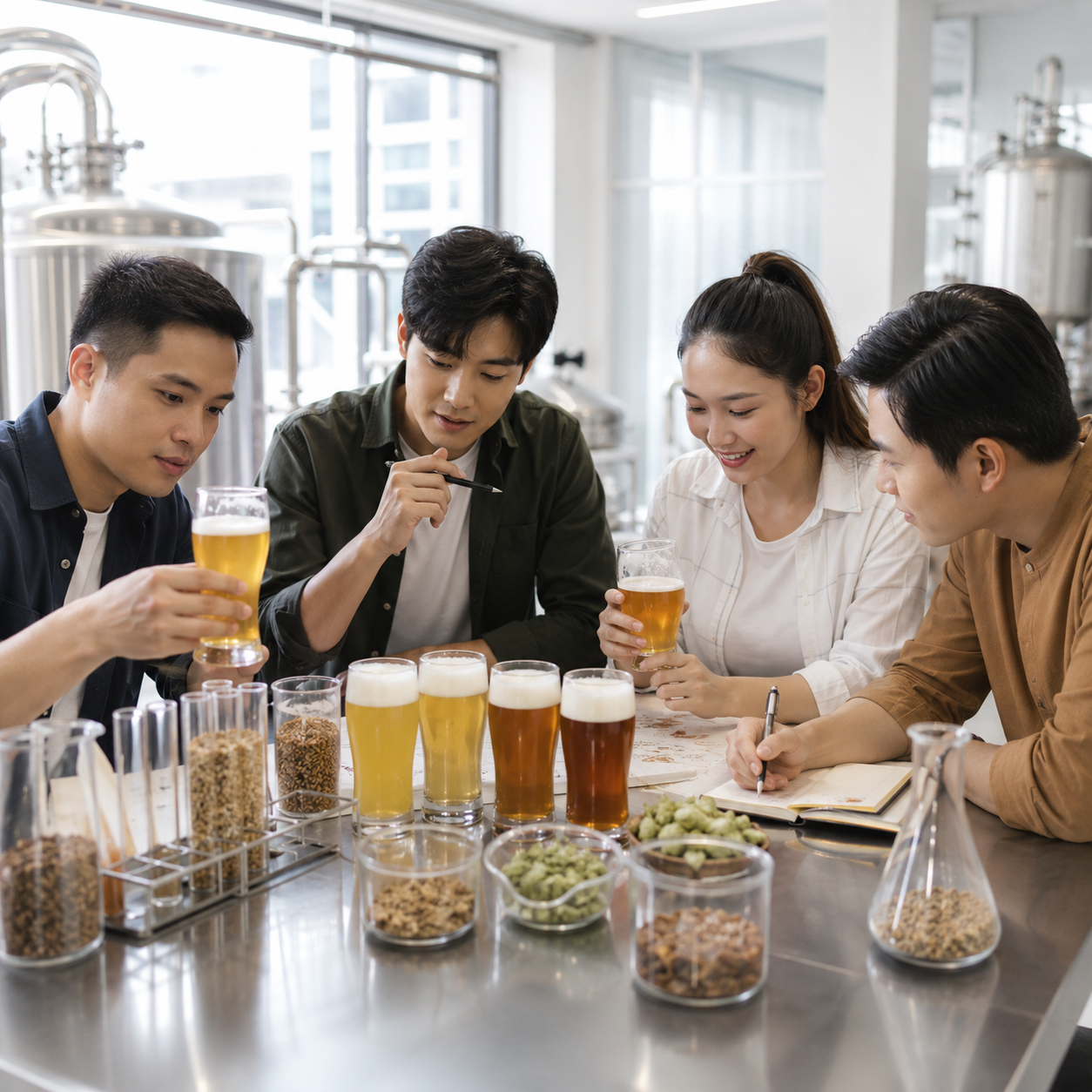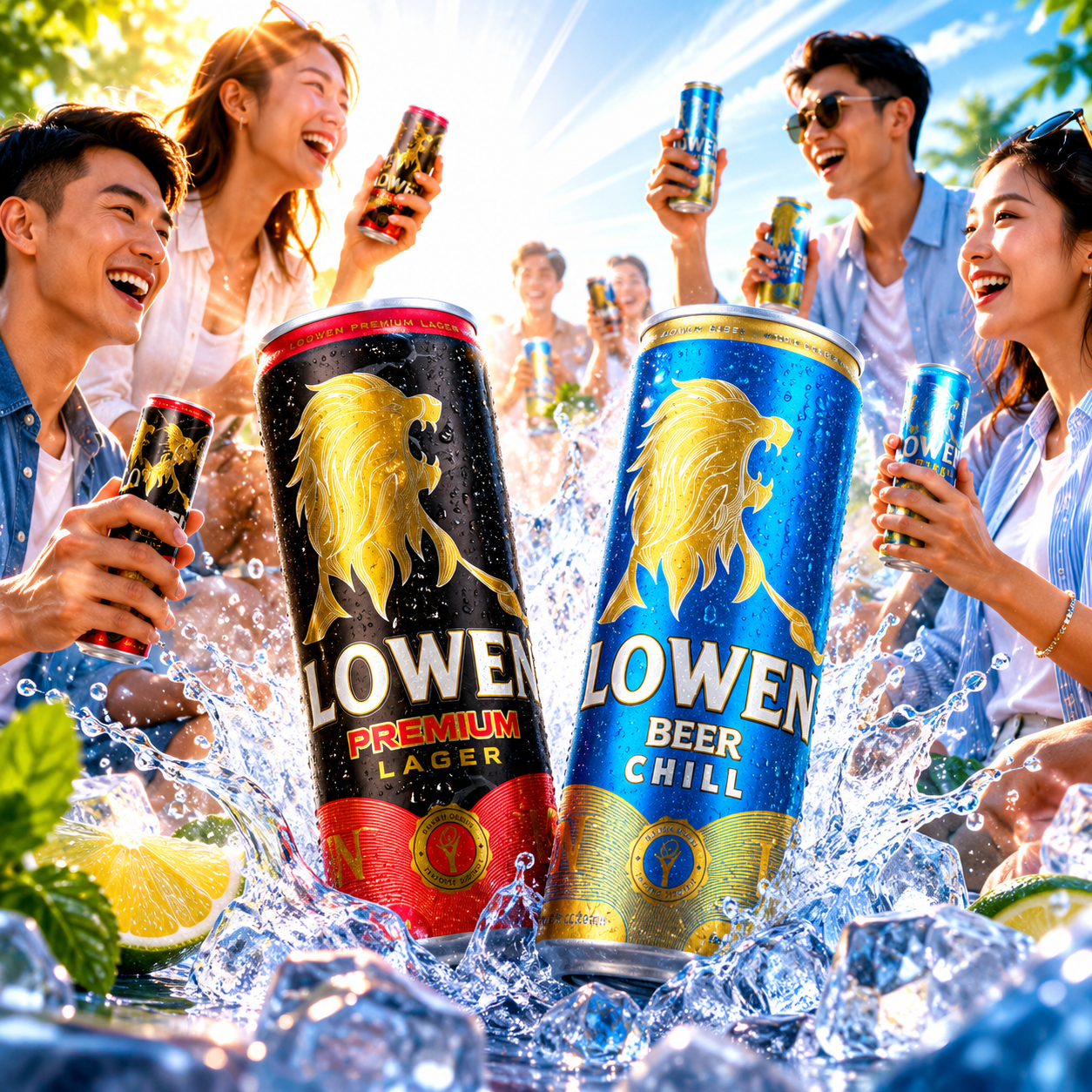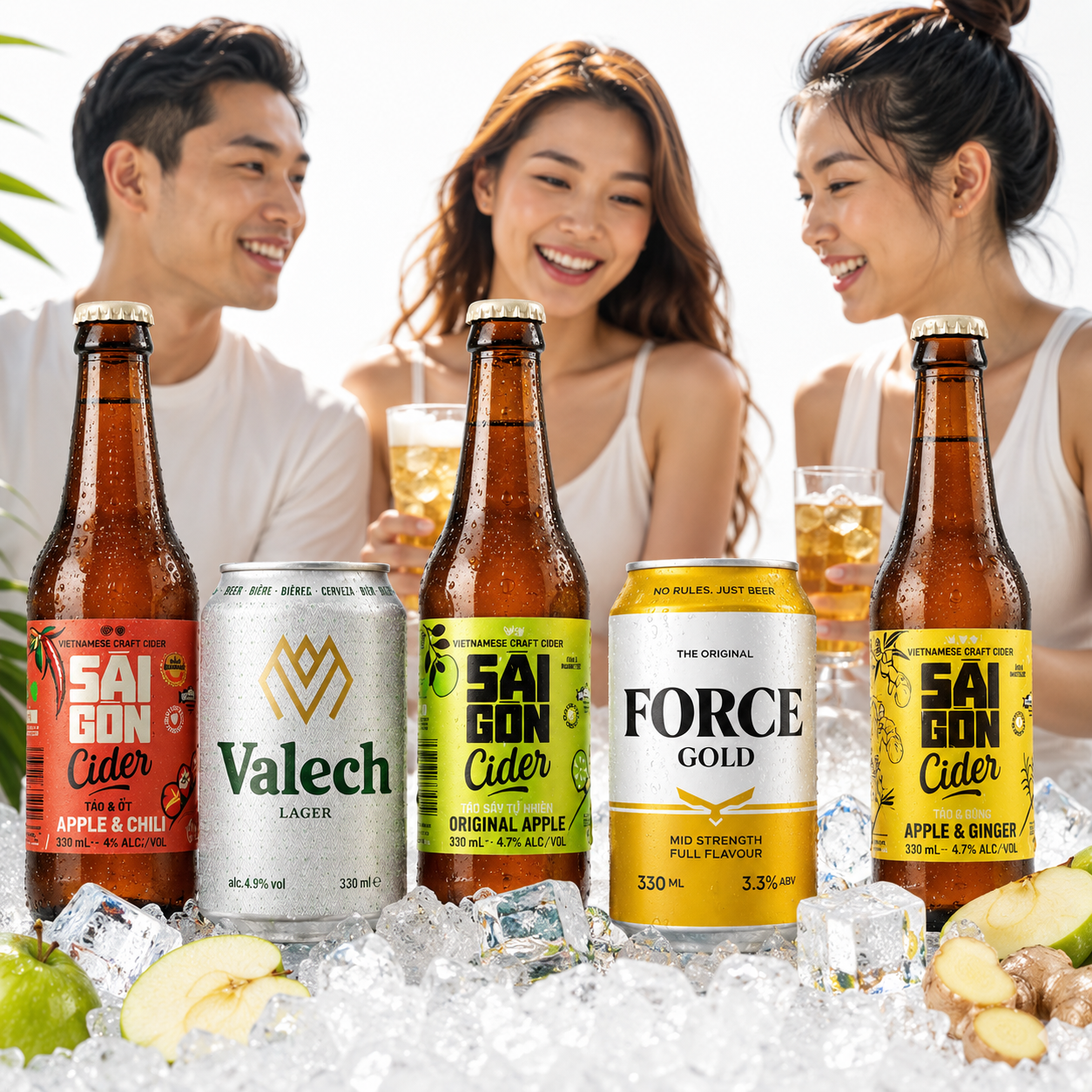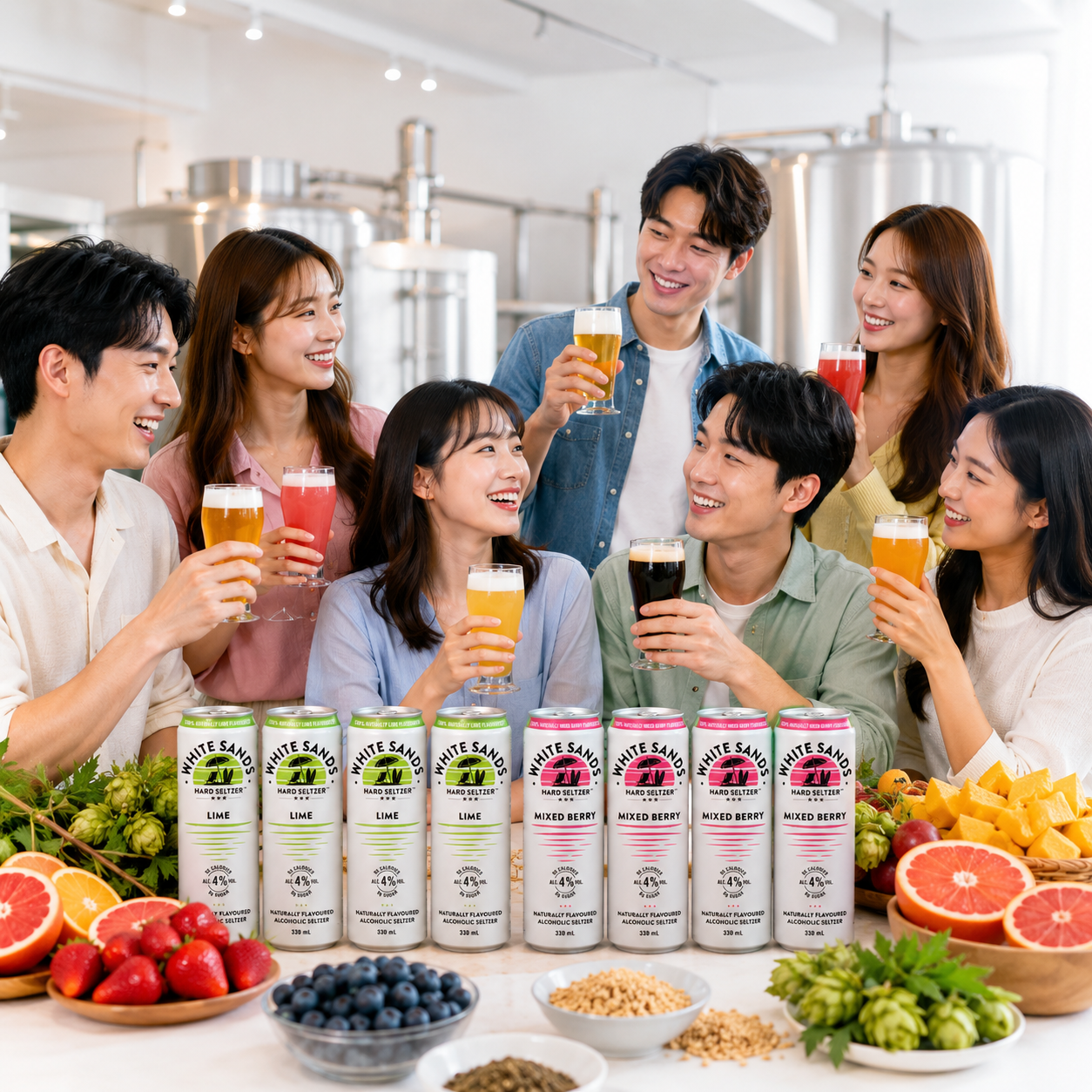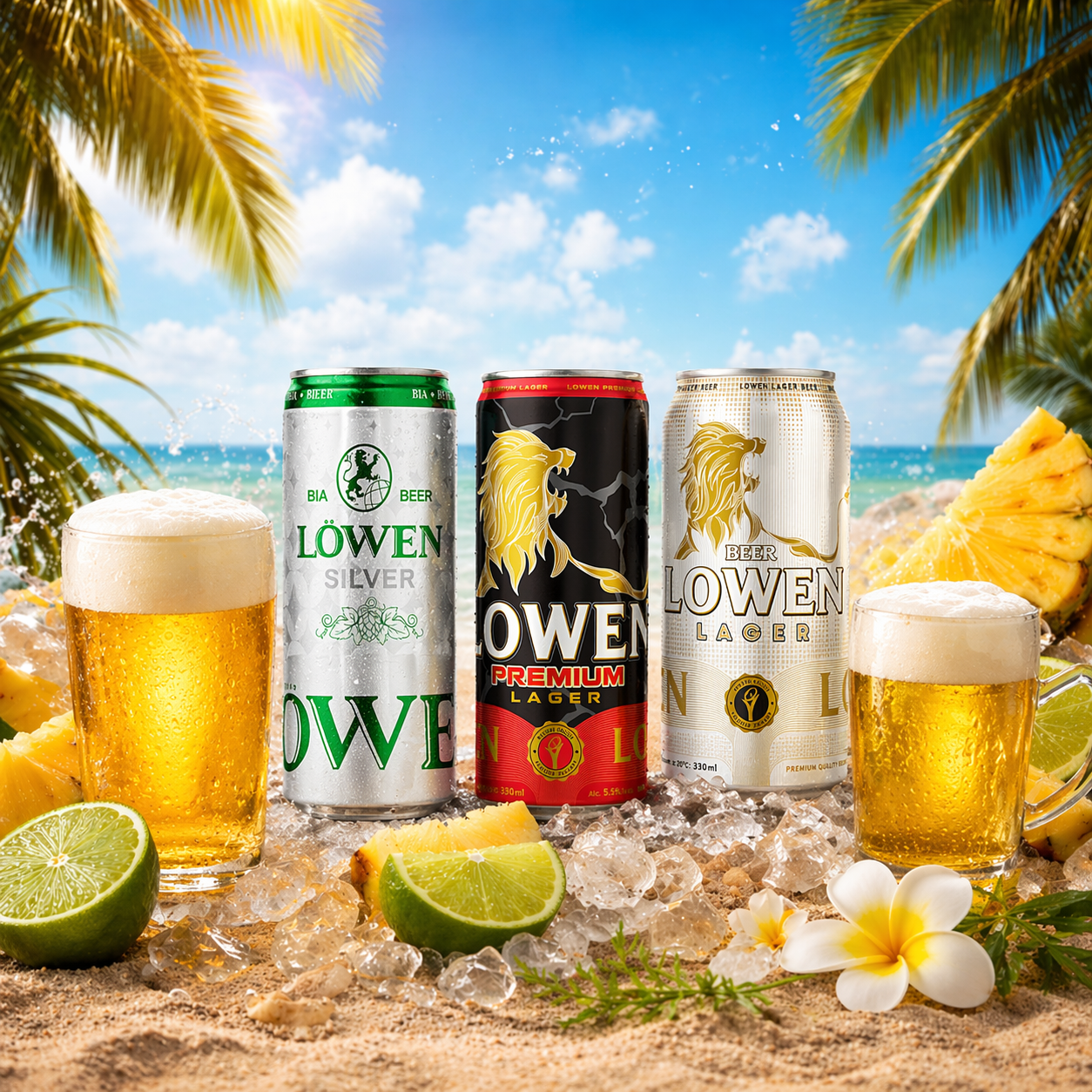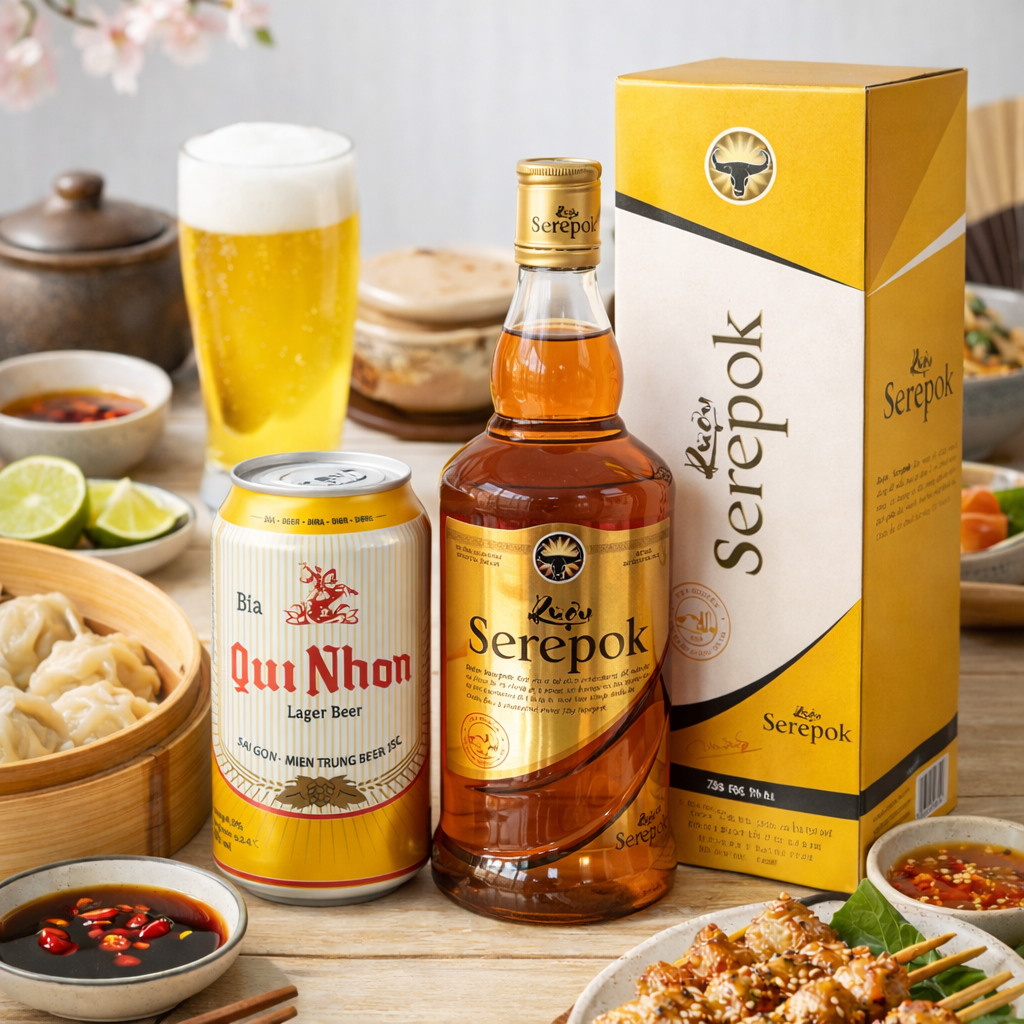



This shift is not a temporary trend but rather the result of profound changes in lifestyle. Young consumers are placing greater emphasis on health, physical fitness, and maintaining clarity during social activities. They still want to participate in social gatherings, but they no longer want to be affected by high alcohol content. As a result, demand for light beer, low-alcohol beer, and even alcohol-free beer continues to grow.
Beyond health considerations, the overall drinking experience has become equally important. For younger generations, drinking beer is no longer simply about consumption—it is an expression of lifestyle. They seek products that suit different occasions, whether it’s an afternoon at a café, a relaxed evening with friends, or an outdoor event. In these settings, a light-bodied, easy-drinking beer that does not feel overwhelming is often the preferred choice.
Social and cultural factors have also contributed to this trend. Drinking responsibly, avoiding intoxication, and maintaining a positive personal image have become increasingly important, particularly in urban environments where health-conscious values and modern lifestyles are highly regarded.
Together, these factors reveal a significant opportunity. Light beer and low-alcohol beer are no longer niche categories; they are gradually becoming a new pillar of the beer market. For emerging beer brands, this represents a strategic entry point to connect with the next generation of consumers.
Light Beer – More Than Simply Lower Alcohol Content
A common misconception is that light beer is simply beer with a lower alcohol content. In reality, developing this product category requires an entirely different approach to formulation, flavor, and overall drinking experience.
As alcohol content decreases, the flavor structure of beer also changes. If not carefully managed, the product can become bland or lack complexity. Therefore, the greatest challenge is not reducing the alcohol content, but preserving the authentic feeling of “drinking beer“—an experience consumers still expect.
Achieving this requires careful refinement of the beer formulation, from ingredient selection to the fermentation process. Many beer brands have introduced flavor elements such as citrus, fruit notes, or subtle aromatic profiles to create a fresher, more refreshing, and easier-drinking product. The result is a beer that is not only lower in alcohol content but also richer in overall sensory experience.
Packaging also plays a vital role in brand positioning. Unlike the traditional image of beer, light beer is often presented with a youthful, contemporary design that aligns with modern lifestyle trends. The design serves not only for product recognition but also to communicate a story of lightness, freedom, and balance.
Another noteworthy aspect is that light beer is consumed across a wider range of occasions than traditional beer. It is no longer reserved solely for parties but is increasingly enjoyed during everyday moments. This significantly expands consumption frequency and creates substantial growth potential.
Therefore, developing light beer is not about reducing what beer has to offer—it is about redefining the beer-drinking experience to better match the expectations of a new generation.
Brand Positioning – The Key to Winning Over Young Consumers
Within the light beer and low-alcohol beer segment, having a high-quality product is essential, but it is not enough. The decisive factor lies in how a brand positions itself and builds meaningful connections with consumers.
Young consumers do not simply buy products—they buy stories. They care about what a brand represents and whether it aligns with their personal values. Successful light beer brands rarely focus heavily on technical details. Instead, they emphasize emotions and lifestyle values, such as relaxation, freedom, balance, and the enjoyment of everyday life.
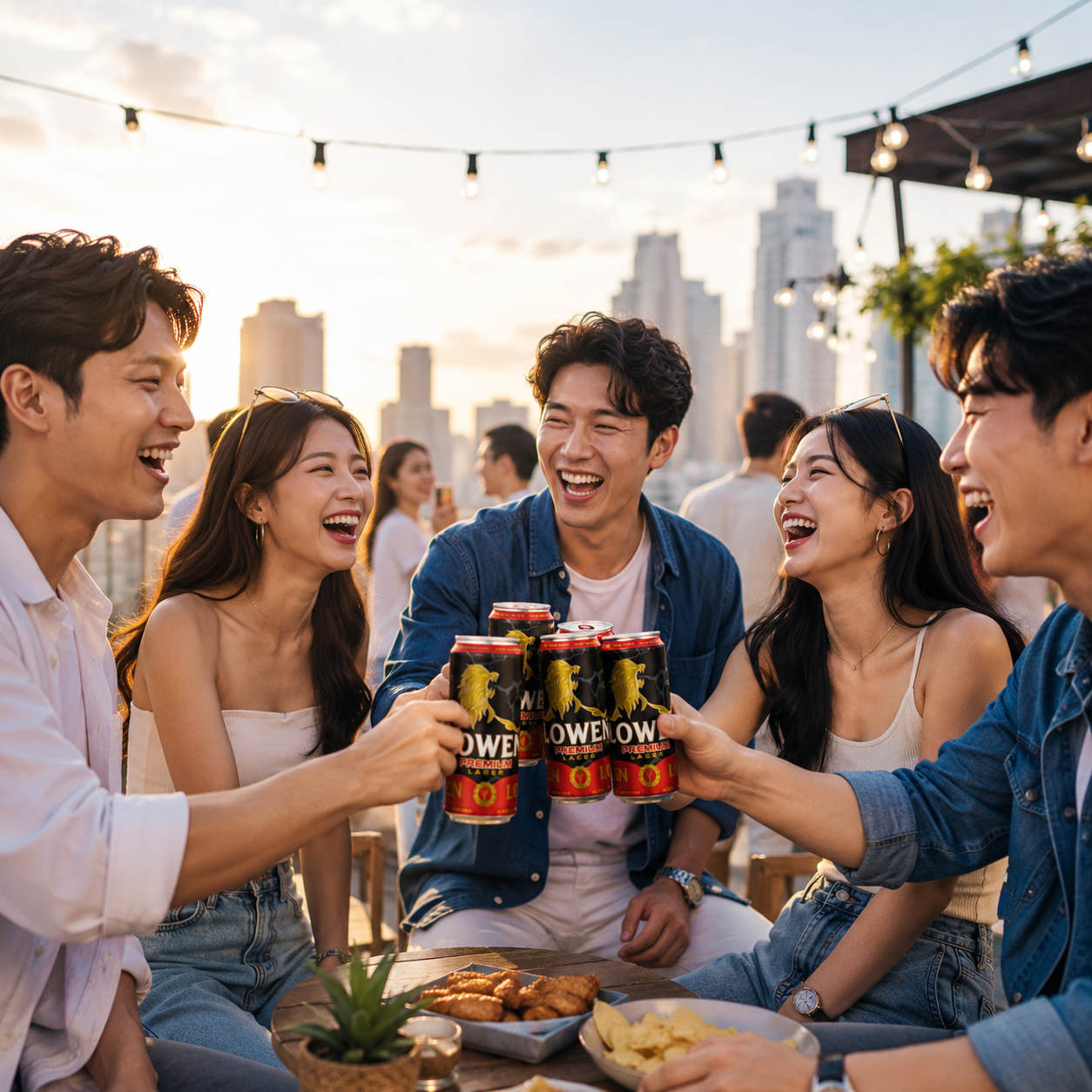
This requires a different marketing approach. Rather than relying on traditional advertising, brands need to appear in the environments that genuinely matter to young consumers: social media, lifestyle events, and creative spaces. The goal of the content is not simply to sell products but to create emotional connections.
Another important factor is shareability. The product should be compelling enough to become part of consumers’ personal stories—from a check-in photo to a short video. In this way, every customer naturally becomes a communication channel for the brand.
Consistency in brand positioning is equally essential. From the product and packaging to the marketing message, every element should tell the same story. Otherwise, the brand can easily become diluted and struggle to leave a lasting impression.
In an increasingly crowded beer market, brand positioning not only helps a brand stand out but also ensures that it remains memorable. This is especially important in the light beer category, where the drinking experience is highly personal.
Speed to Market – A Decisive Competitive Advantage
In a fast-growing light beer and low-alcohol beer market, speed to market can determine who becomes the industry leader. Consumer trends can shift rapidly, and market opportunities do not last forever.
For emerging beer brands, building a dedicated brewery is often impractical in terms of both time and cost. Such a process can take years, by which time the market may have already changed. This is where the OEM (Original Equipment Manufacturer) or contract brewing model demonstrates its value.

OEM enables businesses to significantly shorten the product development timeline. Instead of starting from scratch, companies can leverage existing manufacturing infrastructure, allowing them to focus on refining the formulation, building the brand, and launching the product into the market.
More importantly, OEM offers exceptional flexibility. Businesses can test multiple product variations, quickly adapt based on market feedback, and scale production whenever demand increases. This approach is particularly well suited to the light beer segment, where consumer preferences are still evolving.
In addition, manufacturing at facilities that meet high international standards enhances the quality and credibility of the product from the very beginning. This not only builds consumer confidence but also creates opportunities for export, opening the door to significant future growth.
In today’s increasingly competitive beer market, speed is no longer just an advantage—it is a requirement for survival. OEM is the solution that enables emerging beer brands to achieve that speed.
Leveraging OEM for Successful Light Beer Development
Turning the concept of a light beer into a commercial product requires a manufacturing partner with the expertise and capabilities to support every stage of development. This is a critical factor that influences not only product quality, but also the speed of commercialization and future scalability.
In Vietnam, Saigon Beer – Central Region (SMB) is one of the leading providers of OEM services for beer and beverages, supported by a modern, large-scale manufacturing system. With comprehensive capabilities ranging from recipe development and production to packaging, the company helps emerging brands significantly shorten their journey from concept to market.
Its strength lies in combining international manufacturing standards with production flexibility. Businesses can develop light beer and low-alcohol beer products tailored to the preferences of younger consumers while ensuring consistent product quality and the ability to expand production capacity as demand grows.
Start Your Light Beer Brand Today
If you are planning to develop a light beer or low-alcohol beer product line for young consumers, there is no better time to start than now.
Explore the OEM services offered by Saigon Beer – Central Region (SMB) to:
- Rapidly bring your product concept to market
- Optimize costs and reduce investment risk
- Ensure product quality meets international standards
- Flexibly test new products and expand into new markets
Company: Saigon Beer – Central Region Joint Stock Company (SMB)
Address: 01 Nguyen Van Linh Street, Tan An Ward, Buon Ma Thuot City, Dak Lak Province, Vietnam
OEM Consultation Hotline: (+84) 94 1127575
Email: oem@biasaigonmt.com
Website: https://oem.biasaigonmt.com/
In a new generation of consumers, opportunities belong to the brands that truly understand their customers—and act quickly enough to meet their needs.