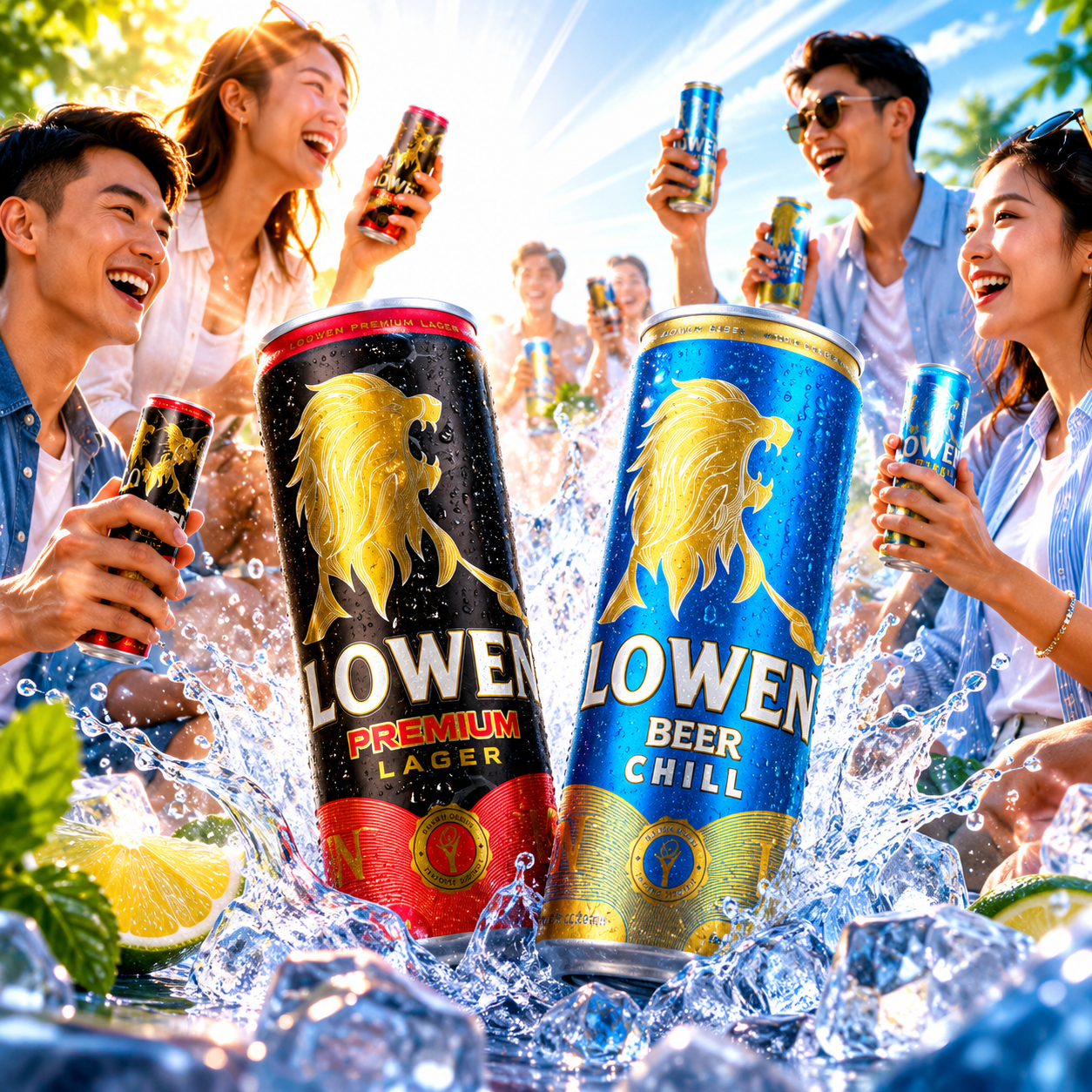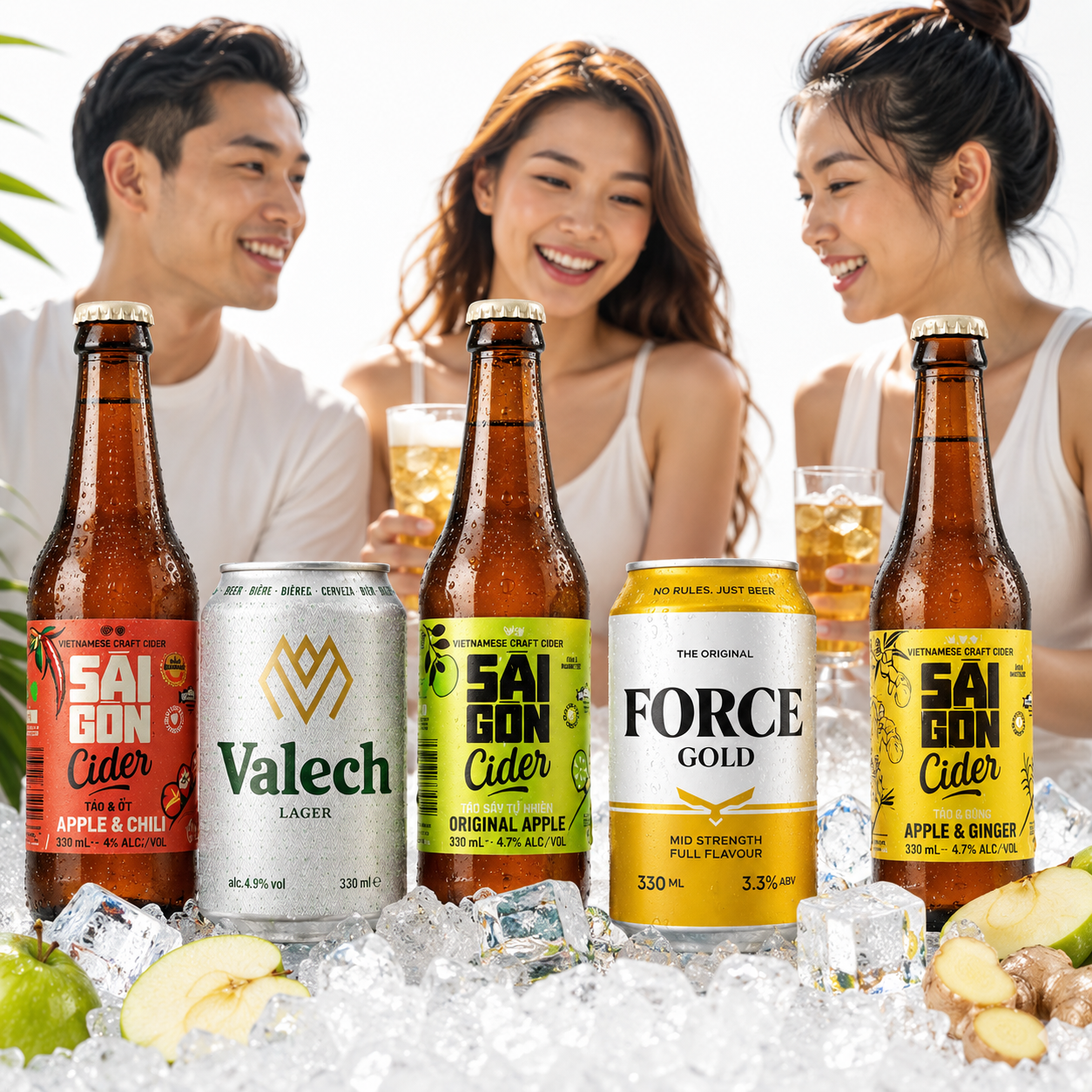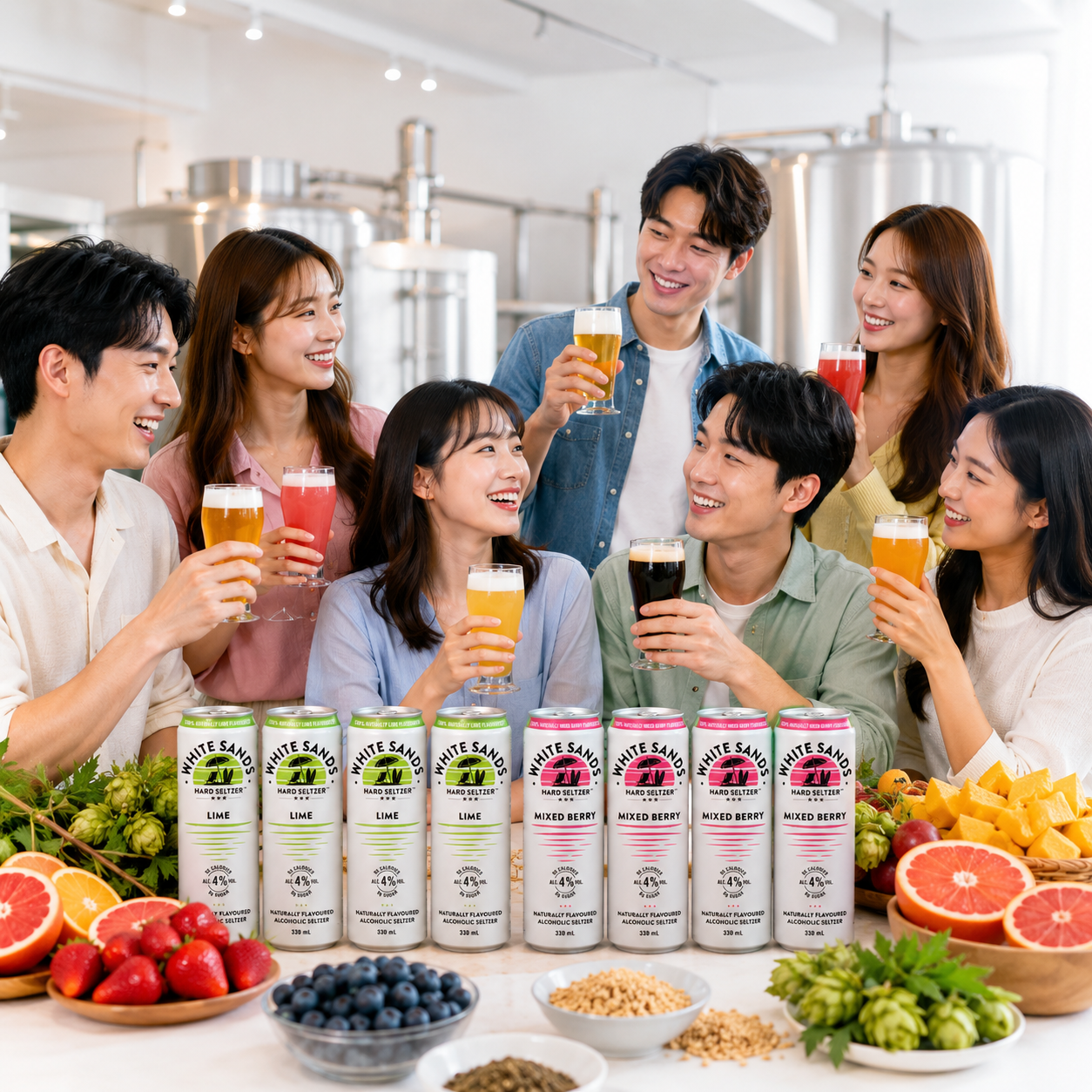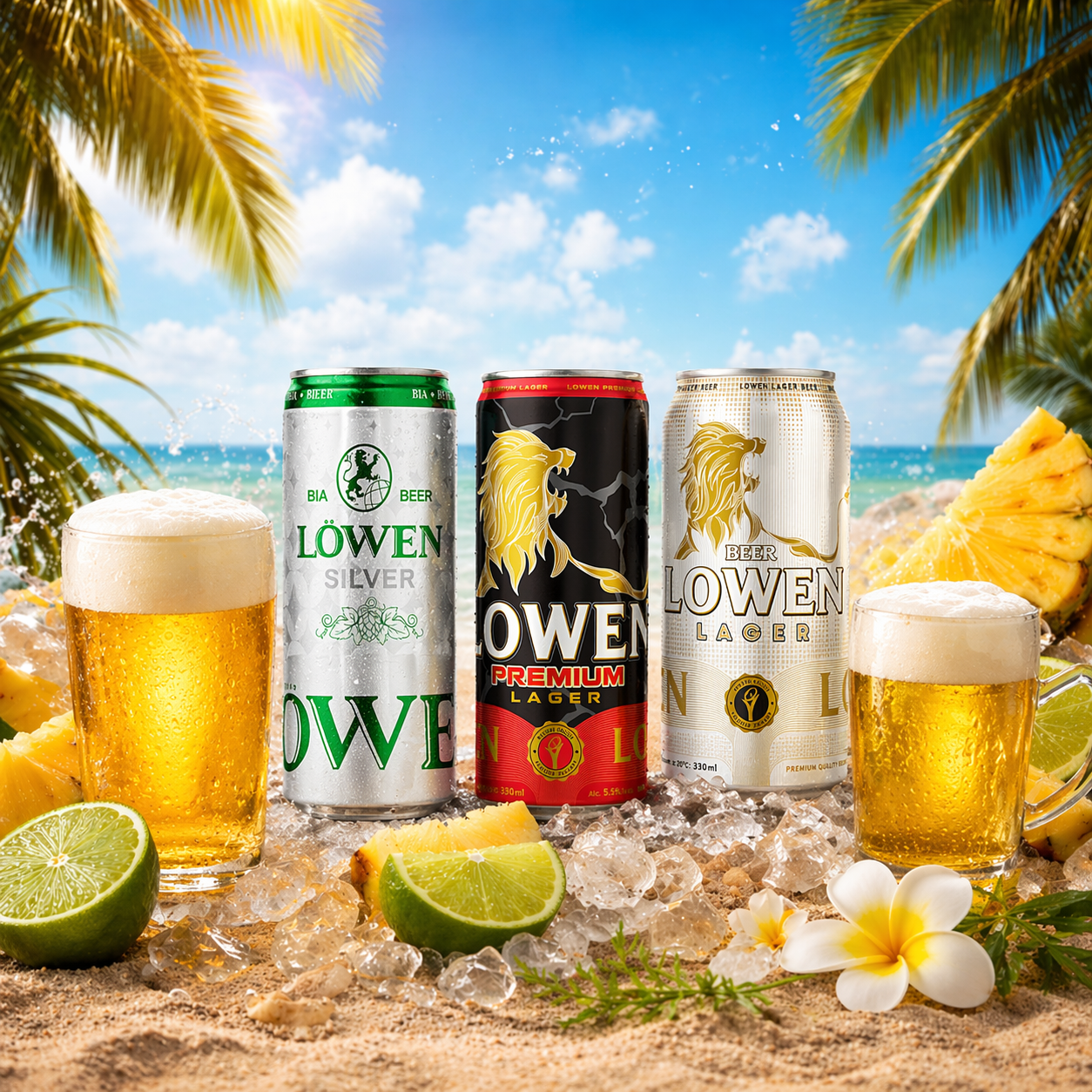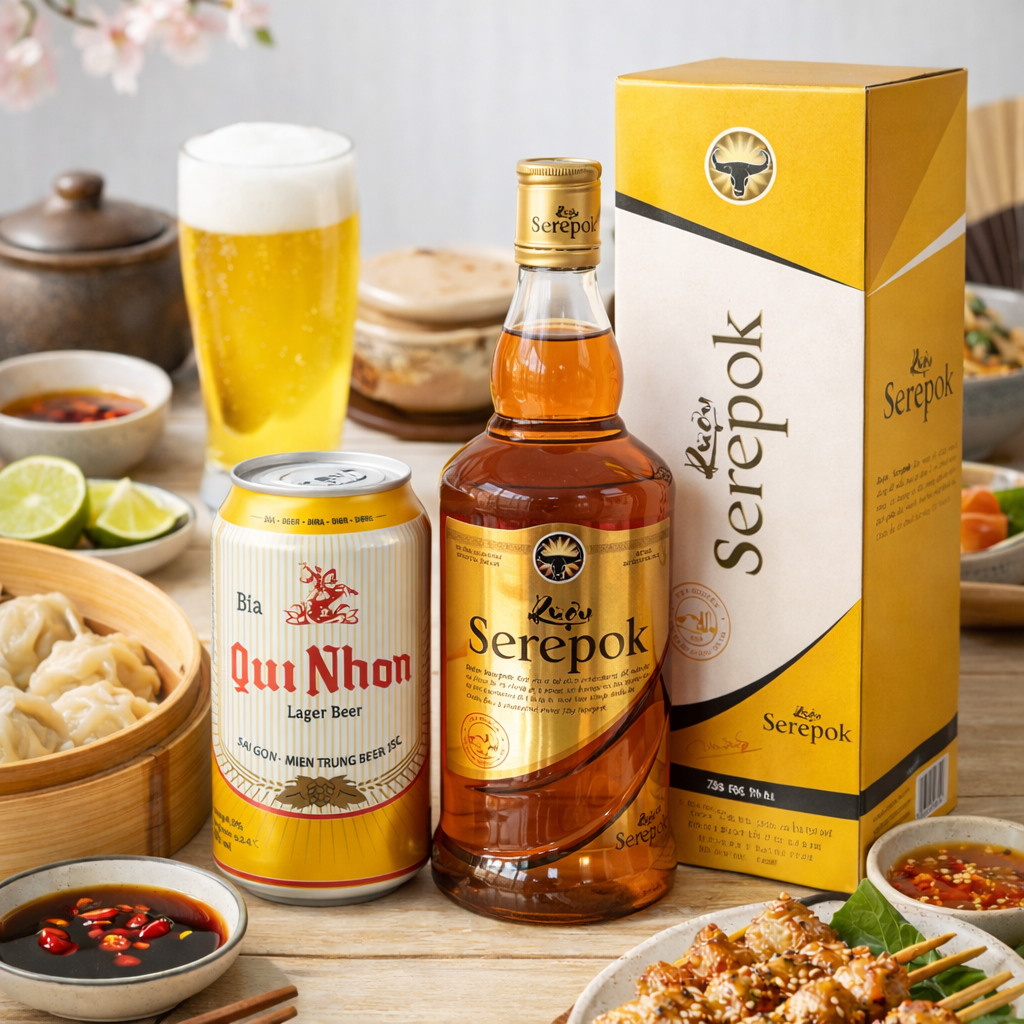


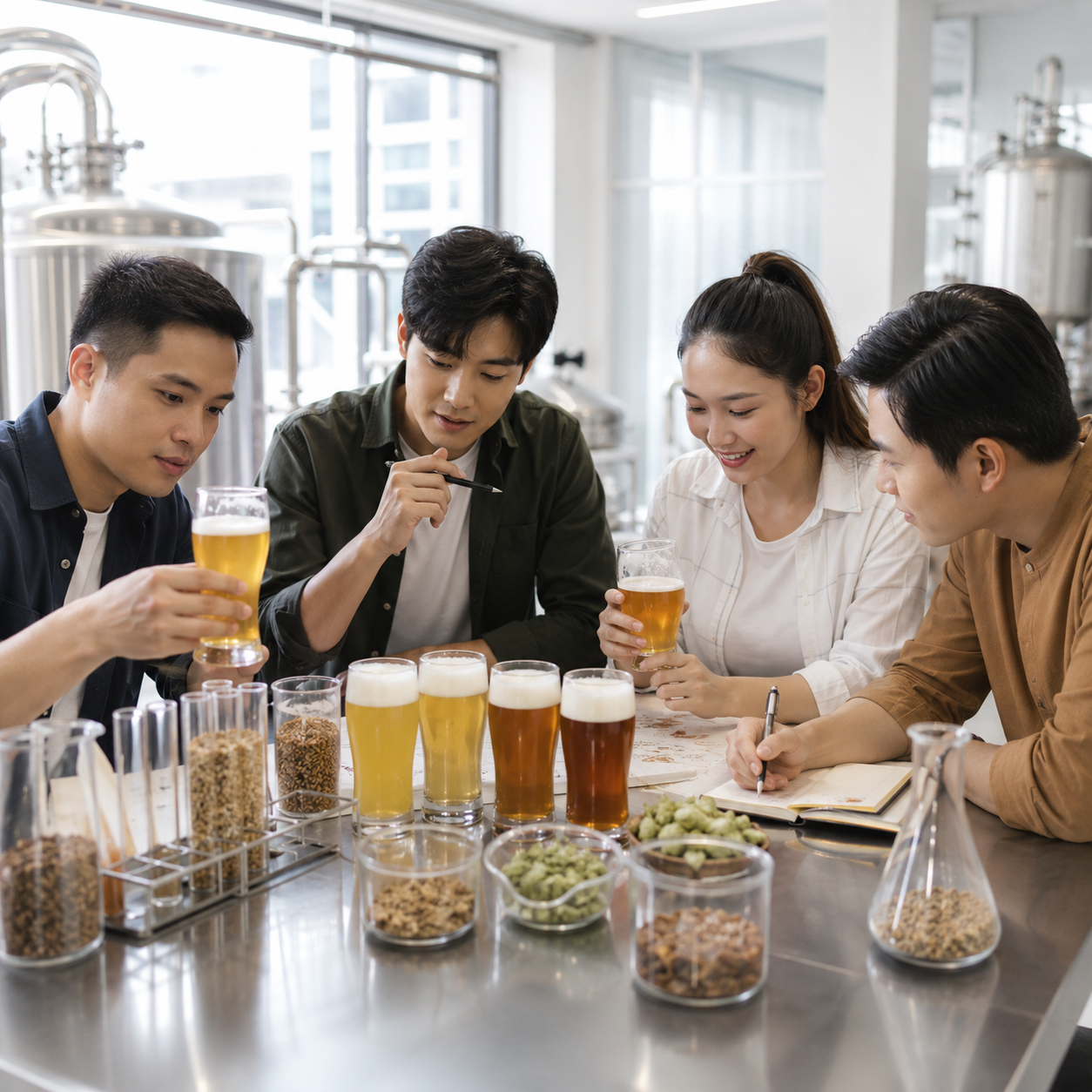
For businesses operating in the beer industry, restaurants, beer halls, F&B chains, or brands developing their own products, this is the time to review the current portfolio. Developing a new beer line is not only about increasing the number of SKUs, but can also become a way to give customers a reason to return, increase brand engagement, and expand sales opportunities during the peak season.
The important point is that the new product must originate from actual customer needs. If a business simply follows trends without clearly understanding its target drinkers, the new beer line may generate short-term curiosity but struggle to maintain long-term sales volume.
Summer Is the Time When Customers Are More Open to New Experiences
During the peak season, consumer behavior often becomes more flexible. Customers tend to participate in more outdoor activities, meet friends, dine at restaurants, or choose products that offer more experiential value.
This creates favorable conditions for new beer lines to emerge.
If a brand maintains only a familiar product portfolio for a long period, customers may continue purchasing, but their level of interest may gradually decline. Conversely, a new product developed at the right time can create a sense of freshness and give customers another reason to return.
However, “new” does not necessarily mean extremely different.
In many cases, customers still want a product that is easy to drink and familiar, but with an added highlight in flavor, packaging, or brand story. What businesses need to do is find the balance between novelty and accessibility.
SMB’s professional content also shows that consumers are increasingly interested in experience, identity, and suitability for specific regions or consumption occasions, rather than simply choosing one mass-market product for every need.
Therefore, before developing a new beer line for summer, businesses should start with the question: what is currently missing from the experience of existing customers?
If a business has an idea for a summer beer line but has not yet clearly determined the formula or target customer segment, it can discuss the development direction with the OEM team of Sai Gon – Mien Trung Beer Joint Stock Company (SMB) via hotline (+84) 94 1127575.
The New Beer Line Must Be Developed Based on Customer Needs
One of the common mistakes when developing a new product is starting by choosing the flavor before identifying the customer.
A more effective approach is to start with the consumption occasion.
A beer line for a seafood restaurant will have different requirements from a product served at a grilled-food restaurant. Beer for a tourist destination may need a stronger local story and more distinctive local-inspired packaging. Meanwhile, a product targeting younger customers may prioritize accessibility, eye-catching design, and the ability to generate content on social media.
SMB also approaches R&D based on the suitability between the product and its consumption context. In the restaurant model, bitterness, alcohol content, aroma, and finish can be adjusted to better complement the menu rather than applying one standard formula to every point of sale.
This is an approach worth considering when developing a summer product.
Instead of aiming to create “a beer that is truly different,” businesses should aim to create “a beer that is more suitable for customers during the summer.”
This distinction is very important.
A differentiated product that is difficult to drink may only generate trial sales. A product that fits customer needs is more likely to generate repeat purchases.
Therefore, businesses should view product development as a series of experiments. The initial idea needs to be transformed into a formula, followed by sensory evaluation, feedback collection, and adjustments before entering large-scale production.
This is where the R&D capabilities of an OEM partner become an important part of the equation.
Businesses that already have a target customer or flavor direction can send project information to Oem@biasaigonmt.com so SMB’s dedicated team can discuss the possibilities for formula development and production in greater depth.
Summer Flavors Need to Be Accessible While Still Having a Distinctive Identity
A product designed for summer often needs to address two seemingly opposing requirements at the same time.
First, the product needs to be accessible enough for customers to consume regularly. Second, the beer still needs to have distinctive characteristics so customers can remember the brand.
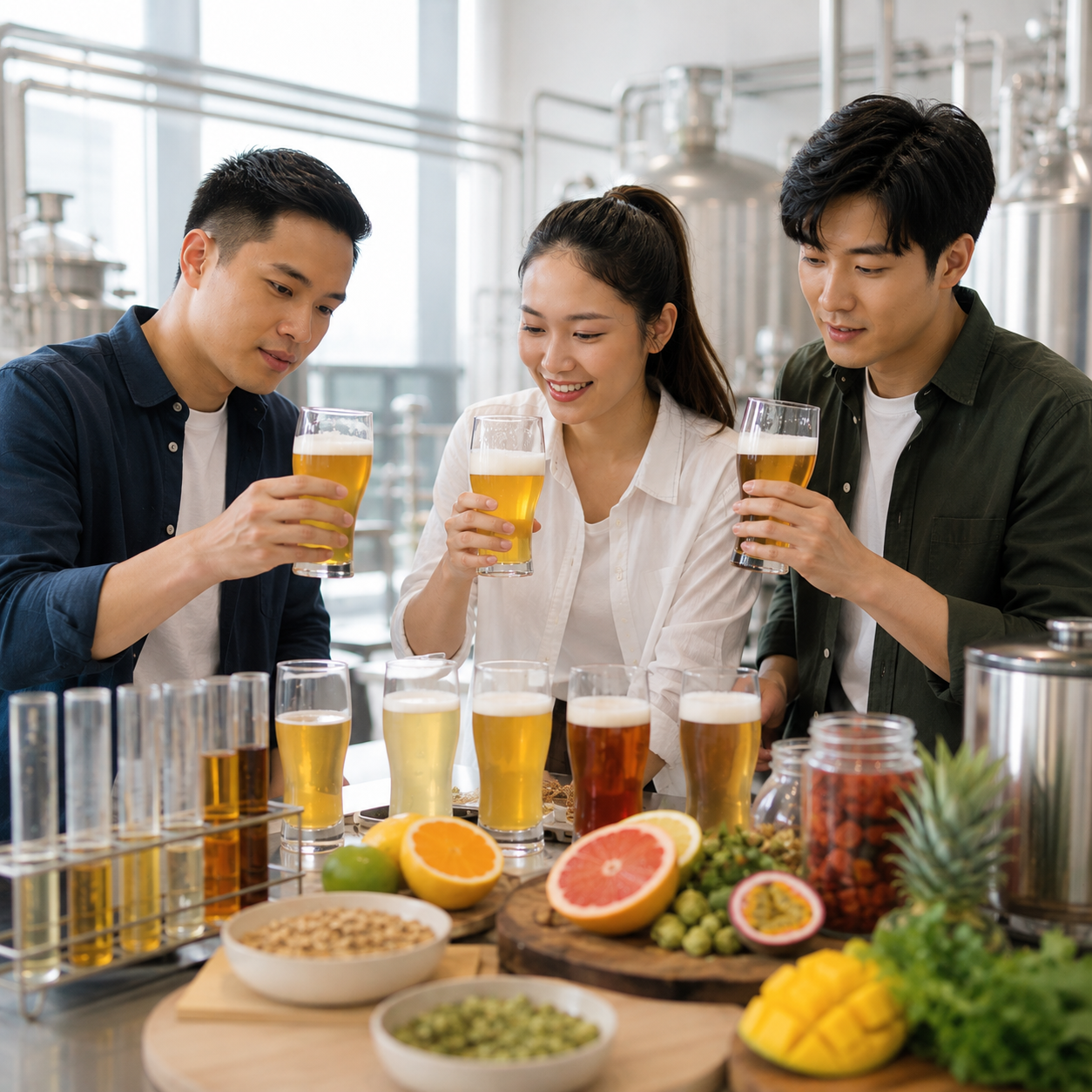
If the product is too safe, it may blend in with the choices already available on the market. If it is too distinctive, the beer may only appeal to a very small group.
Therefore, flavor development needs to be based on the brand positioning.
A business seeking to reach the mass market may prioritize a balanced, easy-to-drink flavor profile that is suitable for various occasions. In contrast, a restaurant, resort, or local brand may choose a more distinctive direction to create differentiation.
The ability to develop products according to local preferences is also a noteworthy direction. SMB states that this process can combine sales data, consumer feedback, and sensory testing to adjust the formula before large-scale production.
This allows the brand to develop a product that is closer to the target market rather than relying solely on the internal team’s intuition.
For businesses operating in a specific region, this is also an opportunity to create a product with its own identity. Certain elements related to ingredients, local stories, or design style can be integrated into the product to enhance recognition.
However, the use of distinctive ingredients needs to be carefully researched for compatibility with the production process. Not every idea can be directly transformed into a commercial product without testing and adjustment. SMB also emphasizes the role of R&D (Research & Development) in evaluating ingredients and formulas before scaling up production.
Summer packaging can become a reason for customers to come back
A new beer line can only truly create a market impact when customers immediately recognize that it is a new product.
Packaging therefore plays a very important role.
The brand can retain some core identity elements while changing the way they are presented to create a fresh feeling. This could be a seasonal version, a limited-edition design, or a dedicated summer concept.
The strength of new-version packaging lies in its ability to stimulate the psychology of discovery.
Customers who are already familiar with the brand may want to try it simply because they notice that there is something different about the product. When the product experience meets expectations, the initial curiosity can turn into repeat purchases.
For restaurants and beer pubs, this effect is even more apparent.
A beer can with a custom design can become part of the dining table, check-in photos, and the point-of-sale experience. SMB’s content on Private Label Beer for HoReCa also emphasizes that a private-label product can become a brand touchpoint while generating organic shareable content from customers themselves.
This is a significant advantage in summer, when dining, travel, and events often generate a large amount of visual content on social media.
However, attractive packaging must go hand in hand with actual production capabilities.
The design needs to be compatible with can or bottle specifications, printing technology, packaging, and costs. If packaging is developed completely separately from the brewery, the business may have to make multiple revisions before entering production.
Therefore, discussing with an OEM partner from the design stage will help the business better control the schedule and minimize unexpected issues.
Businesses can learn more about SMB’s OEM capabilities and solutions at https://oem.biasaigonmt.com/ before developing a plan for a summer beer line.
A new beer line is only effective when it is linked to a customer retention strategy
A new product can generate sales in the short term but does not necessarily create loyalty.
To retain customers, businesses need to turn the product into part of the brand experience.
For example, for a restaurant or beer pub, the new beer line can be paired with a signature dish. This not only helps introduce the product but also creates a unique experience that customers may find difficult to replicate at another location.
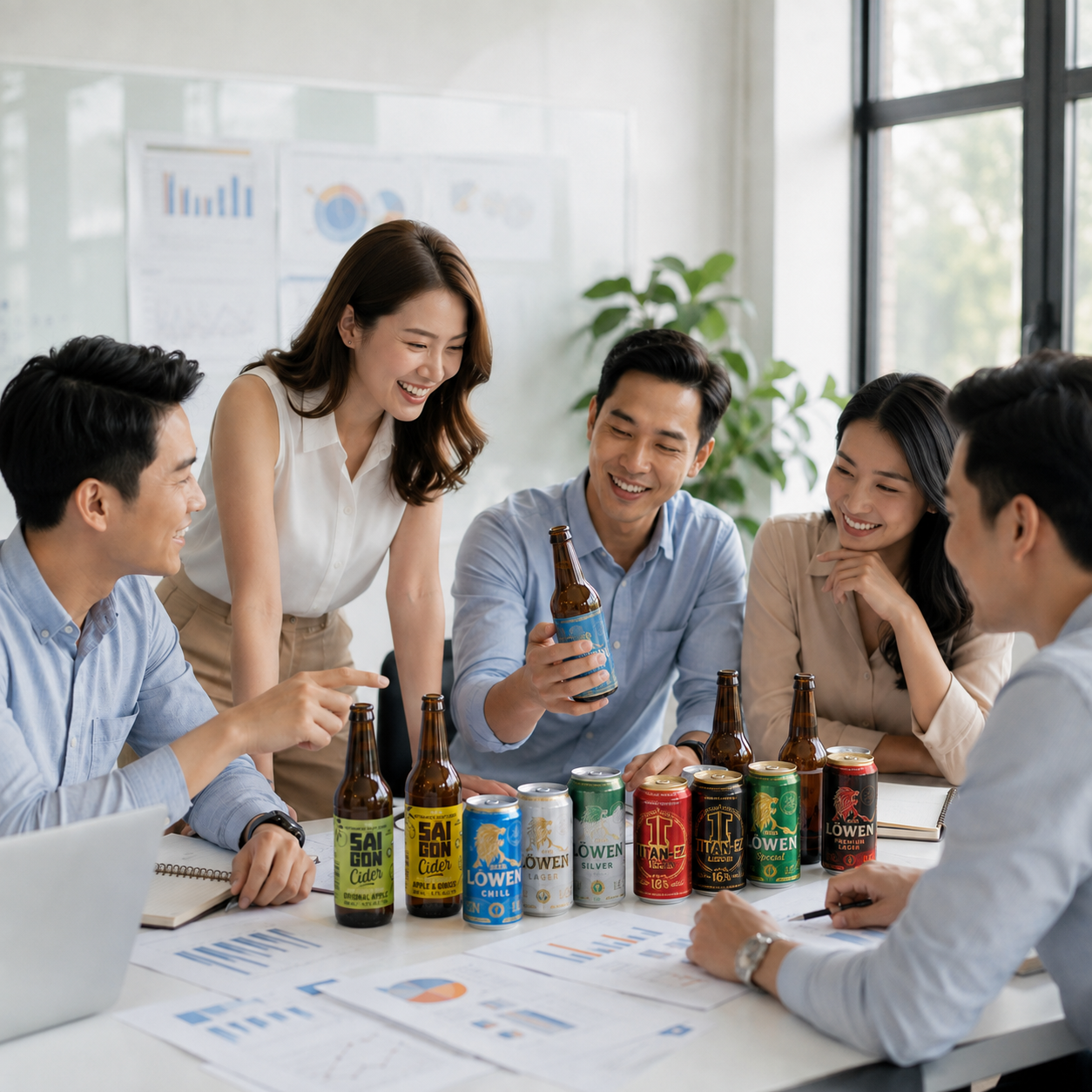
SMB also highlights the value of food-pairing in the Private Label Beer strategy for restaurants. When beer is developed based on the menu, the product can become part of the culinary experience rather than merely an additional beverage.
Similarly, the brand can develop limited editions for a specific period, combined with an event or marketing activity.
The goal is not to continuously launch new products.
If changes are made too frequently, the brand may cause customers to lose recognition of the core product line. Instead, businesses should maintain a stable product foundation and use new versions as a tool to complement the experience.
More importantly, data from seasonal products can help businesses understand their customers better.
If a new formula receives positive feedback, the brand can consider upgrading it into a long-term product. If the market response does not meet expectations, the business still has the opportunity to make adjustments before making a larger investment.
This is one of the key advantages of the OEM model: businesses can focus more on market research and brand strategy instead of having to simultaneously manage the entire production system.
If a business wants to evaluate the possibility of developing a new beer line for a restaurant system, distribution network, or existing brand, it can contact SMB via hotline (+84) 94 1127575 or email Oem@biasaigonmt.com to discuss the implementation plan.
OEM helps businesses shorten the journey from idea to product
The biggest challenge when developing a new beer line does not always lie in the idea.
The issue lies in turning the idea into a product that can be produced consistently and brought to market at the right time.
Especially during peak seasons, timing becomes very important. A product developed too late may miss the period of highest demand. Conversely, if a business rushes to bring a product to market without sufficient testing, the risks related to quality and customer response increase.
OEM provides a more balanced approach.
Instead of building from scratch a system for brewing, fermentation, filling, testing, and production personnel, businesses can use the foundation of an existing brewery. Internal resources can therefore focus more on the market, packaging, marketing, and distribution.
At Sai Gon – Mien Trung Beer Joint Stock Company (SMB), OEM activities are implemented on an industrial-scale beer production platform, combined with R&D capabilities and a quality control system. In the Private Label Beer model for F&B, SMB also emphasizes the ability to adjust product characteristics based on the partner’s actual needs.
This is particularly suitable for businesses that want to refresh their product portfolio but do not yet want to invest in independent production capabilities.
Developing a new beer line should therefore not be viewed as a short-term decision for the summer.
If developed in the right direction, it can become a tool to help businesses better understand customers, create additional experiences, increase brand recognition, and gradually build a more competitive product portfolio.
The market is constantly changing, and customers are also continuously seeking new experiences. A brand that can listen to feedback, test products, and adjust quickly will have more opportunities to maintain customer interest.
Most importantly, the new product needs to have a clear reason for existing.
It needs to address a need, create an experience, or help the brand express a value that the current product line has not yet achieved.
If a business is preparing for a summer beer line, a limited-edition version, or wants to expand its Private Label Beer portfolio, discussing with an OEM partner early on will help clarify the formula, packaging, production volume, and plan for bringing the product to market.
OEM Beer Consulting Contact Information
Company: Sai Gon – Mien Trung Beer Joint Stock Company (SMB)
Head Office Address: 01 Nguyễn Văn Linh, Phường Tân An, TP. Buôn Ma Thuột, Tỉnh Đắk Lắk
OEM Consulting Hotline: (+84) 94 1127575
Dedicated Email: Oem@biasaigonmt.com
Official Website: https://oem.biasaigonmt.com/