

The Vietnamese beverage market is undergoing significant changes. Alongside brands with nationwide coverage, products that embody regional identity are increasingly gaining more room to make their mark. Within this landscape, Central Vietnam is a region worth paying attention to thanks to the combination of urbanization, tourism activities, the development of the food and beverage service system, and distinct consumption characteristics in each locality.
For the beer industry in particular, market changes can be viewed from an economic and brand strategy perspective. Businesses not only compete on scale but also need to understand local markets, distribution capabilities, brand recognition, and changes in consumer choices.
In particular, as the contract manufacturing model becomes increasingly well known in the consumer goods industry, businesses have an additional new approach to the challenge of building a brand. Instead of focusing solely on market size, it is more important to evaluate the entire ecosystem, from consumer demand, tourism, and distribution to production capacity in the region.
Below are 6 notable factors explaining why Central Vietnam is opening up more room for the development of local brands.
1/ Central Vietnam – a market with a distinctive consumption structure
Central Vietnam has geographical characteristics that differ from many other regions of Vietnam. Urban centers, tourist areas, and economic zones are distributed along the North–South axis, creating multiple markets with different scales and consumption characteristics rather than being entirely concentrated in a few extremely large cities.
This is precisely the factor that has shaped a relatively distinct local consumption structure.
From Hue, Da Nang, Quang Nam, Quang Ngai to Binh Dinh, Phu Yen, Khanh Hoa, and the neighboring Central Highlands region, each locality has its own characteristics in terms of population, tourism activities, food and beverage services, and market demand.
This means that the strategy of “one product for all markets” is not always an appropriate approach.
In many fast-moving consumer goods sectors, businesses are increasingly interested in developing products suited to each segment. Instead of competing solely on market coverage, brands can differentiate themselves through local stories, packaging design, positioning, and the way they appear in the market.
This characteristic is particularly noteworthy for small and medium-sized brands.
A new brand can hardly compete immediately with large businesses in terms of communication budgets or distribution systems. However, businesses can concentrate resources on a specific market, build recognition within a limited area, and gradually evaluate market response.
From a strategic perspective, Central Vietnam therefore should not simply be viewed as a single market. It is a collection of multiple local markets with their own characteristics, and it is precisely this structure that creates room for specialized brand models.
2/ Tourism creates more room for products with local identity
One of the important factors affecting the beverage market in Central Vietnam is tourism.
This region is home to many well-known destinations, ranging from coastal cities to heritage, cultural, and resort areas. Tourism activities drive the development of hotels, restaurants, resorts, and many other types of food and beverage services.

For consumer goods, the number of tourists creates a group of demands that differs from the regular needs of local residents.
Tourists are often interested in experiences associated with the destination. This can be reflected through cuisine, souvenirs, handicrafts, or consumer products featuring images and stories related to the local area.
It is precisely this experiential factor that creates conditions for businesses to build brand stories based on regional culture and characteristics.
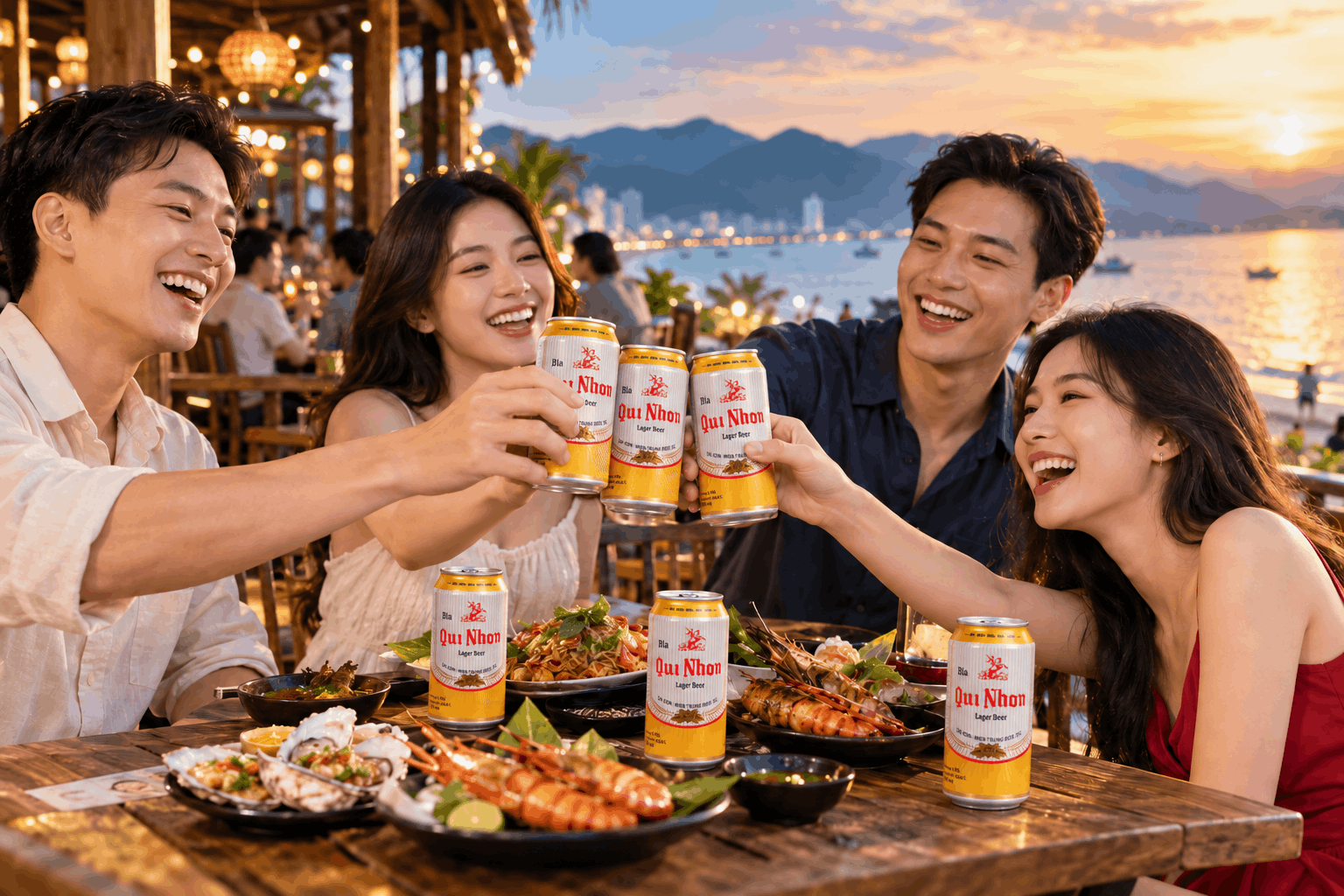
A product positioned in connection with Da Nang, Nha Trang, Quy Nhon, or the Central Highlands, for example, can convey a different story from a product developed to serve the mass market nationwide.
From a brand-building perspective, this is a notable advantage.
Local brands do not necessarily have to compete directly with major brands in terms of nationwide recognition. Instead, value can come from the ability to create a connection between the product, the locality, and the customer experience.
Tourism also creates an environment where local products have the opportunity to reach consumers from many different provinces and cities. If a brand succeeds in building recognition, its local story can be conveyed beyond the boundaries of its initial market.
Thus, tourism does not simply increase the number of people present in a locality. More importantly, it creates an ecosystem where regional identity can become part of brand value.
Are you exploring the beverage market, production capacity, and supply chain in Central Vietnam? Sai Gon – Mien Trung Beer Joint Stock Company (SMB) provides official information channels for businesses to consult and learn more. Email: Oem@biasaigonmt.com
3/ Consumers are increasingly interested in the story behind the product
In the modern consumer goods market, packaging and brand names are no longer merely decorative elements.
Customers have an increasing number of choices. When many products are available on the market at the same time, the brand story becomes one of the factors that helps businesses build differentiation and recognition.
This trend creates more room for brands with a local identity.
A product can build its image around a place, culture, lifestyle, or distinctive characteristics of the region. However, the local element only truly creates value when it is implemented consistently.
The name, logo, packaging design, message, and brand identity system need to convey the same story together.
This is also one of the reasons why the concept of private brands is being mentioned more frequently in consumer goods business activities.
By owning a brand, businesses have greater control over determining positioning, designing brand identity, and communicating with the market.
However, a private brand is not simply about placing a new logo on a product.
A brand that aims for long-term development needs to answer fundamental questions: which customer group the product is intended for, in what context it will appear, and what factors will help the brand be recognized among many other choices.
In Central Vietnam, this issue is even more noteworthy because market characteristics can vary between localities.
A brand focused on coastal tourism areas may need a different approach to image building from a brand targeting the domestic urban market. Identifying the right segment can therefore become an important advantage for small and medium-sized businesses.
4/ The development of distribution systems opens up opportunities for market access
A product that is suitable for the market is not enough to build a sustainable brand. In the fast-moving consumer goods industry, the distribution system has a major influence on a product’s ability to reach consumers.
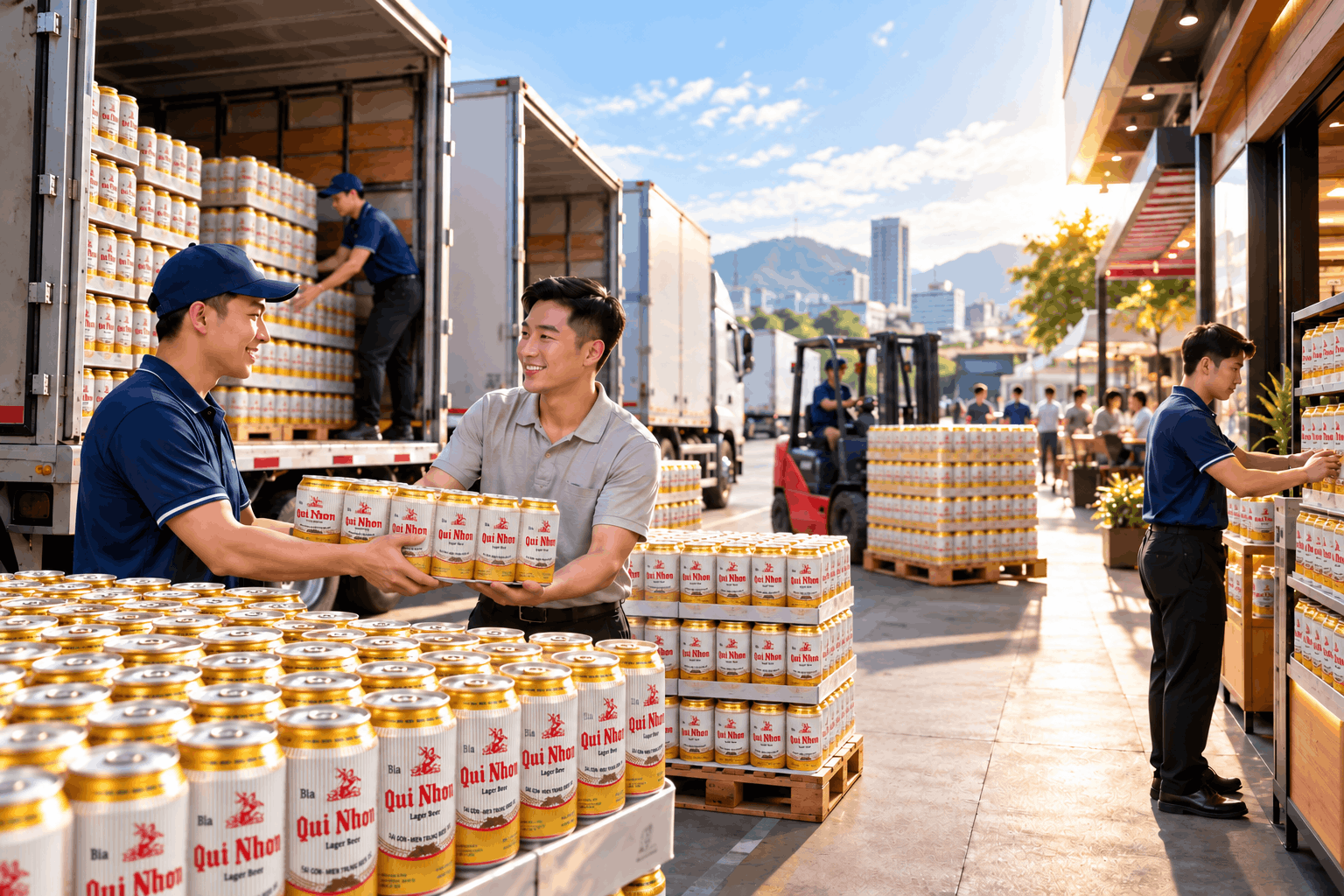
Central Vietnam is witnessing changes in its commercial and service infrastructure.
Alongside traditional retail systems, the presence of retail chains, restaurants, hotels, and modern service models is creating a more diverse distribution structure in many urban areas.
This gives businesses more options when researching approaches to market access.
Instead of having to launch across a broad area from the outset, brands can select a location or a group of channels that align with their positioning to assess market response before considering the next stage of development.
A region-by-region approach also helps businesses better understand customer characteristics, brand recognition, and the effectiveness of each channel.
Alongside traditional distribution, the digital environment has significantly changed the relationship between brands and consumers.
Websites, search engines, and media platforms allow businesses to communicate their brand stories to customers without being entirely dependent on a physical presence at points of sale.
For local brands, this is an important change.
A strategy focused on the right area, the right customer group, and a clear message can establish a foundation for brand recognition before the business considers expanding its market reach.
5/ Contract manufacturing is changing the structure of the beverage industry
One of the significant barriers in the beverage industry is the requirement for production facilities.
Establishing and operating a factory requires resources for production lines, facilities, quality control, technical personnel, and production management systems. In addition, there are legal requirements and standards corresponding to each product category.
In this context, contract manufacturing, or OEM, has become part of the supply chain in many consumer goods industries.
From an economic perspective, this model reflects the trend toward specialization within the value chain.
Entities with production facilities can focus on technical capabilities, quality control, and factory operations, while brand-owning businesses can concentrate their resources on market research, brand identity, and distribution systems.
This division of responsibilities contributes to changing the way businesses approach product development.
Instead of only asking whether to build a new production facility, businesses can examine the industry’s entire existing ecosystem to evaluate suitable options.
However, for beer and other alcoholic beverages, production and commercial activities are subject to relevant legal regulations. Issues related to licensing, quality, product labeling, advertising, and distribution all need to be considered during the market evaluation process.
In Central Vietnam and the Central Highlands, the presence of businesses with production capabilities is also an important part of the industry ecosystem.
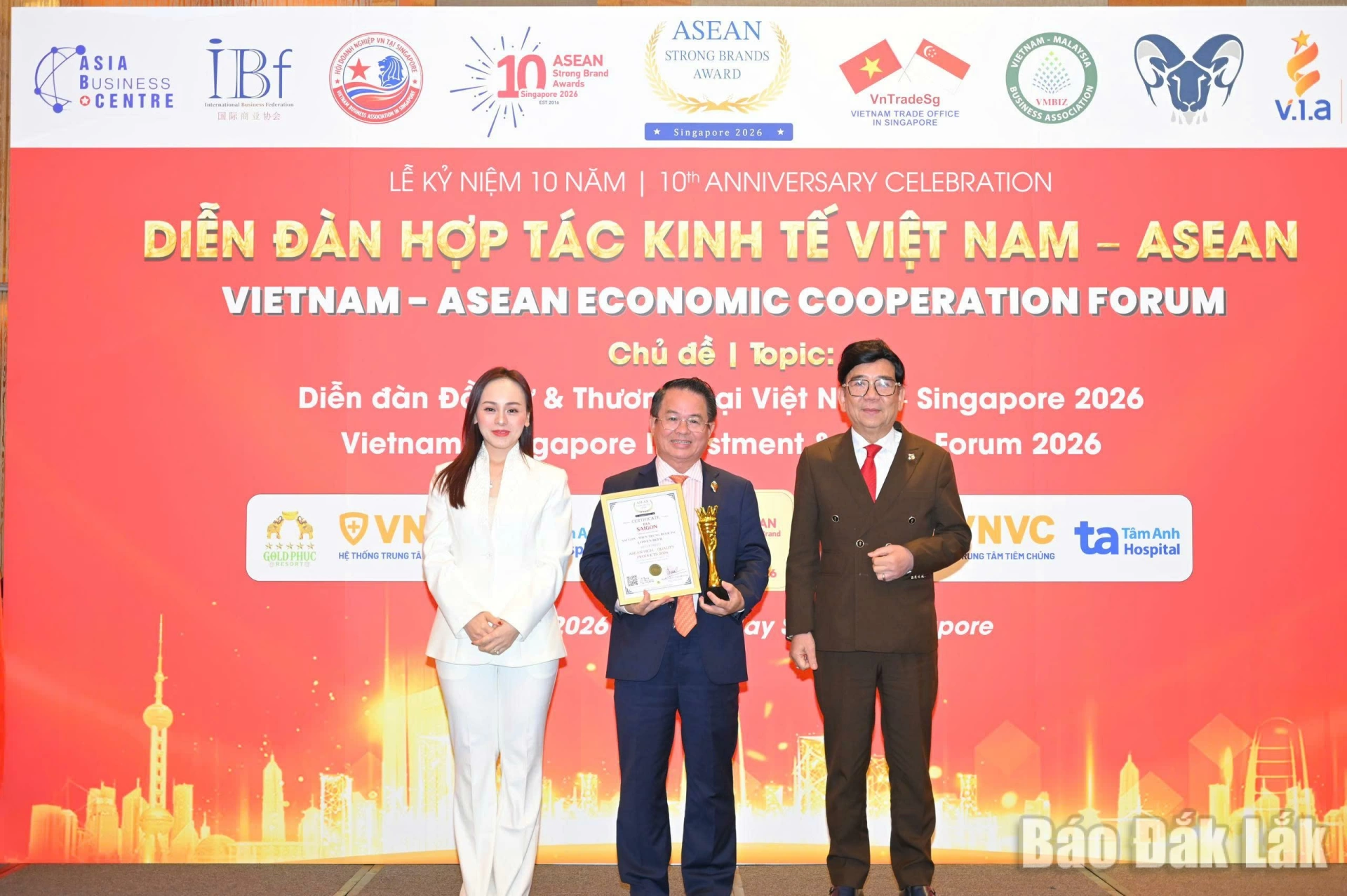
One example is Sai Gon – Mien Trung Beer Joint Stock Company (SMB), a company operating in the beer production sector in the region.
The presence of local production facilities shows that the industry’s value chain includes not only the consumer market but also production, operational, and supply capabilities within the region.
This is a noteworthy factor when assessing the long-term prospects of the Central Vietnam market.
Need more information about SMB’s production capabilities and operations? Businesses can send information requests to Sai Gon – Mien Trung Beer Joint Stock Company (SMB) via its dedicated email. Email: Oem@biasaigonmt.com. Website: https://oem.biasaigonmt.com/
6/ The opportunity for local brands lies in their ability to understand the market
Central Vietnam has favorable conditions for the development of local brands, but market potential does not mean that every new product can succeed.
The key advantage of a local brand lies in its ability to understand the market it is targeting.
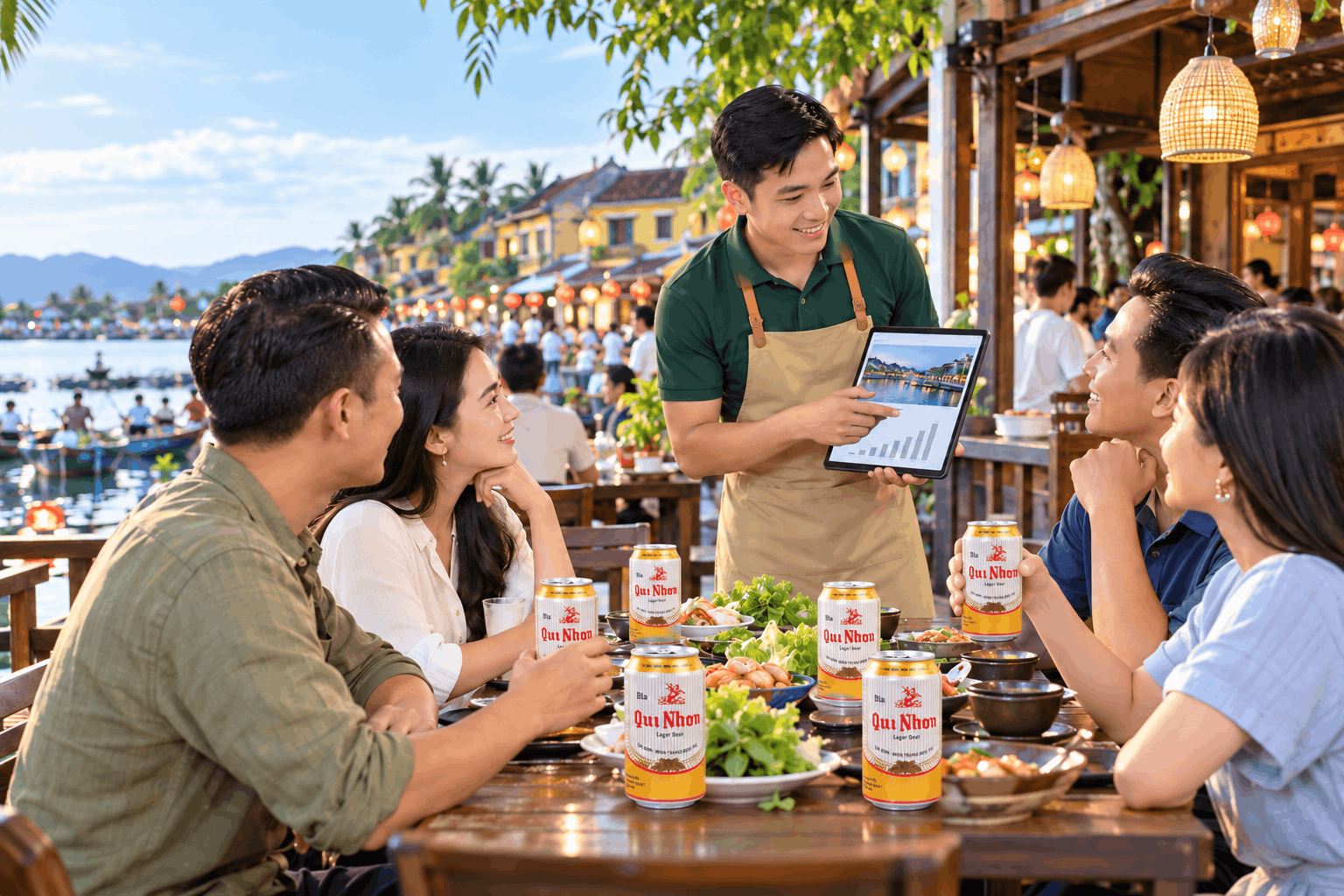
Businesses need to identify who their target customers are, which segment the product competes in, and what factors enable customers to recognize the brand among the choices already available in the market.
This is a much more important question than simply creating a brand name or a new packaging design.
In an increasingly competitive environment, small brands may not have an advantage in terms of budget, but they often have greater ability to focus and be flexible.
Businesses can research a specific market, evaluate positioning, observe market response, and adjust their strategy before considering expansion.
Central Vietnam is particularly noteworthy for this approach because the region is made up of multiple market clusters with different characteristics.
A brand can start in one city or with a specific segment instead of immediately targeting the nationwide market.
In the long term, the combination of tourism, urbanization, food and beverage service systems, distribution infrastructure, production capacity, and regional identity can continue to create more room for local brands in the beverage industry.
What is important is that businesses need to shift from a mindset focused solely on products to one focused on building brand value that is appropriate for the market.
This is also one of the key differences between a product that appears for a short period of time and a brand capable of building long-term recognition.
The beverage market in Central Vietnam is developing into a noteworthy environment for the growth of local brands. Tourism, service systems, commercial infrastructure, and production capacity in the region are creating an increasingly complete value chain.
In particular, the market structure distributed across multiple cities and localities creates conditions for businesses to explore strategies focused on specific segments.
In the beer industry, market opportunities always come with requirements for quality, legal compliance, and responsibility in commercial activities. Therefore, evaluating potential needs to be based on market data, distribution capabilities, production capacity, and the degree to which the brand is suited to its target customers.
From an economic perspective, the future of local brands in Central Vietnam does not depend solely on market size. The key factor lies in the ability to understand regional characteristics, build a distinctive identity, and create value suited to each customer group.
That is also why Central Vietnam is becoming a region worth watching in the development of the Vietnamese beverage market.
Contact Information
Official information about Sai Gon – Mien Trung Beer Joint Stock Company (SMB) and the company’s operations:
Company: Sai Gon – Mien Trung Beer Joint Stock Company (SMB)
Head Office Address: 01 Nguyen Van Linh, Tan An Ward, Dak Lak Province
Hotline: (+84) 94 1127575
Email: Oem@biasaigonmt.com
Official Website: https://oem.biasaigonmt.com/