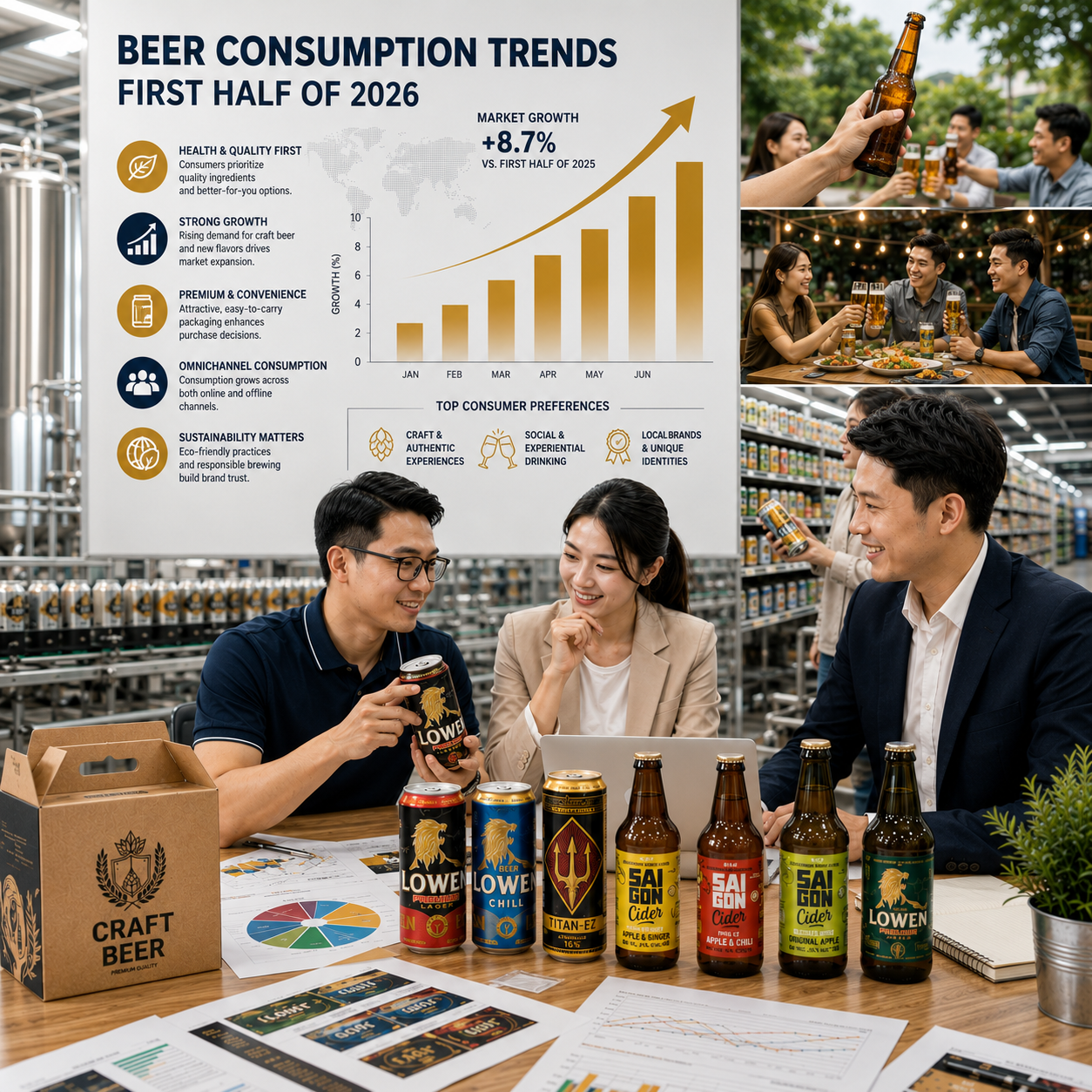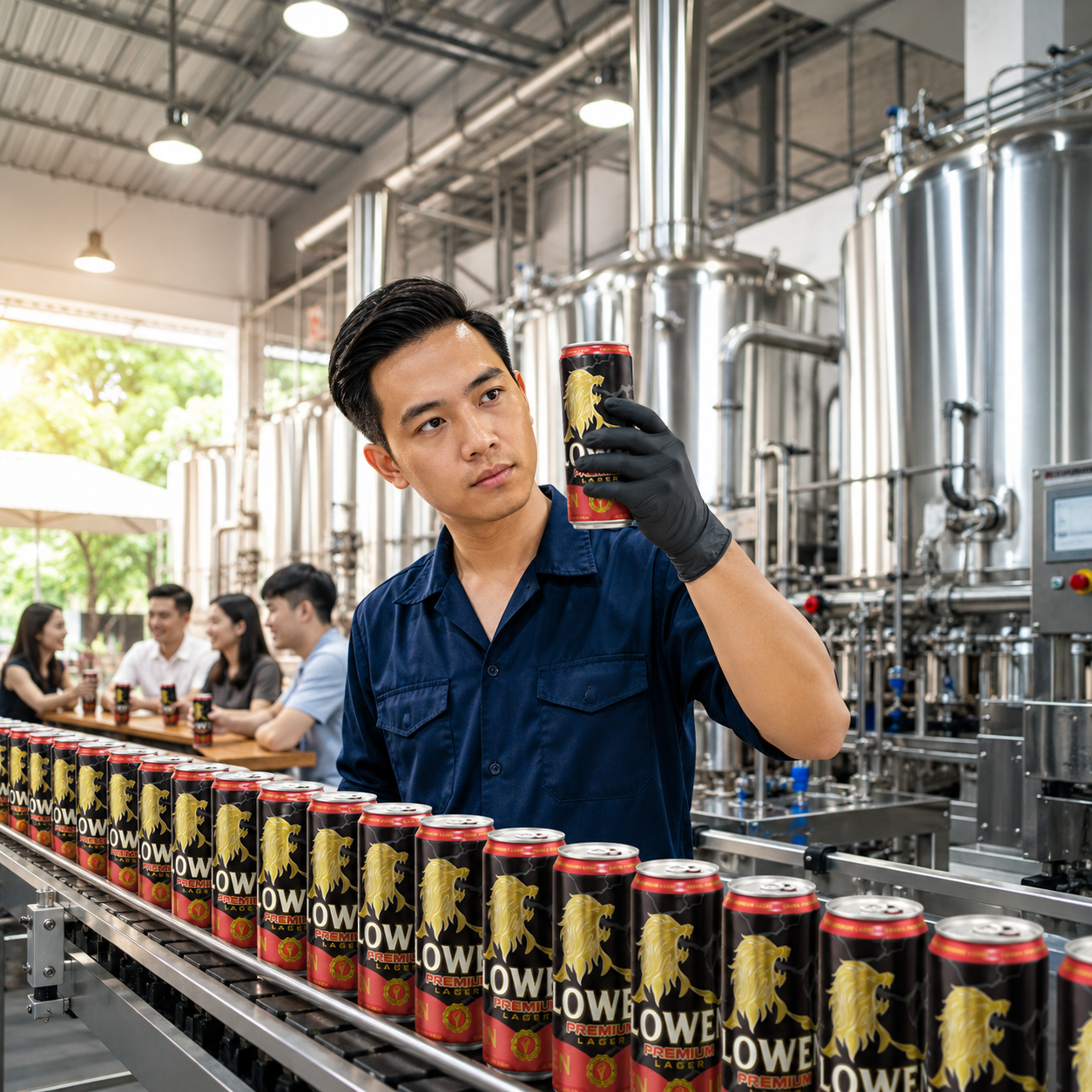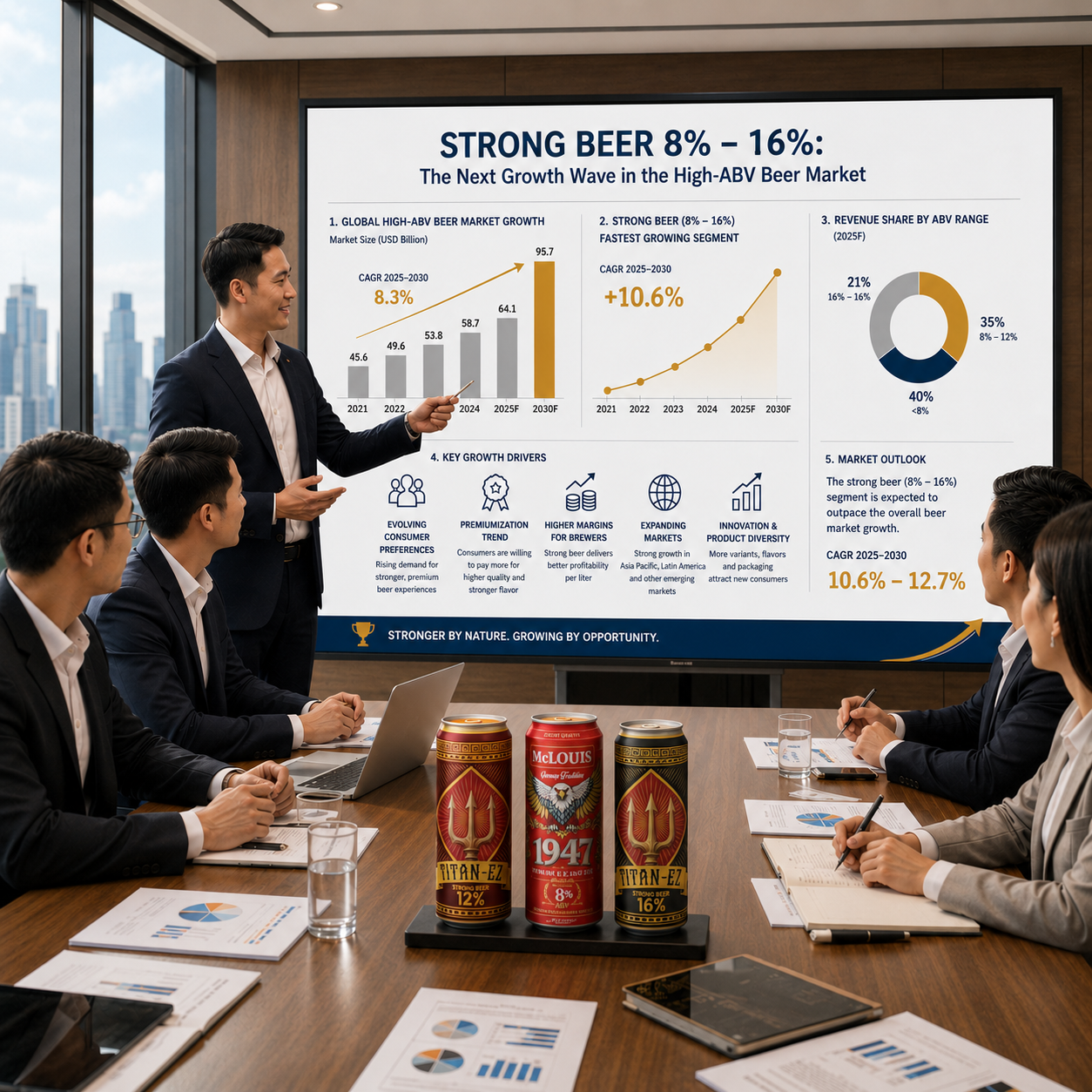


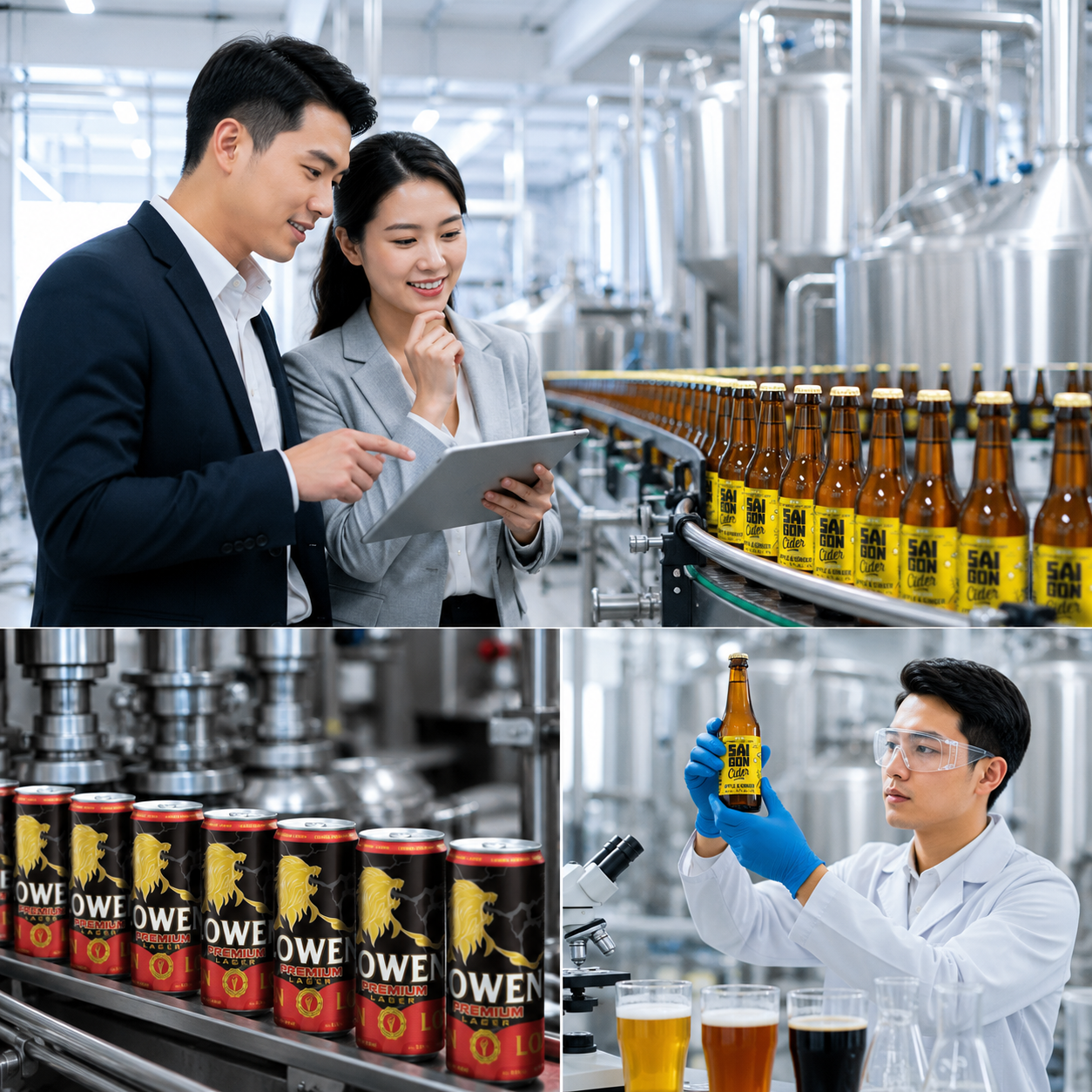
Alongside this trend, beer contract manufacturing (OEM) services continue to affirm their role as an effective solution for businesses that want to own a private-label beer brand without having to invest in a brewery. From restaurant chains, drinking establishments, and distribution companies to beverage startups, an increasing number of businesses are choosing the OEM model to quickly bring products to market with reasonable investment costs.
So, what stands out in the beer OEM market in mid-2026?
The Trend of Developing Private-Label Beer Brands Continues to Grow Strongly
The beer market is witnessing an increase in local beer brands, brands developed specifically for restaurant and hotel chains, and businesses seeking to establish their own distinctive presence in the market.
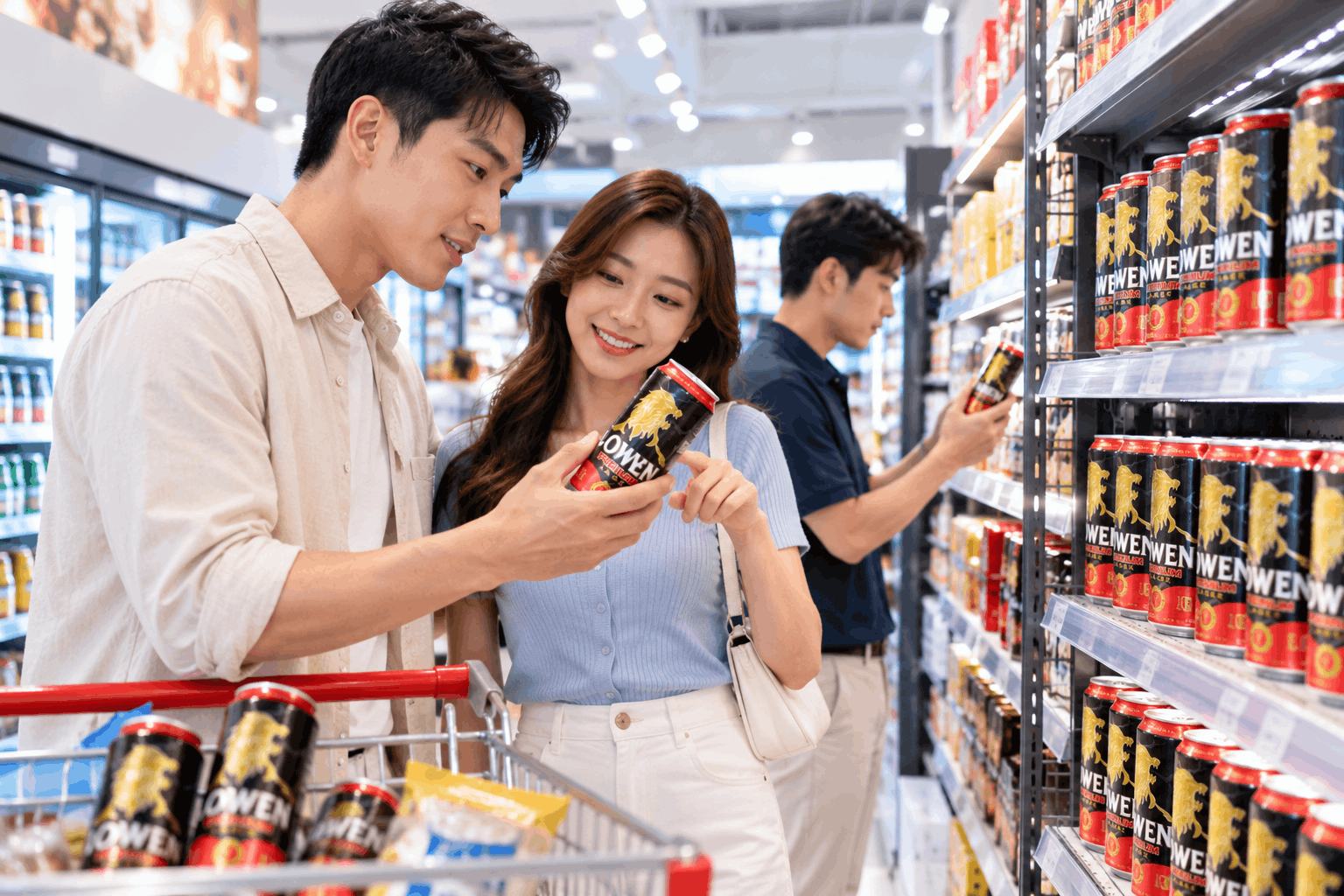
Instead of selling popular beer products, many businesses want to own products under their own brand names to create differentiation and increase value in the eyes of customers. A private-label beer brand not only helps enhance a company’s image but also creates advantages in building a loyal customer base and expanding business operations.
This is precisely the driving force behind the growing demand for beer OEM services in 2026.
Businesses Prioritize Optimizing Investment Costs
Investing in the construction of a brewery requires substantial capital and a lengthy implementation period. In addition to equipment costs, businesses must also establish a quality management system, recruit technical personnel, complete production processes, and comply with numerous legal requirements.
Meanwhile, constantly changing market demand makes investing in a proprietary production system potentially risky.
For this reason, many businesses have shifted toward the OEM model in order to:
- Significantly reduce initial investment costs.
- Shorten the time required to bring products to market.
- Allocate capital more proactively to marketing and brand development.
- Flexibly expand production volume according to actual demand.
- Leverage the production capabilities and experience of a professional brewery.
This trend allows businesses to focus on their core business activities instead of having to solve complex challenges related to production operations.
Packaging and Brand Identity Become Competitive Advantages
As the market offers consumers an increasing number of choices, consumers evaluate products not only through beer flavor but are also attracted by packaging design and brand stories.
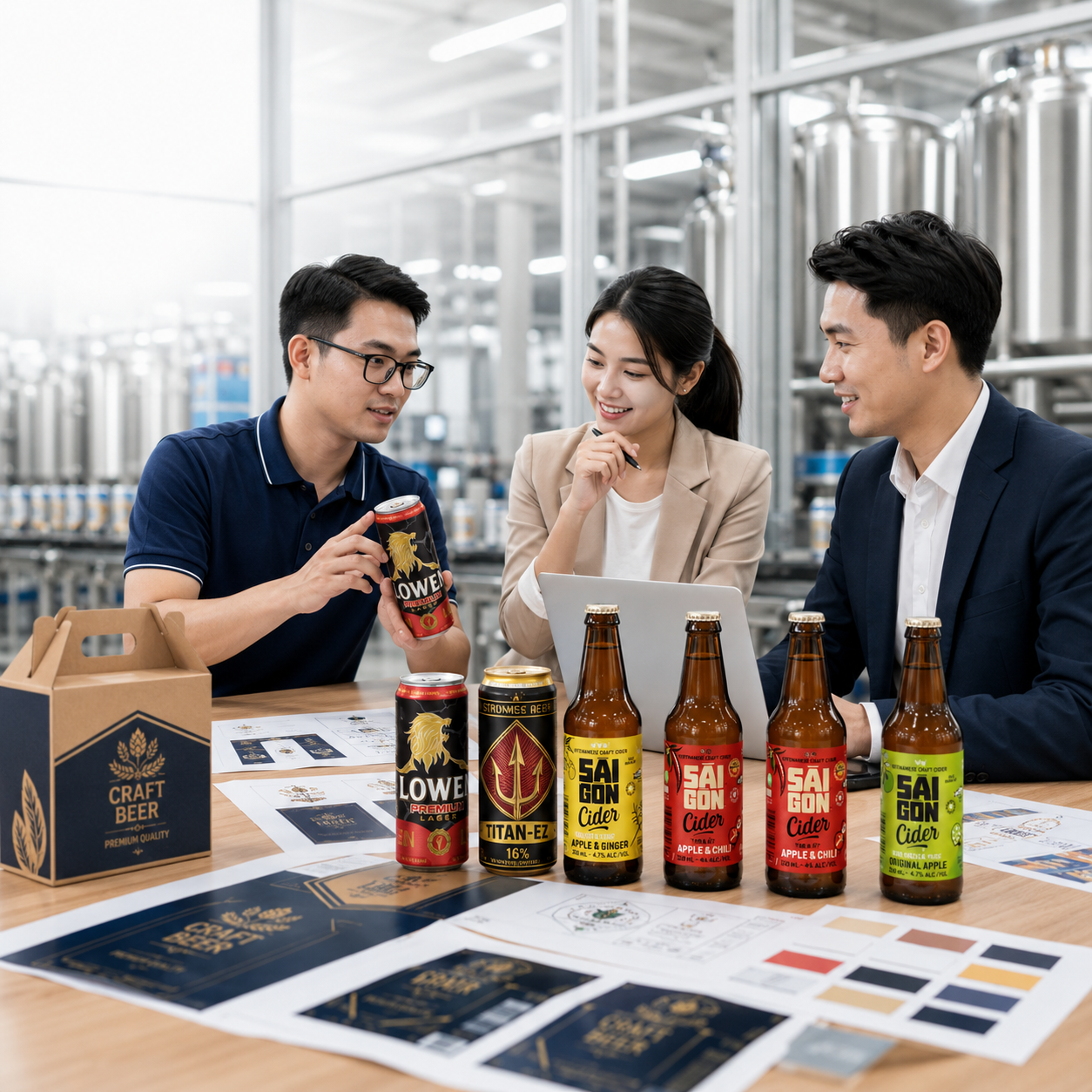
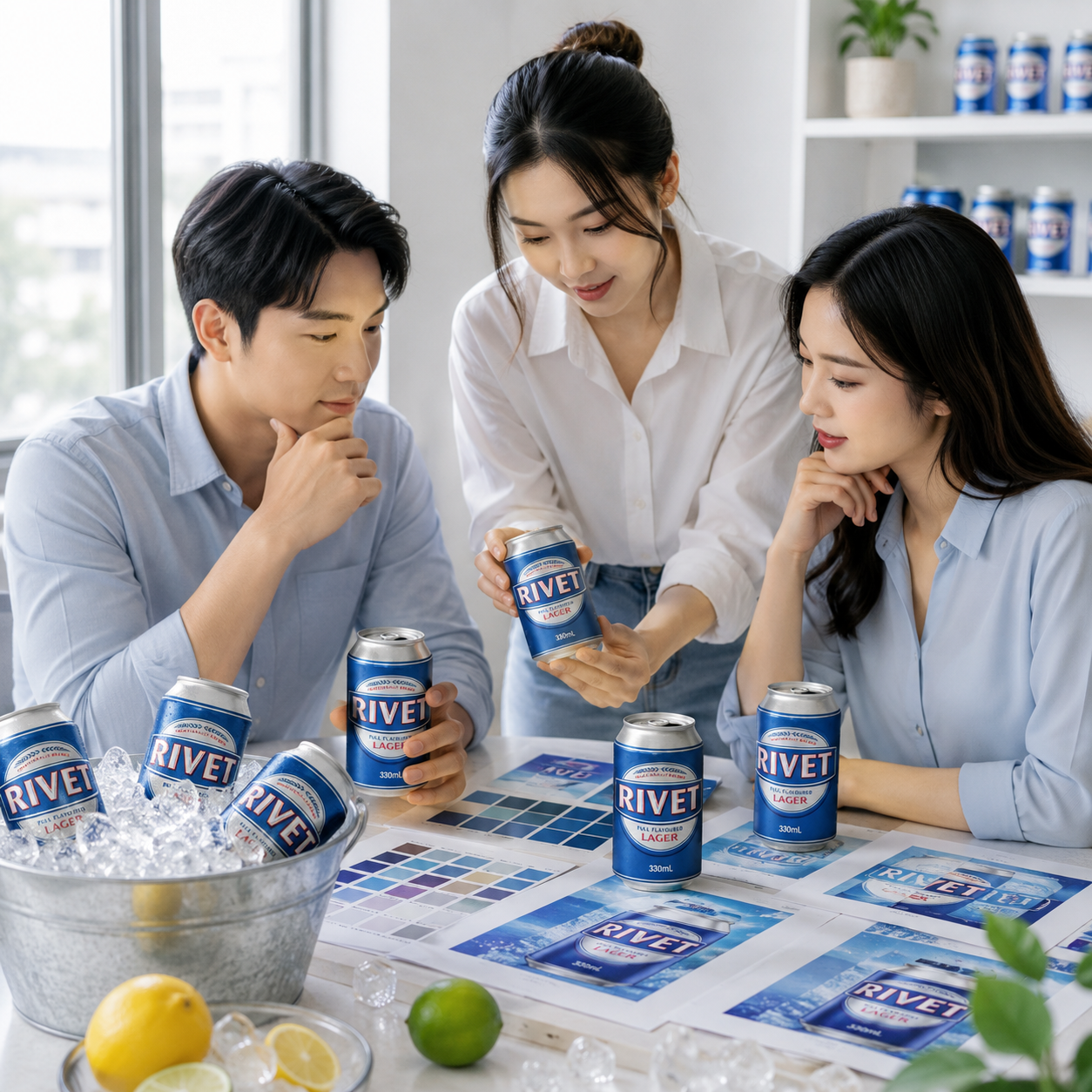
A professionally designed beer can or beer bottle will help the product stand out on store shelves, create an impression from the very first interaction, and contribute to enhancing brand value.
Therefore, many businesses today are not only looking for a contract manufacturer but also need a partner capable of providing consultation on packaging development, brand identity design, and product finalization before bringing the product to market.
Consumers Are Increasingly Concerned About Quality
The beer market in 2026 shows that consumers tend to choose products with clear origins, transparent production processes, and consistent quality.
This means that when selecting an OEM partner, businesses pay particular attention to:
- Production capacity.
- Quality control systems.
- Raw material management processes.
- Food safety standards.
- The ability to ensure consistent quality across production batches.
- The capacity to meet production volume requirements as the market expands.
A brewery with a modern production system and strict quality control processes will help businesses minimize risks and build long-term trust with customers.
OEM Is No Longer Simply a Contract Manufacturing Service
One of the major changes in the market in mid-2026 is that businesses no longer view OEM merely as a form of outsourced production.
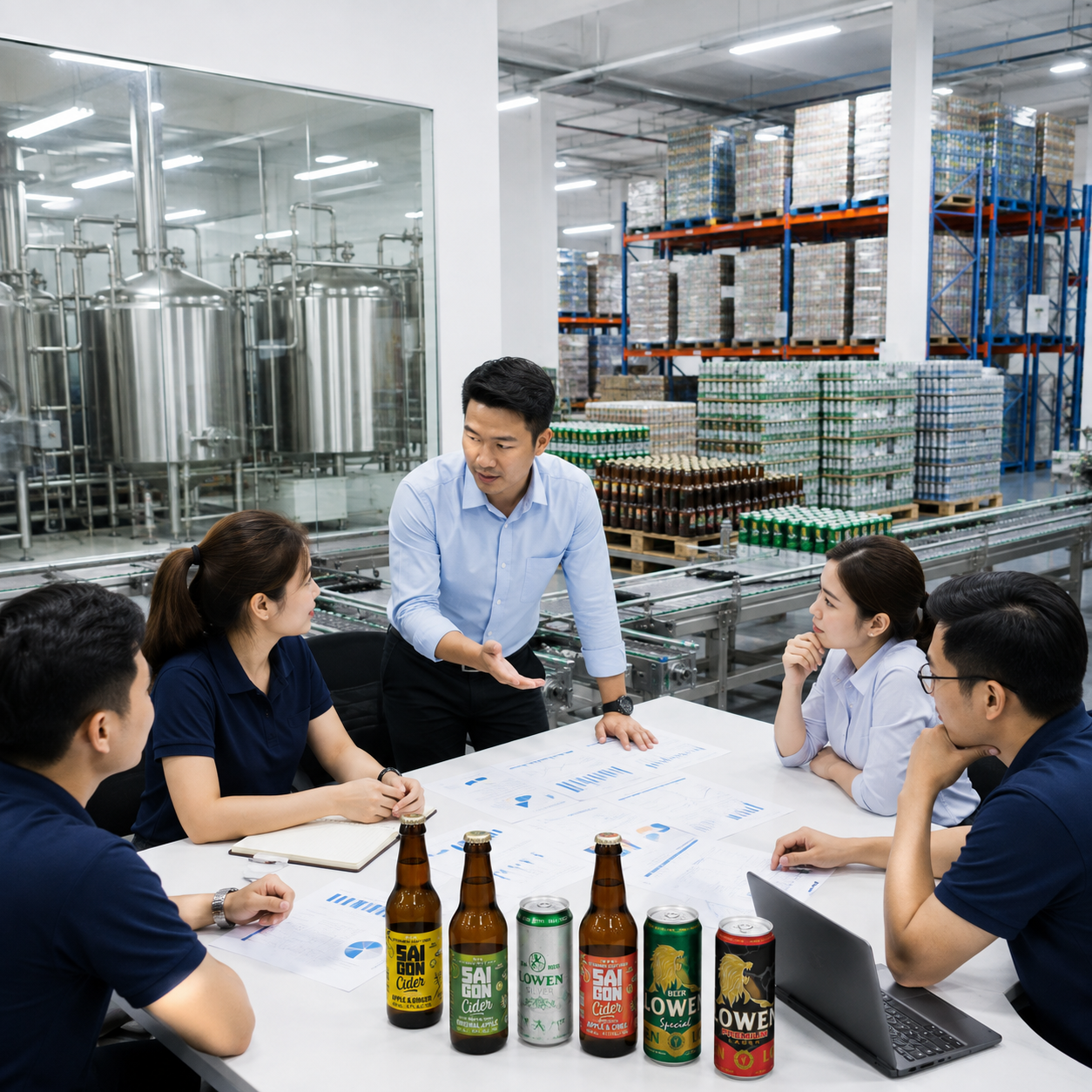
Today, businesses want to find a partner that can accompany them from the very first stages, including market research, recipe development, product development, packaging design, through to production, quality control, and support in bringing the product to market.
This comprehensive collaboration model helps businesses save time, optimize costs, and minimize many risks during the process of launching a new beer brand.
A Flexible Supply Chain Becomes a Major Advantage
In addition to product quality, the ability to ensure a stable supply of raw materials and maintain production schedules is also a factor that many businesses are concerned about.
An OEM partner with a stable supply chain will help businesses proactively plan their operations, minimize raw material shortages or delivery delays, especially during peak seasons.
This is also one of the important criteria when selecting a beer contract manufacturing partner during a period when the market is recovering and competition is becoming increasingly intense.
Opportunities for New Beer Brands Remain Wide Open
Although the beer market is highly competitive, significant opportunities still remain for businesses that know how to create differentiation.
Beer products with distinctive flavors, professional packaging design, clear brand stories, and appropriate customer acquisition strategies still have considerable potential for growth.
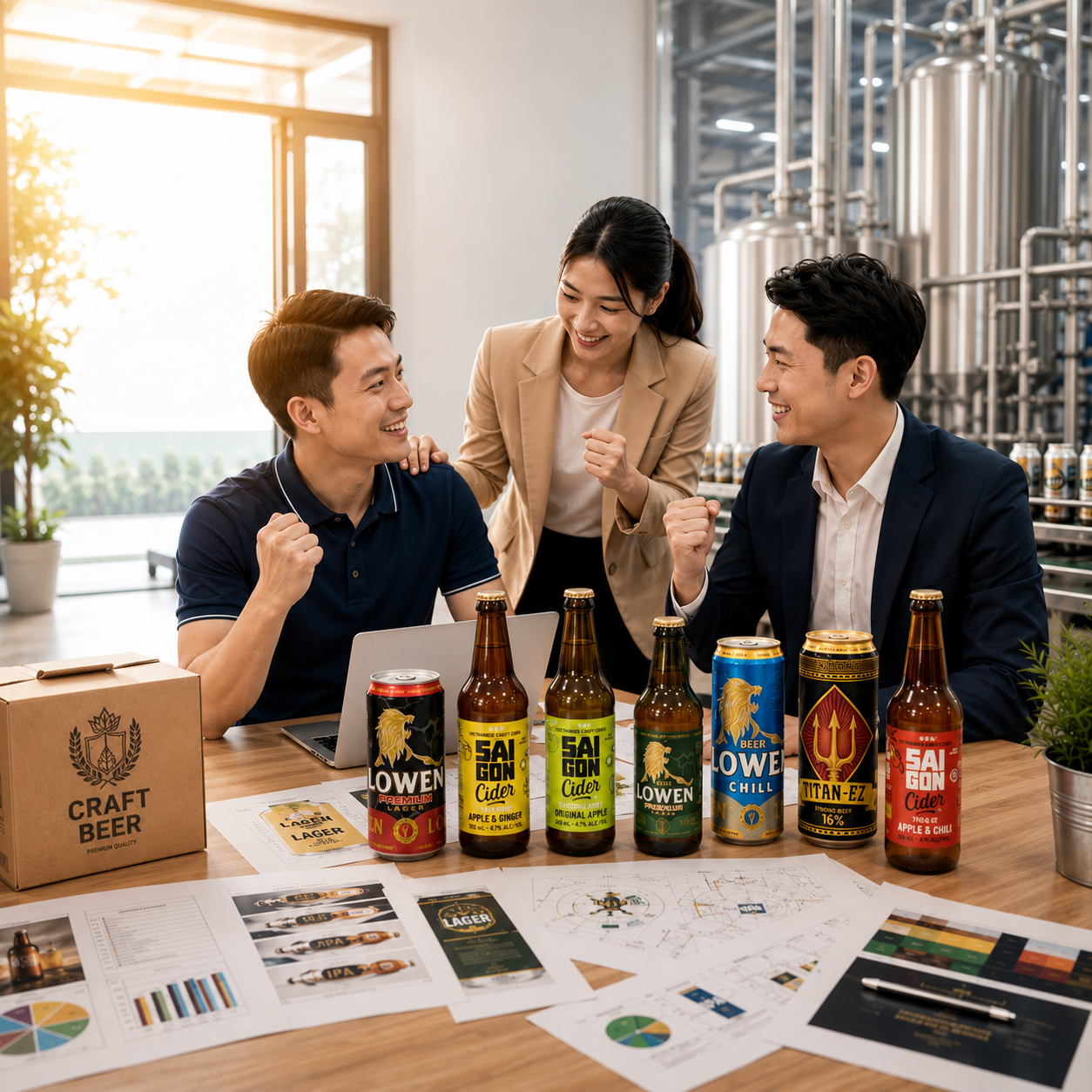
In particular, restaurants, F&B chains, local businesses, and distributors can develop their own private-label beer brands to increase their competitive advantage and enhance business value.
In this context, choosing the right OEM partner will play an important role in turning ideas into high-quality beer products.
In mid-2026, the beer OEM market is entering a more professional stage of development. Businesses are no longer simply looking for a manufacturer but need a partner with sufficient capabilities to accompany them throughout the process of building and developing a beer brand.
The trends of developing private-label beer, optimizing investment costs, improving product quality, and building a flexible supply chain will continue to drive the OEM market in the coming period.
For businesses planning to develop their own beer brands, this is considered an appropriate time to conduct market research, select a reputable partner, and build a long-term development strategy to create a sustainable competitive advantage.
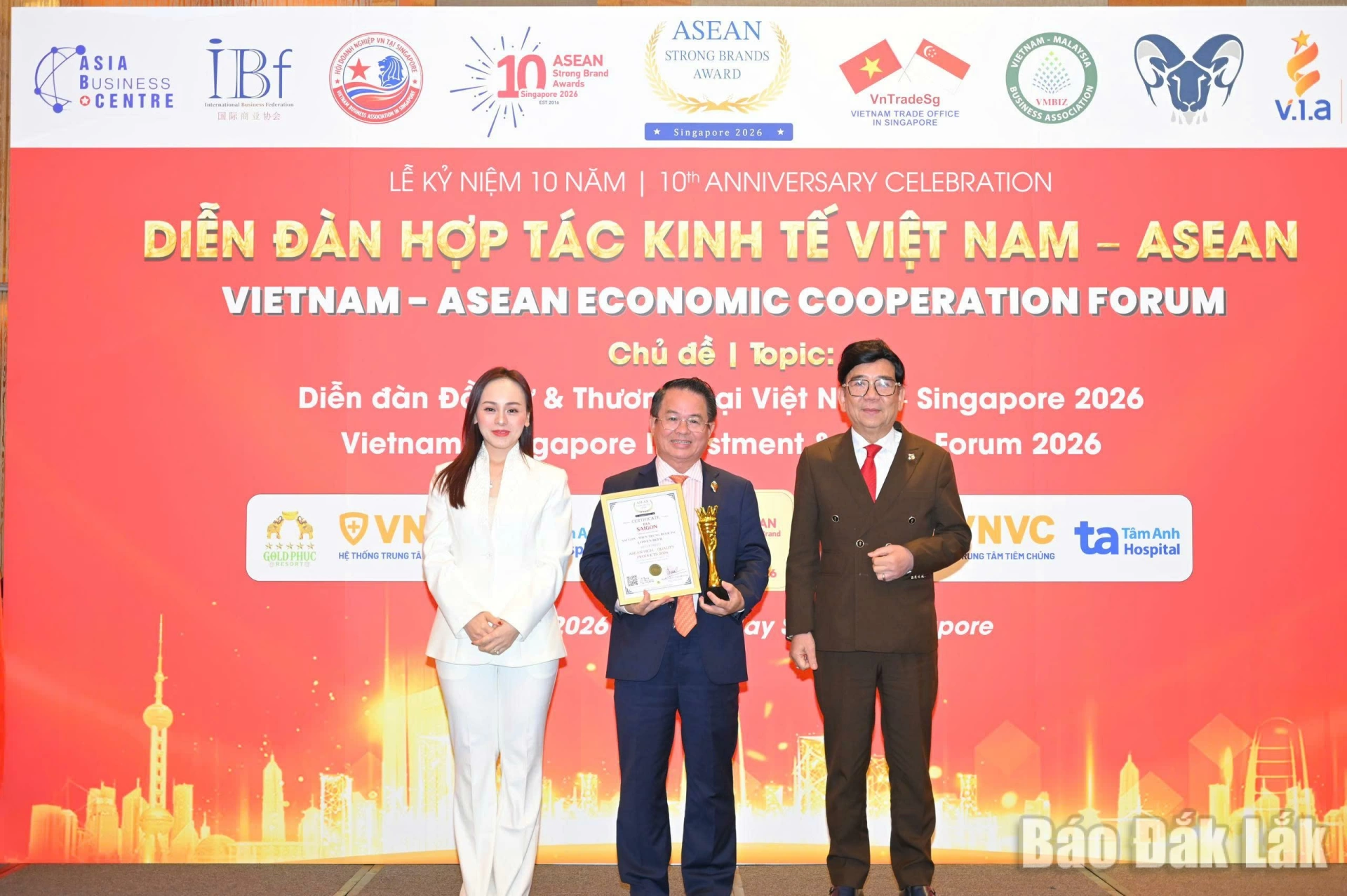
If your business is looking for a partner with production capabilities, implementation experience, and the ability to accompany you throughout the process of building a private-label beer brand, Saigon – Mien Trung Beer Joint Stock Company (SMB) is ready to provide solutions tailored to the business objectives and development direction of each project.
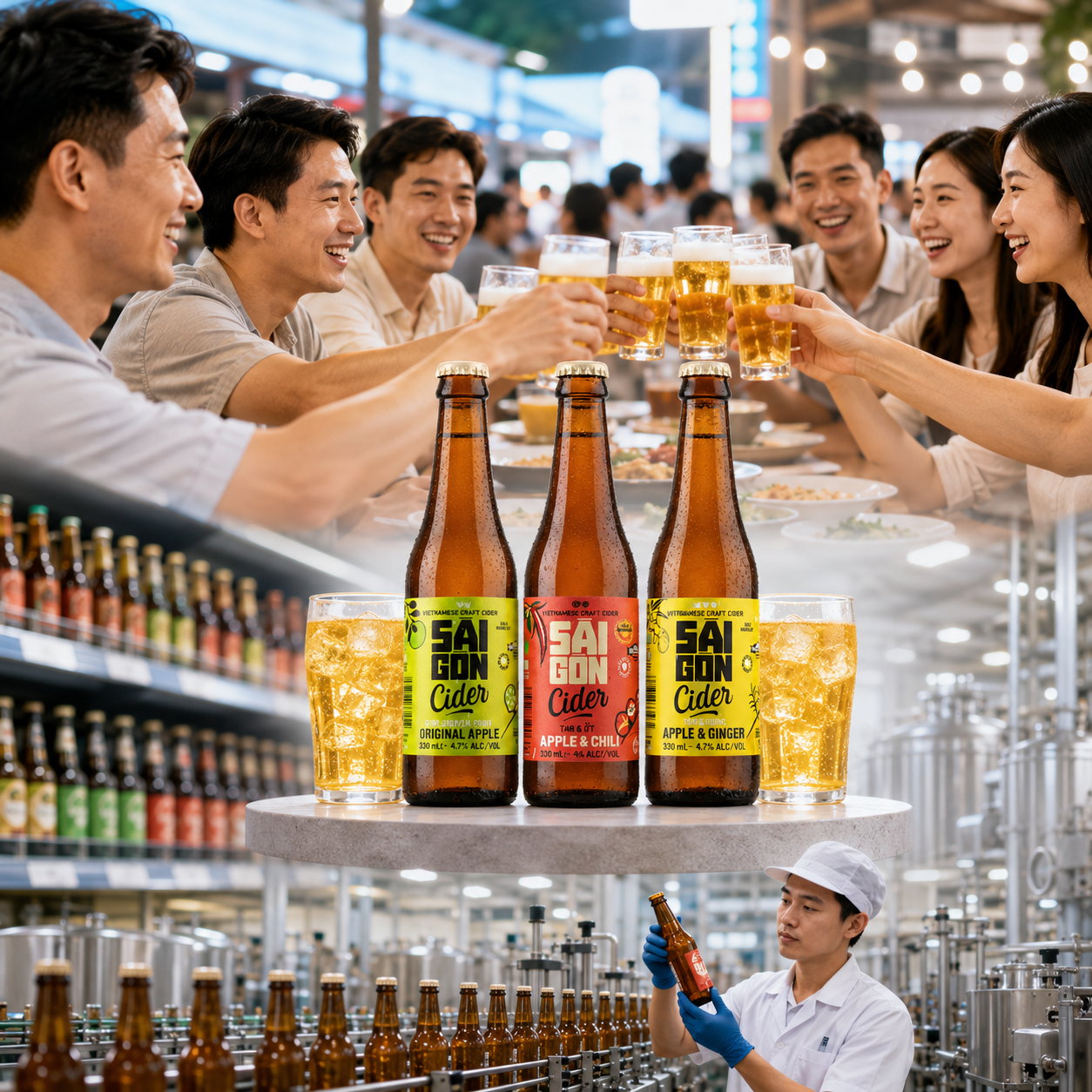
With many years of experience in beer production, along with modern breweries, integrated production lines, and strict quality control processes, SMB provides comprehensive beer OEM services, from recipe development, product development, packaging design, and production to support in completing related procedures. SMB’s goal is to help businesses shorten the time required to bring beer products to market, optimize investment costs, and build private-label beer brands in a professional and sustainable manner.
SAIGON – MIEN TRUNG BEER JOINT STOCK COMPANY (SMB)
Address: 01 Nguyen Van Linh, Tan An Ward, Buon Ma Thuot City, Dak Lak Province
OEM Consultation Hotline: (+84) 94 1127575
Email: oem@biasaigonmt.com
Website: https://oem.biasaigonmt.com/
SMB is always ready to accompany businesses on their journey to develop private-label beer brands with comprehensive, flexible OEM solutions tailored to each business objective.