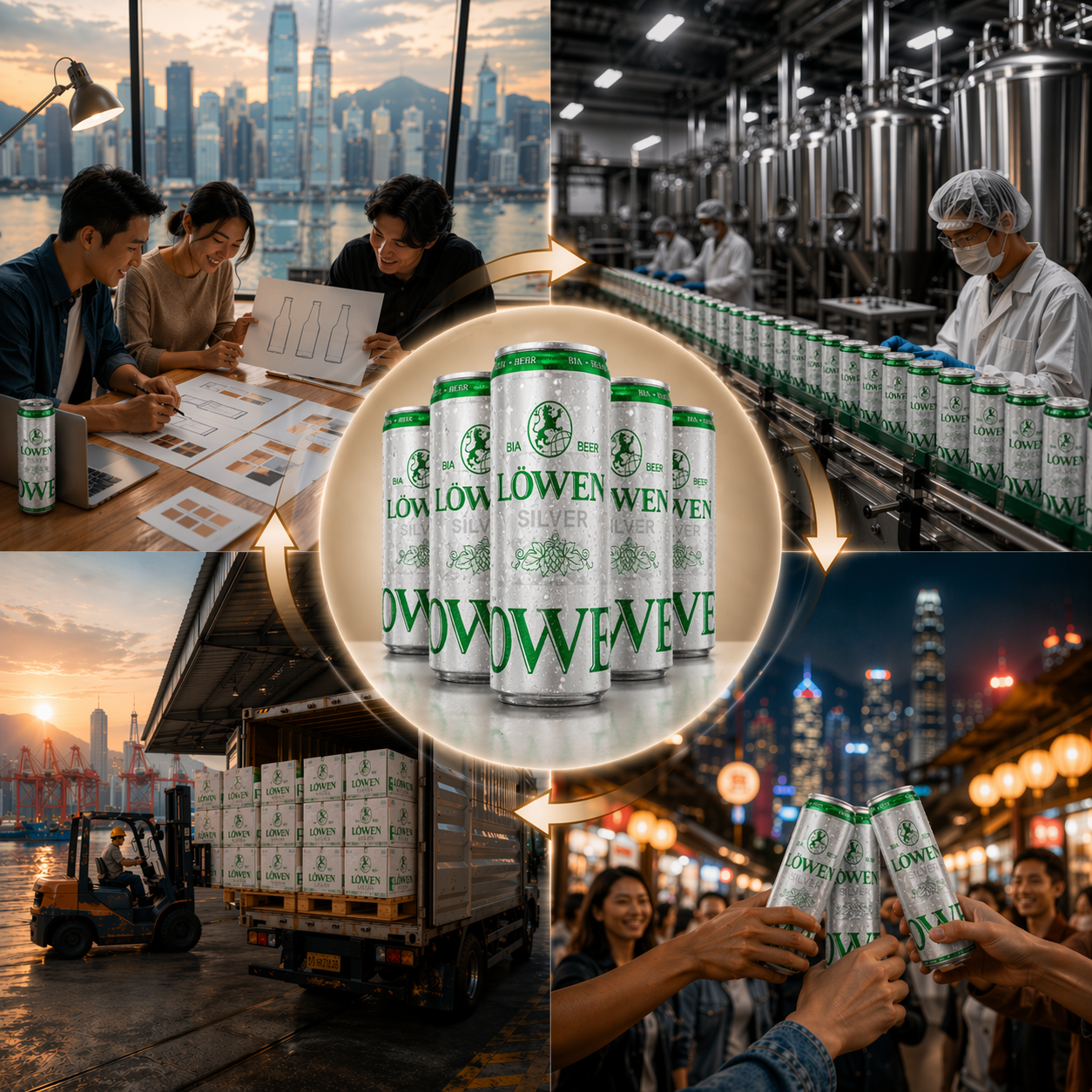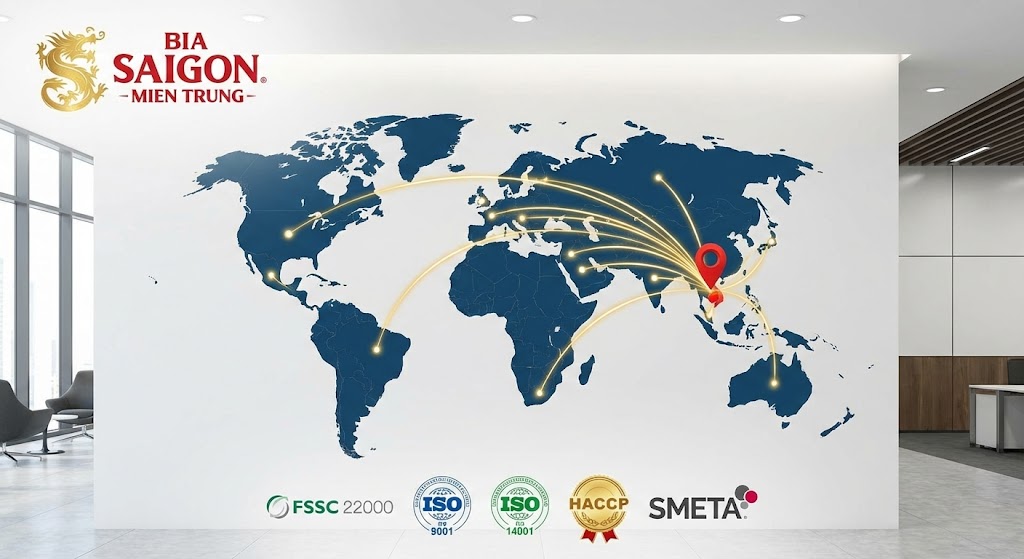


The peak season is always considered the most important period for Vietnam’s beer industry. This is not only a time when purchasing demand increases significantly due to tourism activities, festivals, weddings, and year-end consumption needs, but also a true “test” of each business’s operational capabilities, supply chain, and brand strategy.
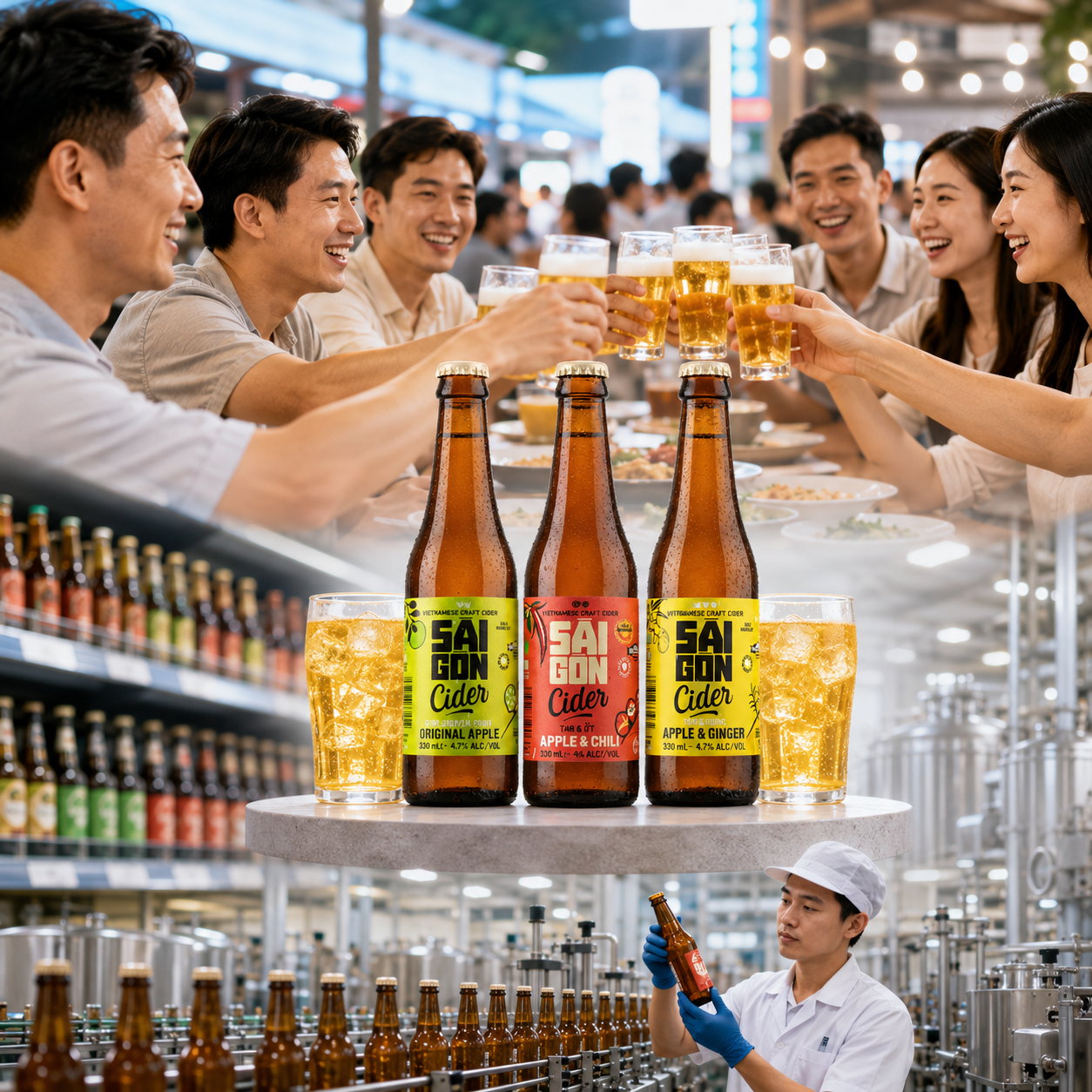
However, in the midst of the 2026 peak season, the market landscape is showing many notable changes. If competition in the past mainly revolved around production scale, distribution coverage, or promotional programs, businesses now have to face a much more complex business environment. Consumers have become more cautious with their spending, regulations governing alcoholic beverages continue to be tightened, while the costs of raw materials, logistics, and sustainability requirements continue to place significant pressure on the entire industry.
In this context, the 2026 peak season is not simply a race to sell more beer, but a competition based on the ability to adapt, innovate products, and build long-term brand value.
The market is recovering, but consumer sentiment has changed
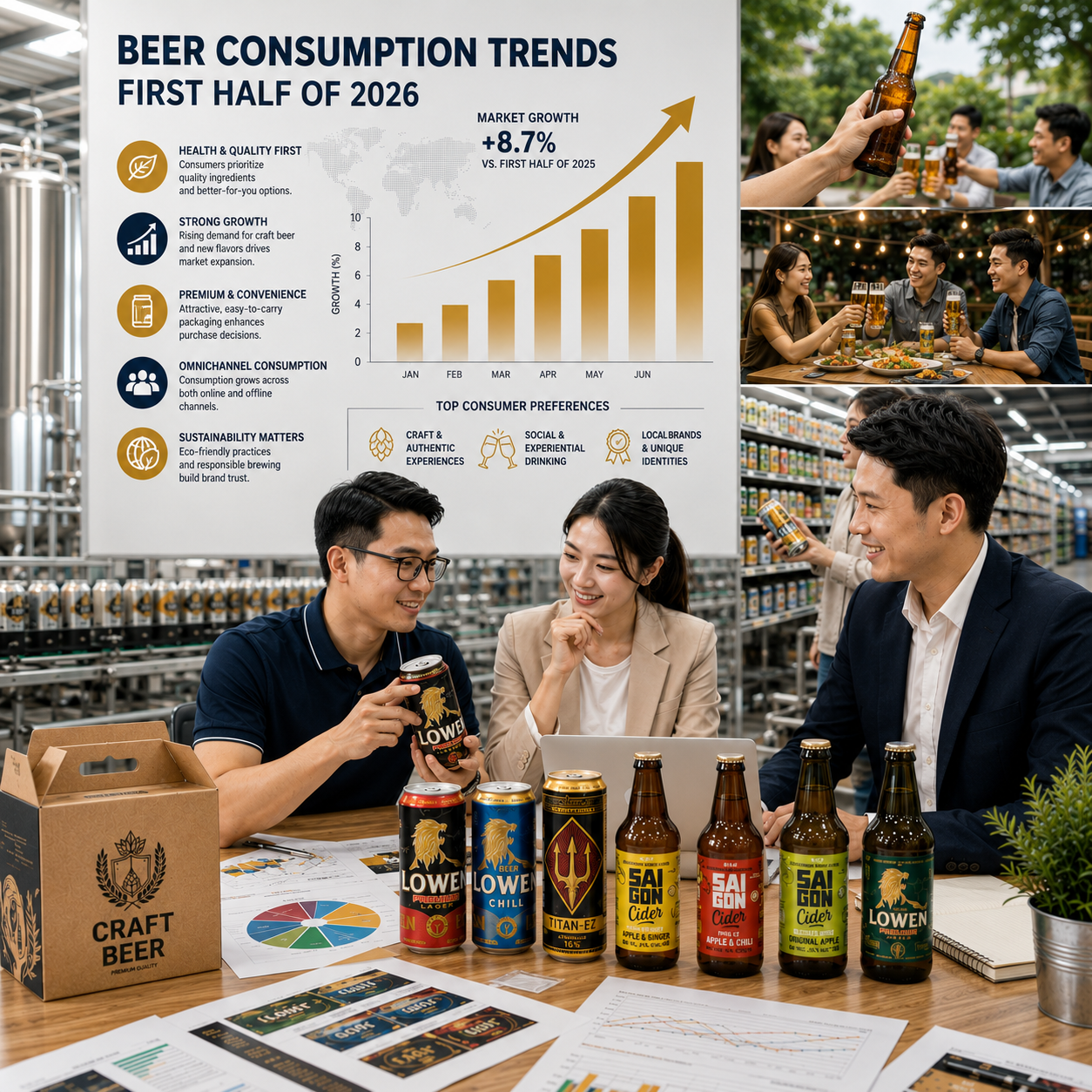
After several years of being affected by economic fluctuations and changes in consumer behavior, Vietnam’s beer market continues to maintain its large scale and is considered one of the attractive markets in Southeast Asia. However, current purchasing demand is no longer growing in the traditional way.
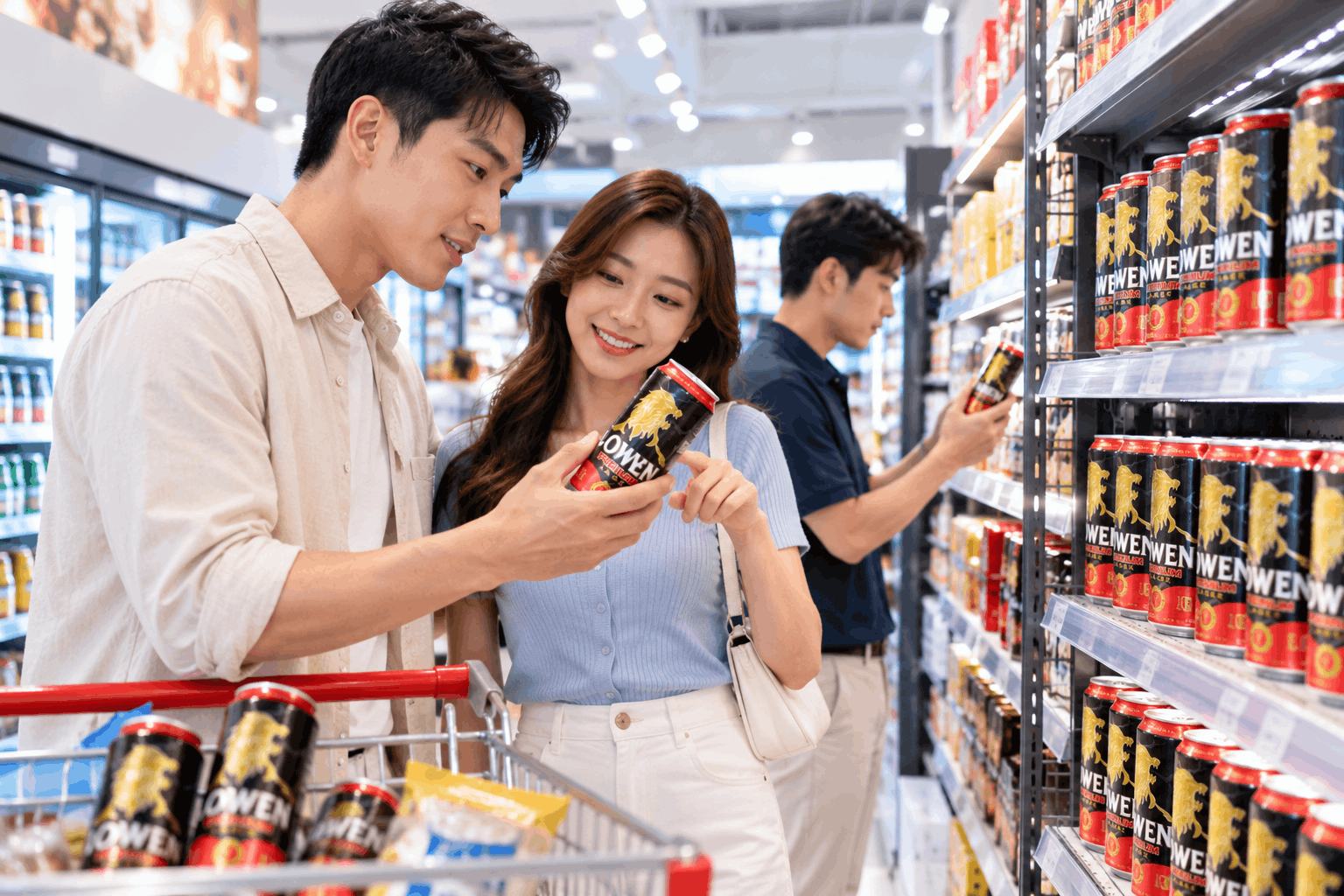
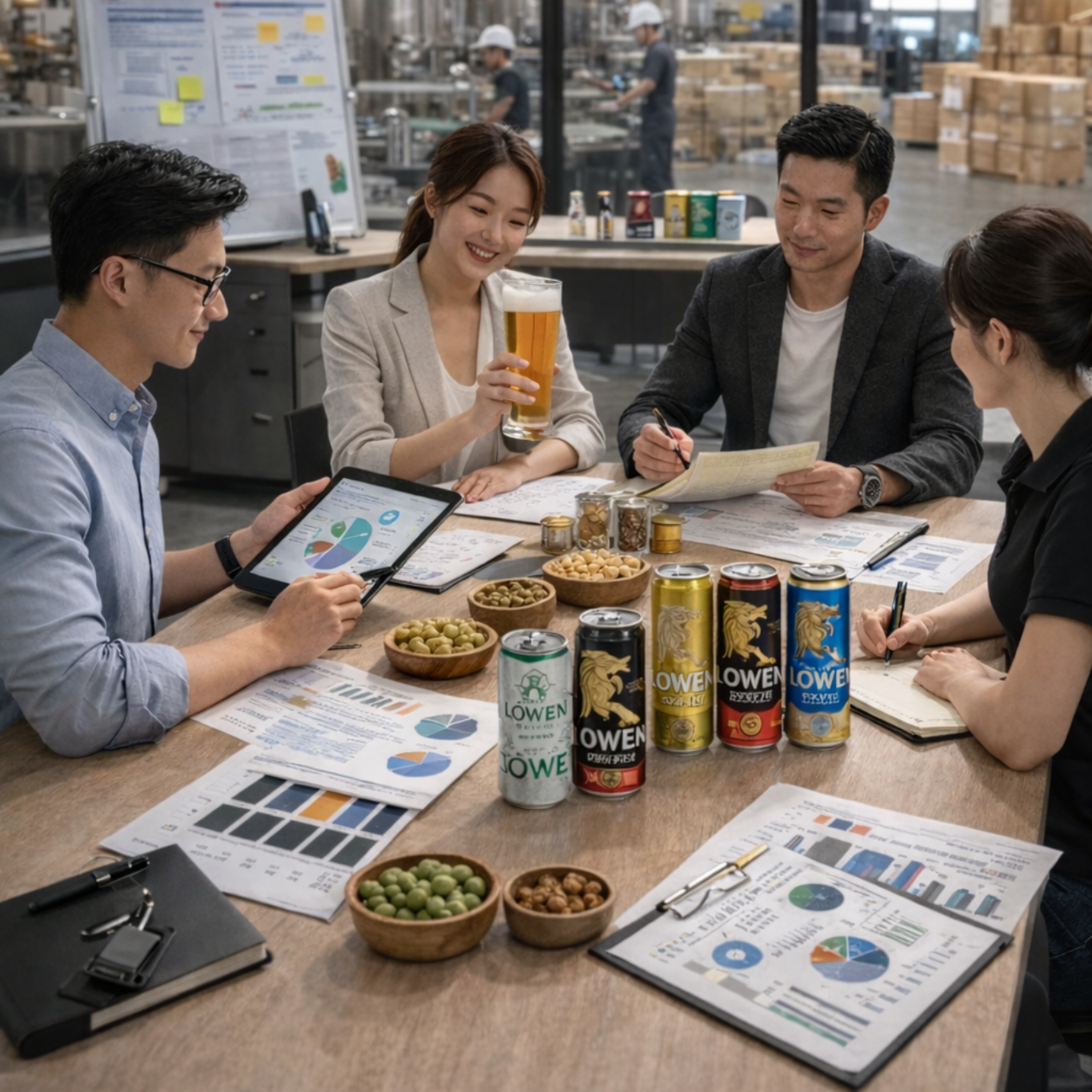
Market surveys during the peak season show that supply remains relatively abundant and overall price levels are generally stable, but consumers tend to consider their purchases more carefully before making a decision. They are no longer choosing products solely based on familiar brands, but are becoming increasingly interested in quality, origin, packaging design, and usage experience.
This means businesses cannot simply increase production and expect revenue to rise accordingly. Brand value and the ability to create differentiation are increasingly becoming decisive factors.
Competition is shifting toward the value segment
One notable characteristic of the 2026 beer market is the shift from price competition to value competition.
Consumers are increasingly willing to pay more for products that provide a sense of difference. More attractive packaging, a clearer brand story, more personalized flavors, or a more premium consumption experience can all become reasons for customers to choose a product.
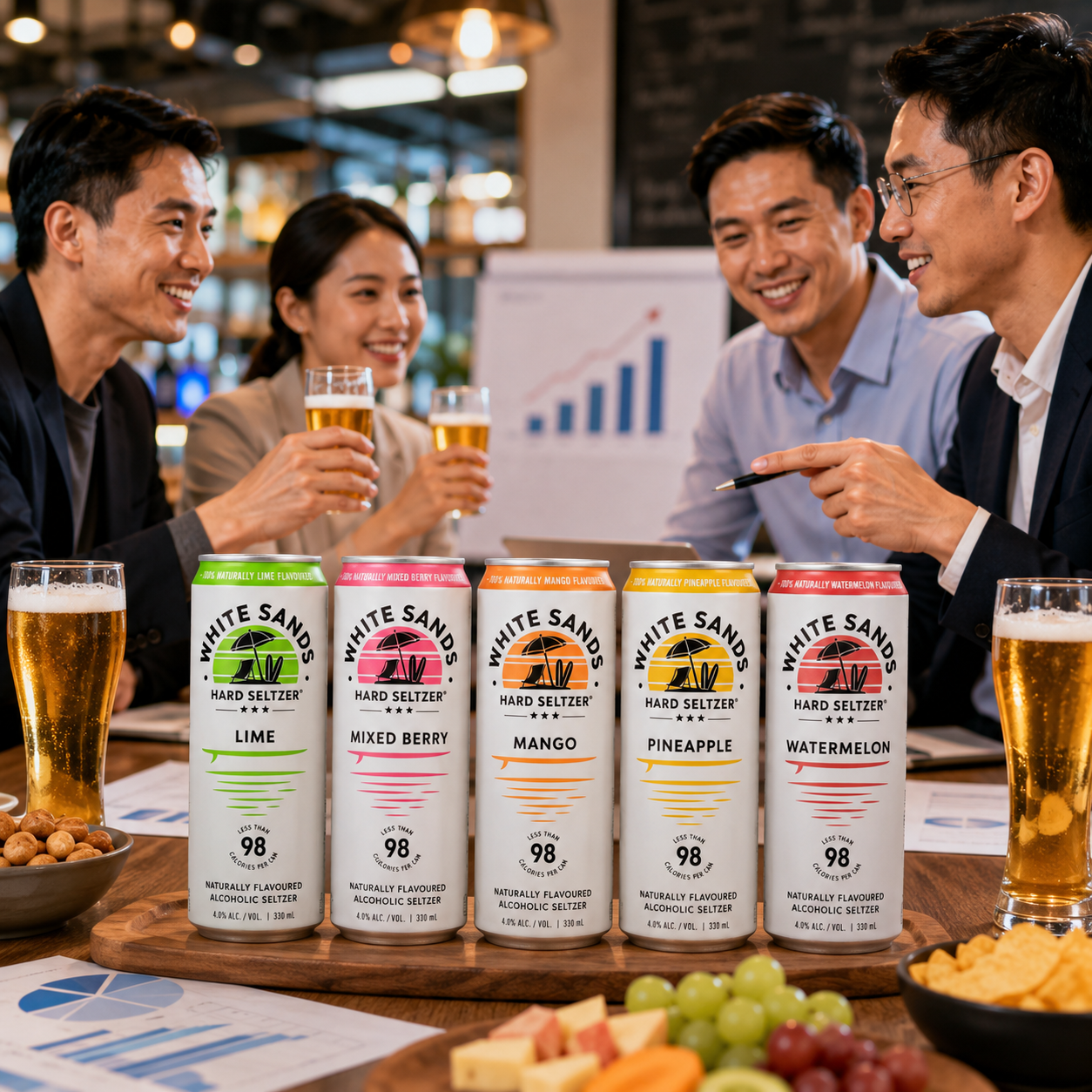
This trend is creating significant opportunities for businesses looking to build their own Private Label beer brands. Instead of entering into direct competition with long-established brands, businesses can develop beer lines with their own distinctive identity, targeting specific customer groups or particular regional markets.
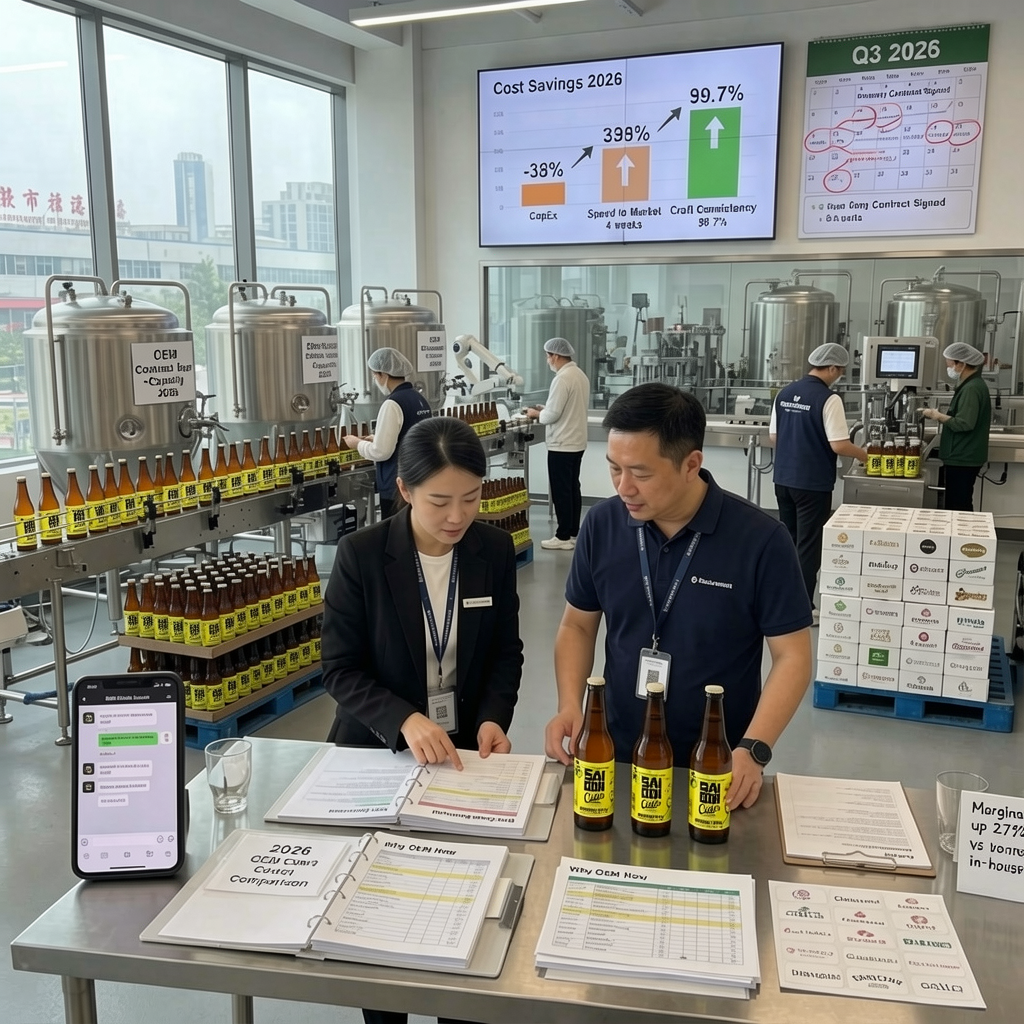
This is also why the OEM (Original Equipment Manufacturing) model is attracting many businesses in the F&B sector, restaurant chains, hotels, resorts, distribution systems, and new brands seeking to enter the beer industry without having to invest in their own brewery.
If your business is looking for a solution to develop its own beer brand and take advantage of the next peak season, starting early with an experienced OEM partner can help shorten the time to market and significantly reduce investment risks.
Cost pressures remain a major challenge for the industry
Alongside positive signals from consumer demand, beer manufacturers continue to face significant cost pressures.
Fluctuations in raw material prices, international transportation costs, energy costs, and packaging costs continue to directly affect production costs. At the same time, increasingly stringent requirements for environmental protection, recycling responsibilities, and quality standards are forcing businesses to invest more in technology and management systems.
In this context, cost optimization is no longer simply about cutting budgets, but about improving operational efficiency.
Large businesses are increasing demand forecasting, proactively planning long-term raw material procurement, optimizing warehousing and logistics, and applying digital transformation to production management in order to protect profit margins.
For new businesses, investing in their own brewery with large CAPEX (Capital Expenditure – fixed asset investment costs) has become a significant barrier. Therefore, many businesses are choosing the OEM model to convert a large portion of their initial investment costs into OPEX (Operating Expenditure – operating costs), allowing greater cash flow flexibility and reducing financial risks.
Consumers are not only buying beer but also buying brand experiences
One of the clearest changes in the 2026 market is the increasing influence of emotional value on purchasing decisions.
Today’s customers are not only concerned with beer quality but also pay attention to the story behind the brand.
A product specifically designed for a local area and associated with regional culture, a beer line created exclusively for a restaurant chain, or a limited edition developed for an event can create a stronger communication effect than mass-market products.
This makes packaging, label design, and brand identity an inseparable part of product development strategy.
In practice, many businesses now regard packaging not merely as a protective layer for the product, but also as the first marketing tool that reaches consumers directly at the point of sale.
Technology is changing the way beer products are developed
In the past, researching a new beer line could take several months. Today, thanks to the application of technology and R&D (Research & Development – research and development) processes, product development time has been significantly shortened.
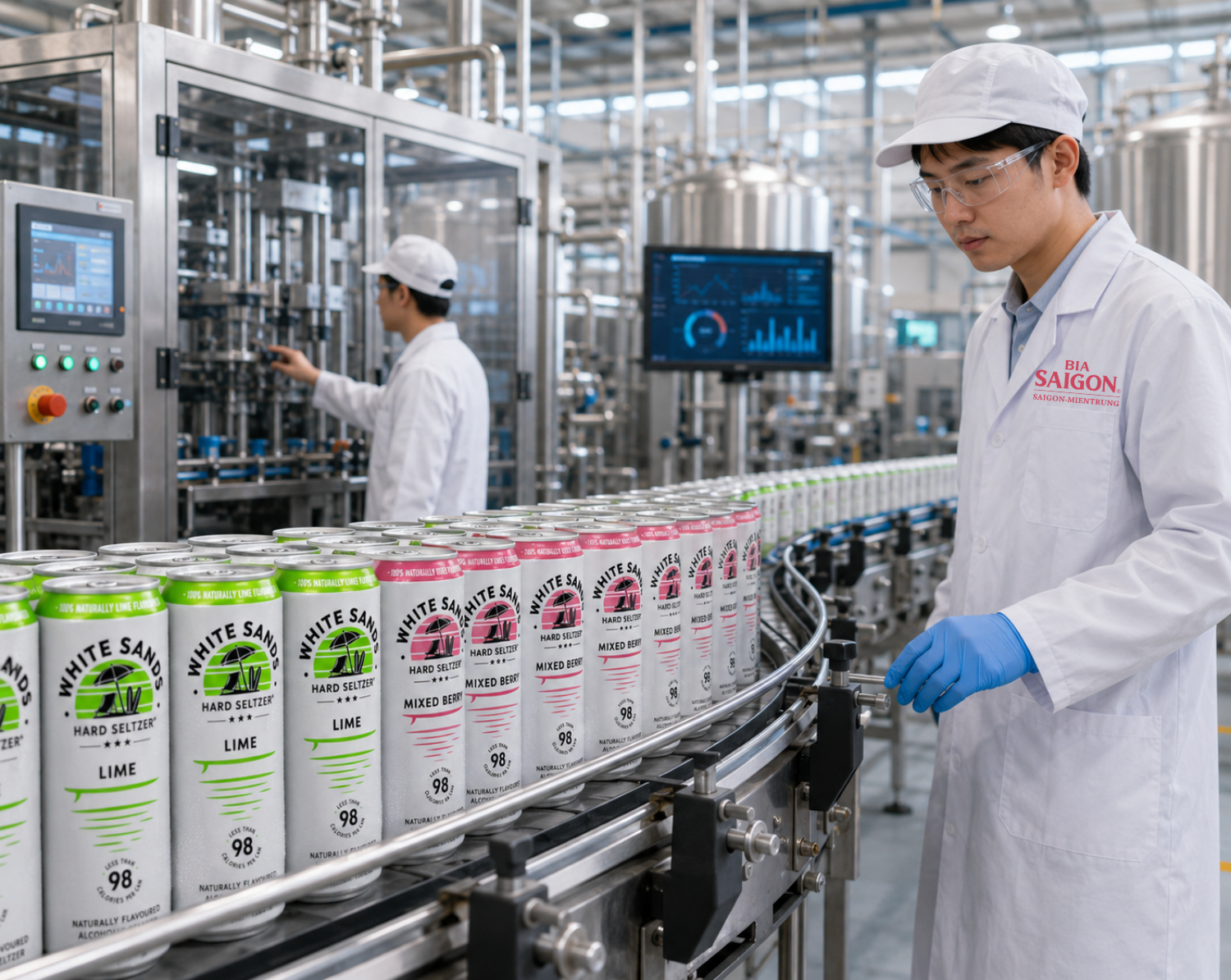
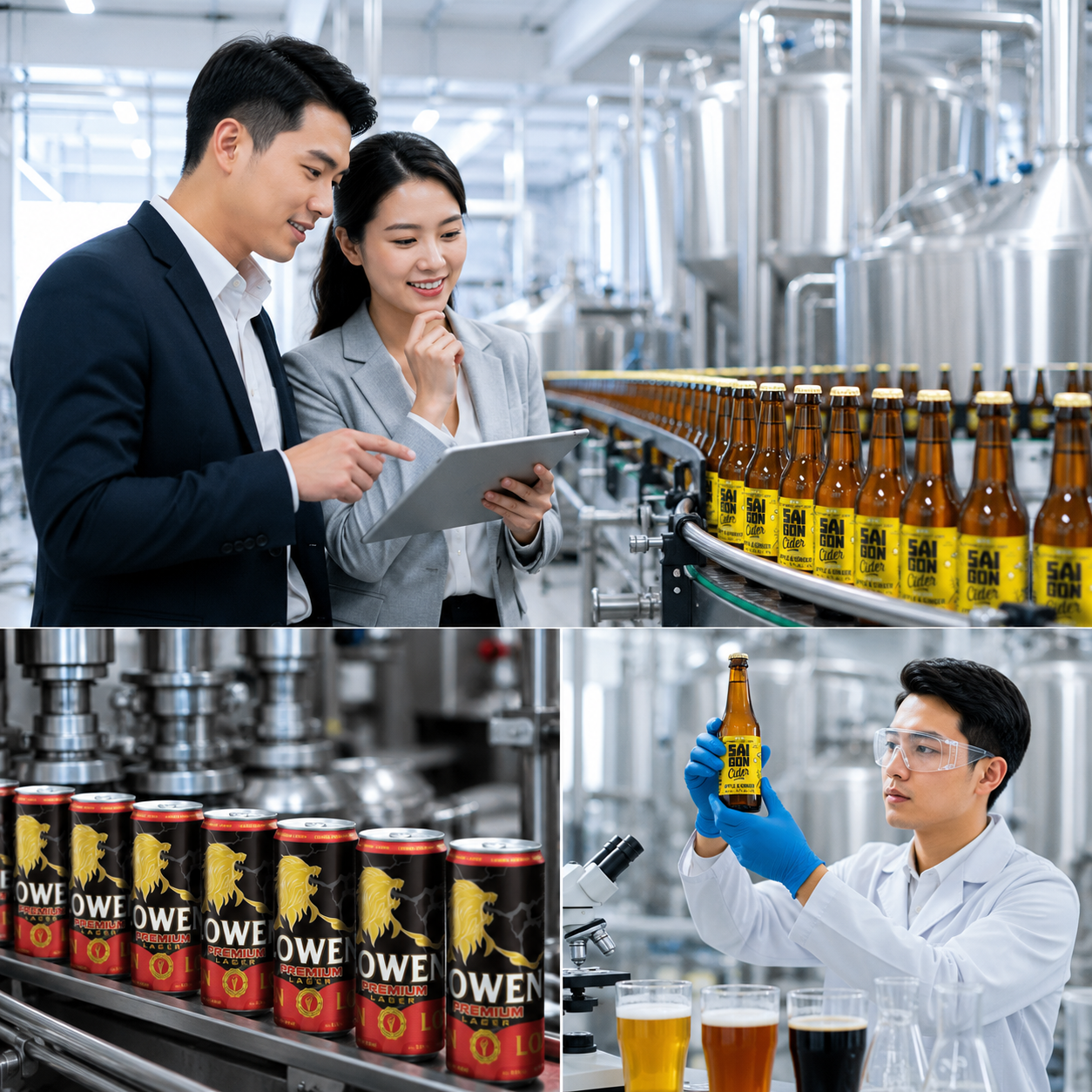
Modern breweries are capable of testing multiple beer formulations, controlling quality for each production batch, and maintaining product consistency at large scale.
At the same time, QA (Quality Assurance) and QC (Quality Control) systems are implemented throughout the process, from incoming raw materials to finished products, helping minimize quality deviations and ensuring that every beer batch meets food safety standards.
This is an important foundation that helps new brands build credibility from their very first shipments.
OEM Is Becoming a Development Strategy Rather Than a Temporary Solution
For many years, OEM services were often viewed as an option for businesses that did not have sufficient resources to invest in their own breweries.
By 2026, this perspective has changed.
An increasing number of major brands are also using OEM as a strategy to expand their product portfolios, test new markets, or develop specialized beer lines.
The greatest advantage of OEM lies not only in saving investment capital.
More importantly, businesses can immediately leverage modern production systems, experienced technical teams, and standardized quality management processes to shorten Time-to-market – the period from an idea to the time a product appears on the market.
For businesses seeking to capture opportunities during peak seasons, speed of implementation often carries decisive importance.
An OEM project prepared at the right time not only helps businesses launch products on schedule but also creates a competitive advantage when consumer demand reaches its peak.
Supply Chain Capabilities Are Becoming a Competitive Advantage
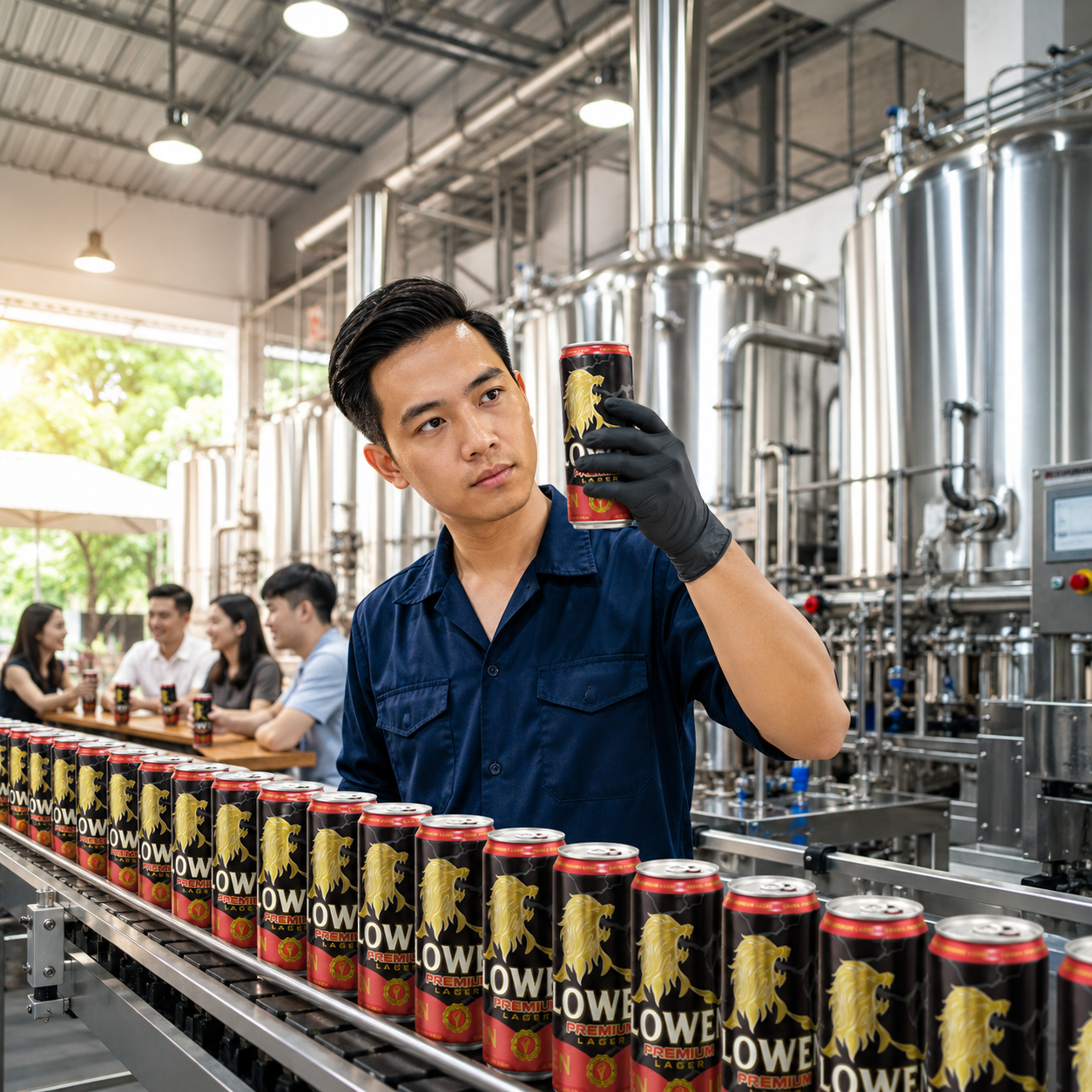
Peak seasons always place significant pressure on the entire supply chain.
From raw materials, packaging, production, and warehousing to transportation, everything needs to be coordinated smoothly to meet delivery schedules.
A problem with just one link can affect the entire business plan.
Therefore, businesses are increasingly prioritizing partners with comprehensive implementation capabilities rather than focusing solely on contract manufacturing costs.
An OEM partner with modern production systems, strict quality control processes, and effective supply chain management capabilities can help businesses minimize the risks of product shortages, delays, or unplanned costs.
Opportunities Remain Wide Open for New Brands
Although competition is becoming increasingly intense, Vietnam’s beer market still has significant room for development.
The growth of tourism, hospitality services, F&B chains, and demand for private-label brands is opening up new opportunities for businesses.
Instead of trying to compete directly with established brands, businesses can choose niche segments, develop products according to local preferences, or build beer lines specifically for their own business systems.
This is a trend that many experts believe will continue to develop in the coming years as consumers increasingly value differentiation and personalization.
SMB – Accompanying Businesses in Developing Private-Label Beer Brands
In a constantly changing market environment, choosing an OEM partner with comprehensive capabilities plays an important role in the success of each project.
With many years of beer production experience, modern production lines, and a specialized R&D and technical team, Sai Gon – Mien Trung Beer Joint Stock Company (SMB) provides comprehensive beer OEM solutions, from recipe research, flavor development, packaging design, and selection of packaging formats to production organization and quality control.
Rather than focusing solely on contract manufacturing, SMB aims to accompany businesses throughout the process of building their brands, optimizing investment costs, and shortening the time required to bring products to market.
In the midst of the 2026 peak season, Vietnam’s beer market is entering a new phase of competition. Production scale remains important, but it is no longer the only factor determining success.
Businesses seeking sustainable growth need to invest in brand value, product innovation capabilities, supply chain management, and the ability to adapt to market changes. In this context, the OEM model not only helps reduce investment pressure but also enables businesses to quickly turn ideas into reality, build private-label beer brands, and effectively capitalize on business opportunities.
When properly prepared, the peak season can be more than just a period of increased sales; it can also become a turning point that helps businesses establish their position in Vietnam’s beer market.
Consultation for Beer OEM Services
- Company:Sai Gon – Mien Trung Beer Joint Stock Company (SMB)
- Address: 01 Nguyen Van Linh, Tan An Ward, Buon Ma Thuot City, Dak Lak Province
- OEM Consultation Hotline: (+84) 94 1127575
- Email: Oem@biasaigonmt.com
- Website: https://oem.biasaigonmt.com