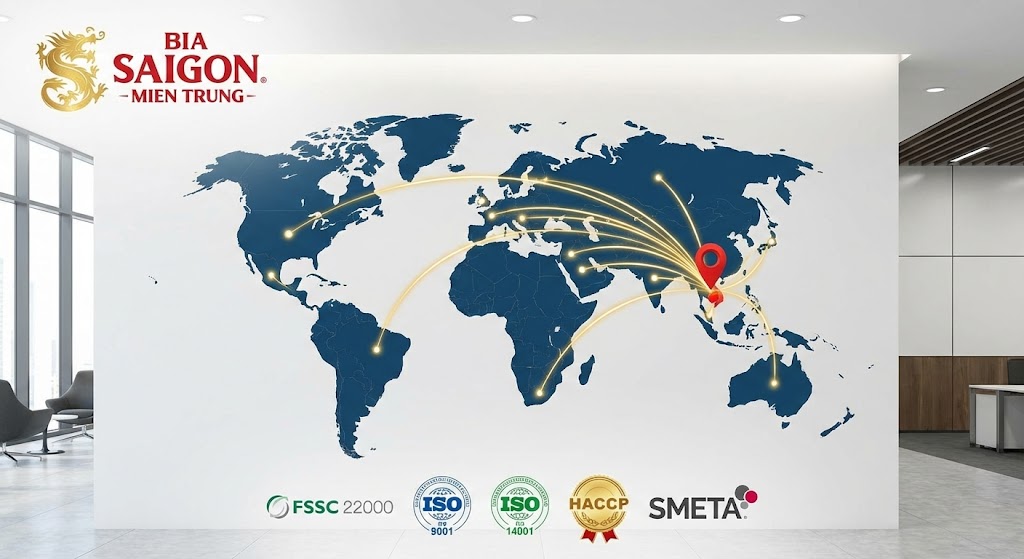


The Vietnamese beer market is undergoing notable changes as the way consumers make decisions no longer depends on a few familiar factors such as price or the products they usually consume. Changes in income, lifestyle, health awareness, the regulatory environment, and access to information are making the selection process more multidimensional.
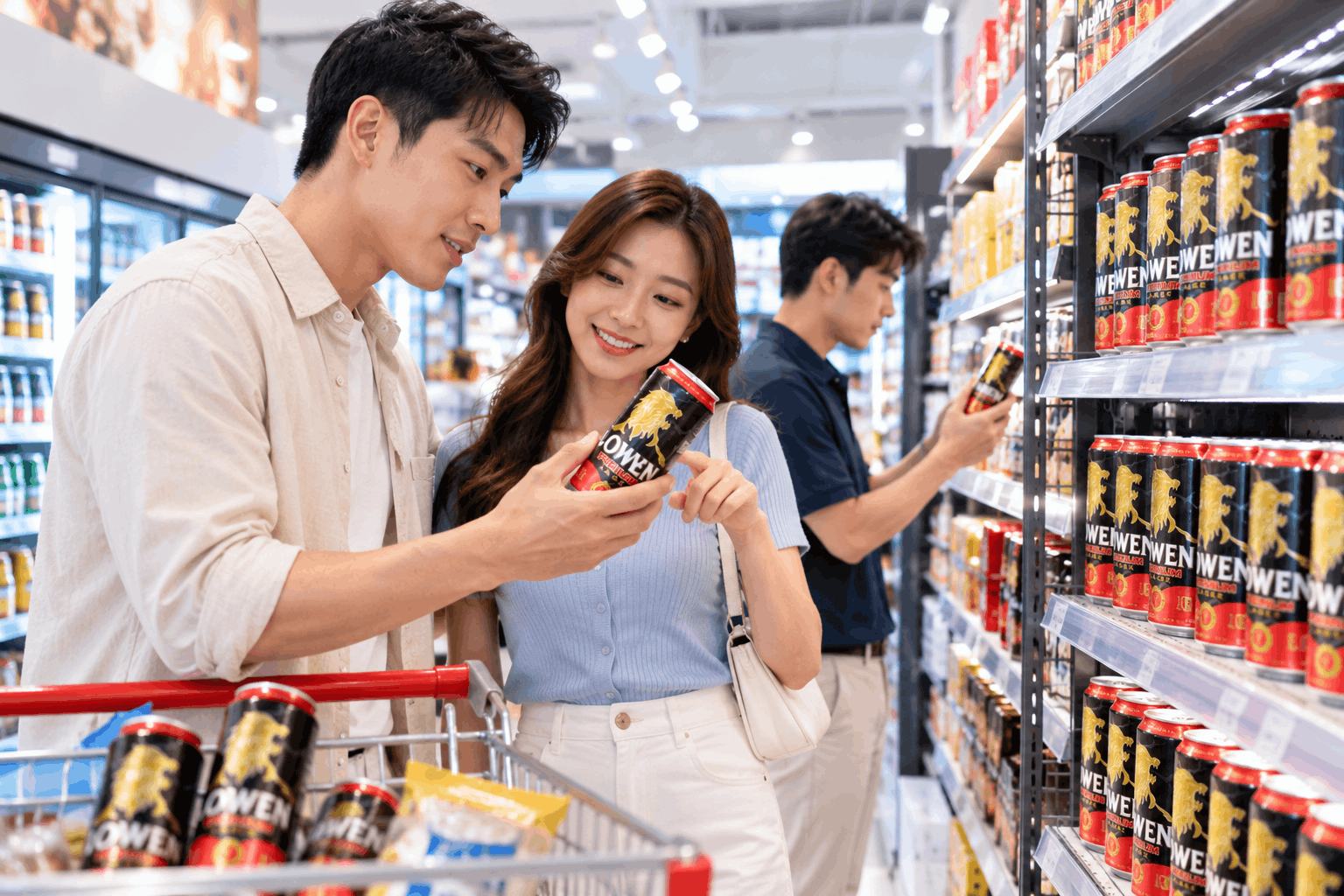
Consumers today have access to more information before making a decision. They may be interested in origin, product characteristics, packaging, ingredients, alcohol content, price, and suitability for different occasions.
At the same time, the development of retail systems, restaurants, hotels, and online information channels is also changing the way products reach the market.
For businesses in the industry, understanding these shifts is important for product research, production, distribution, and long-term strategic planning.
Below are 6 notable groups of factors that are influencing consumers’ beer selection behavior.
1/ Consumers have more choices than before
One of the most noticeable changes in the consumer goods market is the increasingly diverse range of choices.
When buyers are familiar with only a certain number of products, habit has a major influence on their decisions. But as more product lines with different prices, packaging, and characteristics appear on the market, consumers have more options to compare.
This somewhat reduces the automatic nature of purchasing decisions.
Instead of simply choosing a product they have used before, consumers can observe other options available at the point of sale or research information before making a decision.
The context of consumption also creates differences.
A choice for a family meal may differ from a product selected for an event, restaurant, or tourism activity. Therefore, even for the same consumer, the decision may change depending on the circumstances.
This is a point that businesses need to pay attention to when studying market behavior.
Customers do not always remain fixed within a single choice category. Decisions can be influenced by location, timing, budget, the people around them, and the purpose of each occasion.
Therefore, consumer research needs to go beyond simple demographic data. Understanding the context in which decisions are made can help businesses gain a clearer view of the reasons behind changes in the market.
2/ Price is being considered together with the value received
Price remains one of the important factors in purchasing decisions.
Especially during periods when consumers are more cautious about spending, price levels can directly influence the choice of product segment.
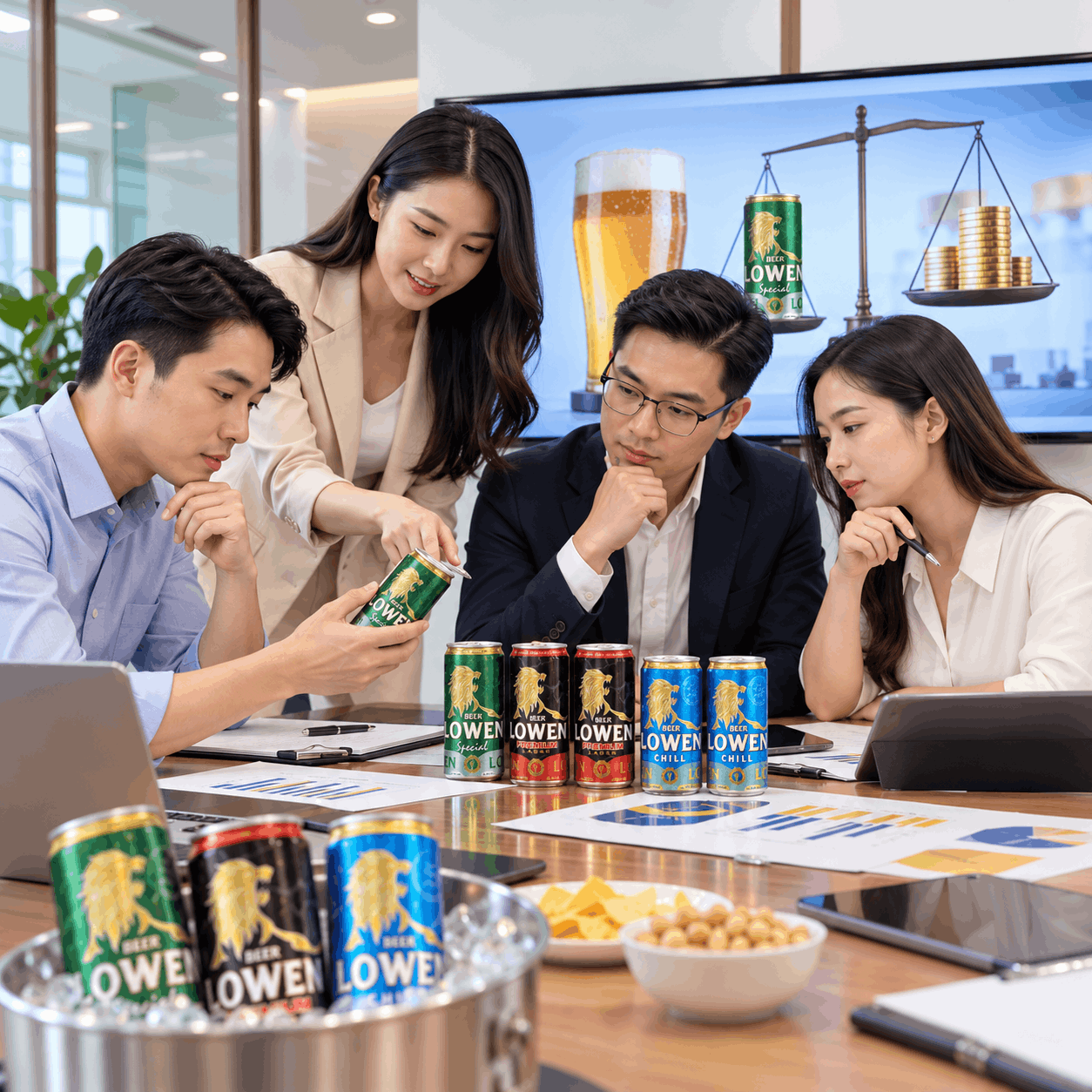
However, a low price does not always mean an advantage.
Consumers often consider the price in relation to what the product provides. Two products with different prices can still coexist if customers understand the reason for the difference.
This forms the concept of perceived value.
Packaging, origin, packaging format, consistent quality, and product characteristics can all influence buyers’ assessment of whether the price is appropriate or not?
Packaging is also a noteworthy factor.
Consumers may consider products differently depending on whether they are intended for personal needs, a meal, or a large group of people. Therefore, the price per unit of product is only one part of the equation.
Sales programs at distribution points can also influence decisions in the short term. However, if businesses rely too heavily on price, their ability to maintain competitiveness may face difficulties when market conditions change.
Therefore, when studying beer selection behavior, businesses need to simultaneously consider price, segment, and the value perceived by consumers.
Businesses researching the market and wishing to learn more about production capabilities in the industry in the Central Vietnam – Central Highlands region can refer to official information from Sai Gon – Mien Trung Beer Joint Stock Company (SMB). Email: Oem@biasaigonmt.com.
3/ Taste preferences and product experiences are becoming increasingly differentiated
In addition to price, the sensory characteristics of a product are an important factor when studying the beverage industry.
Consumers are not a homogeneous group in terms of taste preferences. Differences in intensity, lightness, aftertaste, or other sensory characteristics can create distinct groups of demand.
More notably, taste preferences can also change over time.
As consumers are exposed to more product lines, the range of their experiences expands. This can make product evaluation criteria more diverse than before.
Differences between regions also need to be taken into account.
Eating habits, climate, local culture, and the characteristics of the service system can influence market demand. A product characteristic that is suitable for one region may not necessarily generate a similar response in another region.
For Central Vietnam, local factors are even more noteworthy because the market extends across many provinces and cities with different economic, tourism, and cultural conditions.
This creates requirements for product research activities.
Instead of assuming that one formula or one sensory characteristic can meet the needs of every market, businesses need data to understand the customer group that the product is targeting.
The ability to maintain consistency between production batches is also particularly important. Once consumers have developed expectations for a product, significant changes in the experience can affect their evaluations on subsequent occasions.
Therefore, taste preferences are not only related to product development but are also directly linked to quality control capabilities during the production process.
4/ Health and lifestyle are creating new selection criteria
Health awareness is creating changes across many food and beverage industries.
Consumers have greater access to knowledge about nutrition, ingredients, and the effects of the products they use. Therefore, they tend to pay more attention to the information displayed on product packaging and labels.
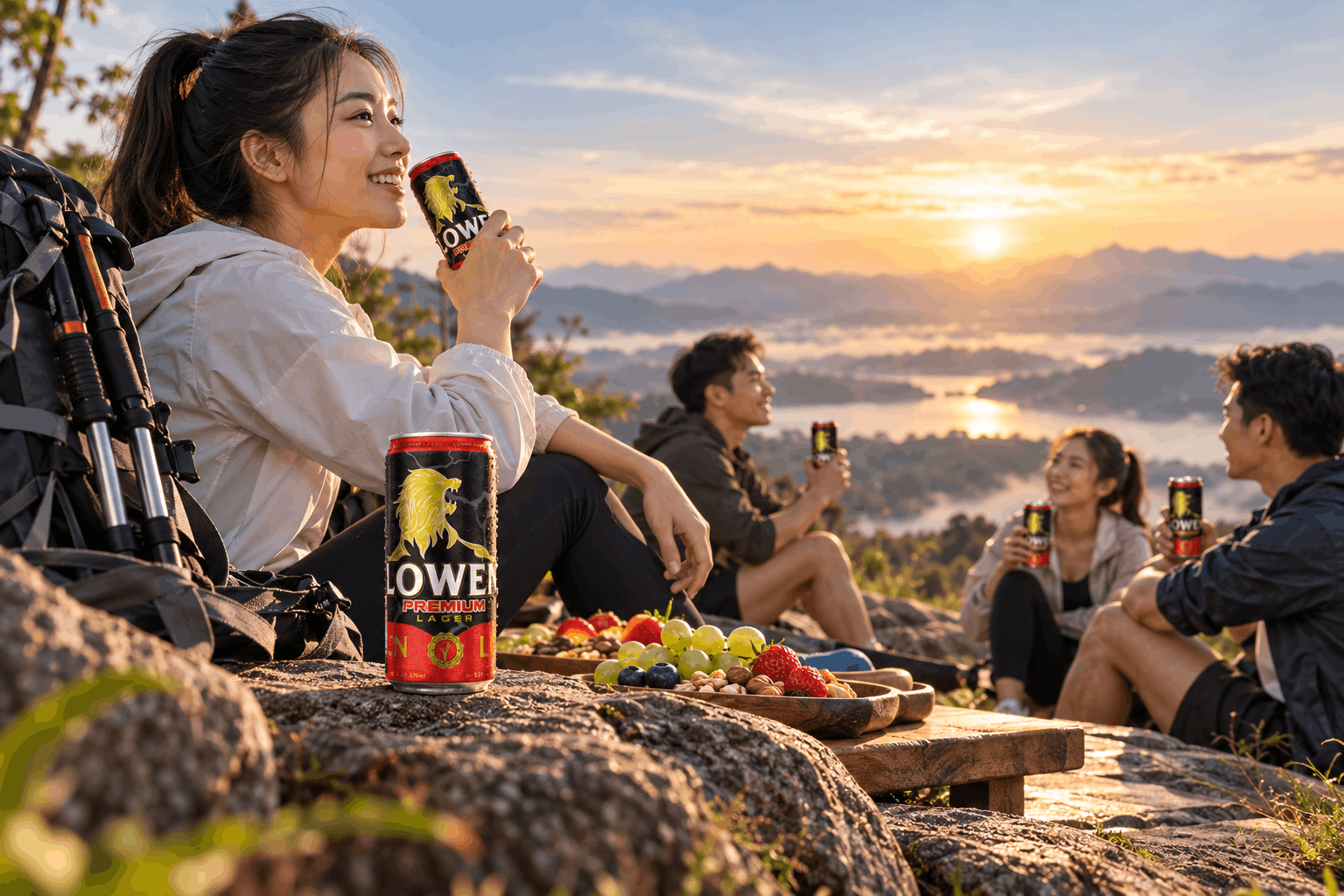
In the beer industry, alcohol content is an important piece of information.
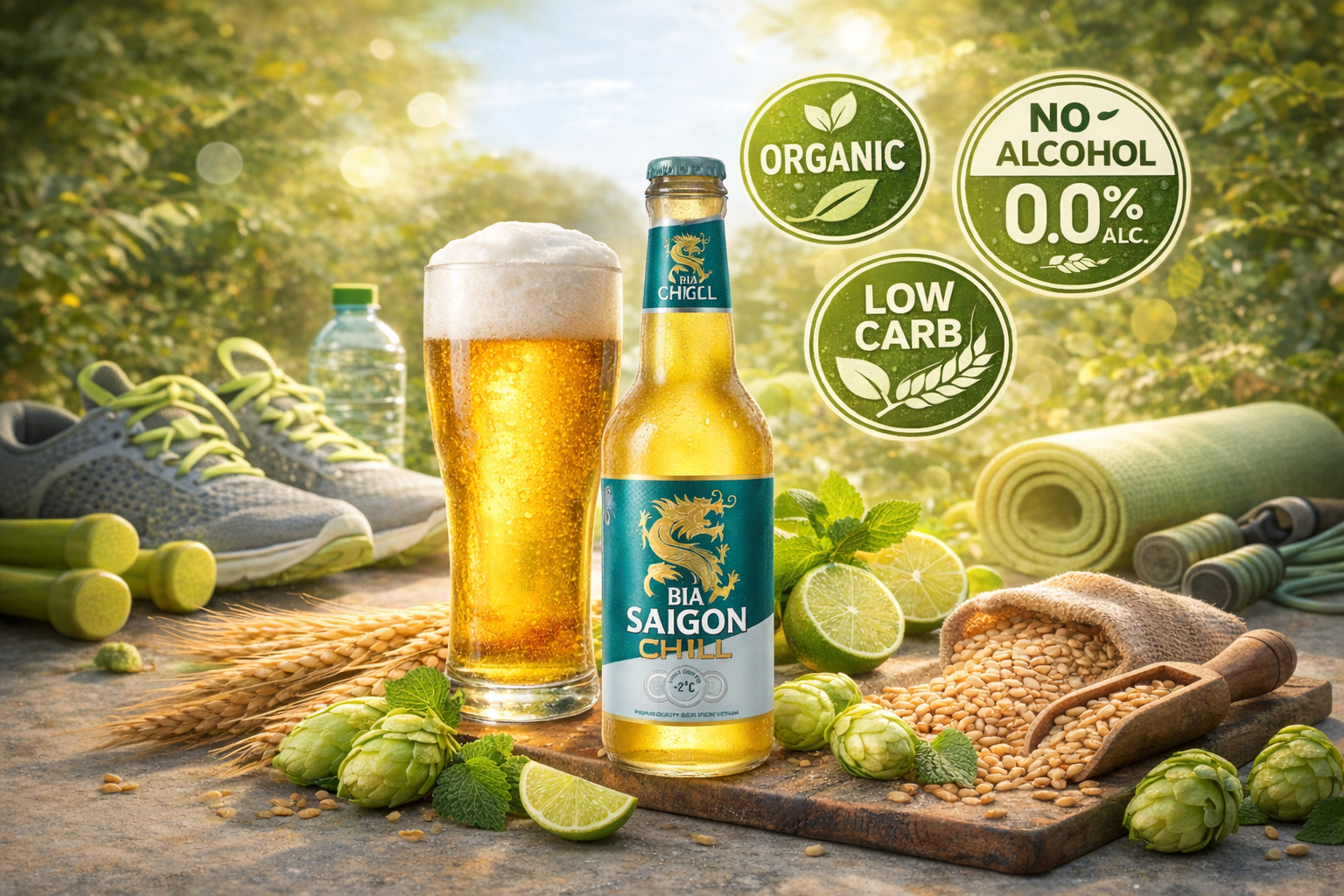
In some markets, the emergence of non-alcoholic or lower-alcohol products also shows that the industry is responding to changes in demand and lifestyle.
From a market research perspective, what is noteworthy is not only a specific product line but also the emergence of a new selection criterion.
Consumers may consider products based on circumstances and personal requirements rather than relying solely on familiar choices.
Alongside health is awareness of responsibility when consuming alcoholic beverages.
Regulations related to traffic safety, advertising, and the business activities of alcoholic beverages contribute to changes in the consumption environment. This is a factor that businesses need to take into account when assessing long-term demand.
Changes in lifestyle also affect the frequency and context of consumption.
As the ways people work, entertain themselves, travel, and socialize change, situations related to the beverage industry also change accordingly.
Therefore, future analysis of the beer market needs to place the industry within the broader picture of health, lifestyle, and social responsibility trends.
5/ Packaging, product information, and points of sale directly influence decisions
In an environment where many products are available at the same time, packaging plays an important role in helping buyers distinguish between choices.
However, the impact of packaging is not limited to appearance.
Volume, materials, the way information is presented, label readability, and the clarity of specifications all affect the experience when consumers learn about a product.
In particular, as customers become more interested in origin and ingredients, product labels become an important source of information.
Transparency helps reduce the information gap between manufacturers and the market.
Points of sale also influence how products are approached.
A product displayed in a supermarket may be placed in a context where it is directly compared with many other choices. Meanwhile, at restaurants, hotels, or service locations, the selection process may be influenced more by the available product range and the context of consumption.
For localities with developed tourism, this factor is even more noteworthy.
Tourists often encounter many products at restaurants, hotels, and local services. This creates a consumption environment that differs from everyday shopping.
The online environment also adds another layer of information.
Consumers can search for product origins, company information, or related content before forming an evaluation. Therefore, information at points of sale and online information need to be consistent.
To learn more about the production capabilities and operations of Sai Gon – Mien Trung Beer Joint Stock Company (SMB), businesses can refer to the company’s official information channels. Email: Oem@biasaigonmt.com. Website: https://oem.biasaigonmt.com/.
6/ Consumer data is becoming increasingly important for businesses
As selection decisions are influenced by more factors, businesses also need to change the way they conduct market research.
Relying solely on overall sales may not be enough to explain the reasons behind the increase or decrease of a product group.
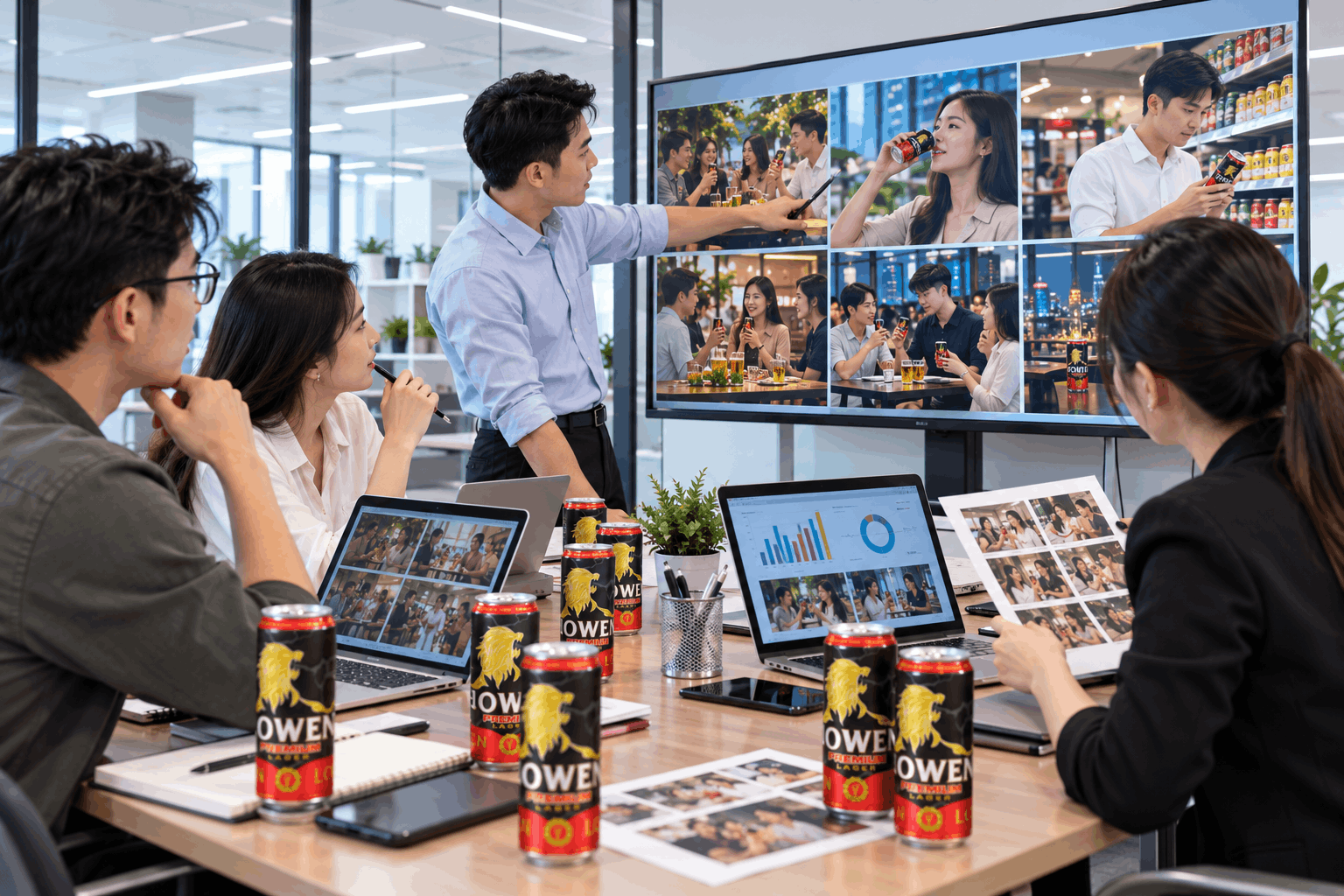
Businesses need to understand what is happening in each region, distribution channel, and demand group.
For example, changes in sales may result from price, changes in tourist traffic, access to points of sale, shifts between packaging formats, or changes in spending behavior.
If these factors are not analyzed separately, businesses may draw inaccurate conclusions about the market.
Consumer feedback is also an important source of data.
Comments about taste, packaging, price, volume, or product availability can help businesses identify areas that require deeper research.
Data from individual regions is even more meaningful for a geographically differentiated market such as Central Vietnam.
Demand in a coastal tourist city may differ from that in an inland urban area or the Central Highlands market. Therefore, aggregated market-wide data can sometimes obscure important differences at the local level.
In this context, the ability to collect and analyze data becomes part of competitive capability.
Businesses that understand why consumers are changing will have a better basis for adjusting products, packaging formats, production volumes, and distribution approaches.
Consumers’ beer selection behavior is becoming more multidimensional as the market, lifestyles, and information environment change together.
Price remains important but is increasingly considered in relation to the value received. Taste preferences are becoming more differentiated as consumers are exposed to more choices. Health and lifestyle are adding new criteria, while packaging, product information, and points of sale directly influence the consideration process.
Notably, not all changes occur in the same way across all localities.
Economic conditions, tourism, culture, and distribution systems can cause consumer behavior to differ from one region to another. This is particularly important for Central Vietnam – Central Highlands, where the market is formed by many localities with distinct characteristics.
Therefore, businesses in the industry need to rely more on actual data rather than assuming that past behavior will continue.
The ability to accurately understand demand, control quality, provide transparent information, and adapt to lifestyle changes will be notable factors when assessing the evolution of the beer market in the coming years.
Contact Information
Official information about Sai Gon – Mien Trung Beer Joint Stock Company (SMB)and the company’s operations:
Company: Sai Gon – Mien Trung Beer Joint Stock Company (SMB)
Head Office Address: 01 Nguyen Van Linh, Tan An Ward, Dak Lak Province
Hotline: (+84) 94 1127575
Email: Oem@biasaigonmt.com
Official Website: https://oem.biasaigonmt.com/