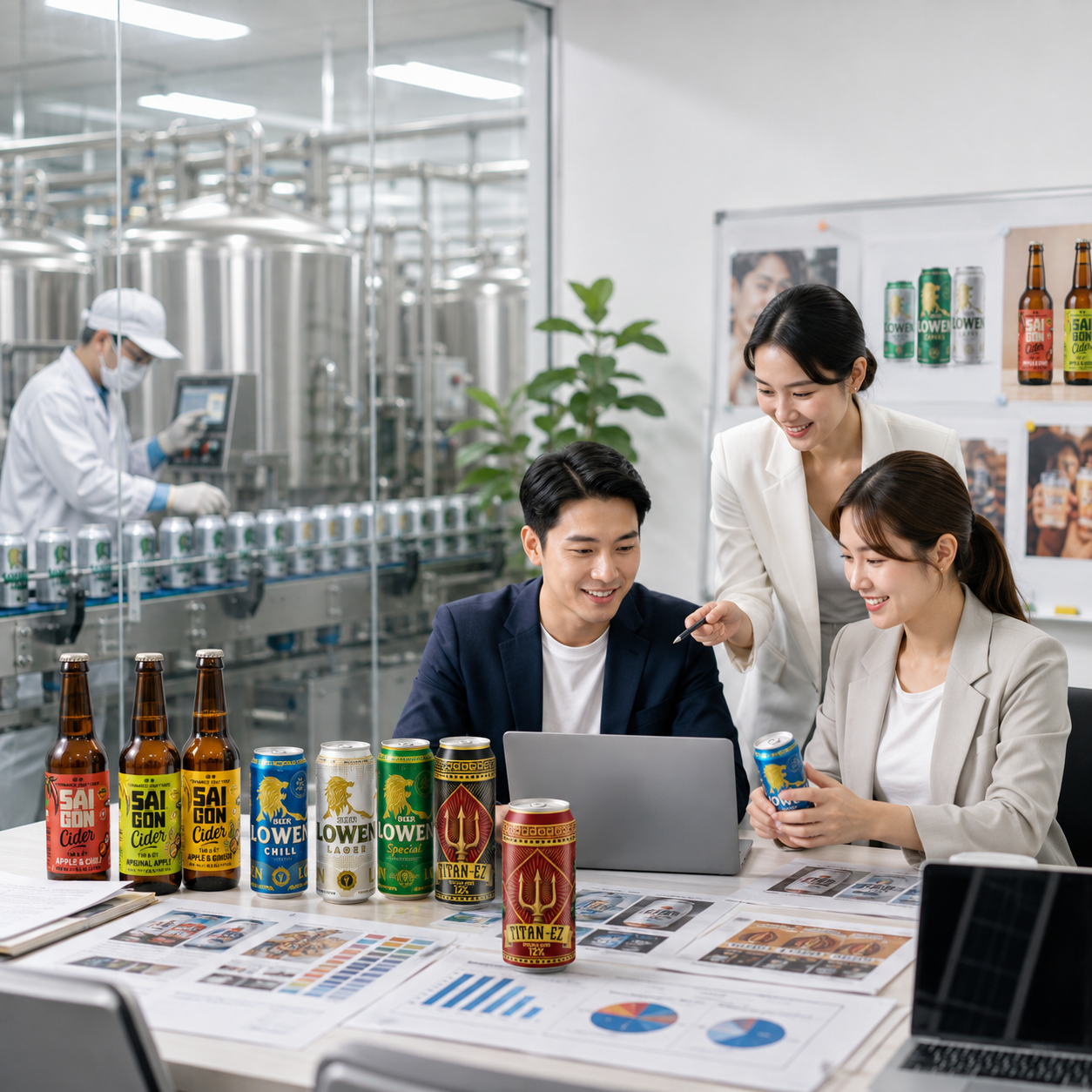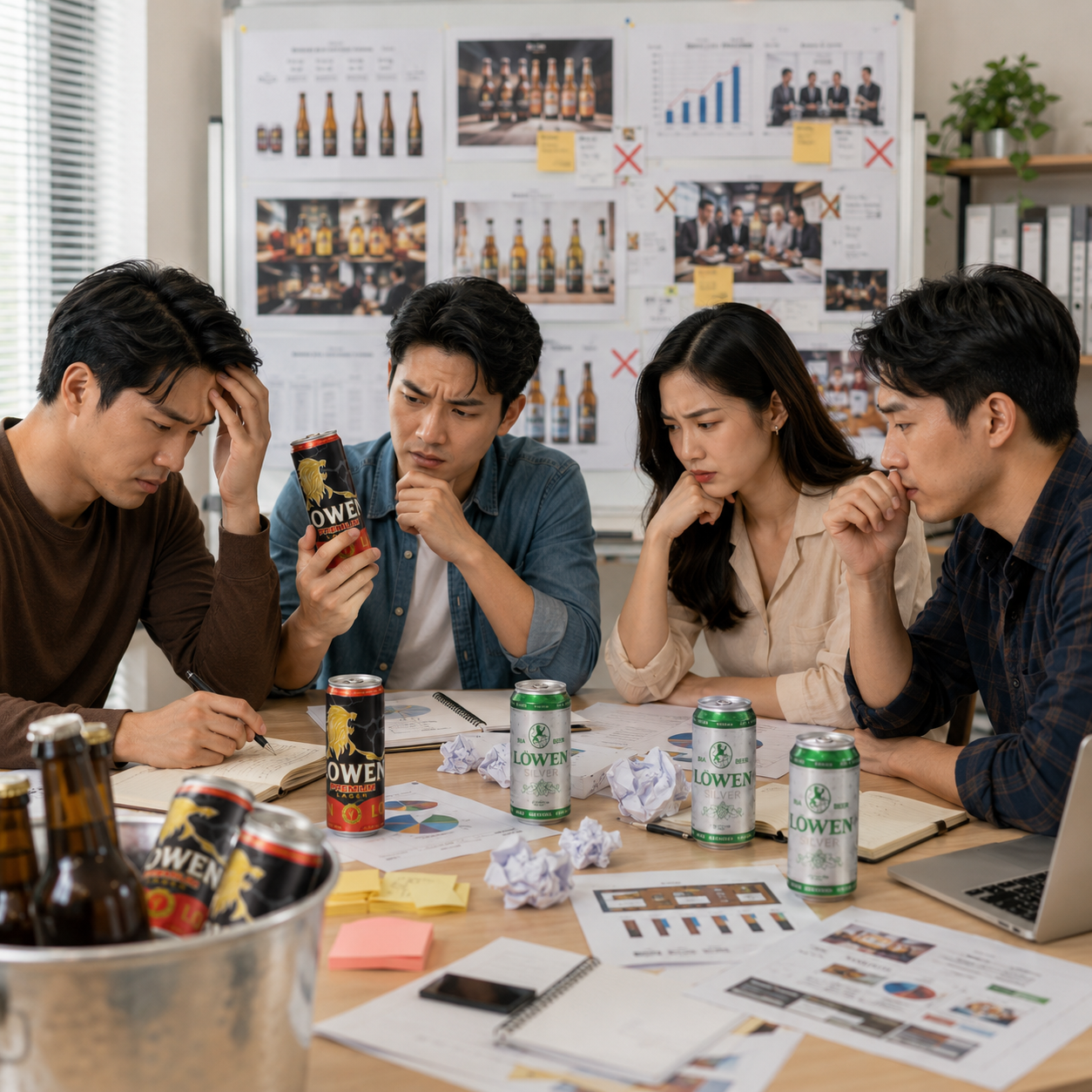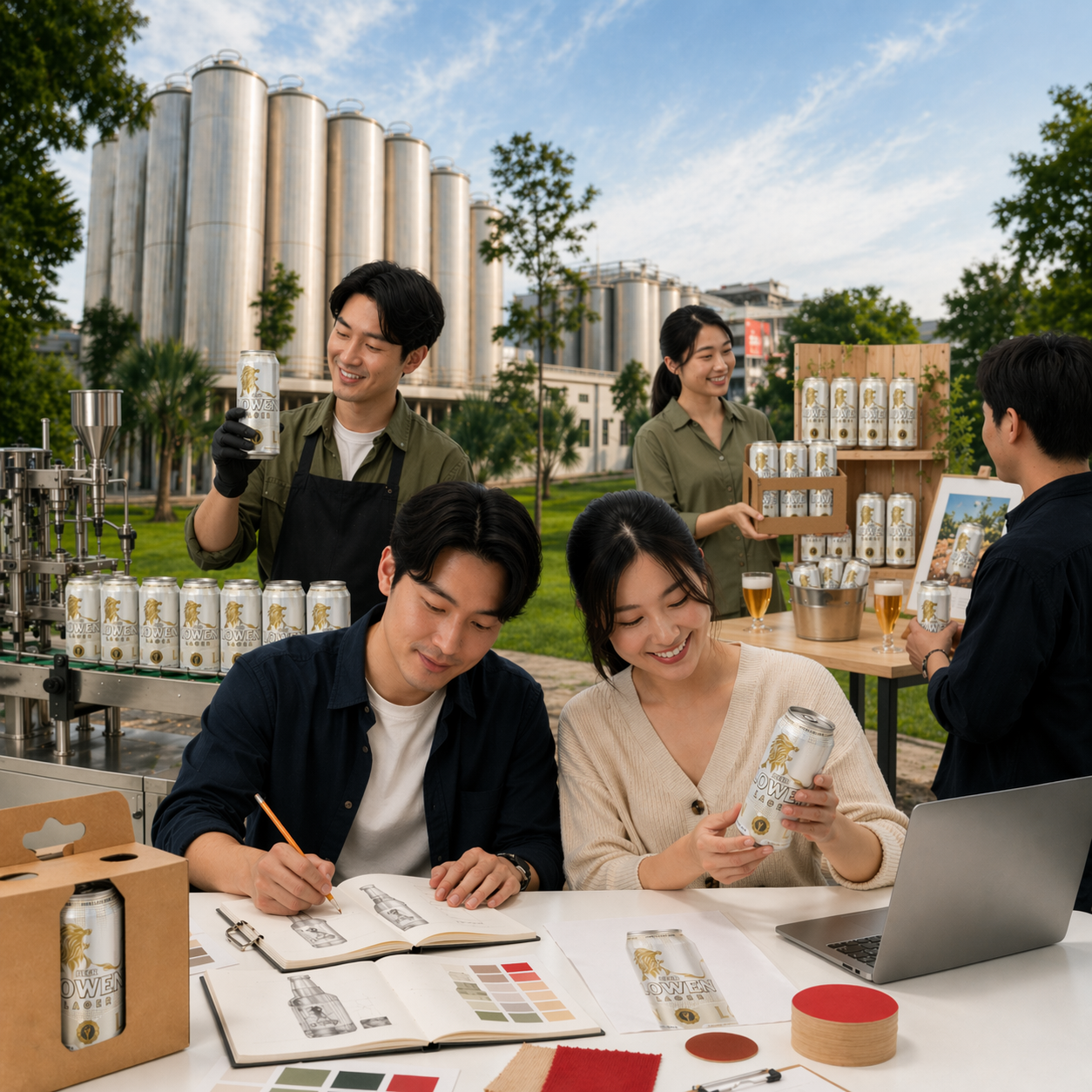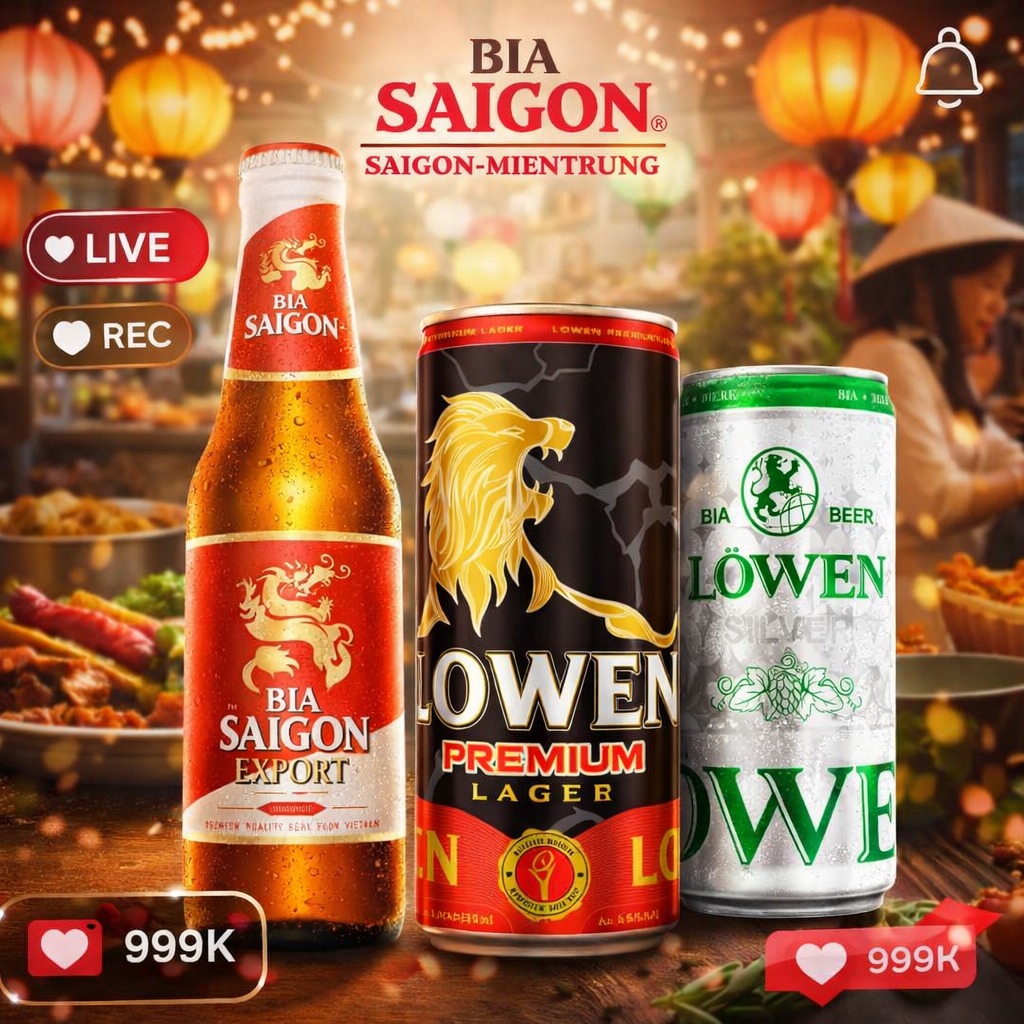


In an increasingly competitive beer market, bringing a product to market is difficult, but maintaining a consistent brand image for many years is even more challenging. Many businesses focus heavily on the launch phase, investing in packaging, communications, and initial promotional programs, but lack a long-term strategy to keep the brand consistent as products, customers, and the market change.
For OEM Beer, this issue is even more significant. A business may not directly own a factory, but it must still clearly own its brand identity, product positioning, and the experience it wants to deliver to customers. If OEM is viewed only as a short-term production solution, the brand can easily become dependent on individual batches or individual campaigns. Conversely, if a solid brand foundation is built from the beginning, the business can leverage OEM as a tool to expand its products, market, and scale over the long term.
Brand image must be built before expanding the product portfolio
A sustainable beer brand does not start with a logo or packaging colors. A more important foundation lies in clearly defining what the business wants customers to remember it for.
It could be a particular flavor style, an experience associated with a restaurant, a local story, or a specific brand value. When this core element is unclear, subsequent decisions regarding formulation, design, and marketing can easily become inconsistent.
For businesses producing OEM Beer, this is even more important because the production process is usually carried out through a partner. If the business does not have clear brand standards, every change in packaging, development of a new SKU, or expansion into another market carries the risk of shifting the brand image away from its intended direction.
Therefore, before expanding the product portfolio, businesses should define the elements of the brand that will not change. These may include the feeling the product is intended to deliver, the way the brand communicates with customers, or the core design style.
When the core remains consistent, the business will have more room to be creative on the outer layer while still ensuring that customers recognize the brand.
If a business is currently building the foundation for a Private Label Beer brand, it can discuss its product direction and long-term implementation potential with the OEM team of Sai Gon – Mien Trung Beer Joint Stock Company (SMB) via hotline (+84) 94 1127575.
Packaging needs to be consistent but cannot stand still
Packaging is one of the easiest elements to change, but it also has a strong impact on brand recognition.
In the long term, businesses cannot keep every design detail unchanged regardless of how the market evolves. However, changing too frequently can also cause customers to lose the ability to recognize the brand.
The appropriate approach is to build a structured brand identity system.
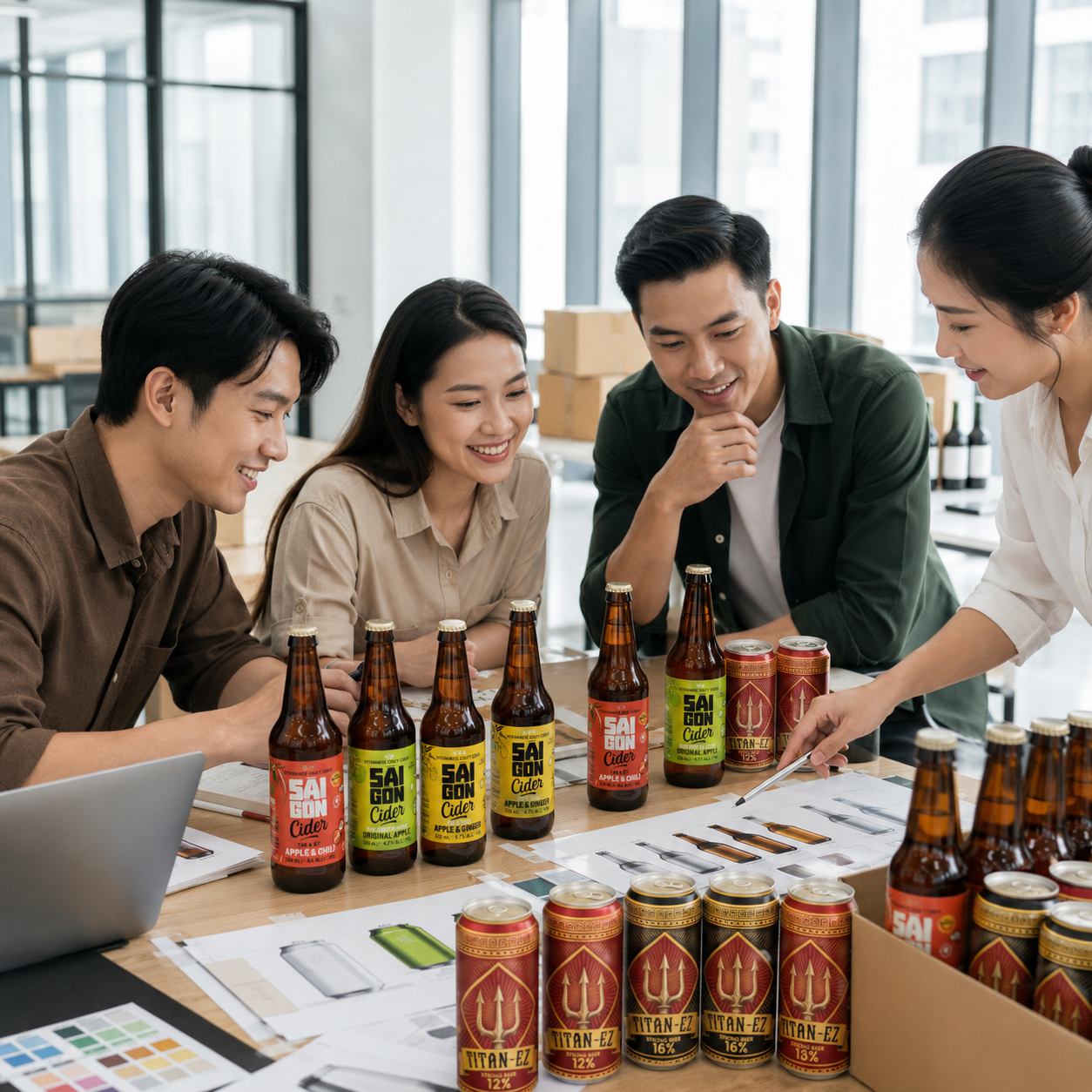
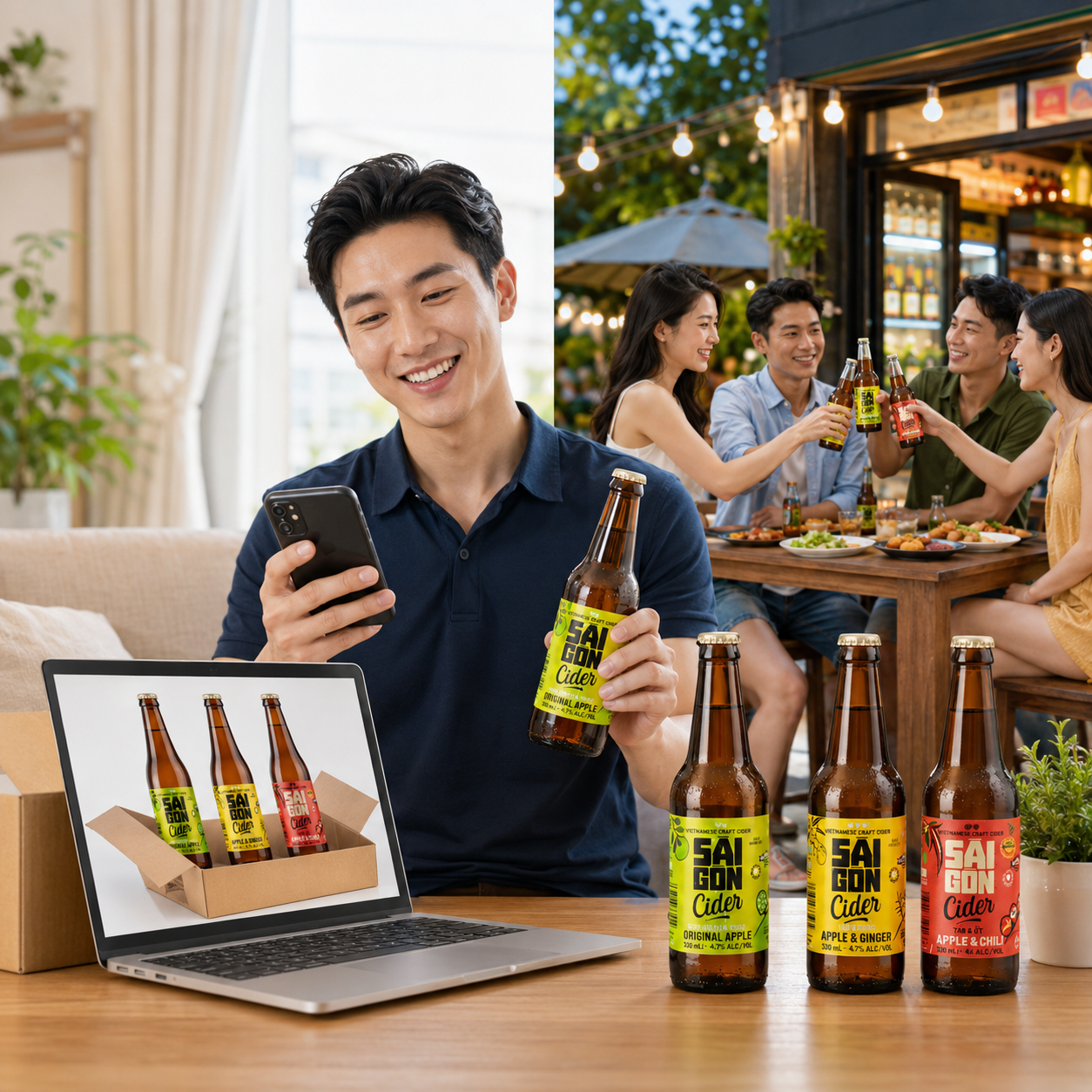
Some core elements such as the logo, color language, typography style, or information layout should be maintained. At the same time, the brand can still develop seasonal versions, premium lines, or designs intended for different customer groups.
For OEM Beer, this flexibility can create a significant advantage. Businesses can expand their product portfolio without having to invest in an additional production system, as long as the brand structure is clear enough for new products to remain within the same ecosystem.
Packaging should therefore be viewed as a brand management tool rather than merely a design component.
If each beer line has a completely different style, customers may find it difficult to recognize the connection between the products. Conversely, if every SKU looks too similar, the brand may lack the ability to distinguish between individual segments.
Businesses should work with their OEM partner from the packaging development stage to ensure that aesthetics are aligned with production capabilities, packaging specifications, and actual costs. Project information can be sent to Oem@biasaigonmt.com so that SMB’s dedicated team can discuss it further.
Consistent quality is the foundation of brand image
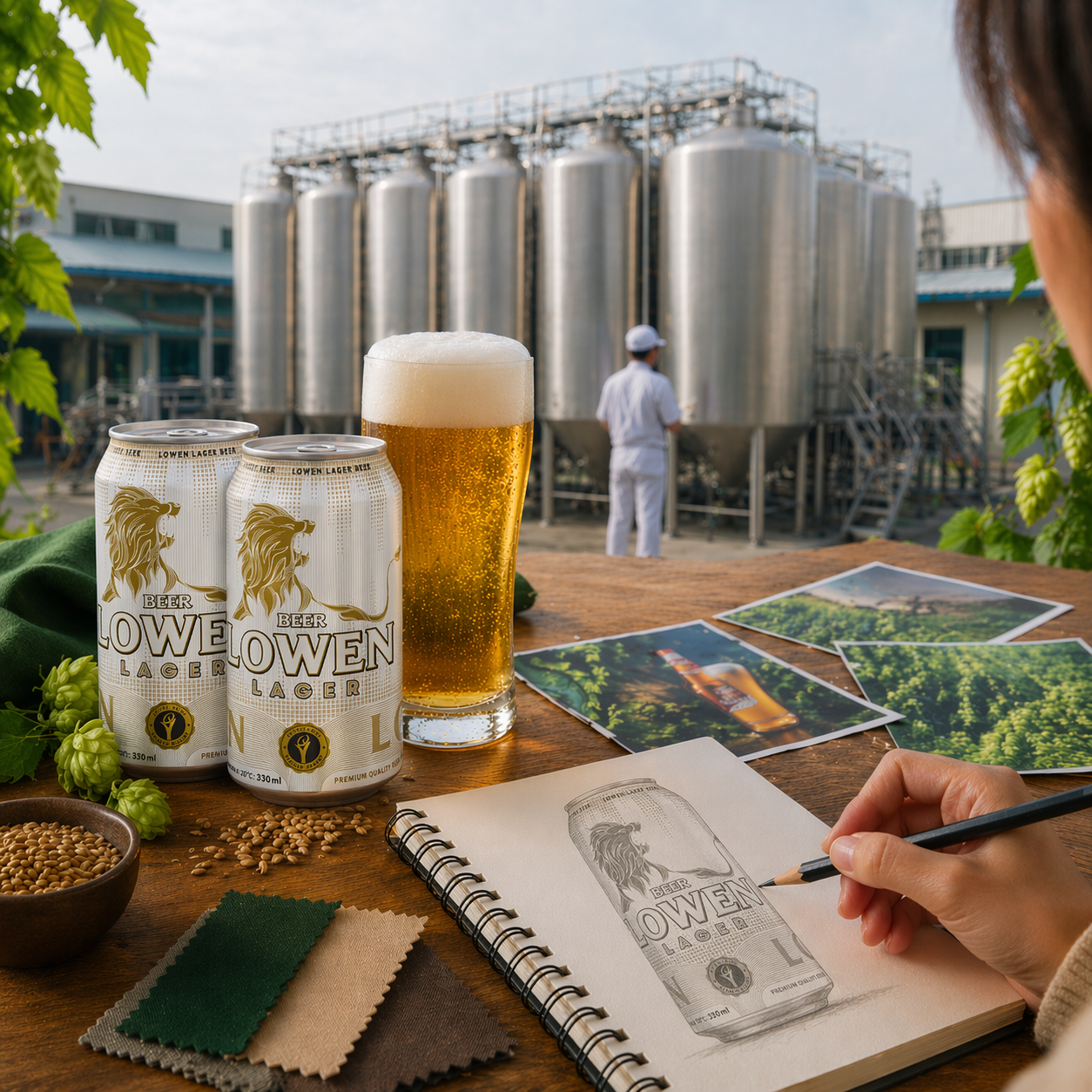
A brand can be remembered because of its design, but it can only survive in the long term if the product maintains consistent quality.
This is particularly important for beer.
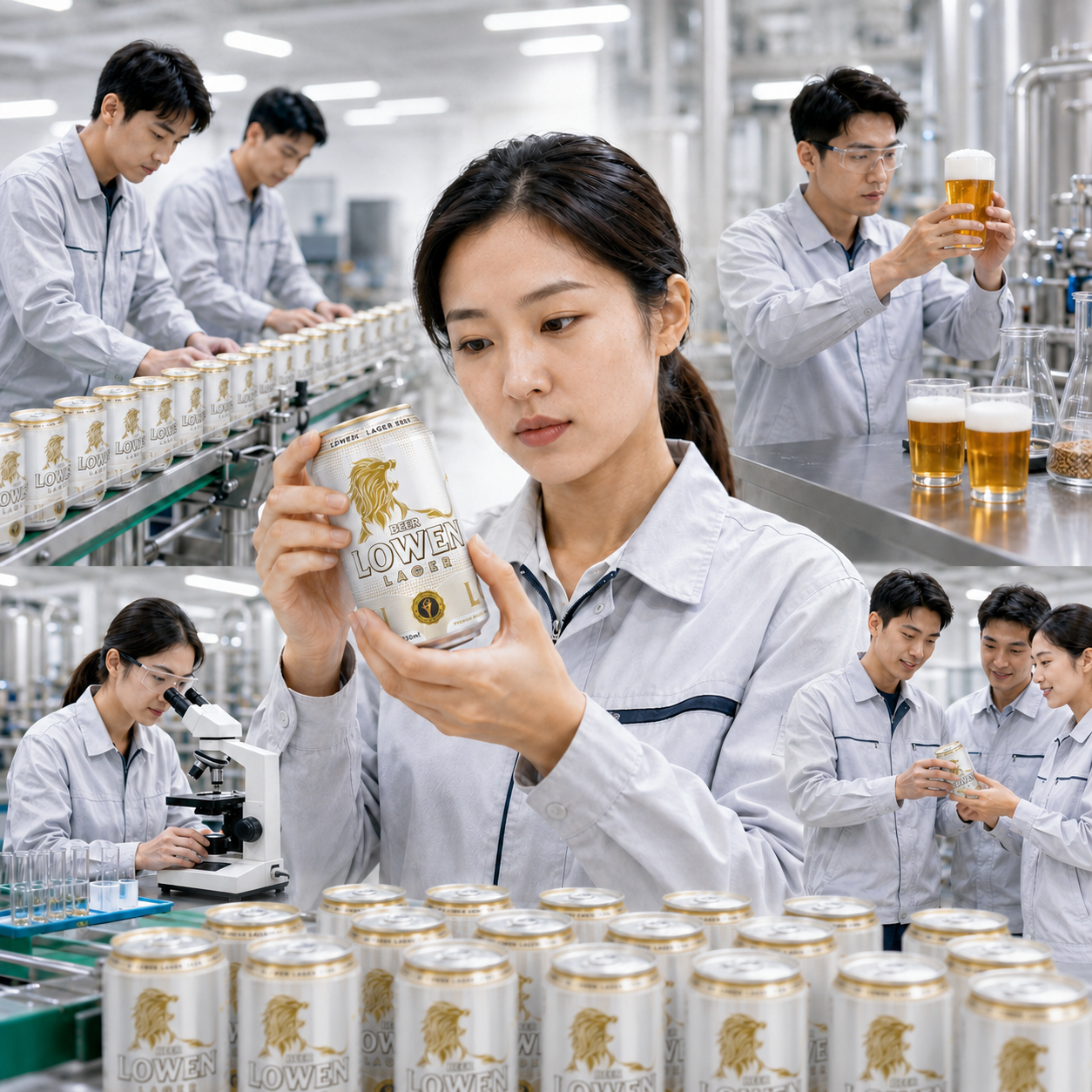
Customers may accept a small change in packaging, but it is very difficult for them to accept the same product delivering a different flavor experience from one purchase to another.
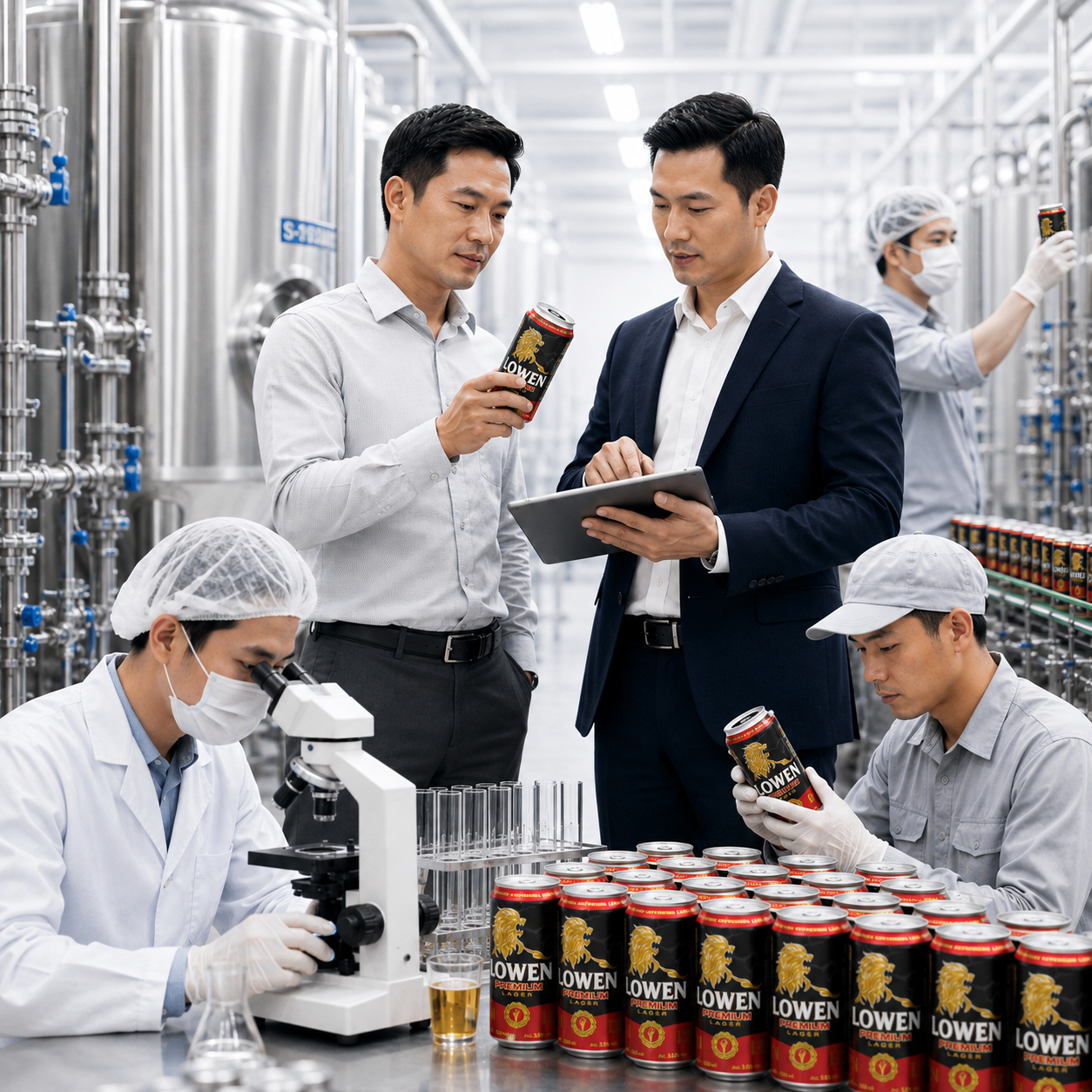
As the brand grows, production volume increases, and distribution expands, the ability to maintain consistency becomes even more important. Every production batch must accurately reflect the characteristics that customers have become familiar with.
This is directly related to the systems for raw material control, production processes, QA/QC, packaging, and storage.
For businesses using the OEM model, choosing a production partner should therefore not be based primarily on unit price. The ability to maintain quality over the long term is far more important.
A product with lower costs but inconsistent quality can destroy all the value that the brand has built.
Conversely, when the product maintains a consistent experience, the brand will gradually build trust in customers’ minds.
If a business is preparing to expand production volume or distribution across multiple regions, it can contact SMB via hotline (+84) 94 1127575 to assess production capabilities and the ability to maintain quality according to the target scale.
Communications content must be consistent with the actual experience
Brand image is created not only by what a business says but also by what customers actually experience.
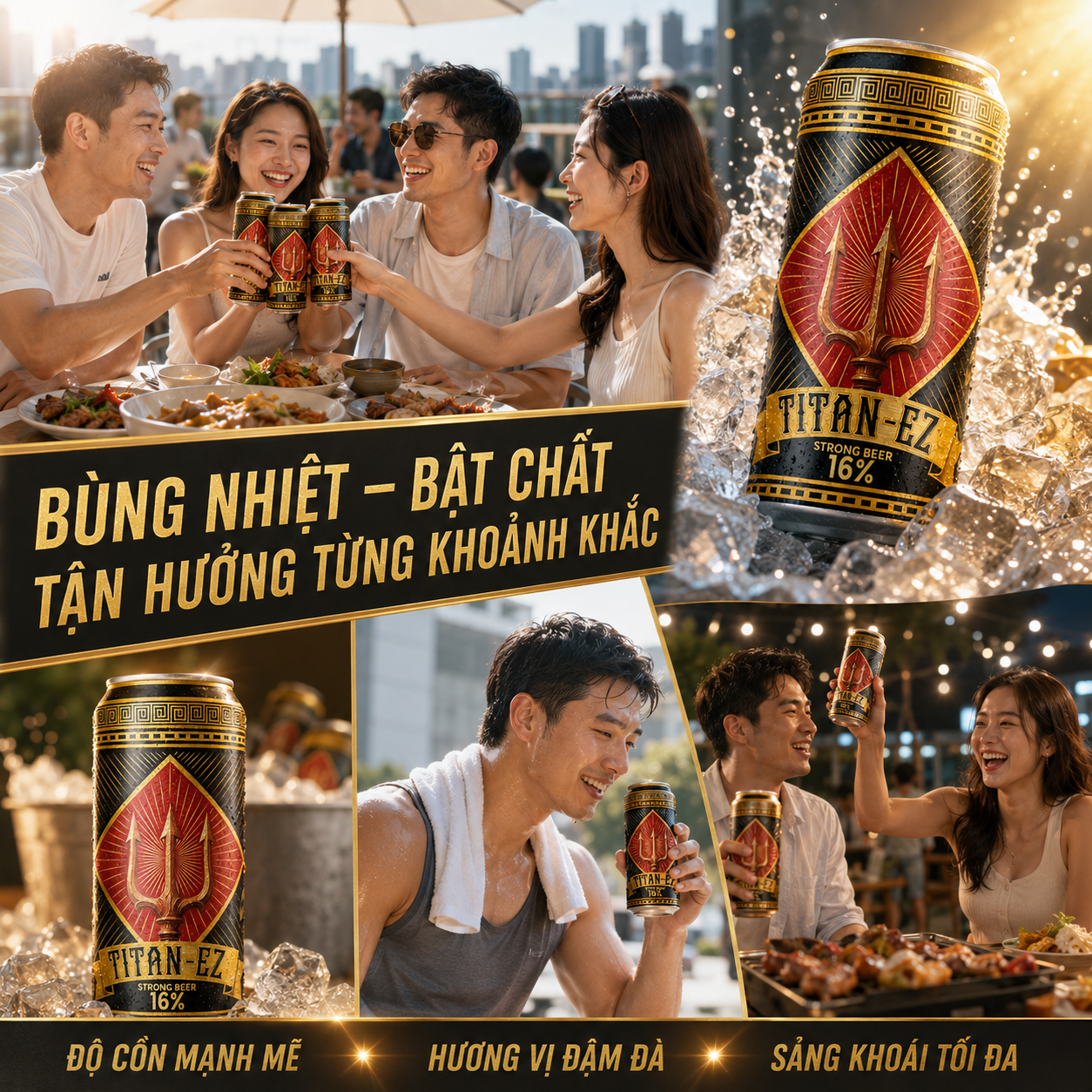
If a brand communicates itself as premium but the point-of-sale experience does not match, or the packaging emphasizes youthfulness while the product experience is too traditional, the brand image will become inconsistent.
In the long term, this discrepancy can easily cause customers to lose trust.
Therefore, marketing needs to be built on the foundation of the actual product.
The brand story should originate from elements that the business can maintain. These could be local inspiration, a flavor profile, service style, or a value associated with the customer community.
A good brand does not need to constantly change its story. More importantly, it should tell the same story in different ways while maintaining its identity.
For OEM Beer, this also makes it easier for businesses to develop new products. When the brand story is sufficiently clear, each new SKU can become the next chapter rather than a separate product.
Businesses can learn more about brand development directions and OEM solutions at https://oem.biasaigonmt.com/ before expanding their product ecosystem.
Developing a product portfolio without diluting the brand
When a brand begins to establish a position in the market, the need to expand the product portfolio often emerges.
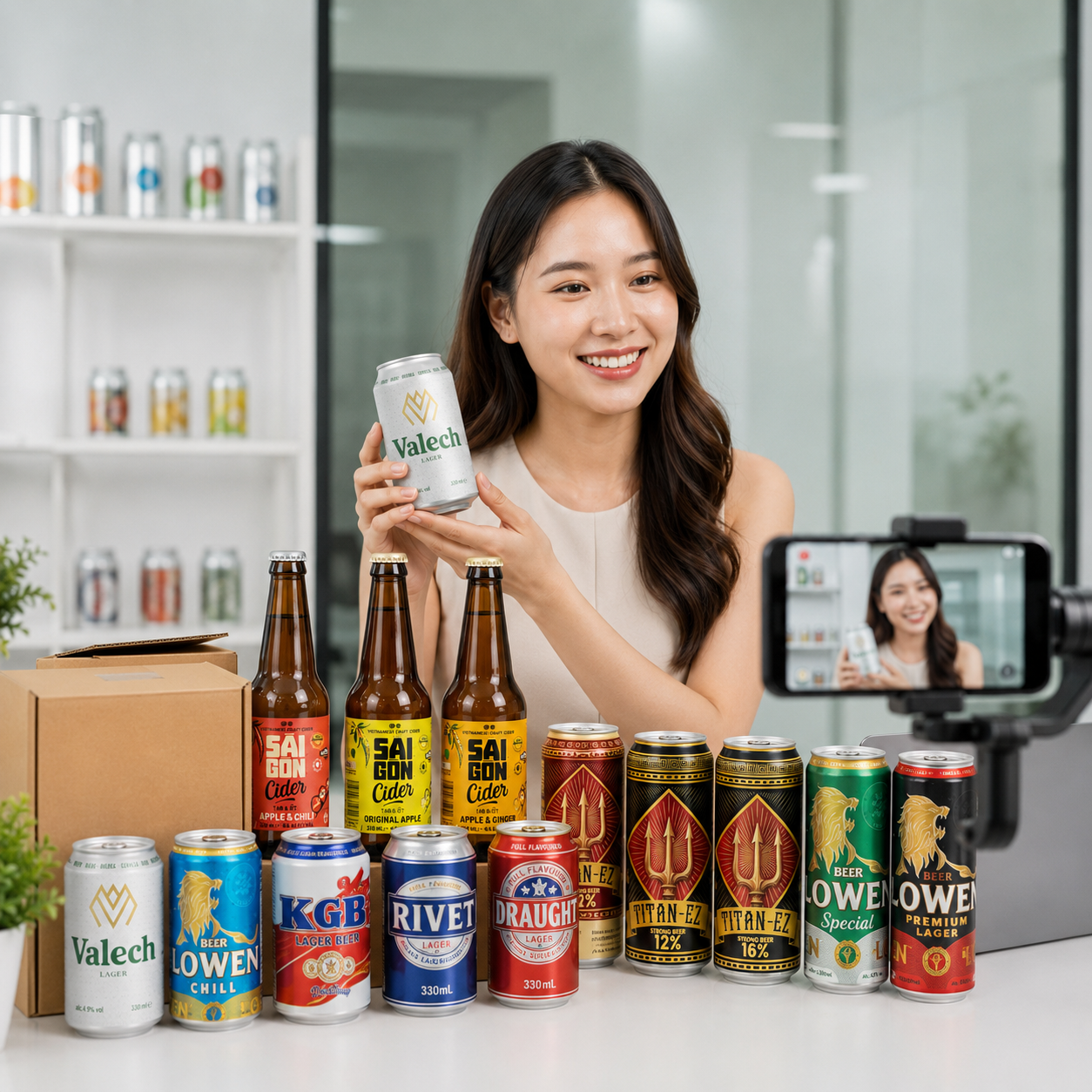
Businesses may want to develop a lighter beer line, a more premium line, a seasonal version, or a product for a different customer group.
This is a natural stage of development, but it is also a stage when brands can easily lose focus.
If every new product is created simply to follow trends, the portfolio can quickly become fragmented. Customers may recognize individual products but fail to understand what the brand represents.
Therefore, before each expansion decision, businesses need to assess whether the new product line is aligned with the core identity.
If the answer is yes, the new SKU can help the brand expand into new markets while maintaining recognition. If the answer is no, the business needs to consider whether the product should be placed under a different brand branch.
The OEM model provides significant flexibility at this stage. Businesses can develop additional products without having to invest in new factories or production lines themselves.
However, the greater the flexibility in production, the stricter the discipline in brand management needs to be.
If a business is preparing to expand its Private Label Beer portfolio and wants to ensure that its product lines remain consistent, it can contact SMB via Oem@biasaigonmt.com to discuss product structure and an appropriate production approach.
The OEM partner needs to be viewed as part of the long-term strategy
In the early stages, many businesses choose an OEM brewery primarily based on its ability to produce a specific batch.
However, if the goal is to build a long-term brand, the selection criteria need to be broader.
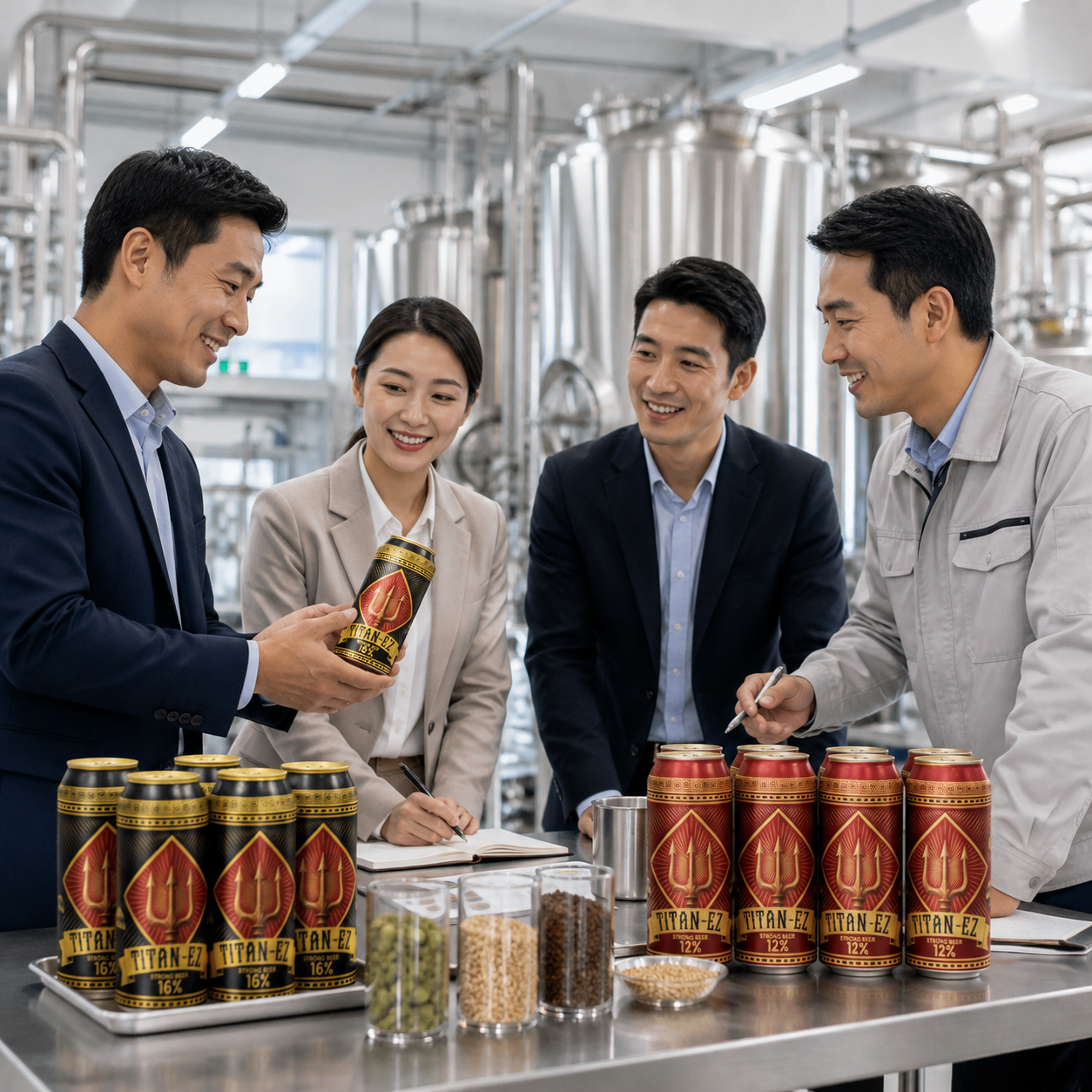
Businesses need a partner capable of accompanying them as products change, production volume increases, and the market expands.
This includes R&D capabilities, the ability to standardize quality, packaging support, supply chain capabilities, and the ability to adapt to new requirements from the brand.
A stable OEM relationship also helps businesses accumulate product knowledge over time.
When both parties have a clear understanding of the beer formulation, quality standards, and brand direction, the process of developing new SKUs or expanding production volume can be carried out more effectively.
At Sai Gon – Mien Trung Beer Joint Stock Company (SMB), OEM operations are built on an industrial-scale beer production foundation combined with product research capabilities and a quality control system. Businesses can develop their brands step by step, from the initial idea to expanding the product portfolio and production volume.
In the long term, brand image is not built by a single campaign.
It is formed through hundreds of small touchpoints: product quality, packaging, the point-of-sale experience, communications content, and consistency across every interaction customers have with the brand.
For OEM Beer, not owning a factory does not diminish the value of the brand. On the contrary, if businesses effectively leverage their partner’s production capabilities and focus strongly on the market, OEM can become a foundation that helps the brand develop more sustainably.
The important thing is that businesses need to clearly define which elements belong to the brand identity and must remain consistent for many years.
When that foundation is strong enough, products can change, packaging can be refreshed, and the market can expand while the brand still maintains a consistent image in customers’ minds.
If a business is building or restructuring a Private Label Beer brand with a long-term direction, working with an OEM partner from the beginning will help better connect positioning, beer formulation, packaging, and production capabilities.
OEM Beer Consulting Contact Information
Company: Sai Gon – Mien Trung Beer Joint Stock Company (SMB)
Head Office Address: 01 Nguyễn Văn Linh, Tân An Ward, Buon Ma Thuot City, Dak Lak Province
OEM Consulting Hotline: (+84) 94 1127575
Dedicated Email: Oem@biasaigonmt.com
Official Website: https://oem.biasaigonmt.com/