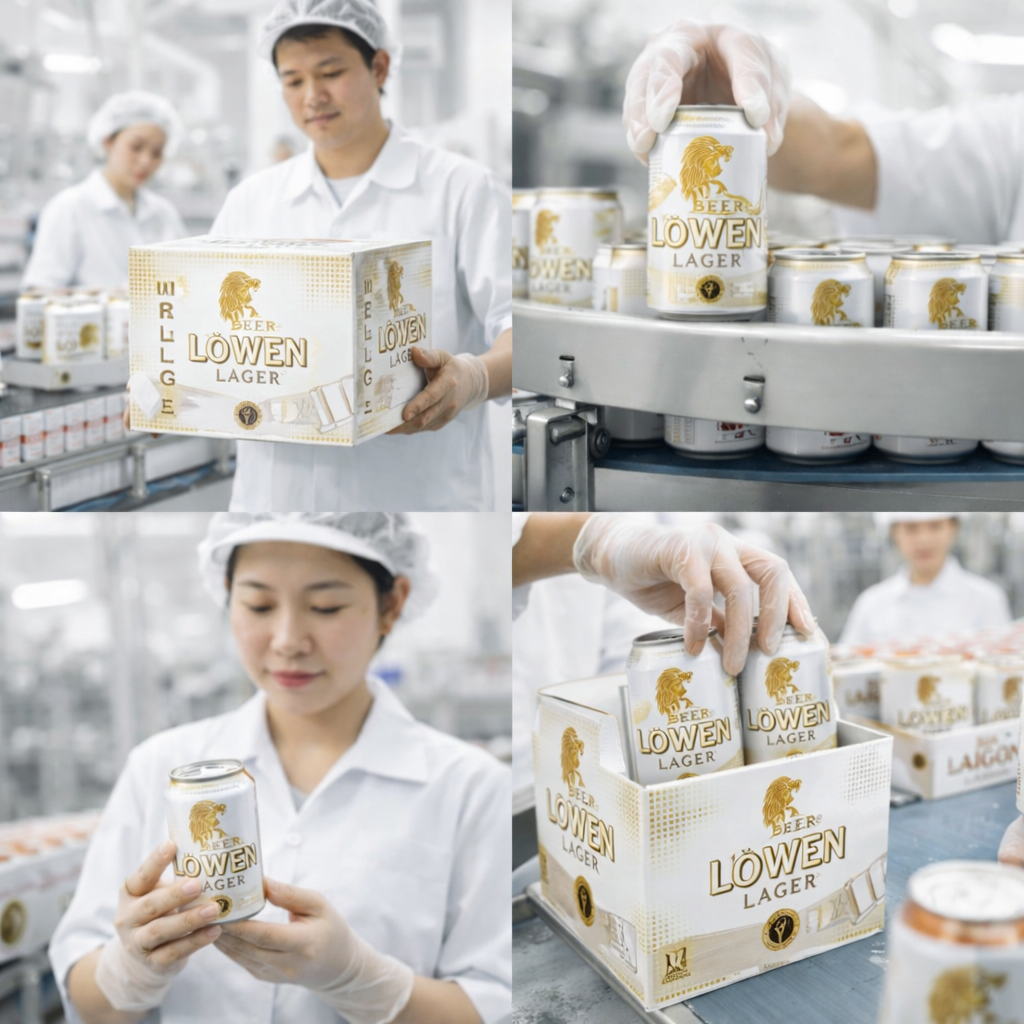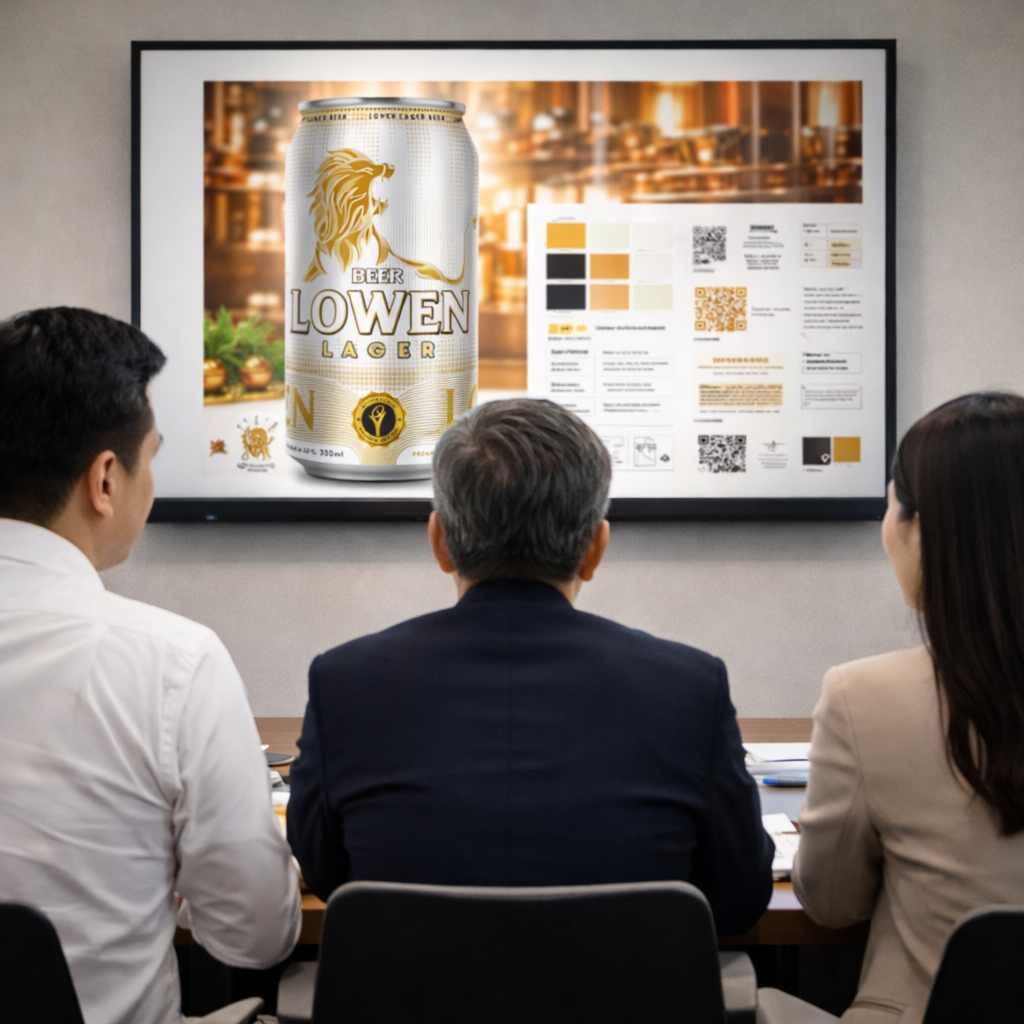



If the product is the “quality inside,” then packaging is the very first language of communication between the brand and the market.
Packaging Is the Fastest Way to Position a Price Segment
Before consumers even taste the product, they have already “priced” it with their eyes.
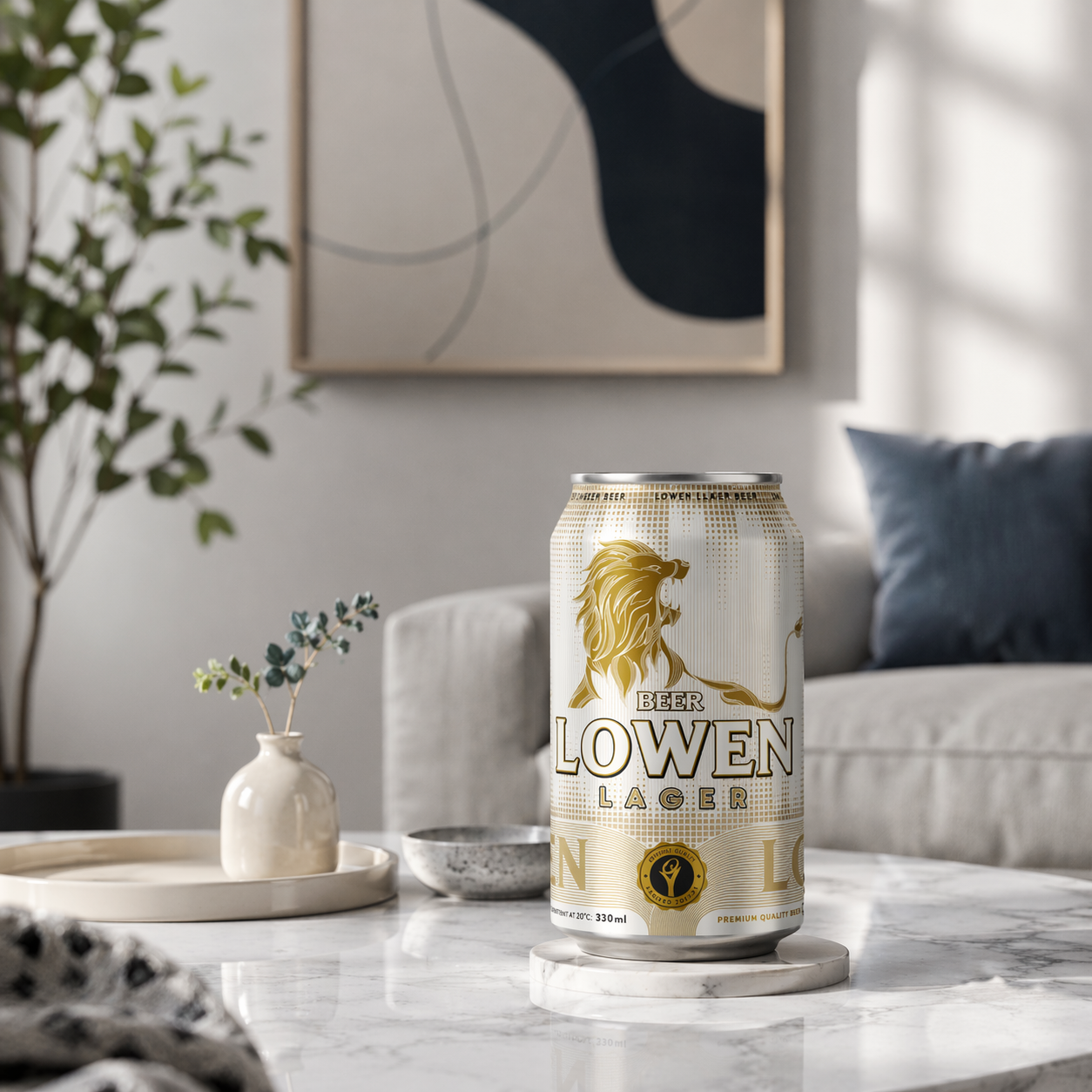
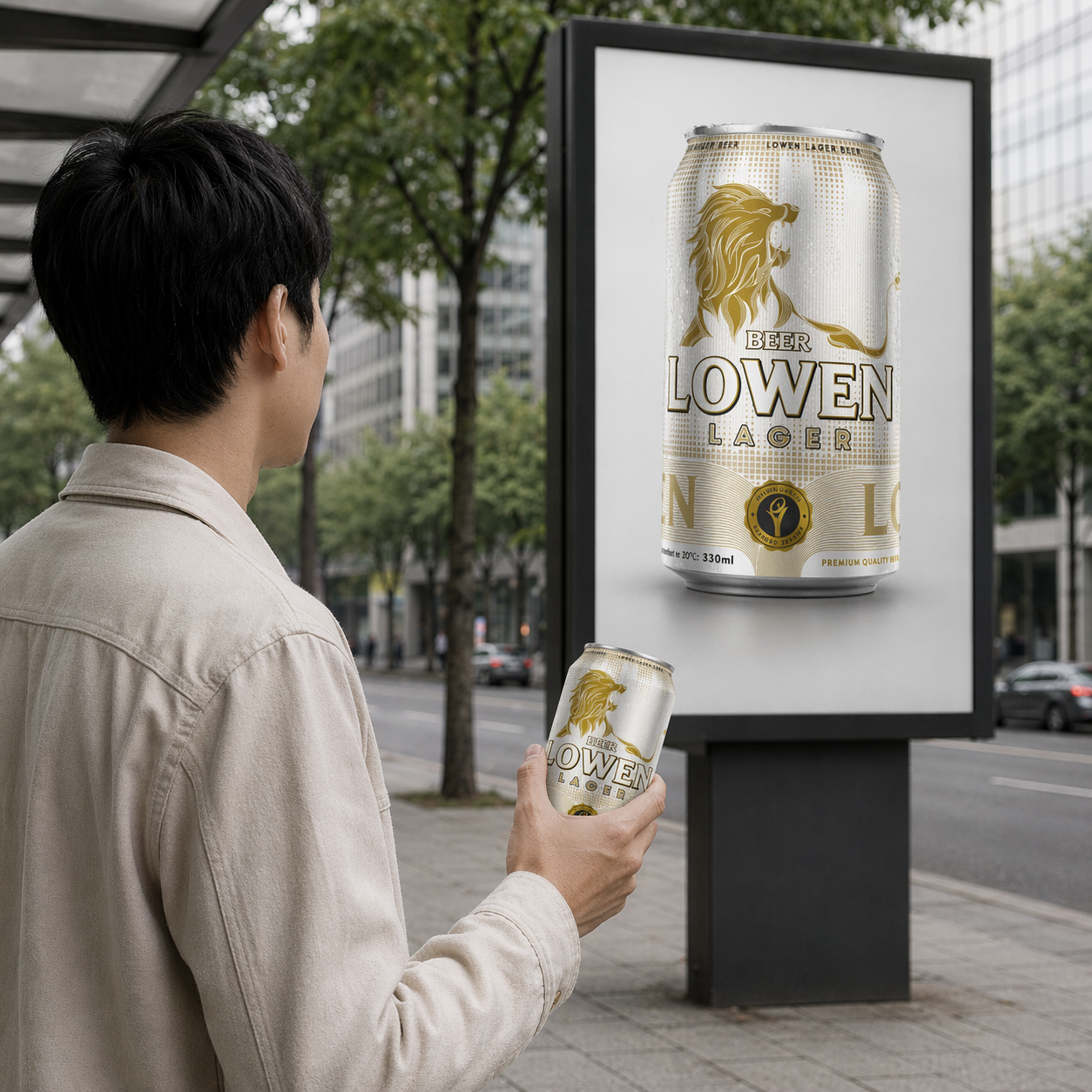
A beer can designed with minimalism, using black-and-gold tones, large white space, and clean typography is often perceived as premium. In contrast, packaging with too many colors, dense details, and complex imagery tends to create the impression of a mass-market or low-cost product.
This is not merely aesthetics — it is consumer psychology. The human brain naturally associates:
- Minimalism → premium
- Complexity → mass-market
- Soft colors → sophistication
- Bold colors → energetic or value-oriented
Therefore, packaging becomes a pricing-positioning tool without ever explicitly mentioning price.
Packaging Defines the “Consumption Context”
One of the biggest mistakes new brands make is thinking that “beer is just beer.” In reality, beer is consumed in many different contexts, and packaging is what helps customers instantly recognize those contexts.
- Glass bottles → table service, restaurants, premium feeling
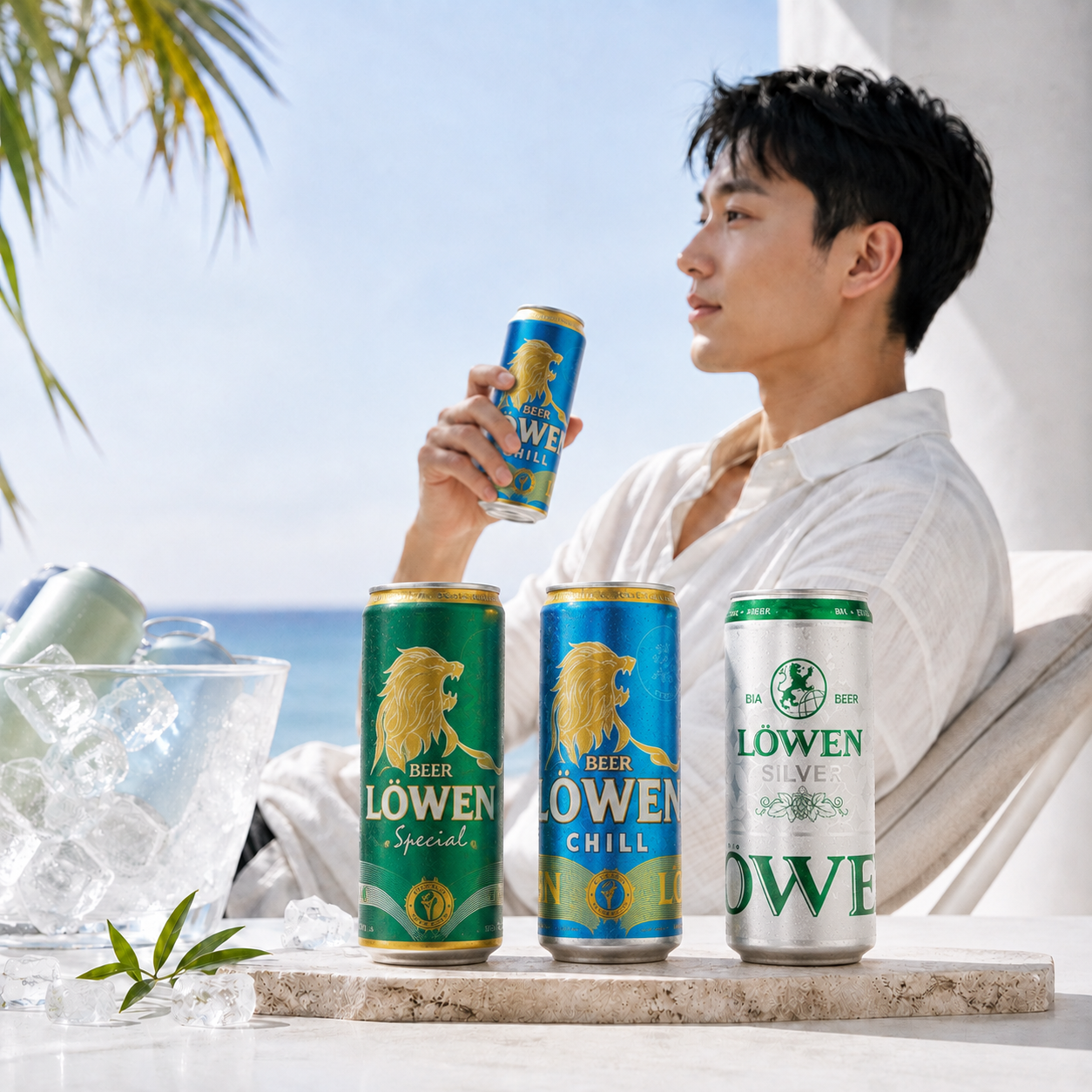
- Sleek cans → modern, lifestyle-oriented, suitable for younger consumers
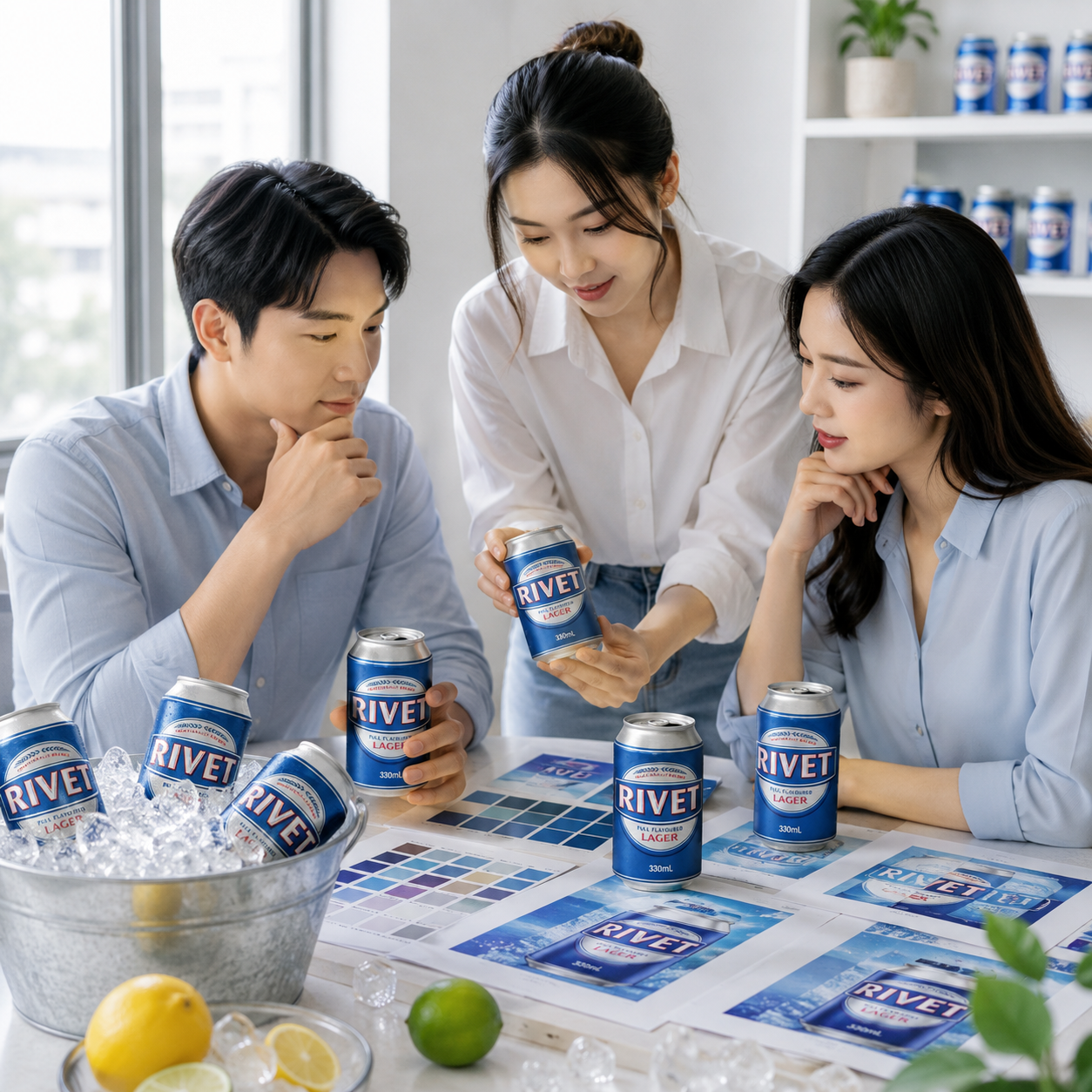
- Standard 330ml cans → mainstream, convenient, mass-market
- Kegs → bars, draft beer
Packaging does not simply say “this is beer.” It clearly communicates:
👉 “This is the kind of beer you drink here, with these people, and in this situation.”
A brand that positions the wrong consumption context will almost certainly struggle, even if the product quality is excellent.
Packaging Is the Brand’s “Handheld Billboard”
In the era of social media, packaging no longer exists only on store shelves — it appears on Instagram, TikTok, and in thousands of user-generated photos.
A visually attractive beer can can become a free marketing tool. Consumers do not just drink beer; they share the experience, and the packaging is what appears in the frame.
This is why:
- Sleek cans are booming
- Minimalist and eye-catching designs are prioritized
- Packaging has become part of a lifestyle
In this context, packaging does not just sell the product — it spreads the brand.
Packaging Directly Impacts Cost Structure and Profitability
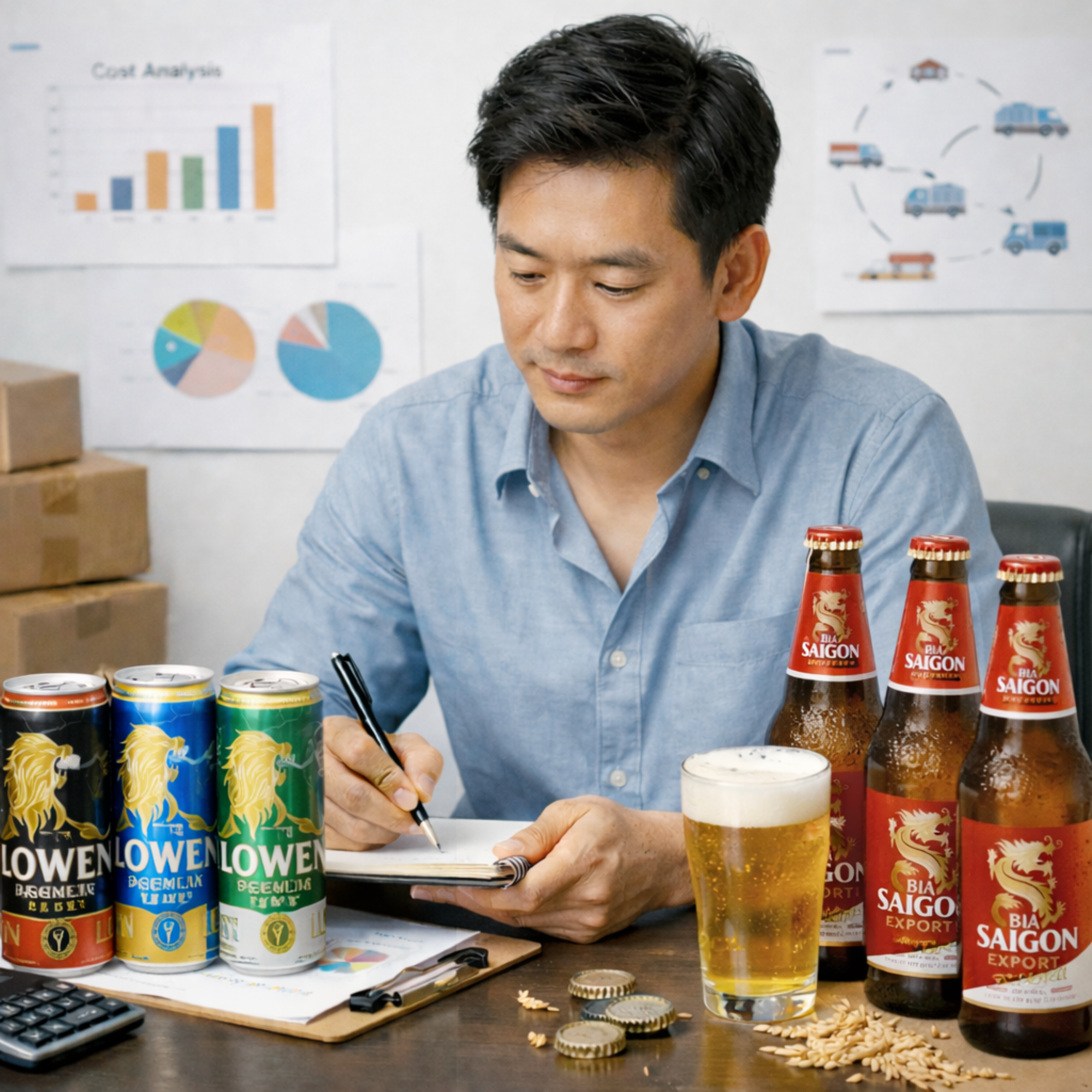
One often-overlooked aspect is that packaging affects not only image, but also finances directly.
- Lighter cans → lower transportation costs
- Less breakage → reduced product loss risk
- Easier pallet stacking → optimized warehousing
In contrast, glass bottles are:
- Heavier
- More fragile
- More expensive in logistics costs
Therefore, choosing packaging is a strategic decision:
👉 Are you optimizing image, optimizing cost, or balancing both?
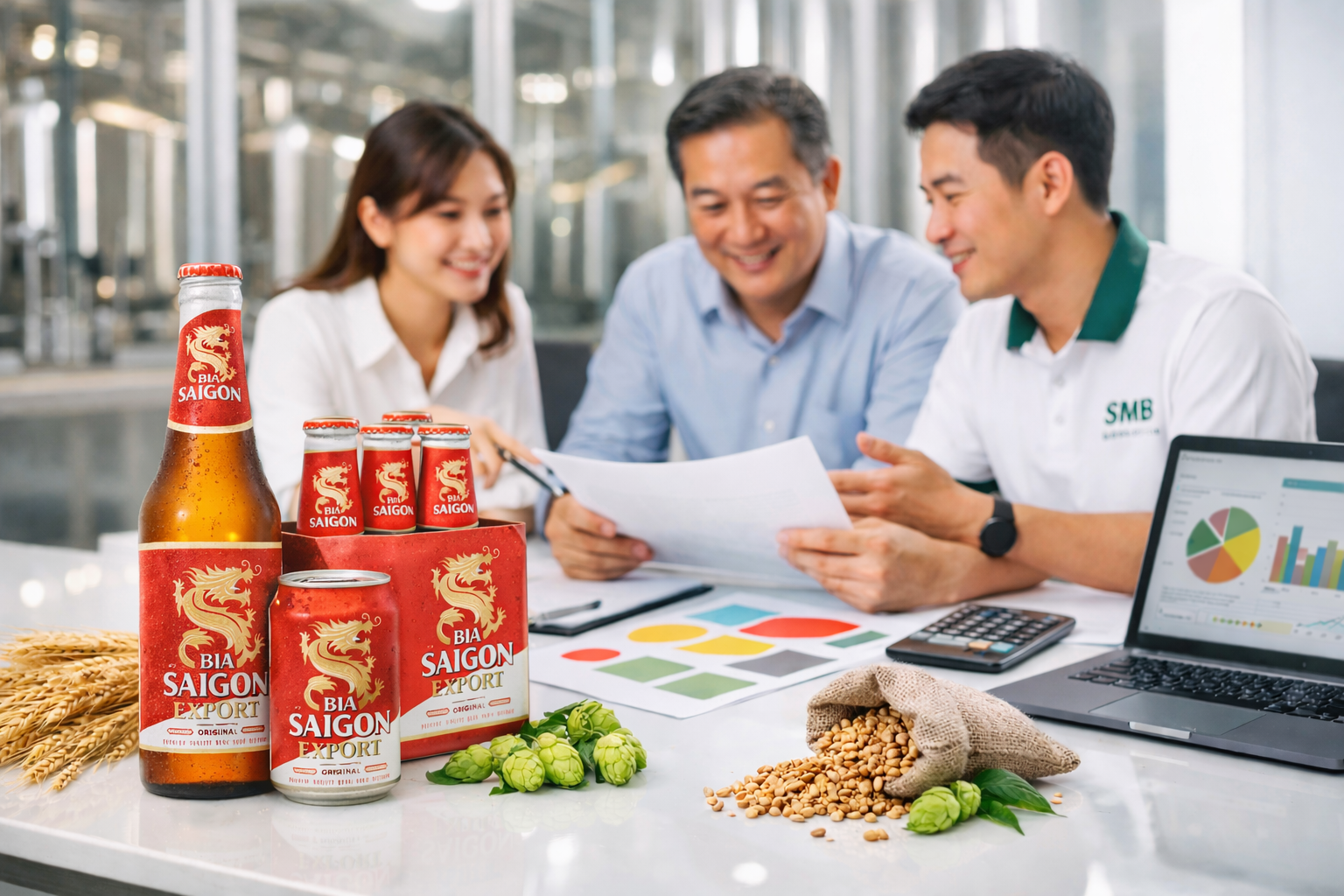
At OEM systems such as Saigon Beer – Central Region (SMB), businesses are advised on selecting packaging structures that fit:
- Customer segments
- Distribution channels
- Budgets
This helps avoid situations where “the packaging looks beautiful but the product does not sell,” or “packaging costs consume all the profits.”
Packaging Is the Bridge Between Product and Brand Story
A strong brand always has a story. But that story does not live on a website — it lives directly on the packaging.
- Local beer → cultural patterns, local ingredients
- Premium beer → minimalist and luxurious design
- Creative beer → unique artwork
Packaging helps customers understand the brand without needing to read.
In 2026, where consumers absorb information extremely quickly, the ability to “communicate within 3 seconds” becomes a survival factor. Packaging is the most powerful tool to achieve that.
Wrong Packaging = Wrong Positioning, Even If the Product Is Good
Many products fail not because of poor quality, but because the packaging does not communicate the correct brand positioning.
A premium product with mass-market-looking packaging will make customers:
- Not trust the price point
- Fail to perceive the product’s value
On the other hand, overly designed packaging paired with a product that does not match expectations will lead to disappointment after tasting.
Packaging and the product itself must be aligned in positioning. Otherwise, the brand will lose customer trust very quickly.
Packaging Is Not a Cost – It Is a Strategic Investment
Beer packaging is not just about design. It is:
- A positioning tool
- A marketing tool
- A cost-optimization tool
- A brand storytelling tool
In 2026, where competition happens directly on store shelves and inside consumers’ minds, packaging is the “first weapon” a brand uses.
A brand may not be perfect in every aspect, but if the packaging is right, it has a chance to be chosen. And in the modern market, being chosen is the very first step toward winning.
OEM Beer Packaging & Manufacturing Consultation
If you are building your own beer brand and are unsure about choosing the right packaging:
Company: Saigon Beer – Central Region Joint Stock Company (SMB)
Address: 01 Nguyen Van Linh Street, Tan An Ward, Buon Ma Thuot City, Dak Lak Province
OEM consultation hotline: (+84) 94 1127575
Email: oem@biasaigonmt.com
Website: https://oem.biasaigonmt.com/
SMB does not just produce beer — it also helps you design packaging that matches the right positioning, the right cost structure, and the right market from the very beginning.