

For the beer industry, the peak season is not only a period of sales growth but also a time that tests a company’s operational capabilities. As consumer demand rises sharply, production pressure increases accordingly. Output may multiply within a short period, creating greater pressure on raw materials, operating capacity, packaging speed, and the ability to maintain consistent beer quality across different production batches.

Under these conditions, the greatest challenge for businesses is not simply producing enough volume, but ensuring that every product delivered to consumers provides a consistent experience. A can of beer produced at the beginning of the season and another produced during the peak season must both maintain consistent flavor, color, alcohol content, carbonation, and overall sensory characteristics.
This is precisely why brewing technology is playing an increasingly important role in the modern beer industry. In today’s competitive environment, businesses can no longer rely solely on production scale. They must depend on brewing technology, quality control systems, and R&D capabilities to maintain consistent beer quality.
Peak Season Always Places Significant Pressure on Brewing Operations
The beer industry has a distinctive characteristic: consumer demand tends to increase sharply in cyclical patterns. Summer, festive seasons, and the year-end period often result in substantial increases in beer consumption.
From a business perspective, this represents a major opportunity. From a production perspective, however, it creates enormous pressure on the entire operational system.
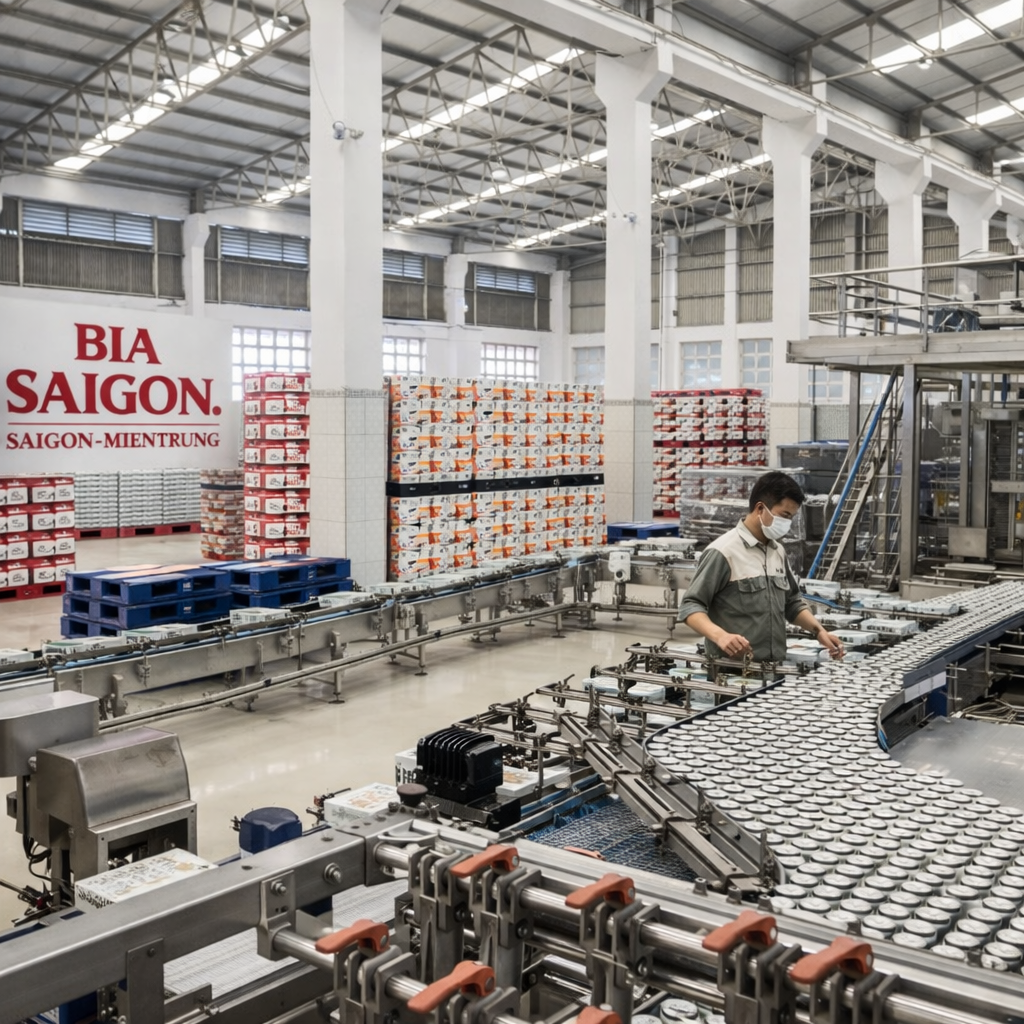
As production volume rises rapidly, brewing lines must operate at higher intensity. Equipment utilization increases, raw material processing speeds become faster, and operating hours are extended.
If the technological system lacks sufficient control capabilities, product quality can easily become inconsistent.
In the beer industry, even very small variations can create significant differences in the consumer experience.
A slight change in fermentation temperature or an imprecise ratio of brewing ingredients may result in noticeable differences in flavor or mouthfeel.
Consumers may not understand the underlying cause, but they will clearly notice the difference.
Once customers perceive inconsistent beer quality, their trust in the brand may be affected.
This is why modern beer manufacturers are placing greater emphasis on investing in technology rather than simply expanding production capacity.
Technology Is Transforming the Way the Beer Industry Operates
Many years ago, the beer industry relied heavily on manual operating experience and the expertise of technical personnel.
Today, however, with the advancement of automation and digitalization, the way the beer industry operates has changed significantly.
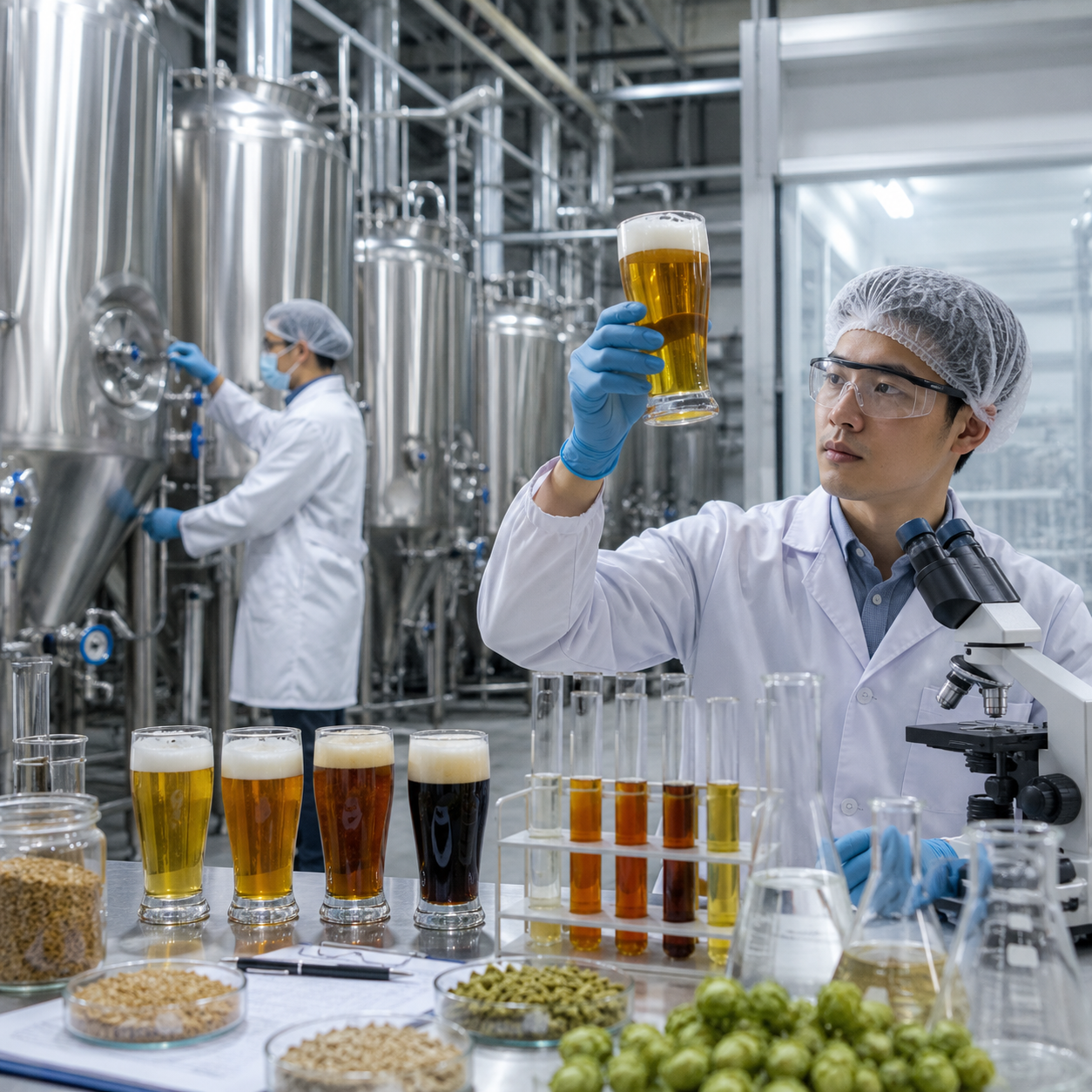
Modern brewing systems not only increase production capacity but also enable much more precise control of production parameters throughout the brewing process.
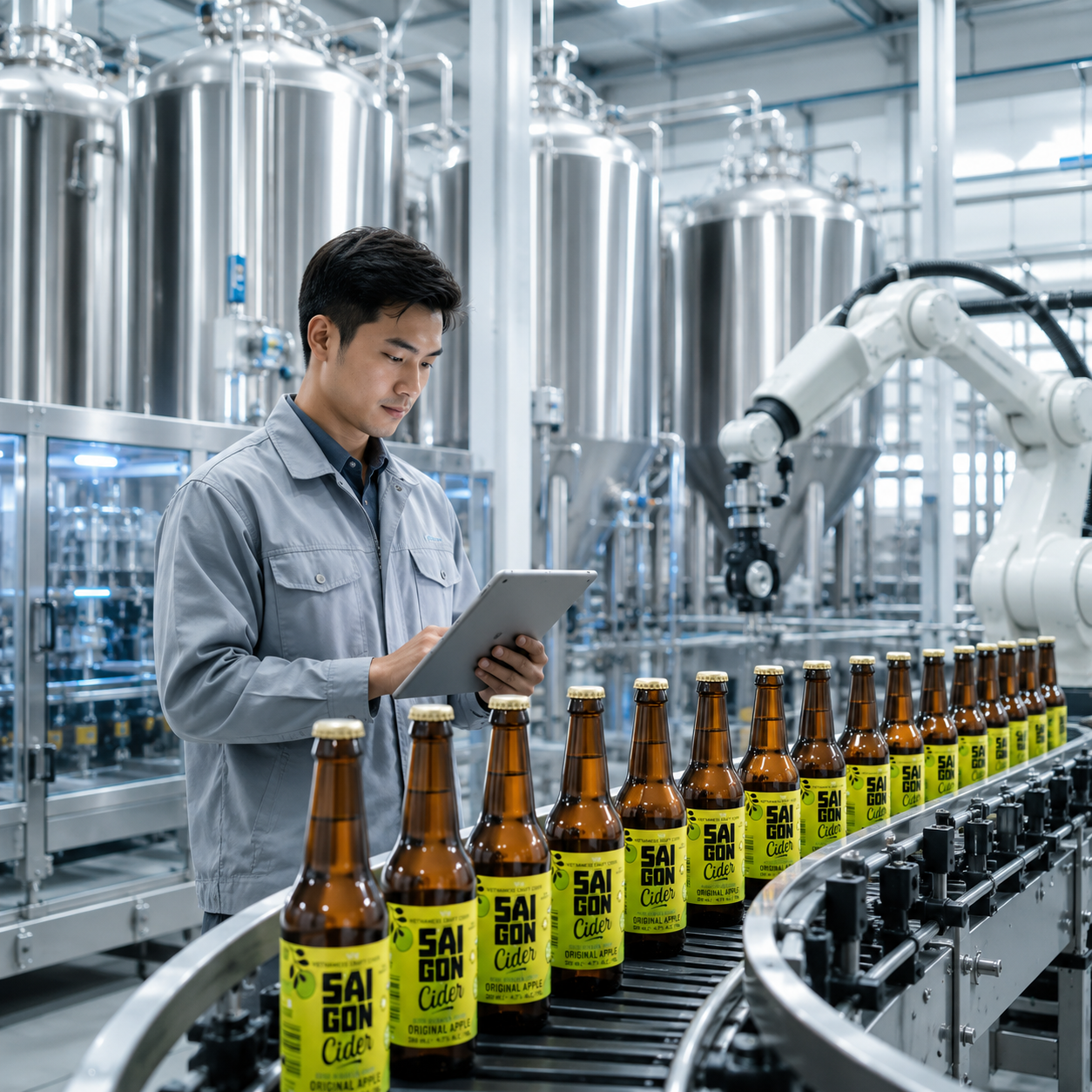
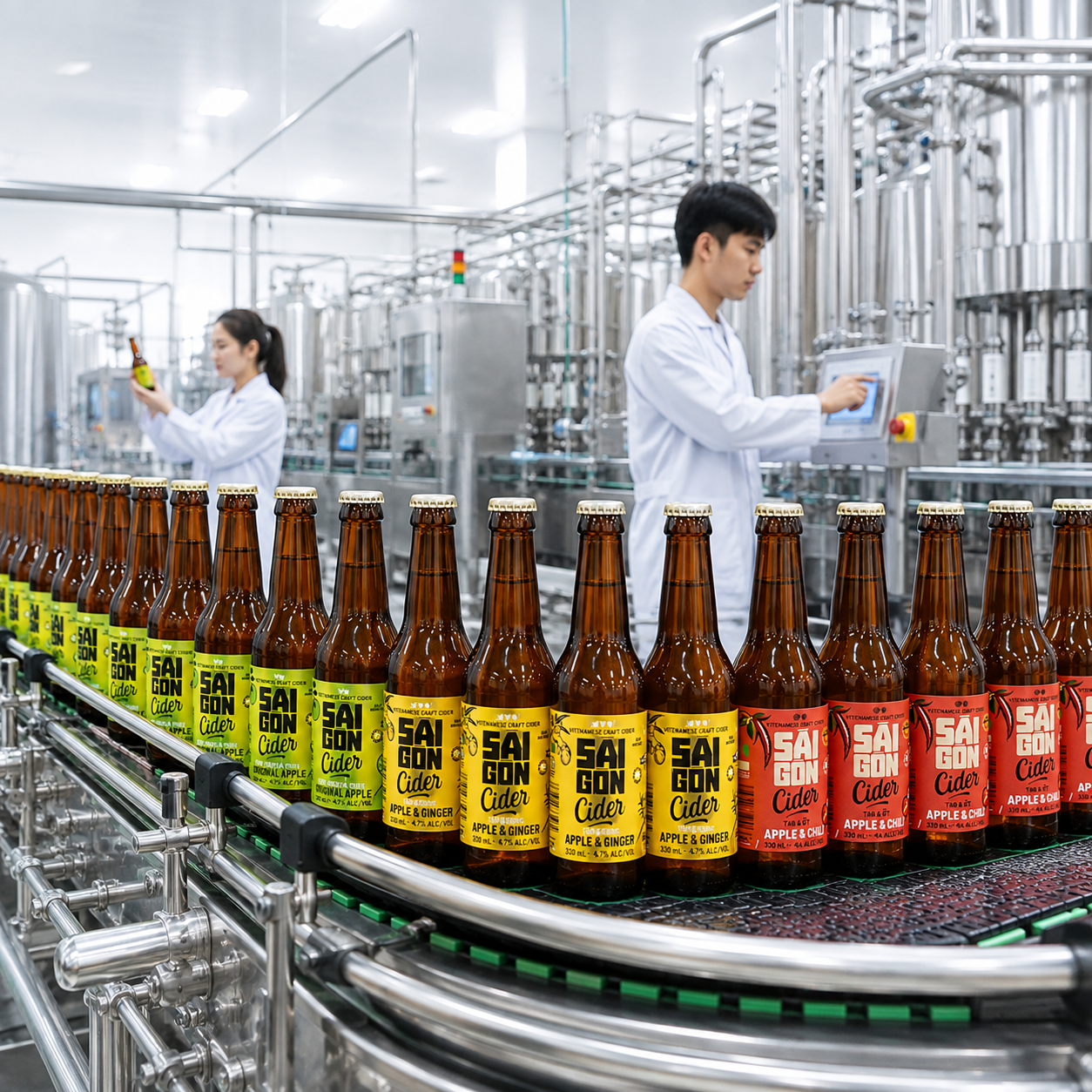
From raw material processing through mashing, fermentation, and packaging, modern brewing technology helps minimize variations between production batches.
This is especially important during the peak season.
Instead of relying too heavily on human factors, businesses can utilize automated process control systems to maintain consistency throughout the entire operation.
Technology does not completely replace the role of people, but it significantly reduces the potential for errors during large-scale beer production.
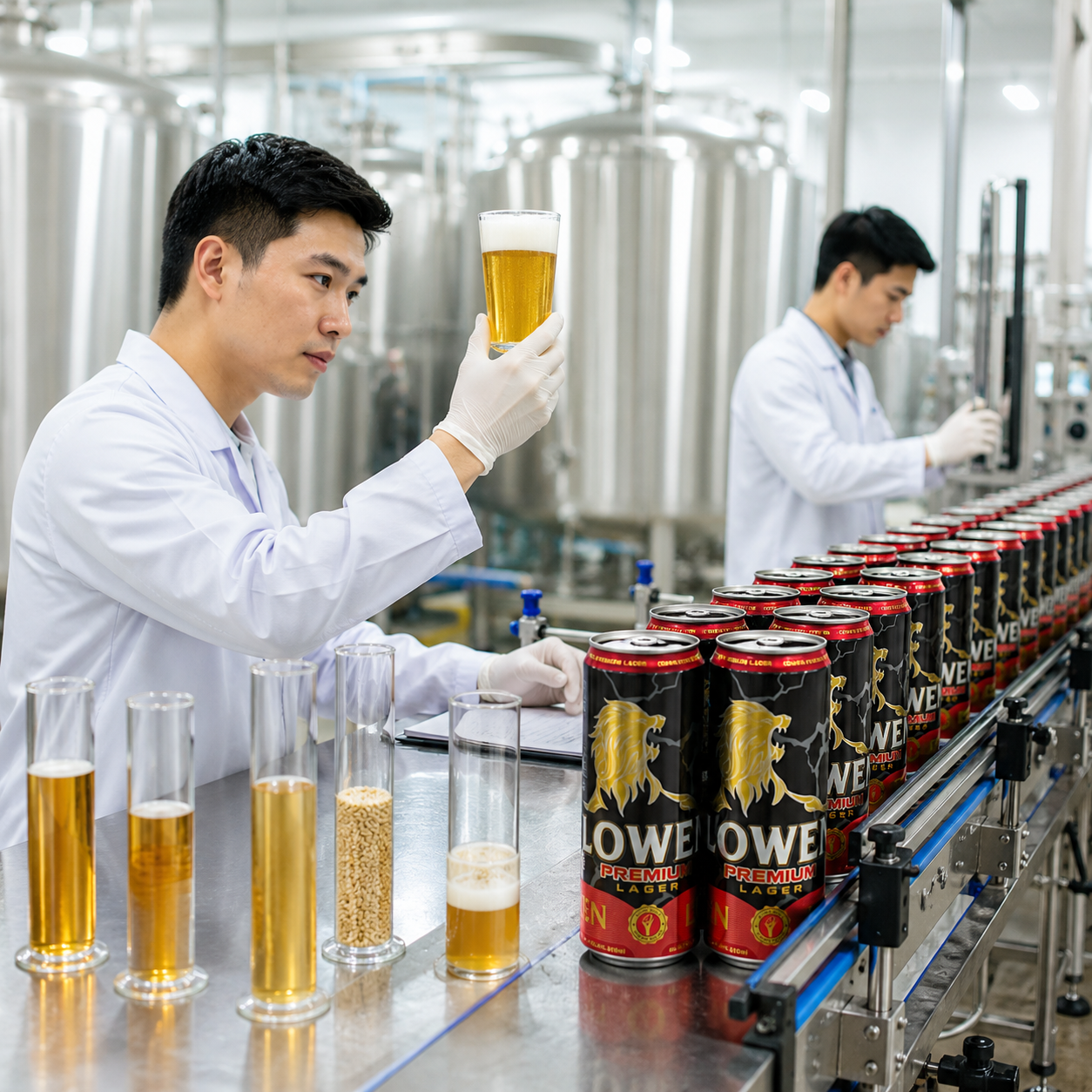
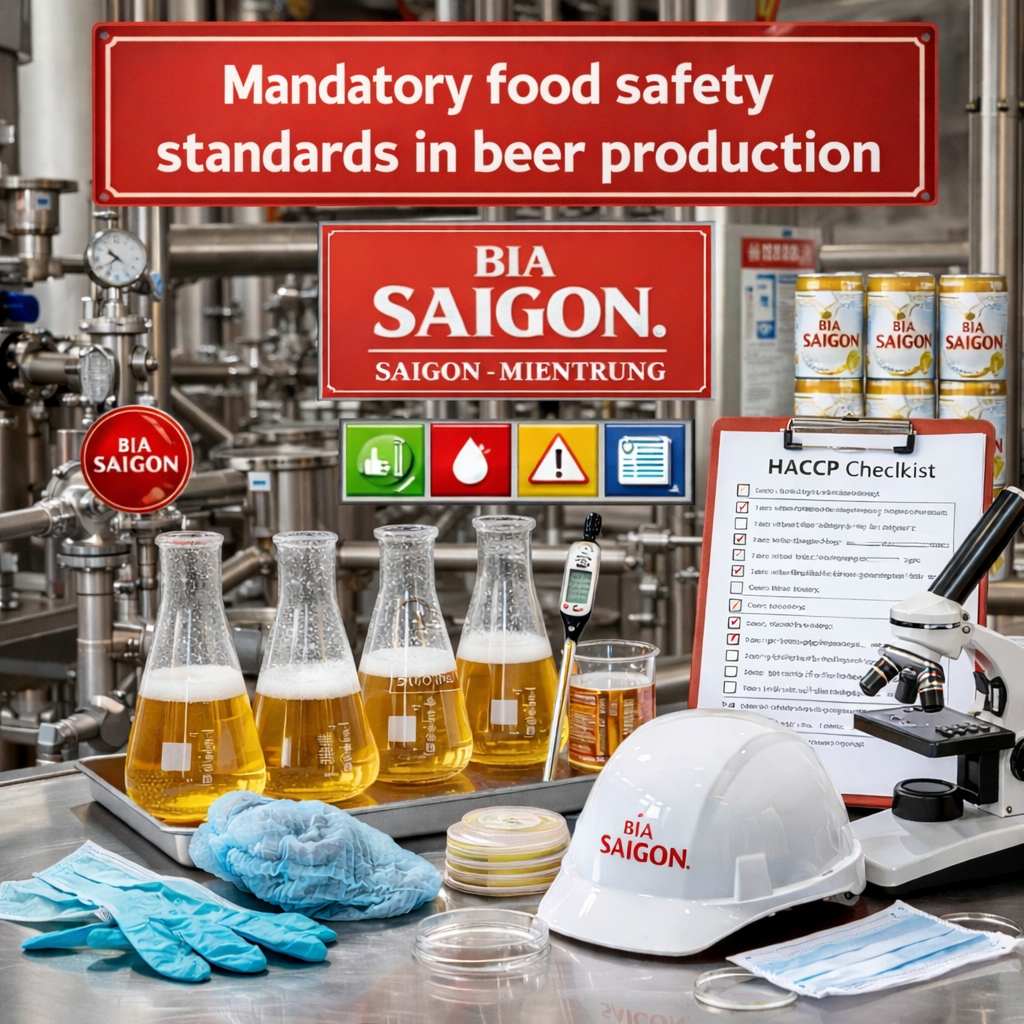
In the modern beer industry, quality is no longer inspected only at the end of the production line—it is controlled from the very beginning of the brewing process.
This represents a fundamental shift in manufacturing philosophy.
Consistency Is Becoming a New Competitive Advantage
Many people believe that beer quality is determined primarily by the recipe or raw materials.
This is true, but it is not the complete picture.
A great beer product must not only deliver an appealing flavor, but also consistently maintain that experience over time.
Consumers may be willing to try a new beer out of curiosity, but they will only return if the experience remains consistent with every subsequent purchase.
This is precisely why consistency is becoming a critical competitive advantage in the beer industry.
In today’s market, where consumers have countless choices, businesses compete not only through price or brand image, but also through their ability to deliver a consistent experience.
Achieving this requires advanced brewing technology.
From controlling fermentation temperatures and managing raw material quality to monitoring the entire production process, every aspect must be controlled with a high degree of precision.
For businesses engaged in beer OEM, this is even more important because each client typically has unique product requirements.
The ability to maintain consistency across multiple beer recipes becomes a major competitive differentiator.
The Role of R&D and the Pilot Brewing System During Peak Season
One of the key factors that helps businesses reduce production risk is the ability to conduct research and testing before moving to large-scale commercial production.
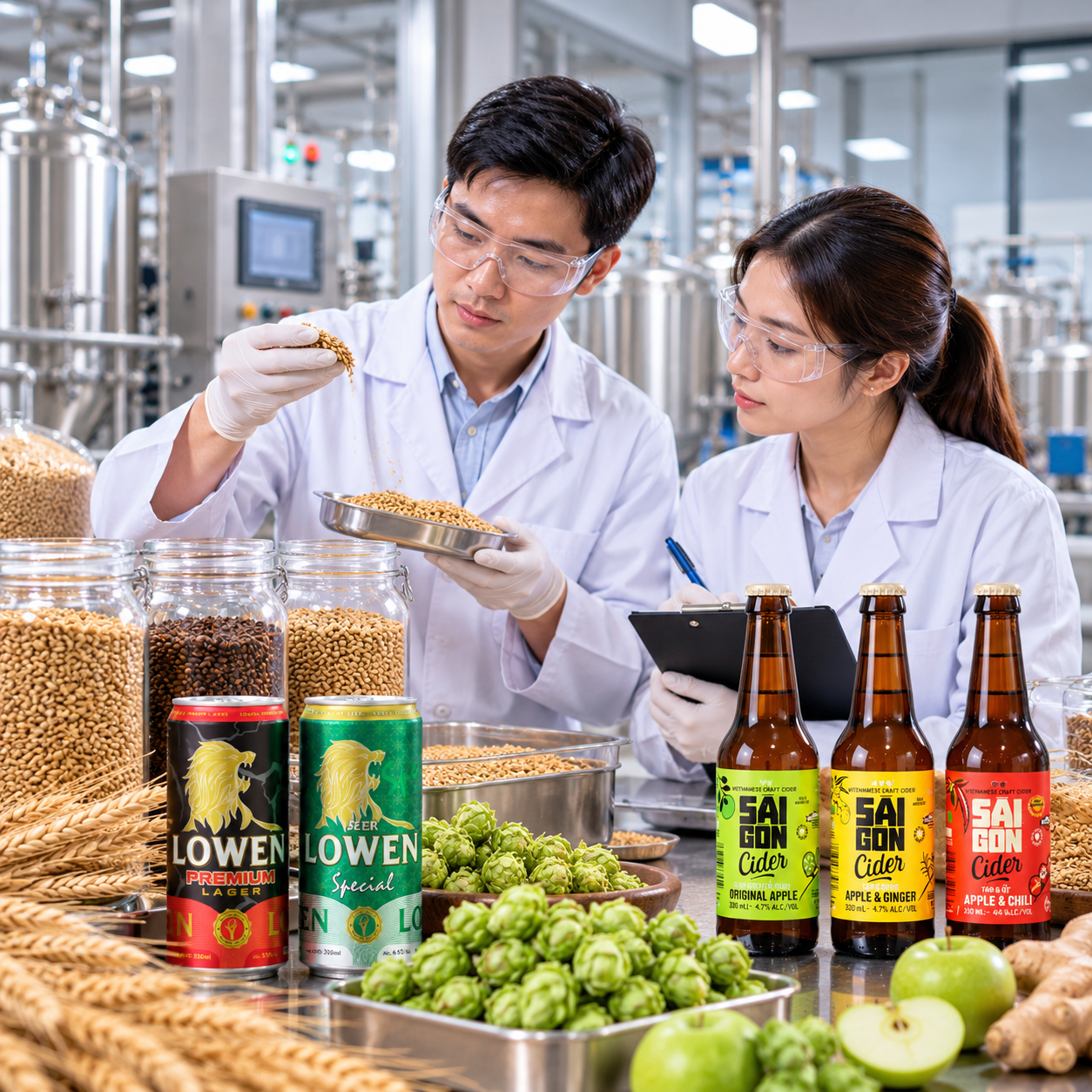
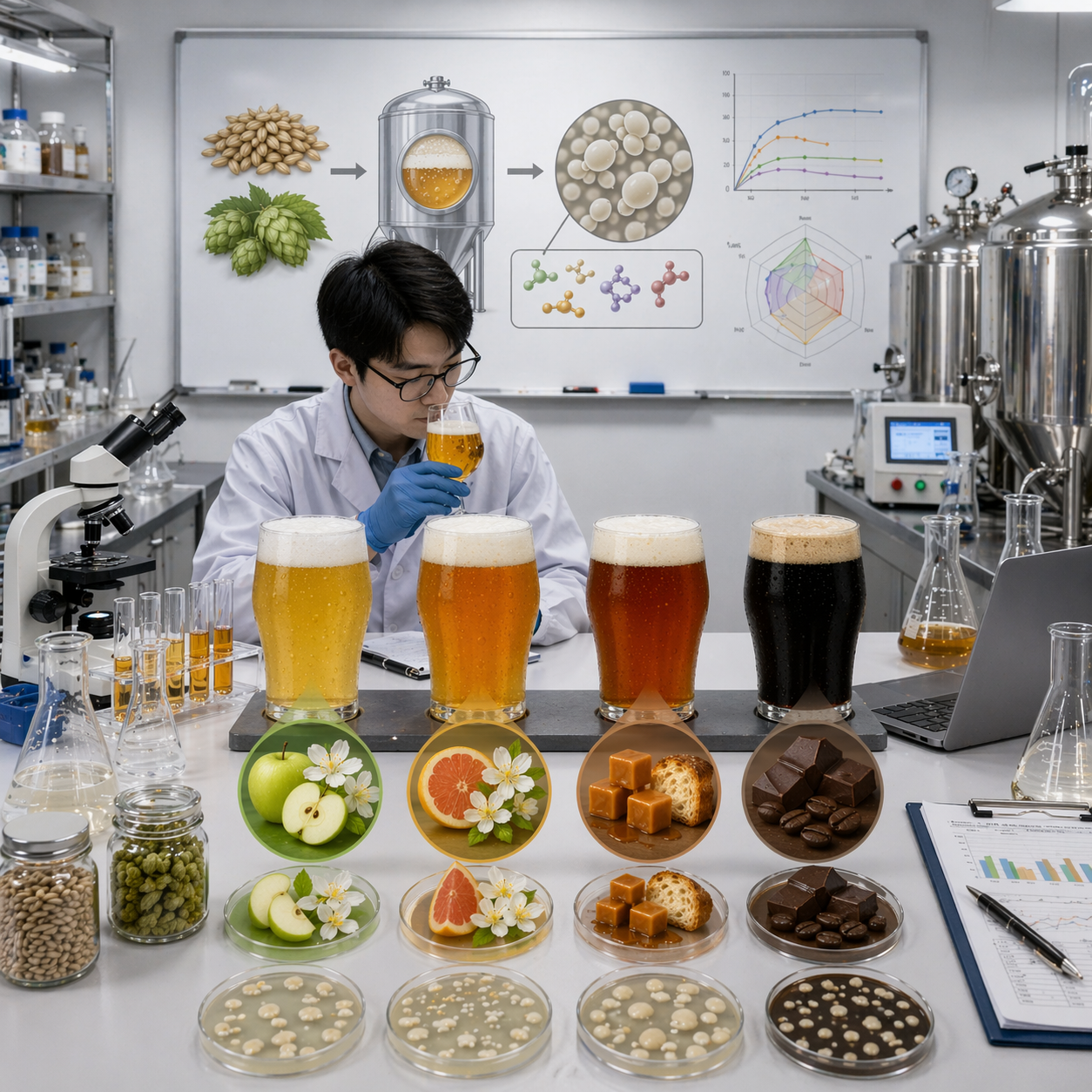
In the modern beer industry, changes to raw materials, the development of new beer flavors, or the optimization of beer recipes are typically carried out first on a pilot brewing system.
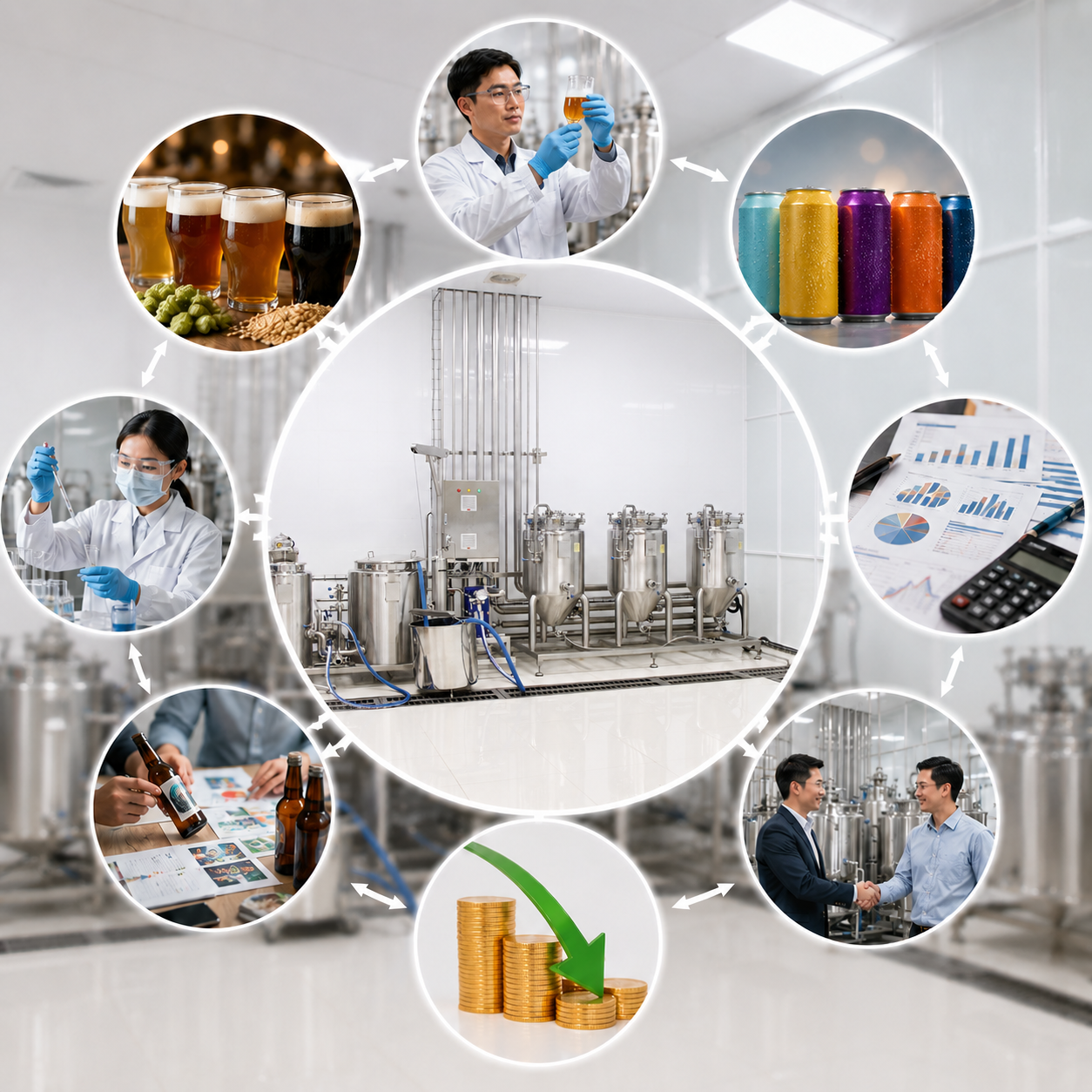
At Saigon Beer – Mien Trung Joint Stock Company (SMB), a 130-liter-per-batch Pilot Brewing System has been invested in to support R&D and new product development.
Through this system, the technical team can evaluate numerous factors before proceeding to industrial-scale production.
Small-scale testing enables businesses to assess the product’s sensory characteristics, evaluate its consistency, and adjust the recipe whenever necessary.
This is particularly important during the peak season, when market demand changes rapidly.
In addition to supporting new product development, the Pilot Brewing System also helps minimize risks when scaling up production.
For beer OEM operations, this serves as a critical foundation for developing products that meet the specific requirements of each client.
Technology Not Only Increases Production but Also Enables Sustainable Growth
For many years, the beer industry primarily focused on increasing production volume. Today, however, this development philosophy has changed.
High production volume is no longer the only factor that creates a competitive advantage.
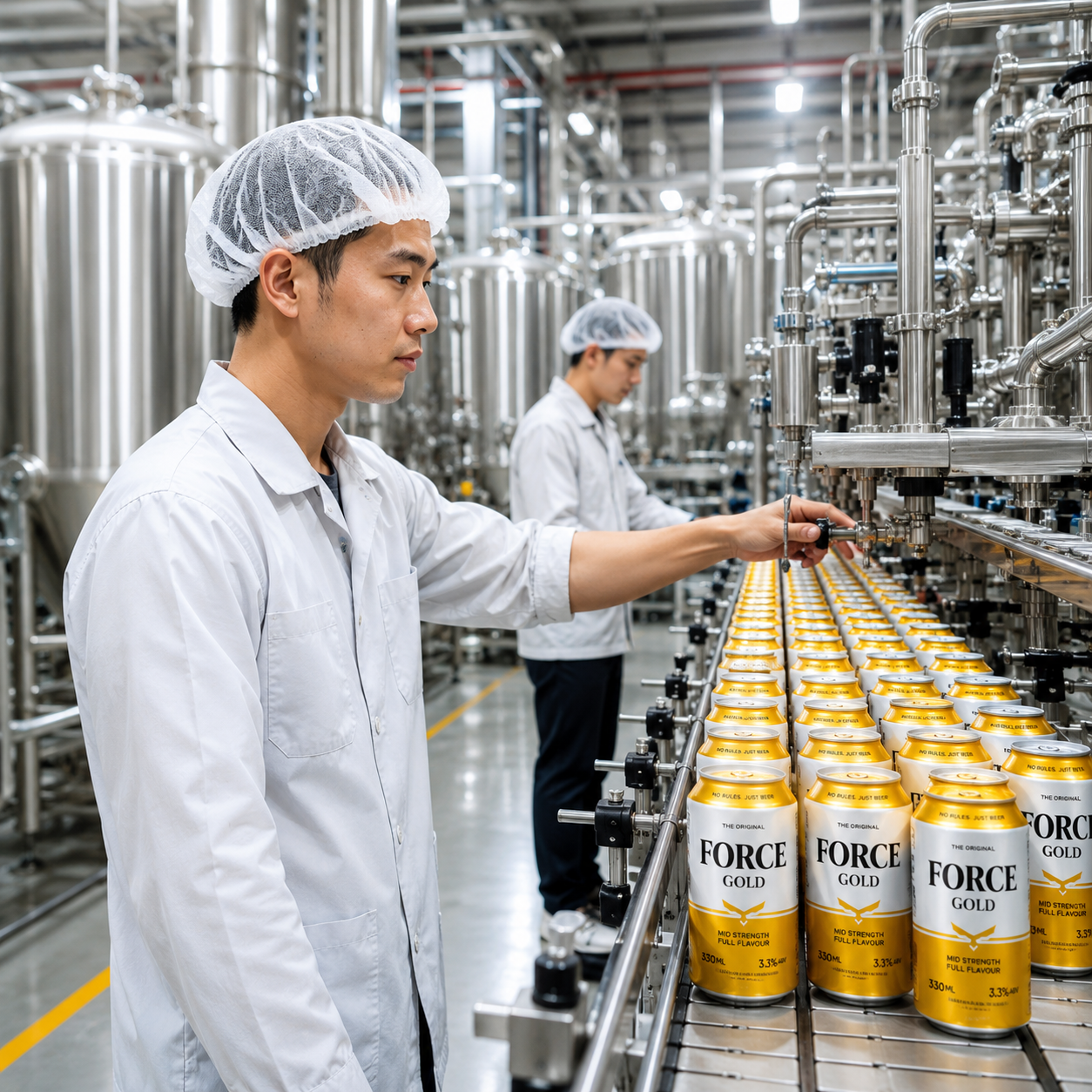
Businesses must ensure their ability to maintain consistent beer quality, optimize operations, and adapt quickly to emerging consumer trends.
This is why brewing technology is becoming the foundation for the long-term development of the beer industry.
For businesses seeking to develop their own private-label beer brands through beer OEM, choosing a partner with a strong technological foundation is becoming increasingly important.
With its modern brewing facilities, strong R&D capabilities, 130-liter-per-batch Pilot Brewing System, and commitment to developing new beer products, Saigon Beer – Mien Trung Joint Stock Company (SMB) is expanding its beer OEM services to support partners in developing stable products that meet evolving market demands.
Contact Saigon Beer – Mien Trung Joint Stock Company (SMB) for consultation on beer OEM solutions, beer recipe development, and building your own private-label beer brand.
Company: Saigon Beer – Mien Trung Joint Stock Company (SMB)
Address: 01 Nguyen Van Linh Street, Tan An Ward, Buon Ma Thuot City, Dak Lak Province, Vietnam
OEM Consultation Hotline: (+84) 94 1127575
Email: oem@biasaigonmt.com
Website: https://oem.biasaigonmt.com/
SMB not only focuses on production volume, but also partners with its clients to deliver consistent beer quality and sustainable long-term growth.